
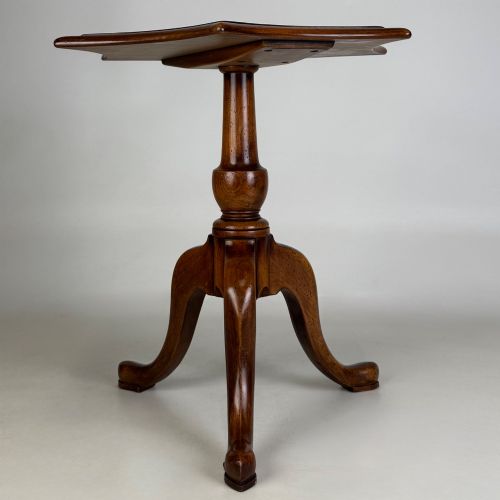
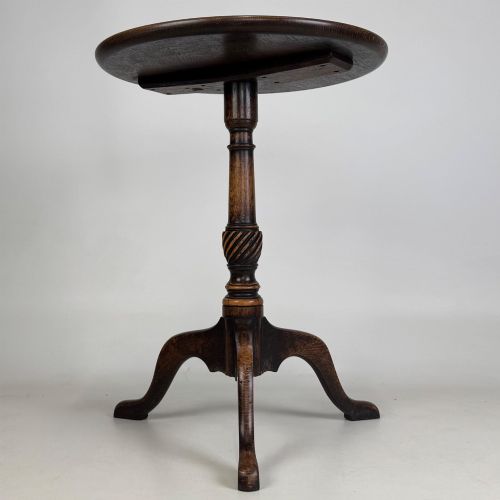
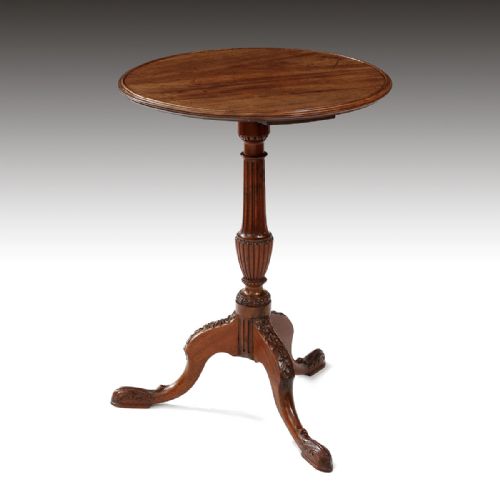
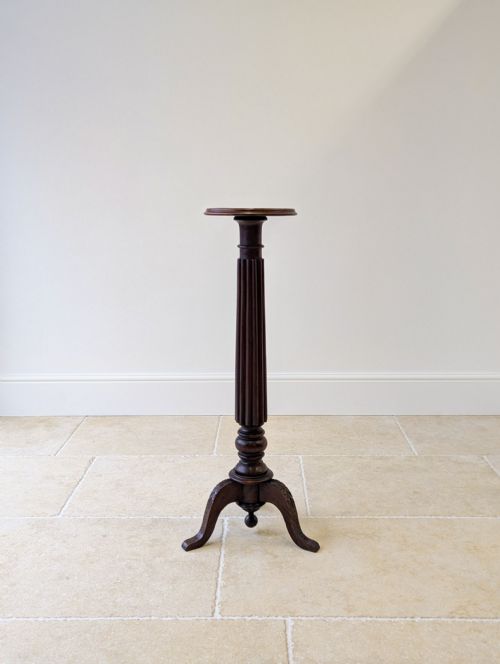
Georgian Carved Tripod Stand
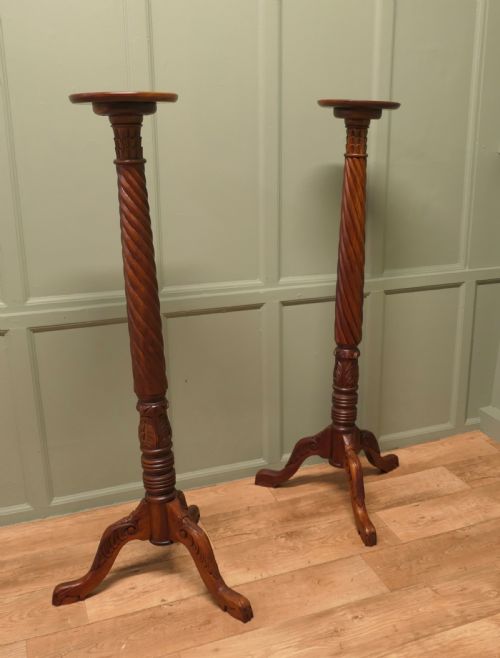
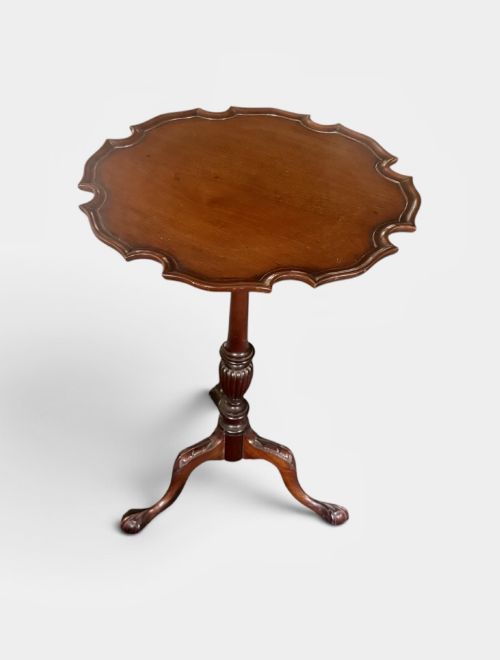
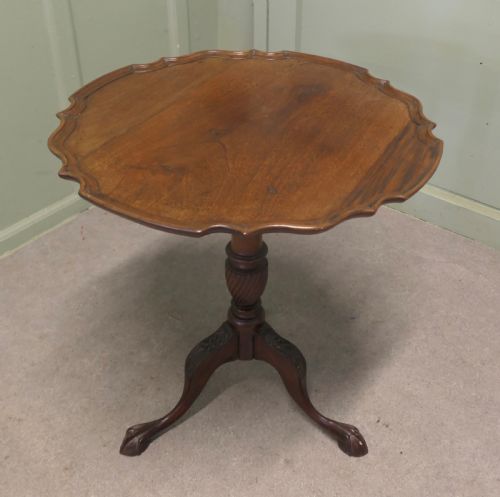
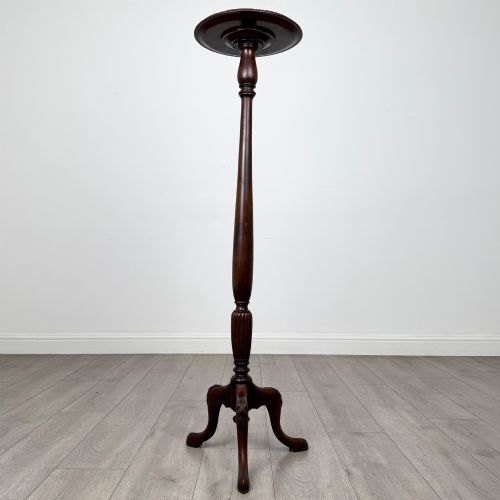
A georgian carved tripod stand brings classical proportion and nimble utility to a corner, most often seen here as a mahogany wine table or torchere.
Georgian Carved Tripod Stand
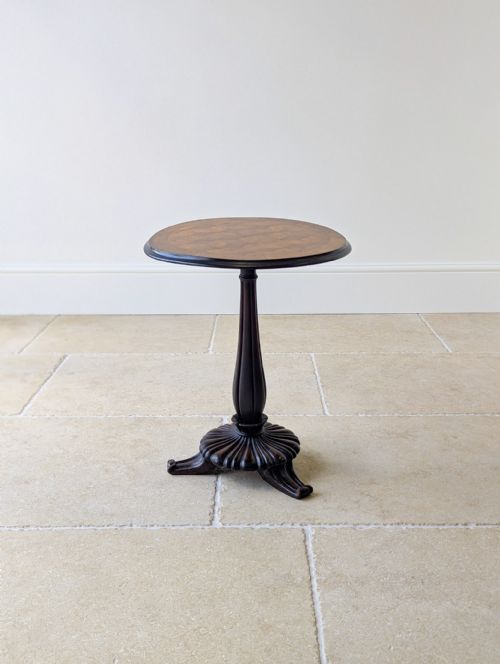
A georgian carved tripod stand is a slender piece designed to hold candles, kettles or plants on three splayed legs. The form spans occasional tables, wine tables, plant stands and torcheres originating from the eighteenth century onwards.
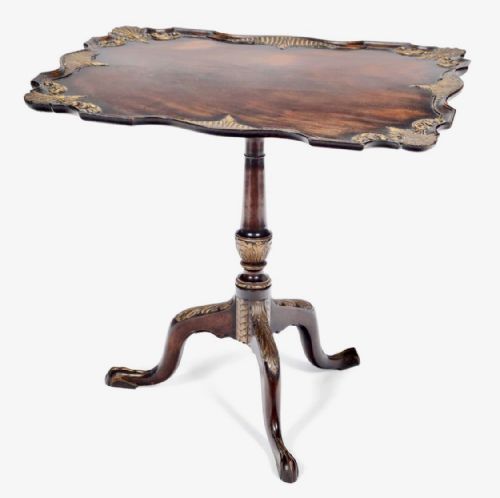
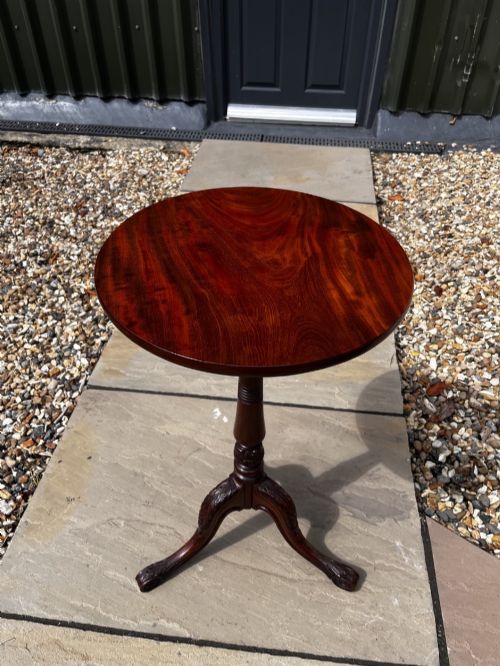
Mahogany dominates the surviving examples, often built with tilt tops or shaped edges for practical use beside a chair or in a hallway. Pieces range from straightforward George III designs to later Victorian and Edwardian interpretations.
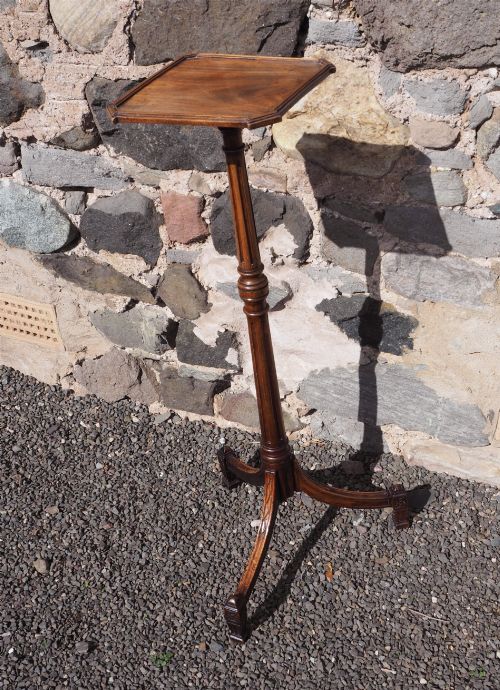
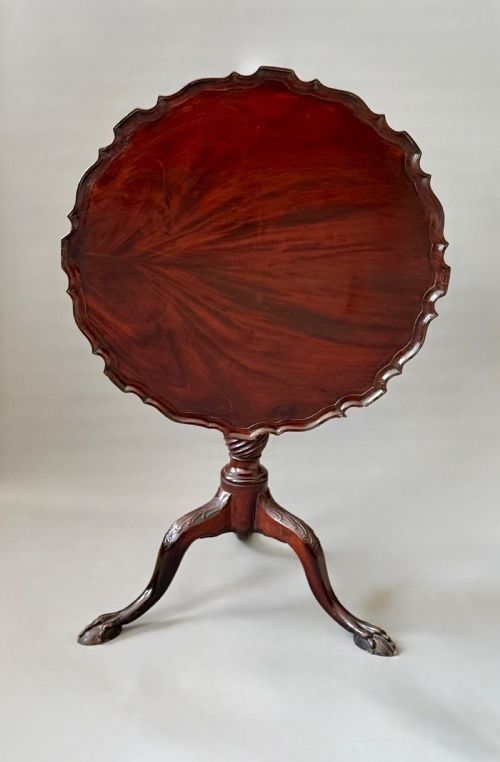
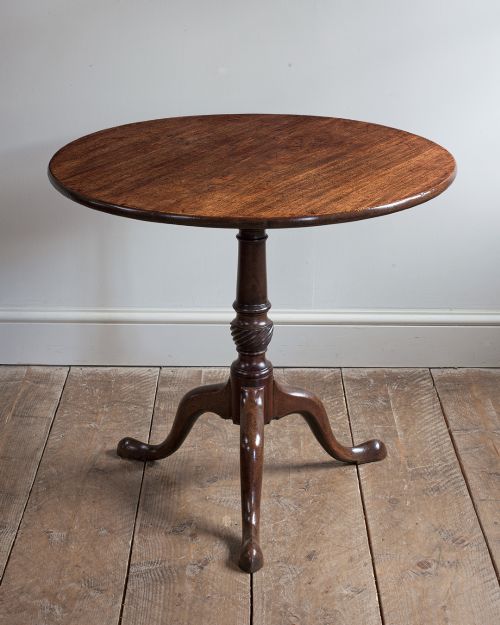
The layout typically relies on a central pillar rising from three shaped or cabriole legs. Variations include octagonal tops, pie crust rims and two tier arrangements intended for display.
Materials and construction
Cabinetmakers relied heavily on solid mahogany and walnut, occasionally incorporating rosewood, burr oak and boxwood stringing for contrast. Parcel gilt accents and brass fittings appear on select decorative examples.
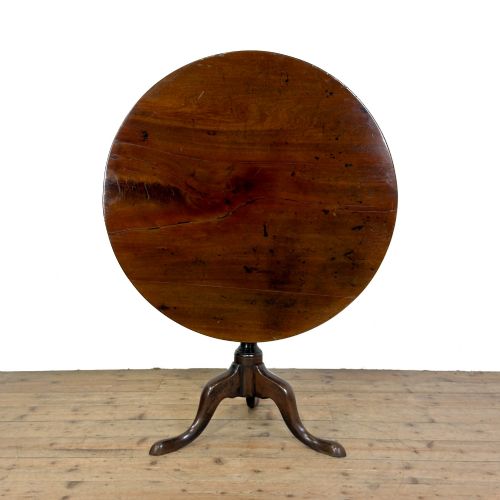
Turning and carving formed the core of the construction, shaping the central columns and the knees of the tripod bases. Tops were frequently fashioned as tilt tops, allowing the table to stow flat against a wall when not in use.
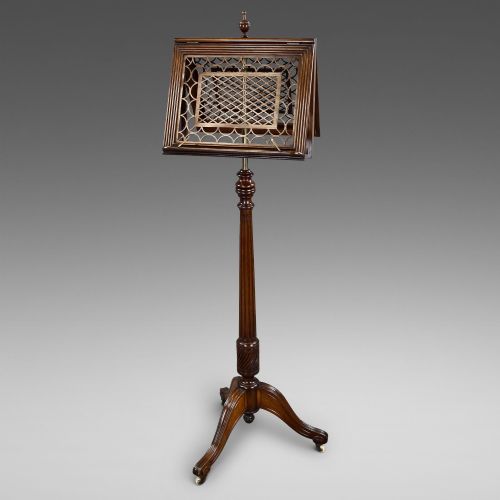
The inventory records multiple forms including torcheres, wine tables, kettlestands and standard lamps.
Distinctions in quality
The crispness of the hand carving on the knees, pillars and edges dictates the refinement of the piece. Sharp relief work and well proportioned column turnings separate ambitious workshop output from utilitarian items.
Timber selection and surface preservation define the upper tier of examples. Rich natural grain patterns in the mahogany or walnut, combined with patination accumulated over generations, elevate the status of a stand.
Gillow
The Georgian Carved Tripod Stand Glossary
- Tripod table
- A small occasional table supported by three legs radiating from a central pillar. This configuration provides steady placement on uneven floors.
- Torchere
- A tall stand designed to hold a light, candle or plant. These slender supports often feature elaborate carving along the shaft.
- Pie crust rim
- A raised, scalloped edge carved directly into the perimeter of the tabletop. It resembles pastry work and prevents items from sliding off.
- Tilt top
- A mechanism allowing the tabletop to pivot into a vertical position. This clever feature saved floor space when the stand was idle.
- Kettlestand
- A small low table intended to hold a tea kettle. They frequently appear with dished tops to secure the vessel safely.
Georgian Carved Tripod Stand: Frequently Asked Questions
How were these stands originally used?
These versatile pieces served numerous practical duties around the home, from holding tea kettles and wine decanters to supporting heavy candlesticks and floral displays. Their nimble footprint allowed servants to move them easily wherever light or service was needed.
Today they function flexibly as lamp tables, plant stands or decorative accents beside seating.
What woods should I expect to find?
Mahogany is by far the most common timber seen across these pieces, favoured for its strength and rich grain. Walnut, rosewood and oak also appear frequently, sometimes enhanced with flame veneers or boxwood stringing.
Selected decorative examples incorporate parcel gilt highlights on the carved elements.
How do I spot an earlier period piece?
Examining the construction methods underneath the top and around the block joint provides clear clues to the age of the piece. Eighteenth century examples often display traditional joinery, hand-turned pillars and specific carving styles associated with the Chippendale taste.
Later Victorian and Edwardian interpretations generally show machine assistance and heavier proportions.