

Georgian Carved Pier Glass
A georgian carved pier glass brings architectural rhythm to a room, hanging between windows where the light catches its gilded frame.
Georgian Carved Pier Glass
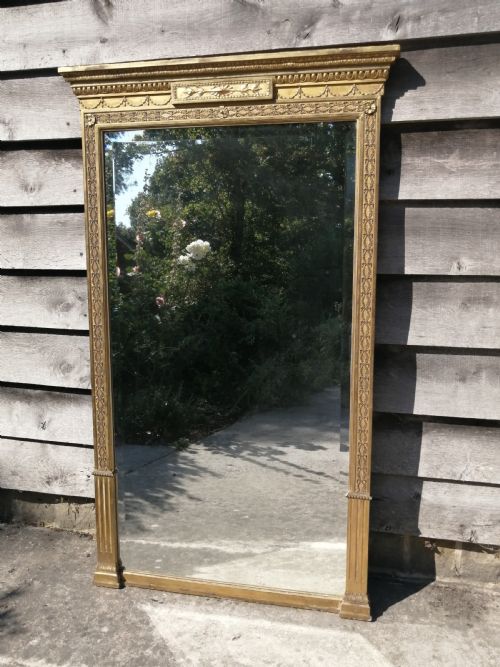
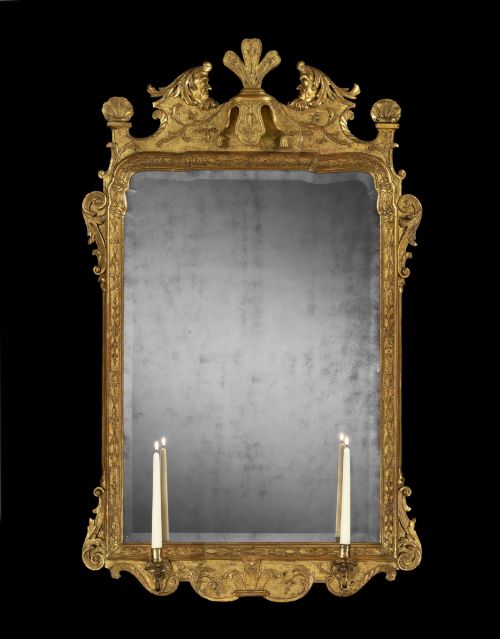
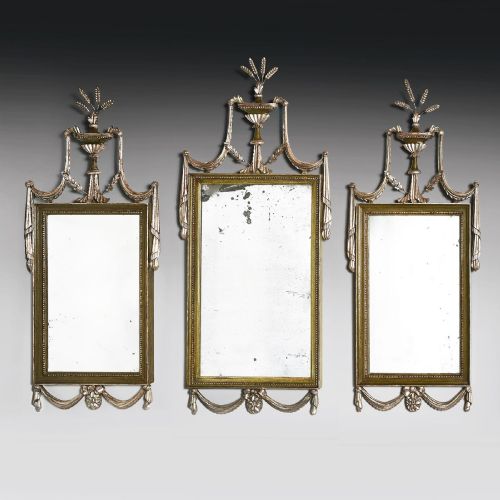
A georgian carved pier glass is a wall-hanging mirror designed specifically for the narrow expanse of wall between two windows, utilising natural light to brighten darker rooms. The listings show these pieces emerging primarily from the eighteenth century, spanning the reigns of George I, George II, and George III, alongside Regency interpretations.
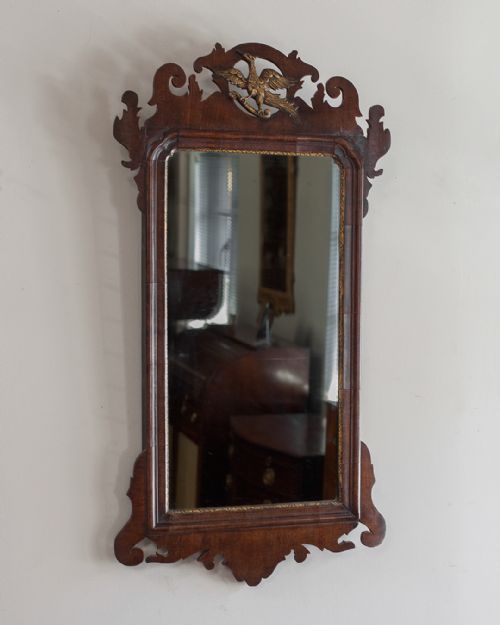
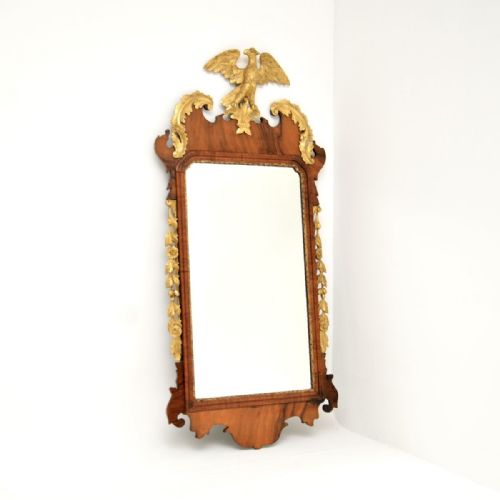
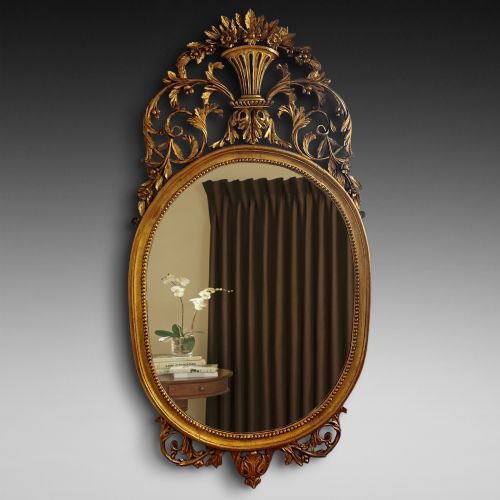
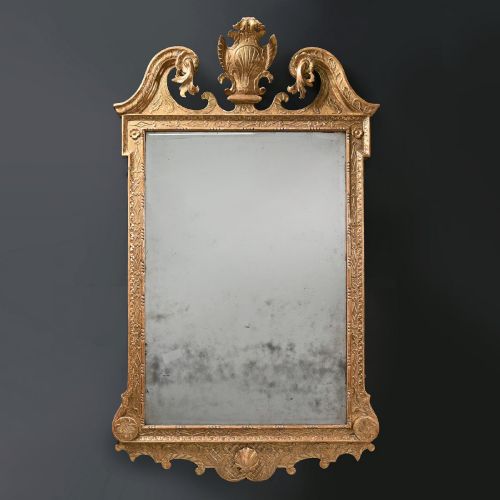
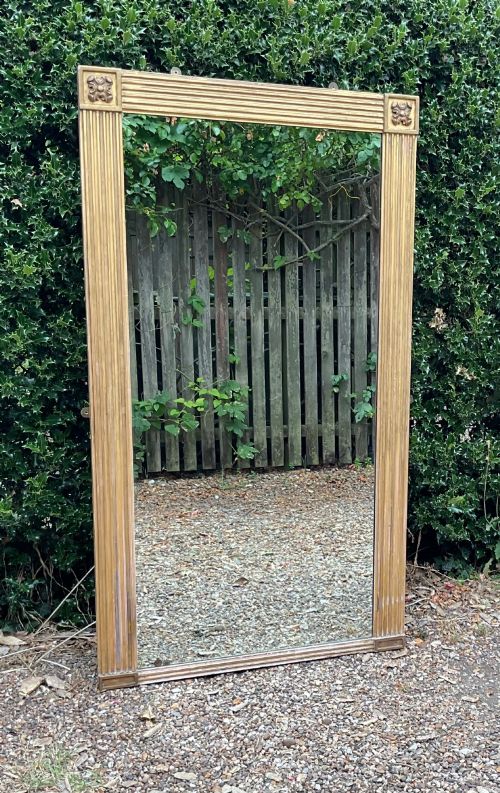
Buyers encounter walnut and mahogany frames alongside heavily giltwood and gesso examples. Architectural proportions dominate, frequently featuring rectangular or vertical formats tailored to wall piers.
Later nineteenth-century revivals also appear frequently, repeating the earlier Georgian styles with considerable skill.
Materials and Construction
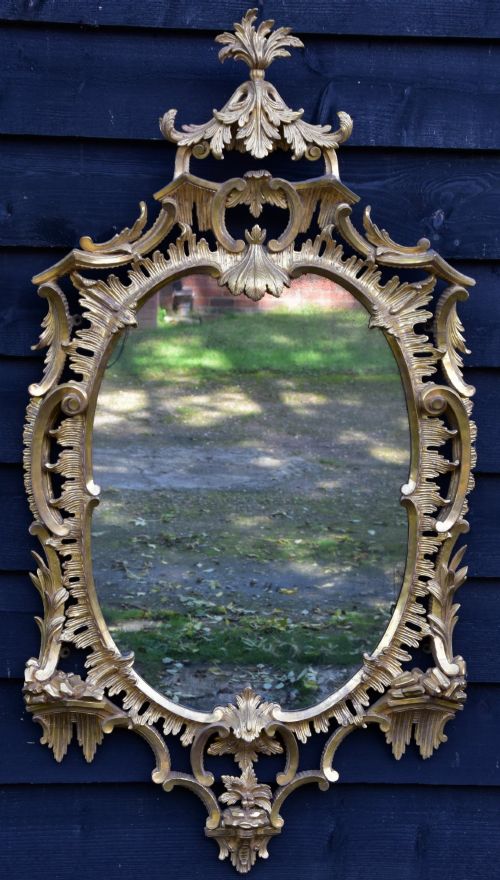
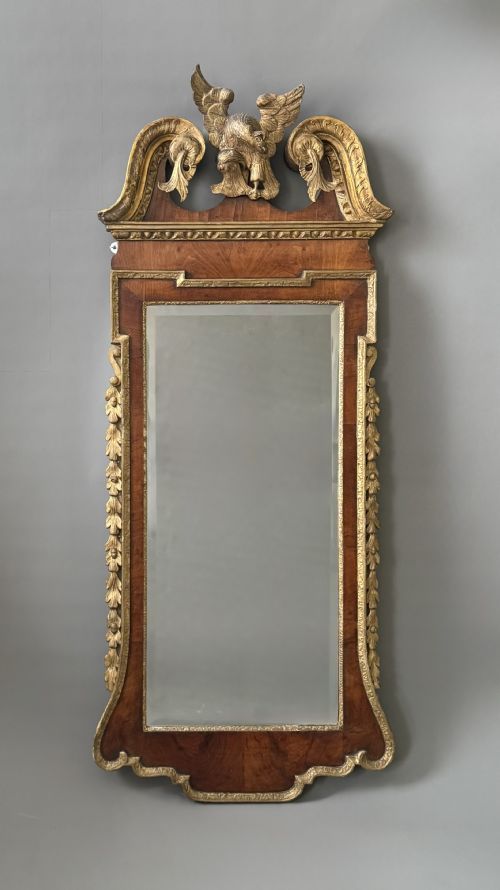
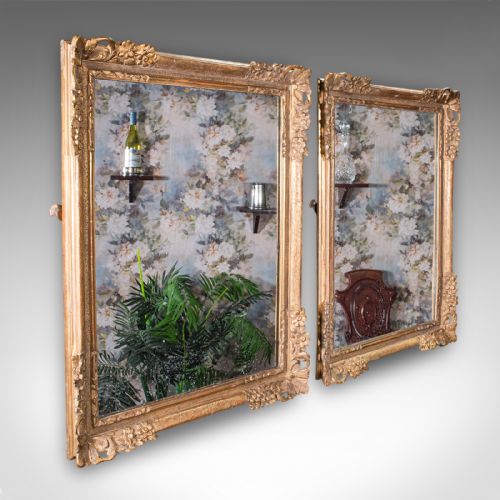
Craftsmen shaped these frames from dense timbers such as walnut, mahogany, and sycamore, often applying thin layers of gold leaf over carved wood and gesso grounds.
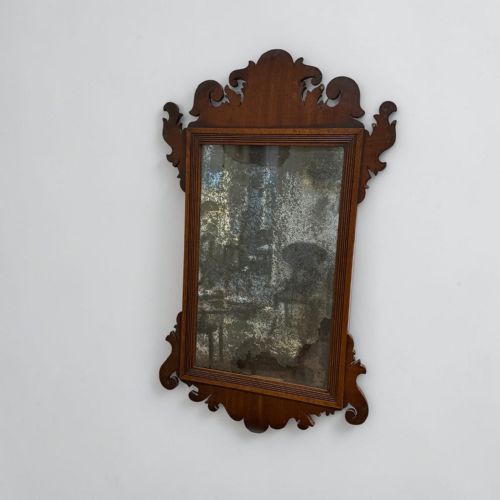
Mirror glass of the period involved thin sheets, sometimes retaining slight imperfections or original silvering that distinguishes antique plates from modern replacements.
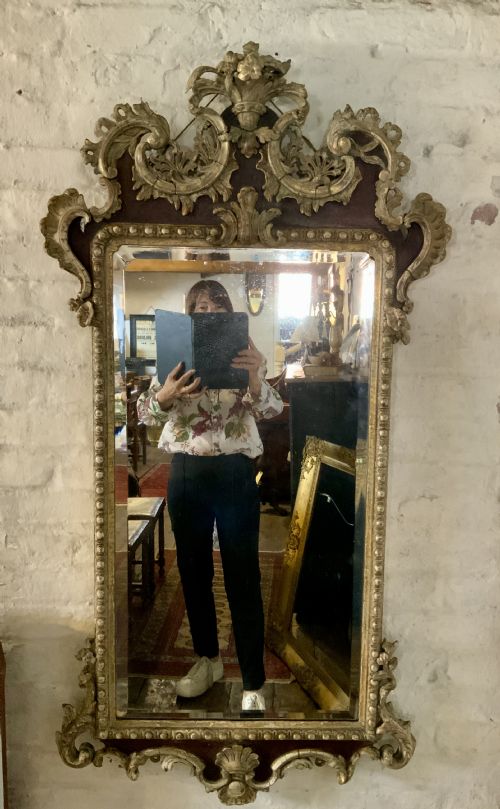
Carving and fretwork define the decorative elements, executed by hand to create intricate rococo scrolls, parcel-gilt accents, and architectural pediments.
Some pier glasses include tiny secret compartments hidden behind the frame moulding for storing love letters.
Assessing Quality and Execution
Quality rests in the crispness of the hand-carved detail and the depth of the gilding over the gesso ground. Superior frames retain sharp relief in their scrollwork and acanthus leaves rather than soft, moulded contours.
The integrity of the timber and the retention of original mirror plates or secondary pine backing boards separate fine workshop productions from standard commercial output.
Proportion dictates visual success, where mouldings and ornaments balance the vertical scale of the glass panel without heavy-handed symmetry.
Gillows Of Lancaster·William Kent·John Belchier·Chippendale
The Georgian Carved Pier Glass Glossary
- Pier glass
- A tall mirror designed to hang on the wall space between windows. These mirrors reflect additional light into the interior.
- Gesso
- A plaster-like mixture applied to wood frames to provide a smooth surface for gilding. Artisans carved directly into this layer once dry.
- Parcel gilt
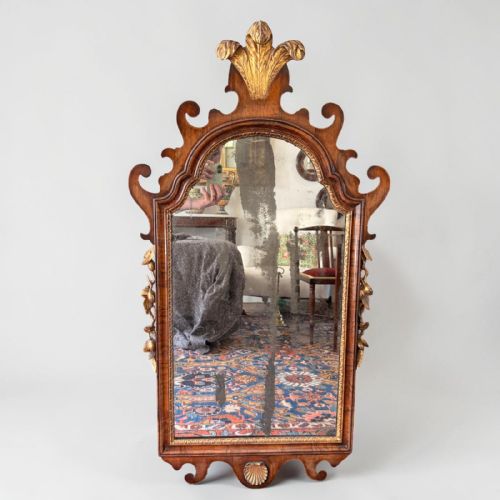
- A finishing technique where portions of a wood frame receive gold leaf while other areas show the natural grain of walnut or mahogany.
- Fretwork
- Openwork patterns cut from thin boards using a fretsaw. This technique creates delicate geometric or scrolling borders on eighteenth-century frames.
- Eglomisé
- A process of cold painting and gilding on the reverse side of glass panels. These decorated panels frequently appear at the top of Regency pier glasses.
Georgian Carved Pier Glass: Frequently Asked Questions
Where should a pier glass hang?
Historically, a georgian carved pier glass hung on the narrow wall pillar between two windows where it maximised daylight reflection.
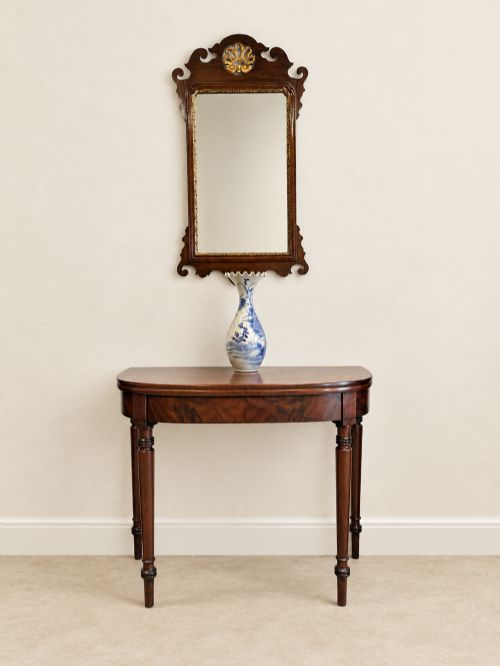
Today, they function effectively above mantelpieces or low console tables in hallways and reception rooms.
How do I spot a later revival?
Revival pieces from the nineteenth or twentieth century often utilise machine-sawn timbers and heavier backing constructions.
Examination of the gesso ground and tool marks reveals whether the carving dates to the original eighteenth-century period.
Are the mirror plates original?
Many antique glasses have undergone replacement over centuries due to silver degradation or breakage.
Original plates typically display light oxidation, minor foxing, and slight waviness across the surface.
What distinguishes walnut from mahogany frames?
Walnut frames tend to date from the earlier reigns of George I and George II, showing rich grain patterns and warm brown tones.
Mahogany became dominant later in the eighteenth century during the George III and Chippendale periods.