
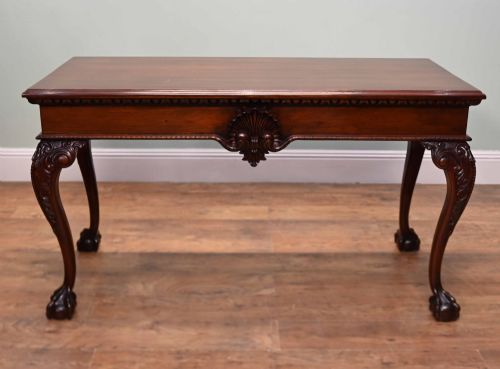
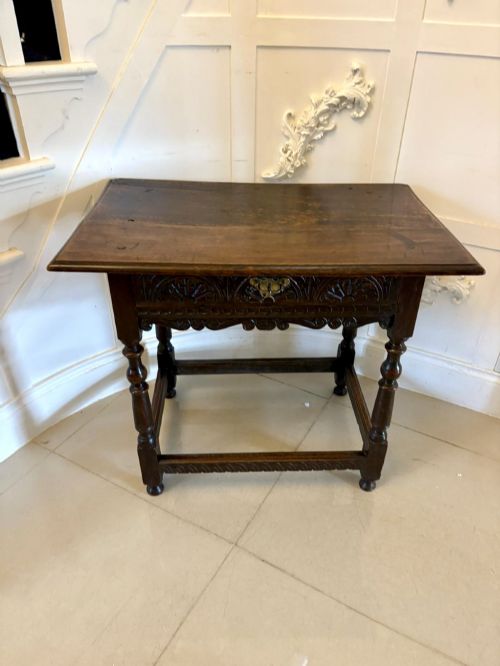
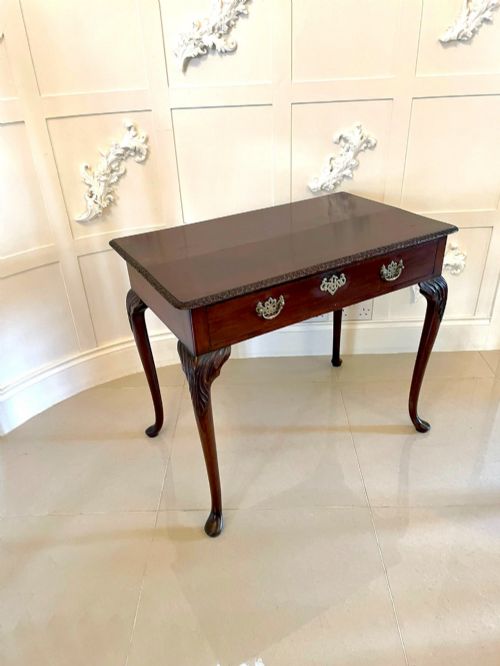
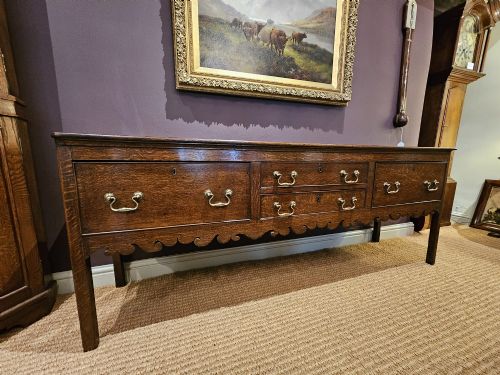
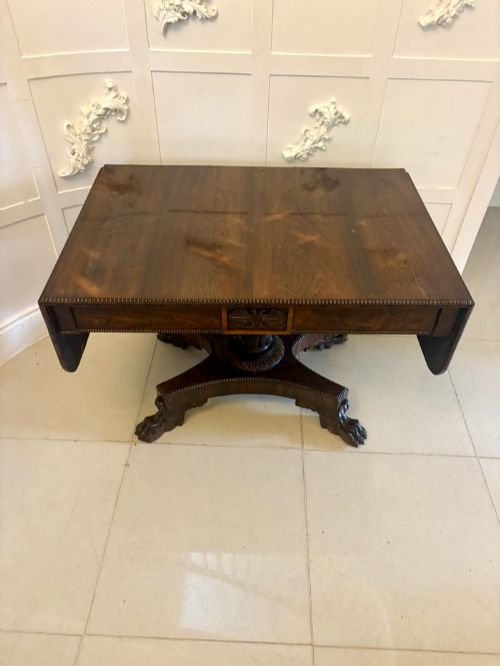
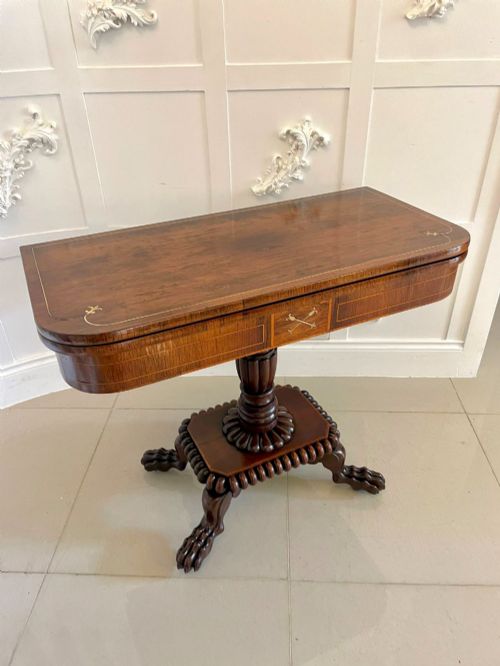
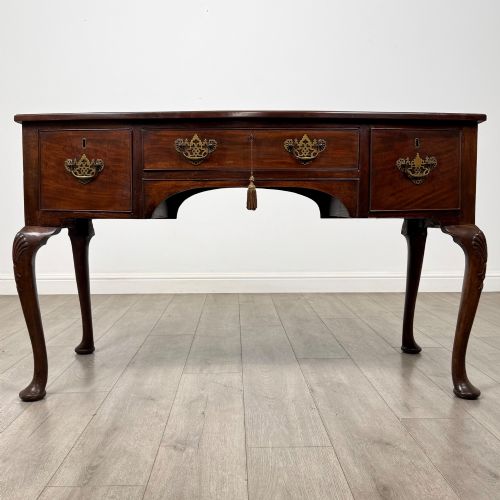
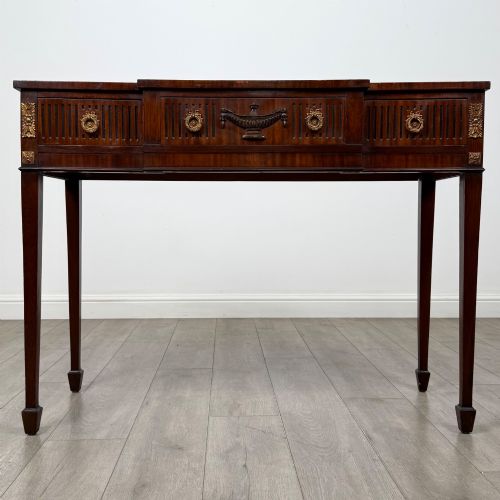
Georgian Carved Console
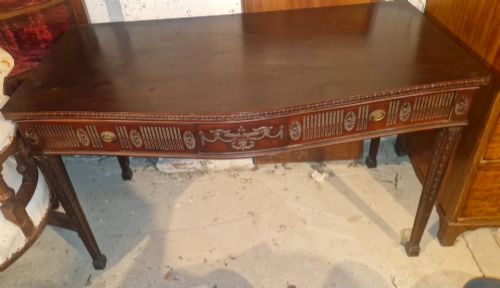
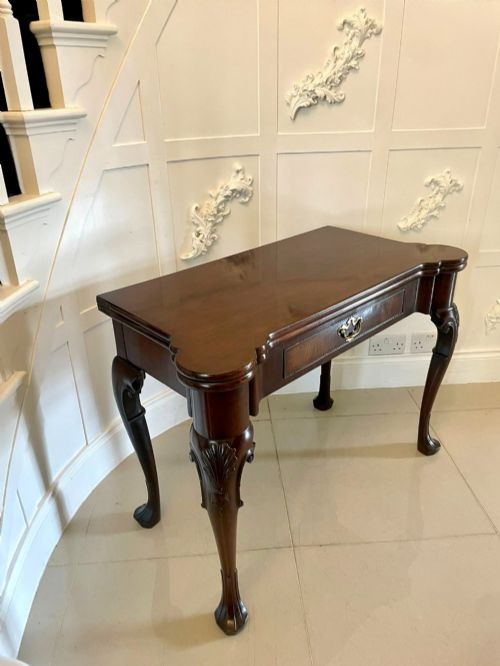
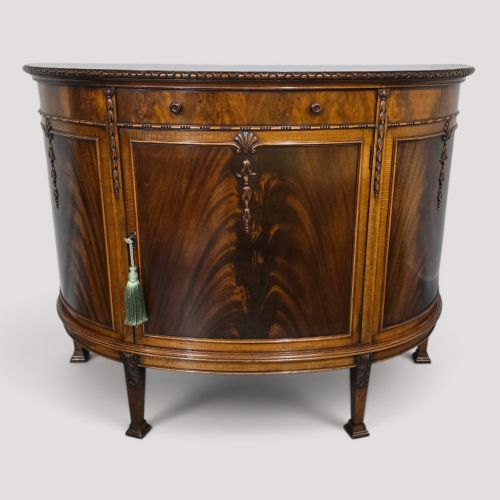
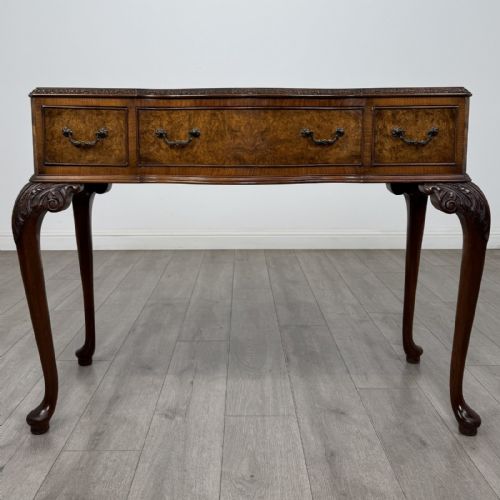
When you want a georgian carved console, you are choosing a piece defined by architectural presence and substantial timber.
Georgian Carved Console
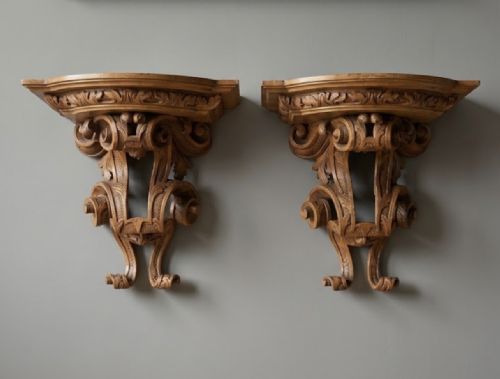
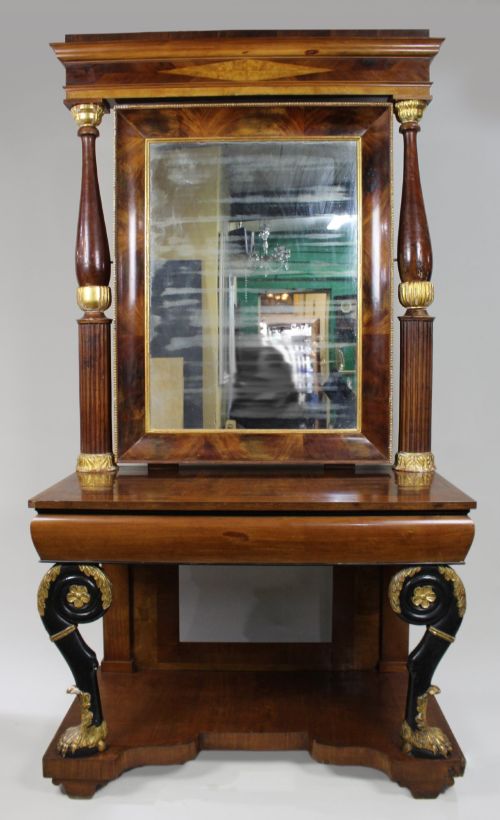
A georgian carved console brings distinct period character to a hallway or principal room, functioning as a primary display surface against a wall. The pieces collected under this search phrase span centuries of cabinetmaking, ranging from authentic 18th-century examples to later revival interpretations.
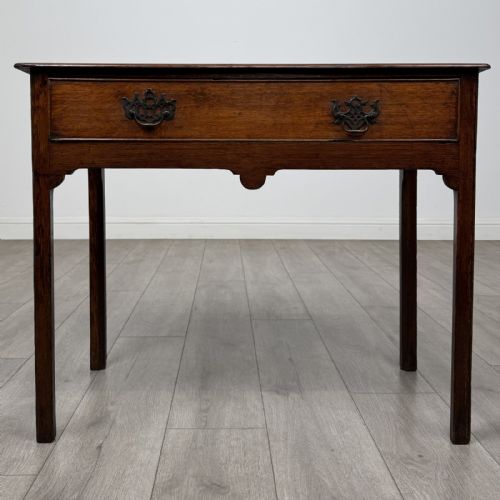
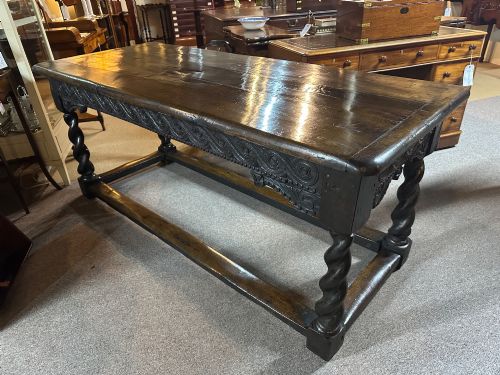
Mahogany and oak dominate the forms seen here, frequently accompanied by walnut, burr walnut, rosewood, marble, and gilt finishes. Beyond consoles, the selection includes side tables, serving tables, card tables, and lowboys that share similar architectural lines and carving traditions.
Materials and construction
Cabinetmakers utilised dense hardwoods like mahogany, oak, walnut, and rosewood, often pairing timber frames with heavy marble tops or decorative gilt surfaces. Construction relied on traditional joinery methods suited to supporting weight against a wall.
Carving was executed directly into the solid timber or onto applied mouldings, while specialist pieces incorporated brass inlays or painted neo-classical and Adam style details.
Listings span the Georgian, Victorian, and Edwardian eras, alongside 20th-century revival periods.
Evaluating the range
The distinction between standard and exceptional pieces rests upon the crispness of the carved detail and the integrity of the timber. Finely executed mouldings and proportional balance elevate a piece significantly above simpler vernacular examples.
Original surface patination and untouched structural elements determine the standing of an antique, separating well-preserved originals from later revival interpretations.
Giles Grendey
The Georgian Carved Console Glossary
- Lowboy
- A small oak or walnut dressing table or side table, typically featuring one or more rows of drawers beneath a flat top. They frequently stand on cabriole legs.
- Concertina action
- A table mechanism that expands outwards via a folding frame to support a doubled-over top, common in gaming and card tables. This design allows the framework to extend evenly.
- Pier table
- A side table designed specifically to fit against the wall between windows, often positioned beneath a matching mirror. They frequently incorporate giltwood and marble.
- Giltwood
- Timber coated with a thin layer of gold leaf or metallic powder over a prepared gesso ground. This finish creates a bright decorative surface.
- Patina
- The surface sheen and colour acquired by wood over decades of handling and polishing. It serves as an indicator of age and continuous care.
Georgian Carved Console: Frequently Asked Questions
Where should I place a console table?
These tables suit hallways, entrance passages, and principal reception rooms where they sit flat against a wall for display.
They provide a surface for lamps or decorative objects without occupying significant floor space in narrow areas.
How do I care for antique mahogany and oak?
Maintain timber surfaces by applying traditional wax polish sparingly and buffing with a soft cloth to preserve the patina.
Keep pieces away from direct heat sources and strong sunlight to prevent the wood from drying and splitting.
What is the difference between a console and a side table?
Console tables were traditionally designed to stand against a wall, sometimes requiring physical attachment or resting on brackets for stability.
Side tables are fully freestanding items of furniture with four independent legs finished on all sides.
How can I tell an 18th-century piece from a revival piece?
Examine the construction methods, timber shrinkage, and tool marks visible on the secondary woods inside the drawers and framework.
Revival pieces from later centuries often display machine-cut elements and standardised proportions distinct from older cabinetwork.