
Georgian Cabriole Leg Chest
A georgian cabriole leg chest brings together shaped supports and formal drawer storage from eighteenth-century and revival periods.
Georgian Cabriole Leg Chest
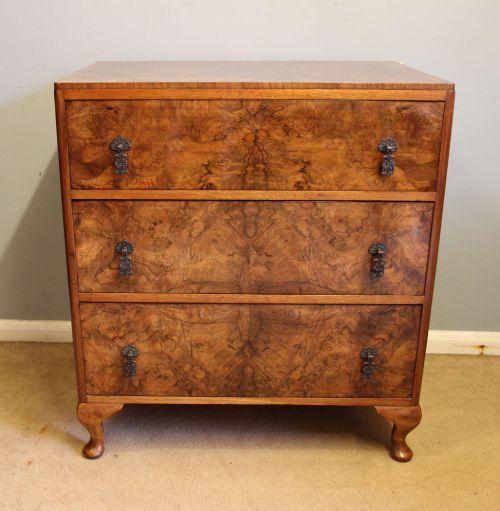
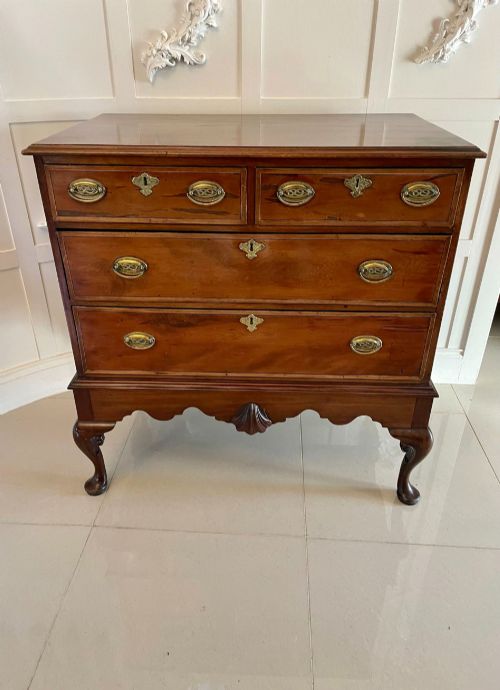
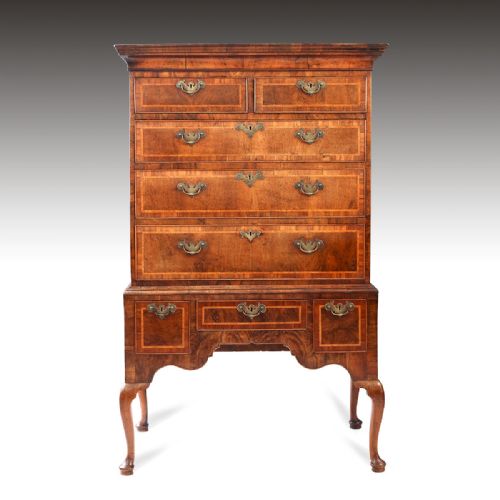
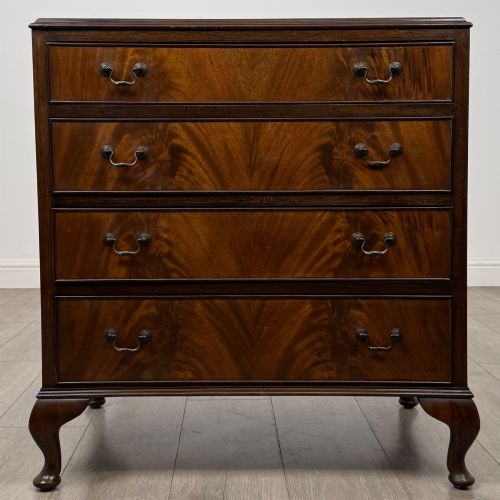
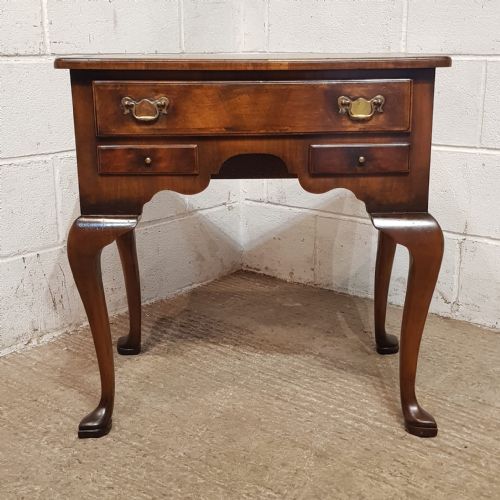
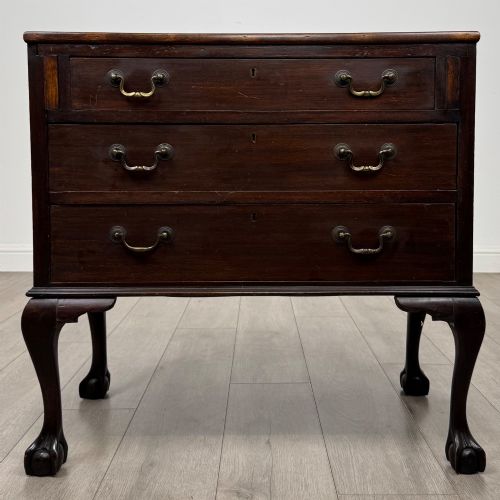
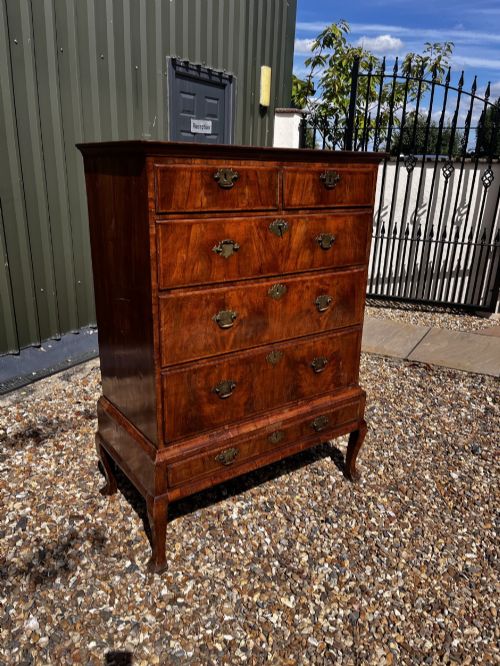
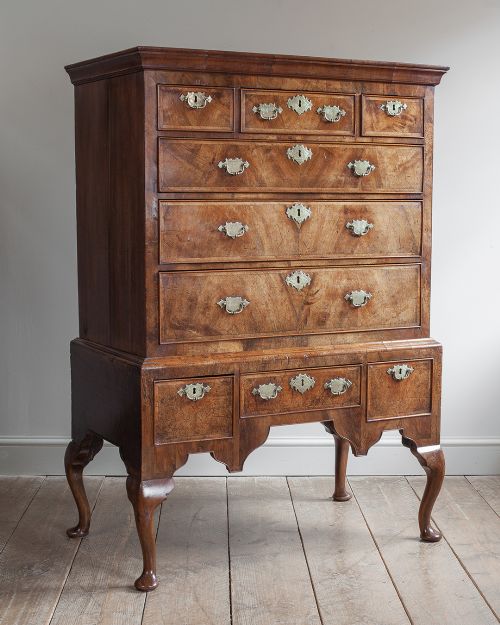
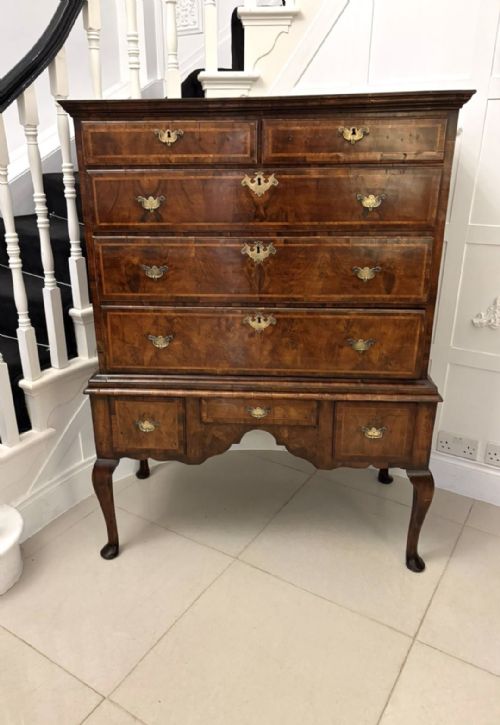
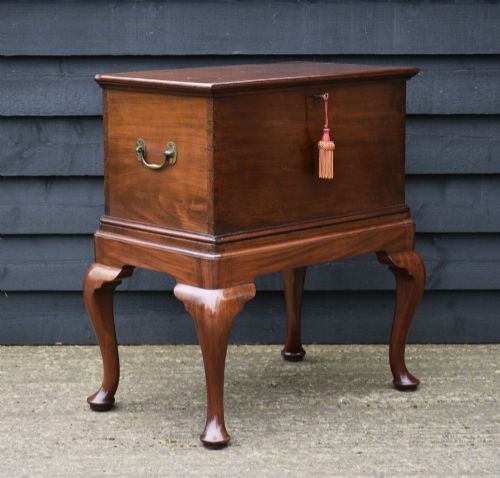
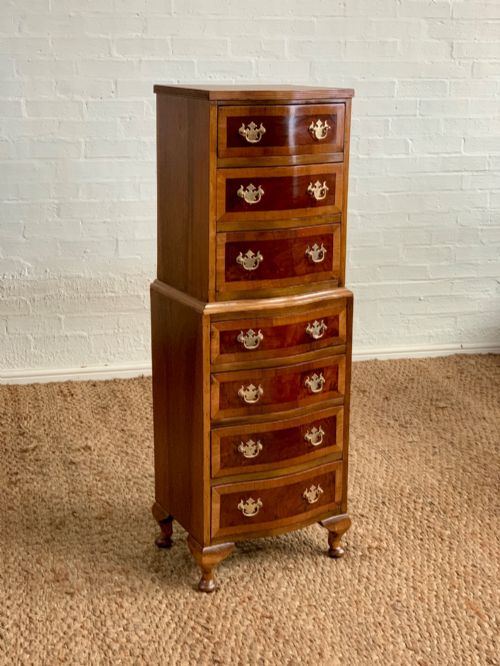
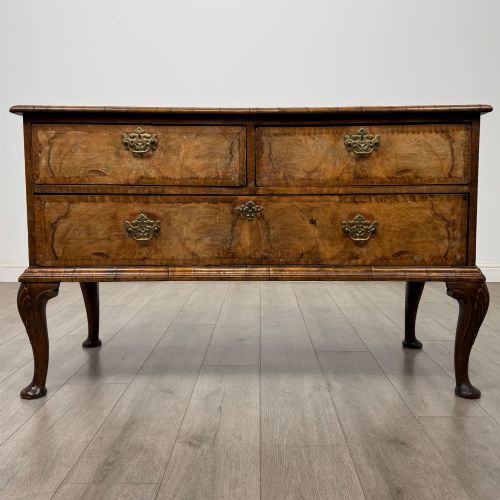
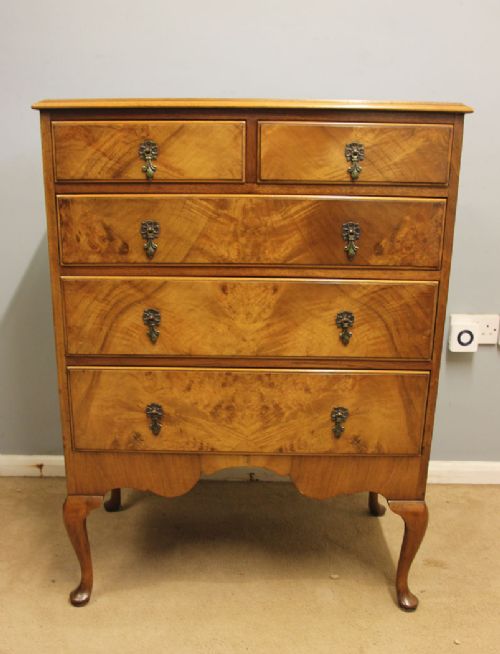
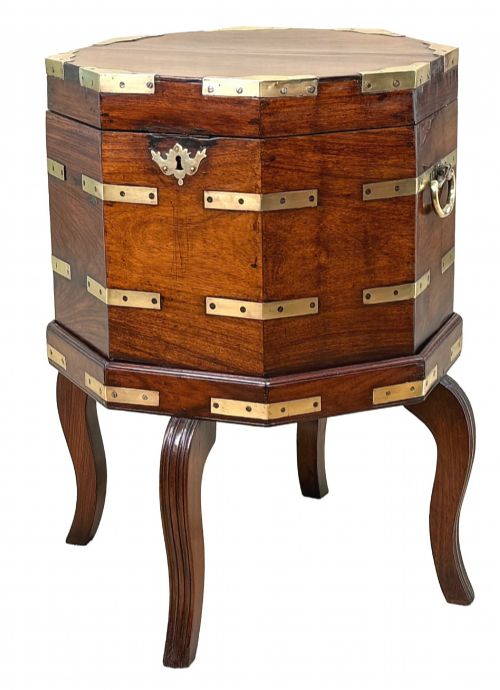
A georgian cabriole leg chest encompasses a variety of forms including chests on stand, lowboys, and standard drawer configurations originating primarily from the eighteenth century alongside later revival periods. Buyers seeking this phrase often encounter elevated forms where the main body rests upon slender, curved legs rather than sitting directly on the floor. The selection ranges from compact bedside cabinets and side tables to substantial tallboys and two-piece units.
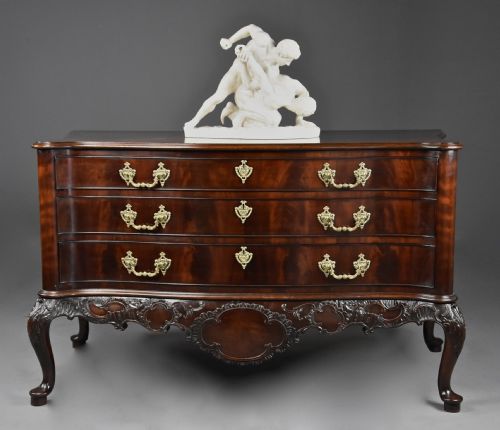
The materials span native and exotic timbers, showing walnut, burr walnut, mahogany, oak, and padouk, frequently paired with brass hardware. Pieces appear in distinct stylistic iterations, including Queen Anne, George I, George II, and George III designs, as well as twentieth-century revivals. This mix provides options suited to both period interiors and modern settings requiring traditional character.
How they were made
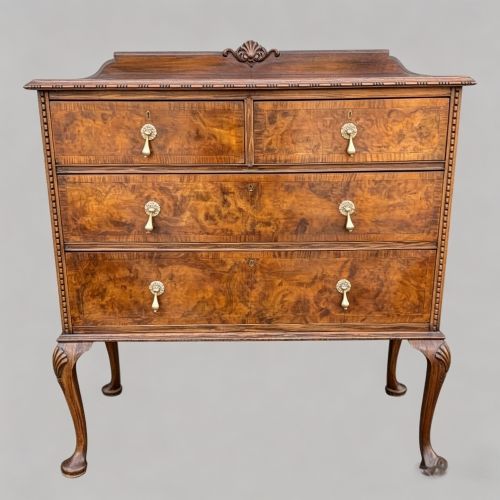
Construction relies heavily on cabinet-making traditions utilising solid timbers and veneers applied to secondary woods. Walnut and mahogany predominate, often selected for figured grains or burr patterns that create visual movement across drawer fronts and surfaces. Brass handles, escutcheons, and hinges provide functional contrast to the dark and warm tones of the timber.
The characteristic legs involve shaping and carving wood to form the double curve of the cabriole style, sometimes terminating in pad feet. Chests on stand and lowboys combine frame construction with fitted drawer boxes, whilst tallboys utilise multi-section stacking methods to achieve height without losing structural stability.
Listings span cabinet work from the seventeenth century through to 1930s revival pieces, utilising mahogany, oak, and burr walnut.
What varies in quality
The refinement of the timber selection dictates much of the visual appeal, particularly where highly figured burr walnut or carefully matched mahogany veneers are employed. Superior examples demonstrate precision in the grain alignment across multiple drawers and surfaces, whereas lesser pieces display random or mismatched figuring.
The execution of the curved legs and their integration with the frame distinguish finer craftsmanship from standard production. Well-proportioned cabriole supports maintain balance and graceful movement, while inferior versions appear heavy or lack crisp definition in their shaping.
The Georgian Cabriole Leg Chest Glossary
- Cabriole leg
- A furniture support curved in a double sweep, resembling the leg of an animal. This form became prominent during the early eighteenth century and defines the aesthetic of many stands and lowboys.
- Chest on stand
- A case piece comprising an upper drawer section mounted upon a separate or integrated low table base with legs. This configuration lifts storage off the floor to create a lighter silhouette.
- Walnut veneer
- A thin layer of decorative walnut timber applied to a secondary wood carcase. Cabinet-makers utilised this technique to display intricate grain patterns across large surfaces.
- Lowboy
- A small table with one or more rows of drawers, functioning traditionally as a dressing table or side table. These pieces often feature the same leg forms found on larger chests on stand.
- Padouk
- A dense tropical hardwood displaying rich red or brown tones, utilised in specific export and regional furniture pieces. Its durability allowed for crisp detailing in carved elements.
Georgian Cabriole Leg Chest: Frequently Asked Questions
What is a cabriole leg chest?
A cabriole leg chest is a storage piece that stands on curved, S-shaped legs rather than a solid plinth or bracket feet. These forms include chests on stand, lowboys, and tallboys.
They combine drawer storage with elevated frames, creating a lighter visual presence in a room while maintaining functional capacity for clothing or household items.
How do I tell an 18th century piece from a revival?
Distinguishing period pieces from Edwardian or 1920s revivals requires examining the construction methods, timber ageing, and secondary woods used inside the drawers. Eighteenth-century examples exhibit hand-cut joints and period-specific fixings.
Revival pieces often display uniform mechanical tooling and modern backing timbers, even when utilising older styles like Queen Anne or George II designs.
Where were lowboys used in the home?
Lowboys served primarily as dressing tables or side tables in bedrooms and reception rooms during the Georgian period. Their compact drawer arrangement kept personal items close to hand.
In modern interiors, they function well as hallway tables, small desks, or living room accent furniture due to their modest footprint.
What woods are common in these chests?
Walnut, mahogany, and oak form the primary materials across these listings, alongside decorative veneers like burr walnut. Oak typically appears in earlier or regional pieces, while mahogany dominates later eighteenth-century work.
Selection depends on the specific era, with revival items frequently celebrating the rich grain patterns of figured walnut.