



Georgian Buttoned Chair
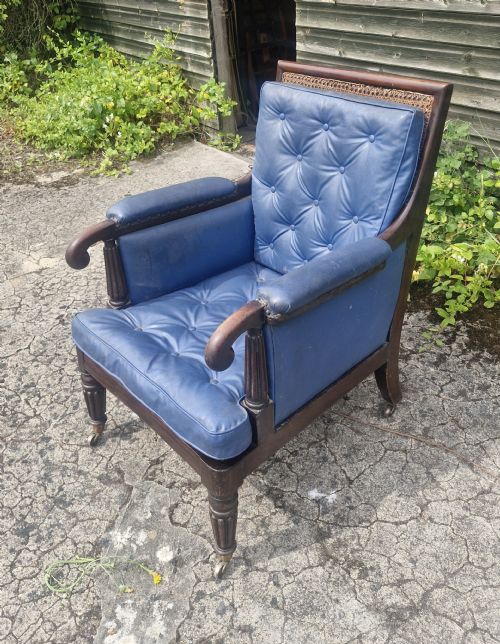
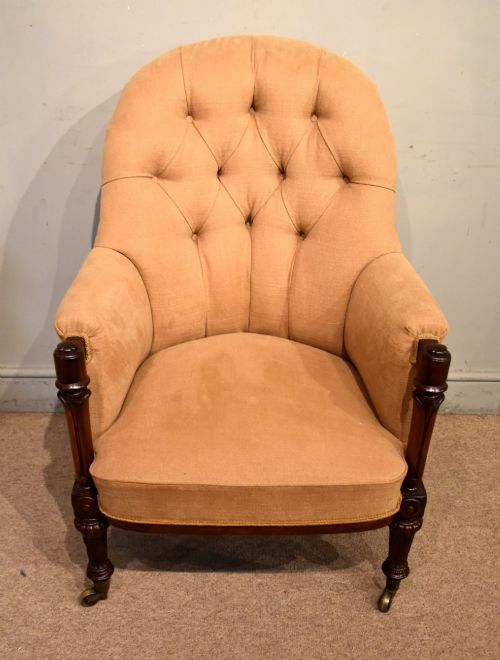
A georgian buttoned chair brings deep leather upholstery and solid timber frames into a room, offering historic seating built for comfort and study.
Georgian Buttoned Chair
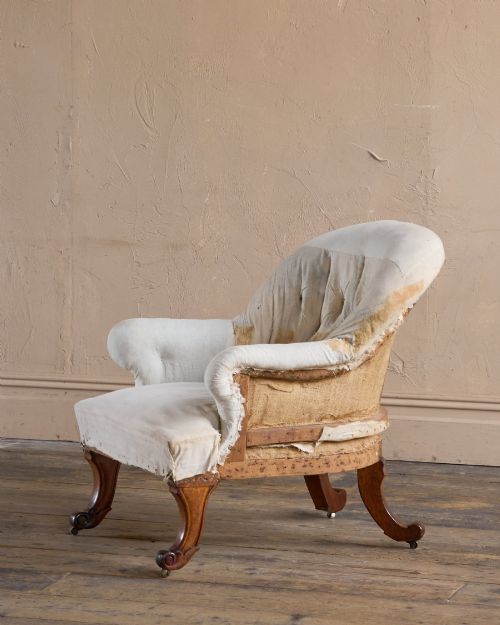
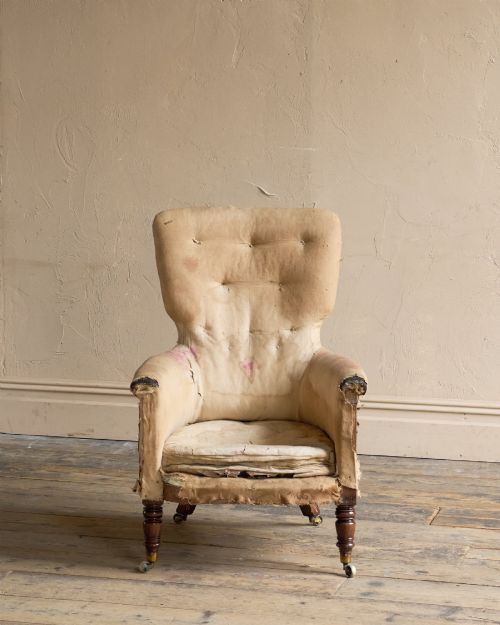
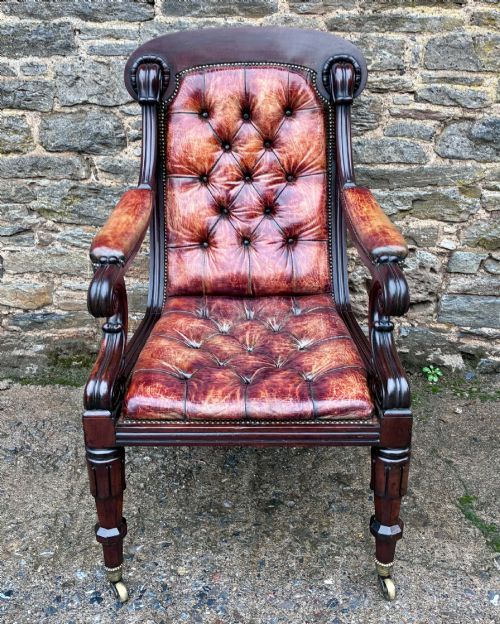
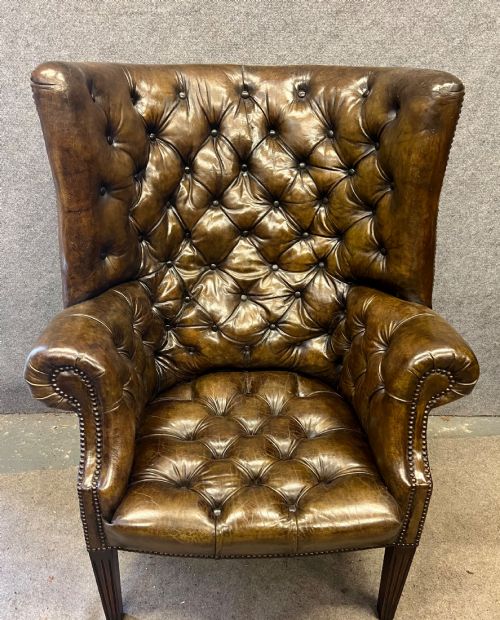
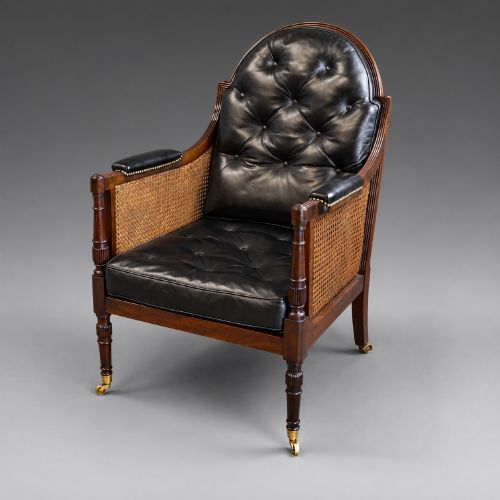
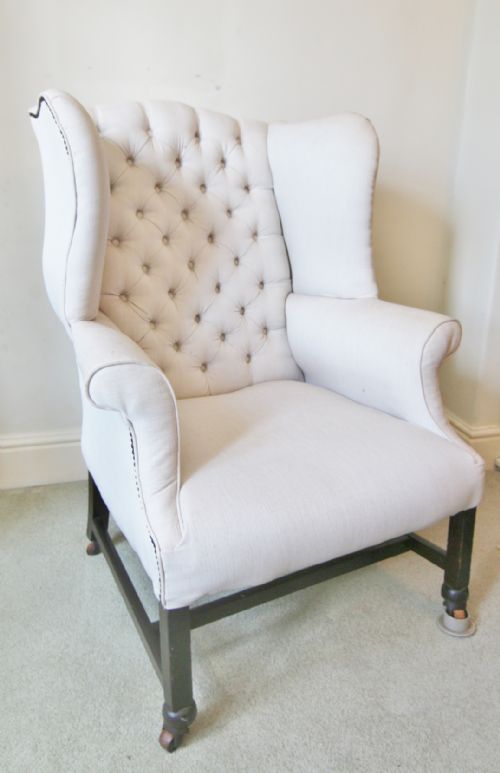
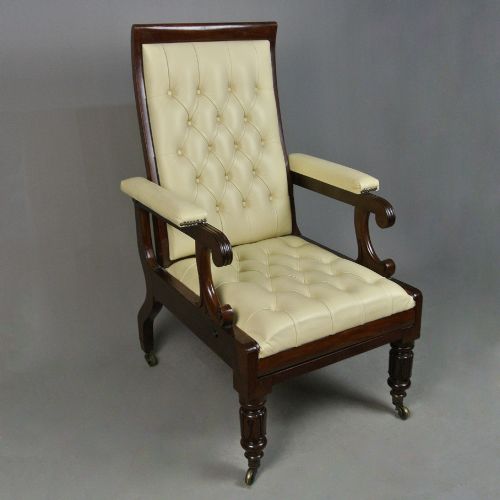
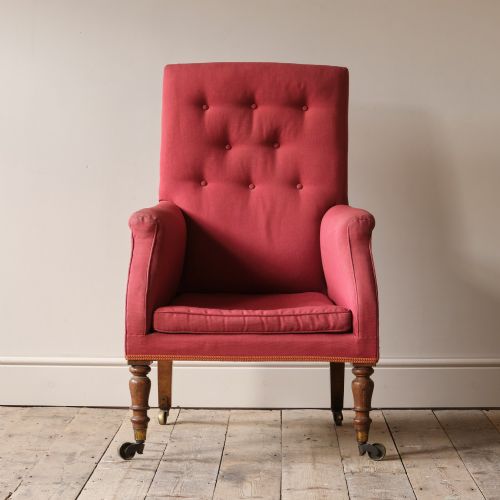
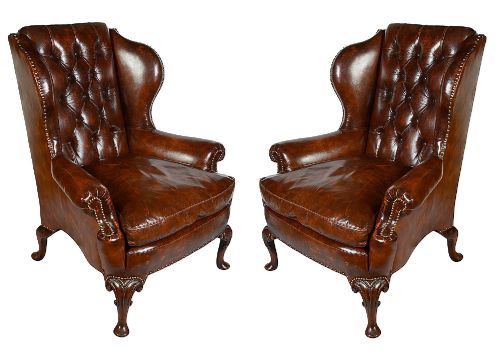
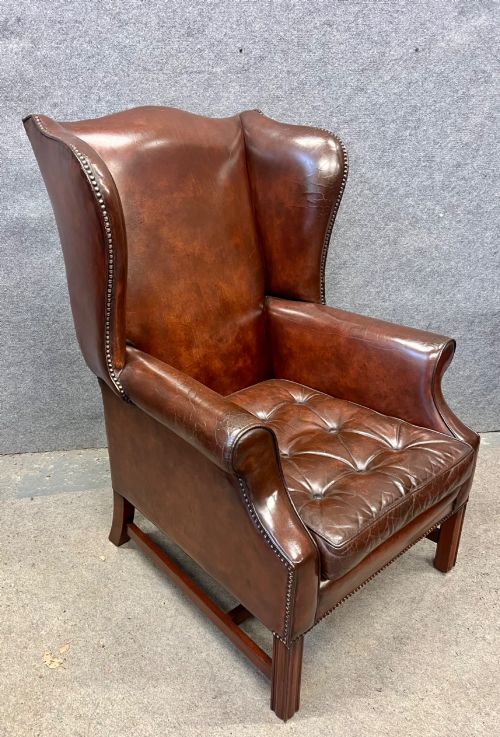
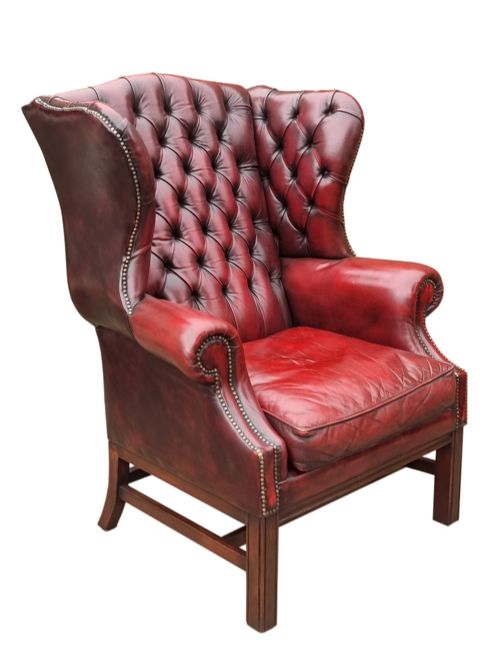
A georgian buttoned chair encompasses sturdy library armchairs, wing chairs, and reclining seats designed for sustained reading and relaxation. Buyers searching this phrase look for deeply padded upholstery paired with traditional wooden frames originating from the eighteenth century onwards.
The selections on this page span genuine period examples alongside later revivals from the nineteenth and early twentieth centuries. Mahogany forms the backbone of these pieces, often paired with brass detailing and supple leather hides.
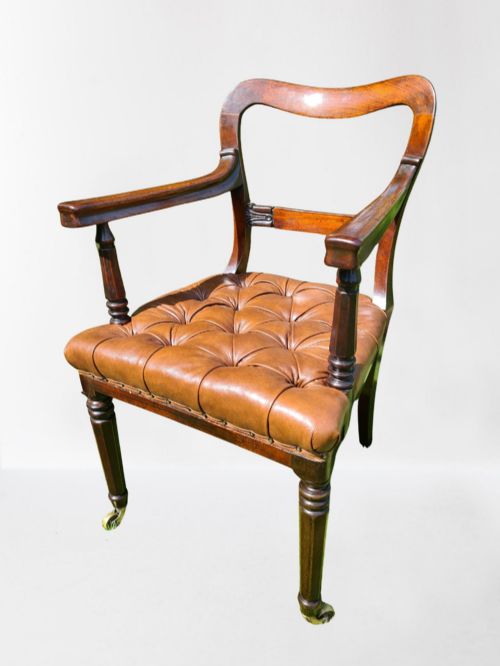
Forms vary from high-backed winged variants to specialised reading and desk chairs. Each piece reflects the functional seating demands of gentleman's libraries and studies across successive eras.
Materials and Construction
Timber frames rely heavily on solid mahogany and oak, chosen for structural strength and rich grain. Woodworkers shaped these timbers into curved armrests, cabriole legs, and supportive back structures.
Upholstery techniques involve durable leather hides secured with brass tacking and deep buttoning. Caning also appears on specific bergere models, woven closely to form breathable seat and back panels.
Complex mechanical elements feature in specialised reclining and patent chairs from the nineteenth century. These incorporate brass ratchets and pivoting mechanisms to adjust the angle of the backrest.
Georgian Buttoned Chair Retail Price Guide 2026
Typical asking prices for georgian buttoned chair among the pieces listed under this phrase on Sellingantiques today, from the lower quarter to the upper quarter. They describe what is for sale here now, not the wider market.
Cockfighting chairs allowed sitters to straddle the seat backward, resting their arms on a padded top rail.
Assessing Quality and Character
Quality rests in the integrity of the timber frame and the depth of the carving. Superior pieces display crisp hand-carved details on the arm terminals and legs rather than soft, flat moulding.
The handling of the leather upholstery dictates the visual weight of the chair. Hand-dyed hides with natural patination and precise button tension outlast uniform modern replacements.
Patent mechanisms and specialised hardware must operate smoothly where present. Original brass castors and functional reclining ratchets elevate the standing of a library or reading chair.
Minter·Daws Patent
The Georgian Buttoned Chair Glossary
- Bergere
- An enclosed upholstered armchair with wooden framing, often featuring cane panels on the sides and back. This French-inspired form provides a lighter visual presence in a library.
- Gainsborough
- A wide, low-seated open armchair designed for writing desks, featuring padded armrests and upholstered back support. These chairs typically stand on straight or carved legs.
- Wingback
- A high-backed armchair with flanking side panels designed to shield the sitter from drafts. These panels extend downward to form padded armrests.
- Curule
- A form of X-shaped cross-frame support derived from classical Roman furniture. This structural style appears on specific nineteenth-century library armchairs.
- Patent chair
- Seating incorporating mechanical adjustments for reclining or reading, developed during the industrial period. These utilise specialised brass ratchets and pivoting frames.
Georgian Buttoned Chair: Frequently Asked Questions
How do I identify a genuine period piece?
Examine the timber construction beneath the upholstery, looking for hand-cut joinery and period-appropriate wood ageing. Tool marks and construction methods offer reliable clues to the age of the frame.
Compare the proportions and carving styles against documented examples from the eighteenth and nineteenth centuries. Secondary woods used in the hidden frame sections also help confirm the era of manufacture.
Were these chairs used only in libraries?
Library spaces served as the primary home for these heavy upholstered seats, offering comfort for reading and writing. Gentlemen also utilised them in studies and withdrawing rooms.
Writing slopes and reclining functions indicate they were built for active study. Their robust construction suited long hours of sitting in private rooms.
How should I care for antique leather upholstery?
Maintain antique leather by applying specialist balms to prevent the hide from drying and cracking. Keep the leather away from direct sunlight and heat sources to preserve the finish.
Dust the buttoned crevices regularly with a soft brush to prevent dirt accumulation. Avoid harsh chemical cleaners that strip the natural patination.
What is the difference between Georgian and Regency styles?
Georgian furniture emphasises classical proportions, often featuring rich mahogany, intricate carvings, and substantial wingback forms. The earlier eighteenth-century pieces lean toward architectural symmetry and solid dignity.
Regency design incorporates classical Greco-Roman influences, introducing curule frames, saber legs, and brass inlay. These nineteenth-century pieces often feel lighter and more experimental in their mechanics.