

Georgian British Art
Georgian british art brings together oil paintings, portrait miniatures and engravings that capture the distinct character of the eighteenth and early nineteenth centuries.
Georgian British Art
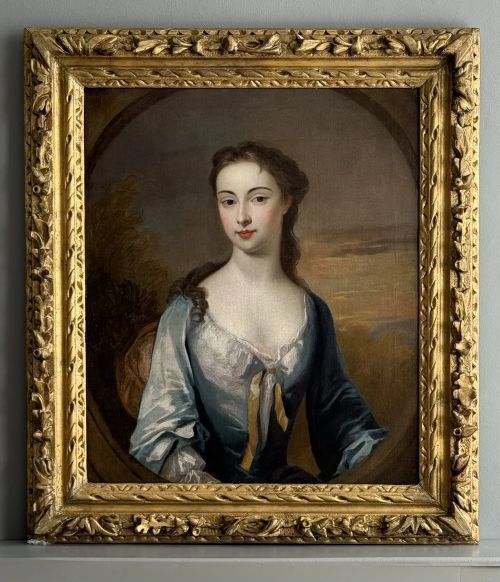
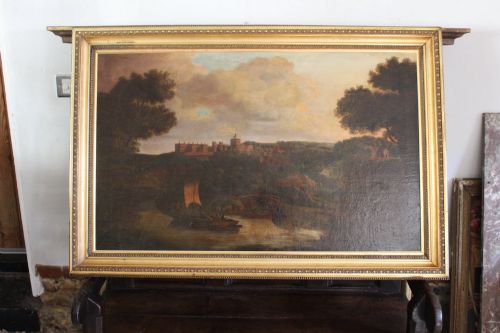
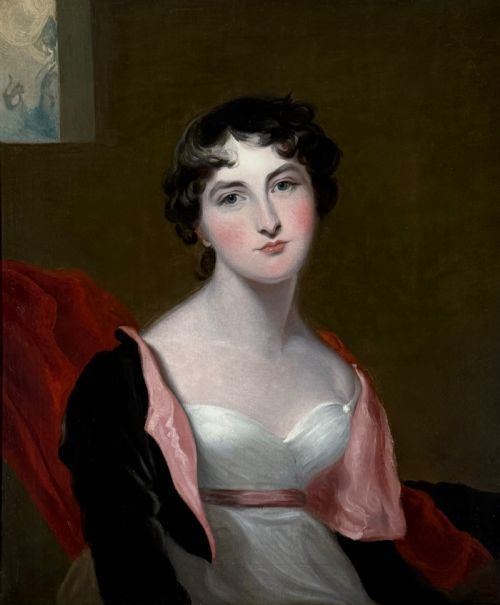
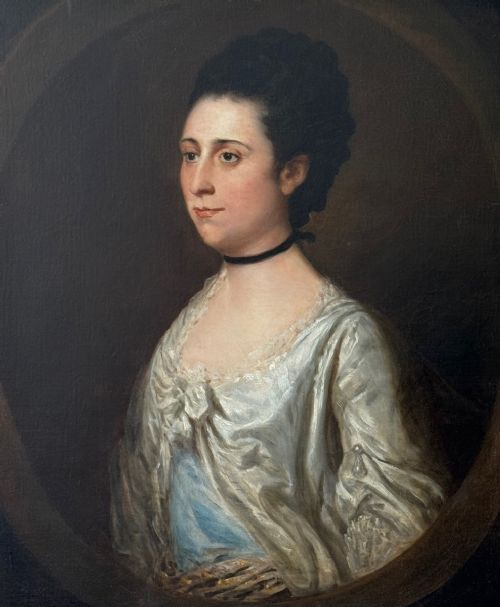
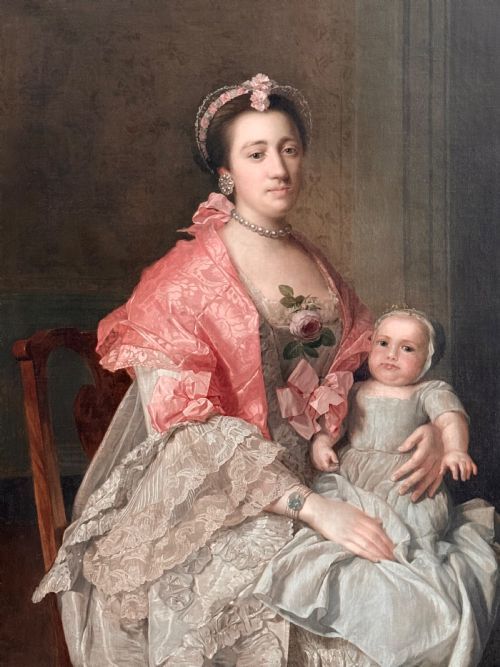
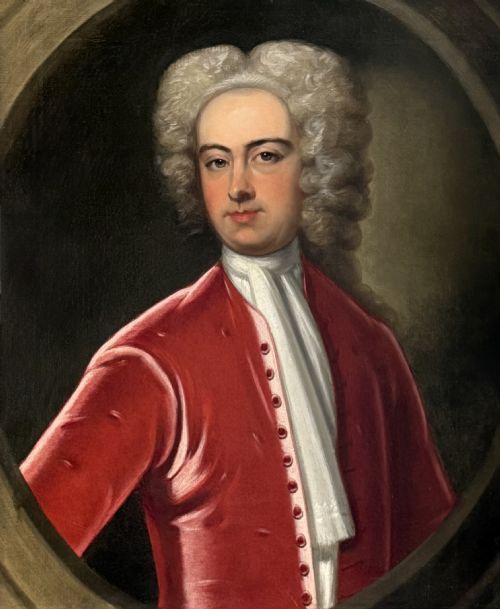
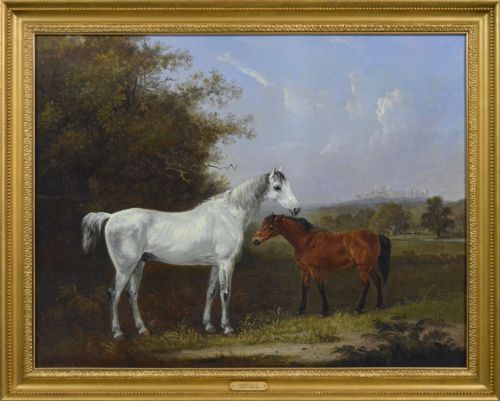
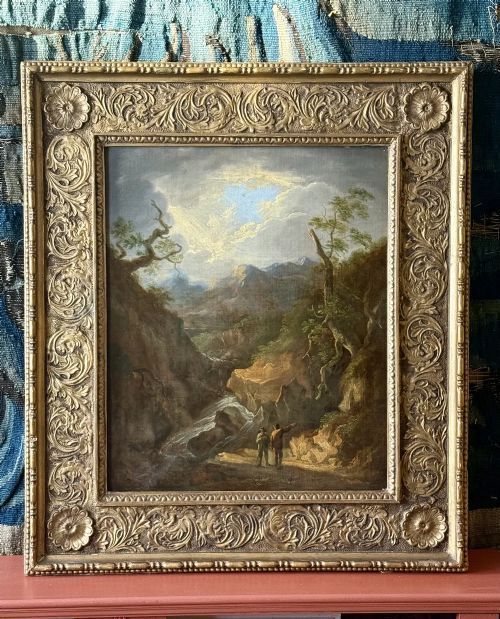
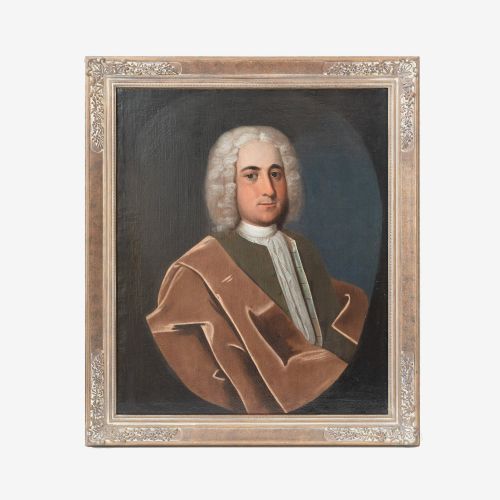
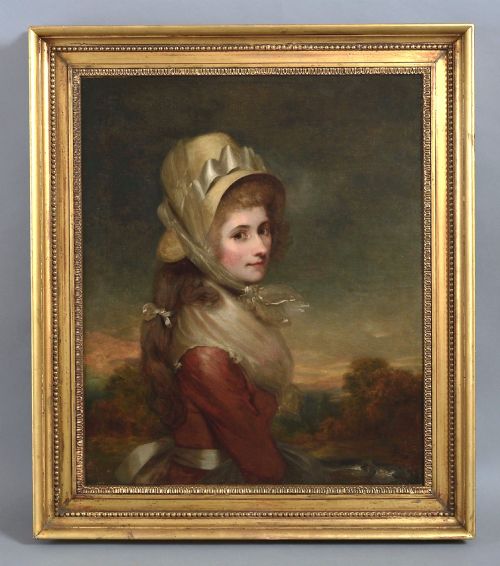
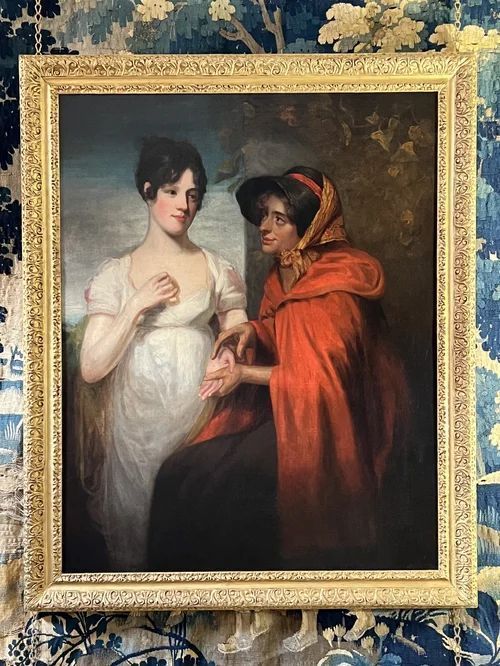
Georgian british art spans oil paintings, portrait miniatures and paper engravings created primarily during the eighteenth and early nineteenth centuries. The selections on this page lean heavily toward portraiture and pastoral landscapes from British schools.
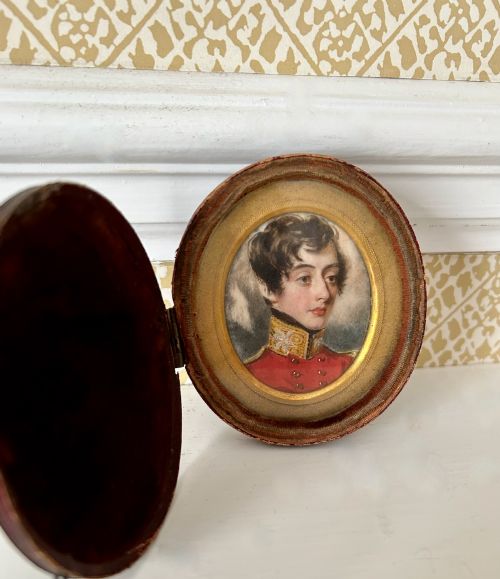
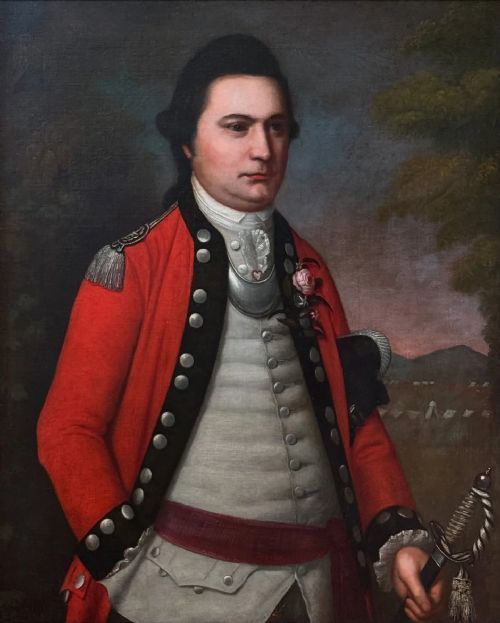
Works range from formal oil on canvas depictions of officers and nobility to intimate watercolor studies and reverse glass pictures. Regional movements such as the Norwich School and follower pieces provide breadth beyond metropolitan studios.
The objects reflect the visual culture of Georgian and Regency Britain through framed art, wall art and detailed pencil drawings. These pieces capture historical figures, everyday scenes and regional landscapes with equal measure.
How they were made
Artists relied primarily on oil on canvas, applying pigments with traditional brushes to build depth and texture within portraits and landscapes. Many pieces utilise wood frames, often enhanced with gold leaf and giltwood detailing.
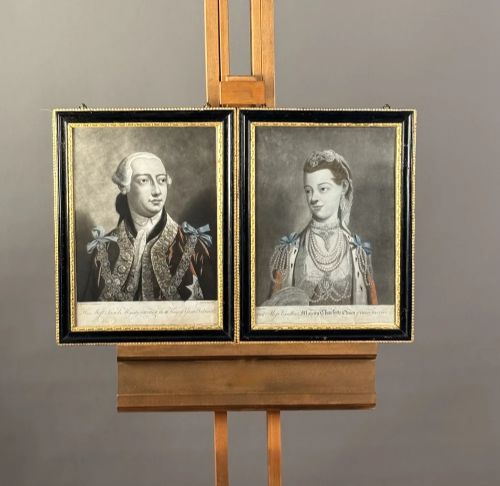
Paper works incorporate pencil drawings, engravings and mezzotints, capturing fine lines through inked plates or graphite. Glass surfaces appear in specific works, utilising reverse glass painting techniques to seal the image.
An infantryman holding a pipe and a nine-year-old map maker remind us that historical subjects enjoyed simple comforts too.
What varies in quality
The standard of execution separates workshop productions from master hands, seen in the handling of fabric folds, facial expressions and atmospheric perspective. Canvas condition and the preservation of original pigment layers dictate the visual integrity of oil paintings.
Framing contributes to the presentation, where period giltwood and gold leaf surrounds complement the artwork. The clarity of engravings and the delicacy of brushwork in portrait miniatures establish the upper tiers of the collection.
Sir Martin Archer Shee·Charles Jervas·John Opie·Stickland Lowry·William Joseph Shayer·Richard Cosway·James McArdell·Jeremiah Meyer·Thomas Frye·Richard Purcell·Thomas Barker of Bath·Sir Joshua Reynolds·J. M. W. Turner·Thomas Beach·Benjamin Barker of Bath·Jean Baptiste Van Loo·Allan Ramsay·Margaret Sarah Carpenter·John Russell·Jeremiah Davison·William Jones of Bath·Michael Dahl·Thomas Hudson
The Georgian British Art Glossary
- Mezzotint
- A printmaking process where the copper plate is roughened to achieve rich tonal gradations and dark backgrounds. This technique allowed eighteenth-century printmakers to reproduce oil paintings with remarkable fidelity.
- Giltwood
- Wood carved and coated with gold leaf or metallic paint to create a decorative surface. It frequently frames Georgian paintings and mirrors.
- Portrait miniature
- A small, highly detailed painting executed on ivory, vellum or card, often intended as a personal keepsake. These delicate works highlight intimate likenesses from the period.
- Norwich School
- A regional movement of artists inspired by the landscapes of Norfolk. Painters in this circle focused on local scenery and rural life.
- Regency
- The stylistic period spanning the early nineteenth century, characterised by classical restraint and refined decorative arts. Art from this era often reflects broader shifts in British taste.
Georgian British Art: Frequently Asked Questions
What subjects appear most often in georgian british art?
Portraits of military officers, nobility and scholars dominate the selection, alongside pastoral landscapes and genre scenes. Artists recorded both prominent historical figures and everyday citizens.
These subjects reflect the social hierarchy and artistic ambitions of eighteenth and nineteenth-century Britain. Landscapes capture regional scenery from the Norwich School and broader pastoral traditions.
What is a mezzotint portrait?
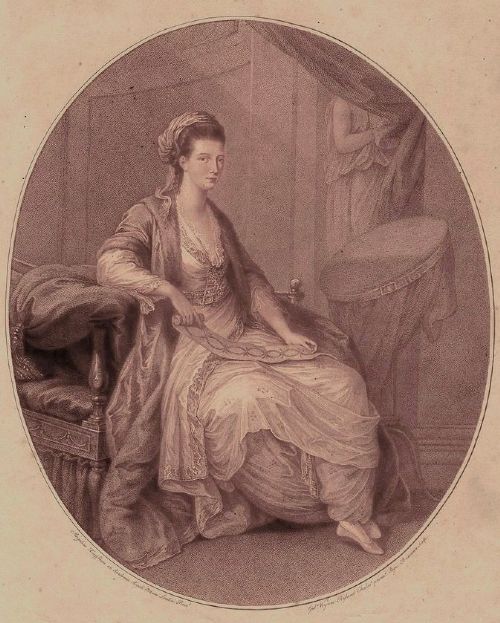
A mezzotint is an engraved print created by roughening a metal plate to produce smooth gradations of light and dark. This method enabled printmakers to translate oil paintings into printed form with deep shadows.
Publishers used this technique to disseminate likenesses of royalty and public figures across Britain. They offer a velvety texture distinct from standard line engravings.
How should these artworks be displayed at home?
Oil paintings and framed works require placement away from direct sunlight and excessive humidity to protect canvas and pigments. Original giltwood frames benefit from stable indoor climates.
Grouping smaller works, such as portrait miniatures or pencil drawings, creates a traditional display wall. Proper lighting enhances the fine details without generating damaging heat.