




Georgian Bright Cut Silver
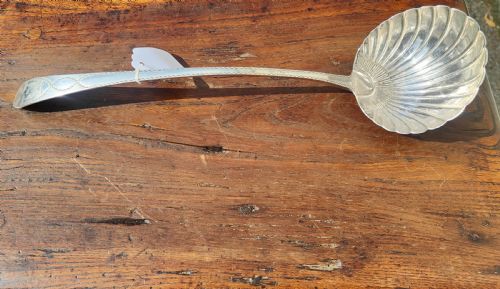
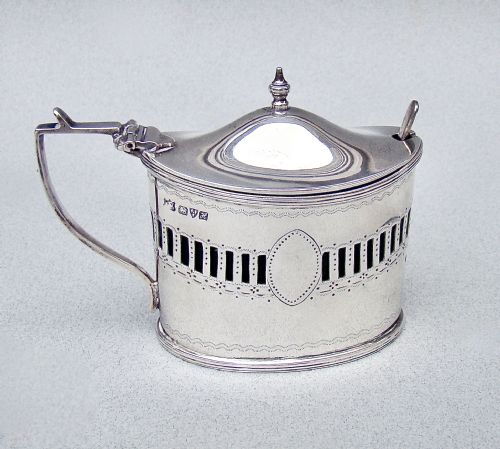
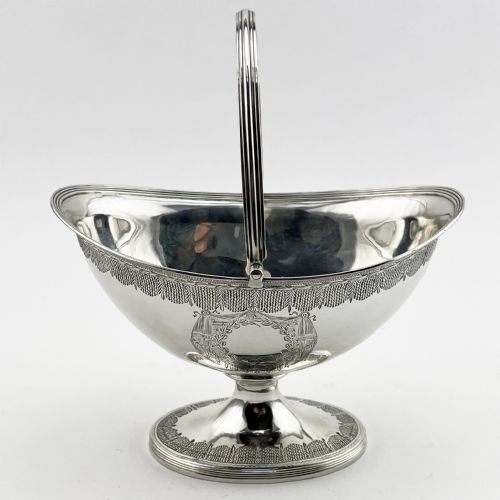
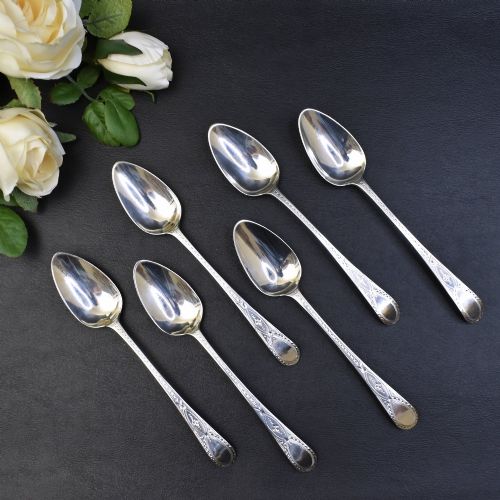
Georgian bright cut silver encompasses finely engraved tableware and small personal items from the eighteenth and early nineteenth centuries.
Georgian Bright Cut Silver
When you search for georgian bright cut silver, you encounter items designed for tea service, dining, and personal adornment created during the Georgian and George III periods.
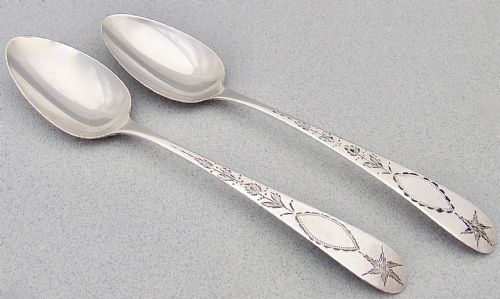
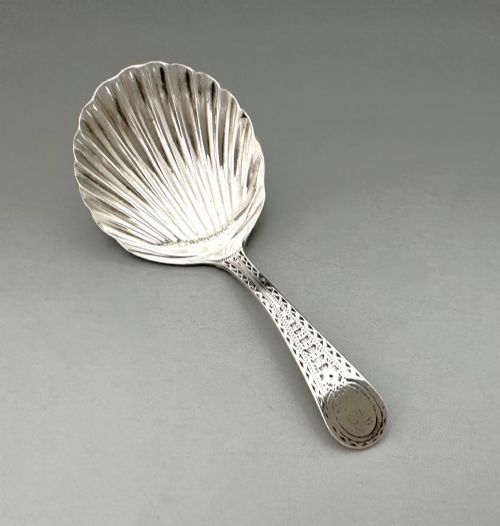
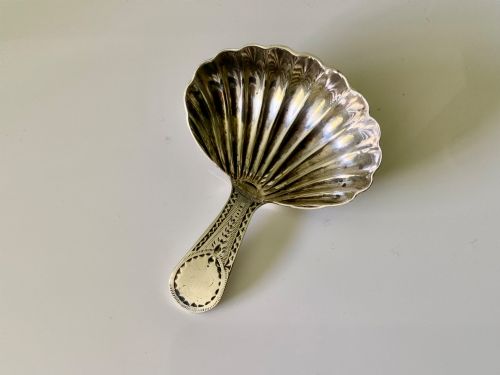
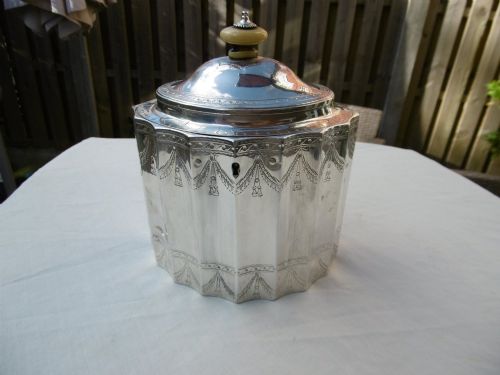
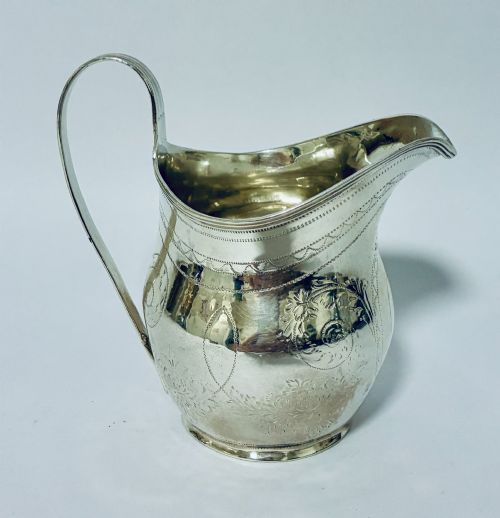
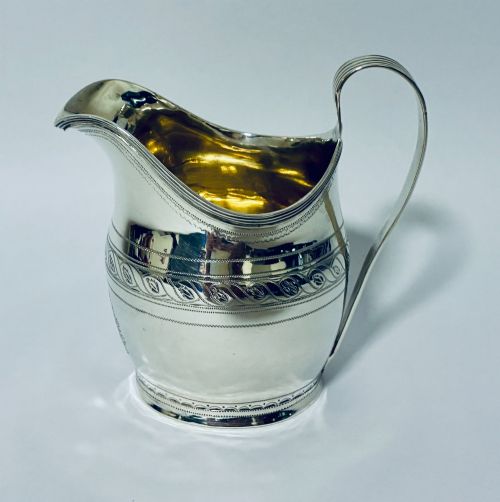
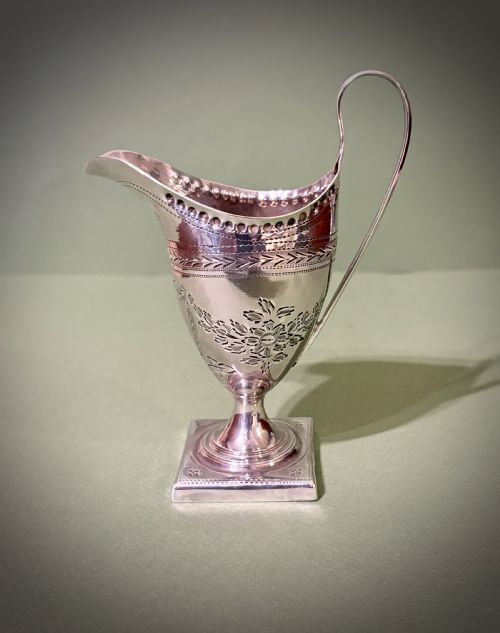
The selections on this page most frequently include caddy spoons, teaspoons, sugar tongs, cream jugs, and small boxes such as snuff boxes and patch boxes.
These objects originate from English, Irish, and provincial assay offices, reflecting the diverse silversmithing centres of the eighteenth and early nineteenth centuries.
How they were made
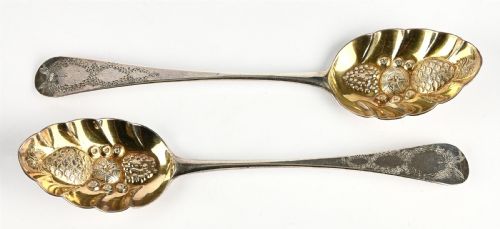
Makers shaped sterling silver through hammering, casting, and raising, often incorporating applied elements like bone handles or gilt interiors.
Decoration relied primarily on bright-cut engraving, a technique utilising faceted gravers to cut shallow, angular trenches that catch the light from multiple directions.
Some tiny Georgian boxes were made solely to hold beauty patches on the cheek.
What varies in quality
Quality separates through the crispness and precision of the bright-cut engraving, where deeper, cleaner facets create a sharper play of light across the silver surface.
The weight of the metal and the balance of the form also distinguish standard domestic output from exceptional maker-marked pieces.
Robert Hennell·Peter and Anne Bateman·Samuel Pemberton·Alfred Marston·John Pittar
The Georgian Bright Cut Silver Glossary
- Bright-cut engraving
- A surface decoration technique using flat-bottomed chisels to cut facets that reflect light.
- Caddy spoon
- A short-handled spoon specifically sized for measuring loose tea leaves into a caddy.
- Sterling silver
- An alloy of ninety-two point five percent silver and seven point five percent other metals, typically copper.
- Assay office
- An official body that tests the purity of precious metals and stamps items with hallmarks.
Georgian Bright Cut Silver: Frequently Asked Questions
How do I identify a Georgian silver piece?
You examine the hallmarks stamped into the metal, which typically include a maker's mark, a standard mark, a town mark, and a date letter.
Irish and provincial pieces often display distinct regional variations alongside these standard assay office symbols.
What were caddy spoons used for?
Caddy spoons served to scoop dry tea leaves from a storage container into the teapot during formal tea preparations.
Their shallow bowls and decorated handles made them both practical utensils and decorative tabletop items.
How should I clean antique silver?
Antique silver benefits from gentle washing with mild soap and warm water, followed by drying with a soft cloth to protect the engraved details.
Avoiding harsh chemical dips preserves the original patina and the crisp facets of the bright-cut work.