

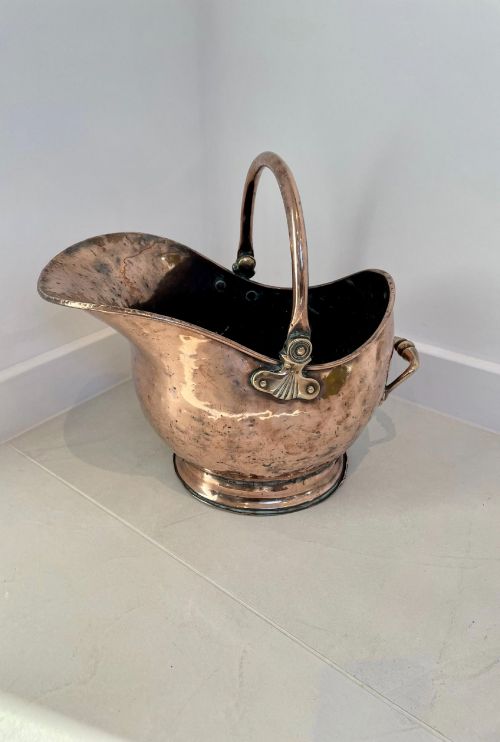
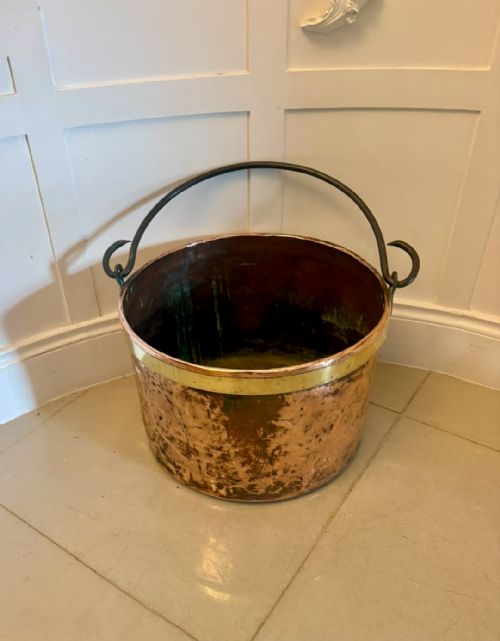
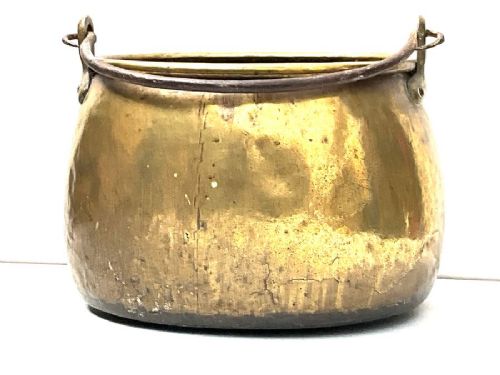


Georgian Brass Handle Bucket
These georgian brass handle bucket examples are practical fireside vessels and refined cellarettes that bring traditional warmth to any room.

Georgian Brass Handle Bucket
A georgian brass handle bucket serves several distinct purposes around the home, appearing as log bins, coal scuttles, and wine coolers. Buyers seeking a georgian brass handle bucket will encounter varied forms ranging from mahogany plate buckets to copper pans.
The selection encompasses pieces dating from the eighteenth and nineteenth centuries, alongside later revival interpretations. Formats span deep circular vessels for hearthside fuel to coopered peat buckets and elegant jardinières.
Most examples combine timber bodies with metal fittings, utilising sturdy handles for everyday utility. Surviving specimens demonstrate how utilitarian vessels evolved into decorative items for refined interiors.
How they were made
Construction relies heavily on traditional cooperage techniques, joining curved wooden staves of mahogany, walnut, or fruitwood with metal bands. Riveted plates and secure joints ensure structural integrity for holding heavy materials like coal or logs.
Metal components utilise brass and copper, shaped through beating and casting to form robust swing handles and decorative rims. Wrought iron and zinc also appear internally or structurally to reinforce the vessels against heavy use.
Georgian Brass Handle Bucket Retail Price Guide 2026
Typical asking prices for georgian brass handle bucket among the pieces listed under this phrase on Sellingantiques today, from the lower quarter to the upper quarter. They describe what is for sale here now, not the wider market.
Listings feature items spanning the eighteenth century through to the nineteen-thirties, incorporating both original period pieces and later revival styles.
What varies in quality
Quality rests on the selection of timber and the precision of the cooperage, where tight joints and well-fitted staves separate fine pieces from standard ones. The weight and finish of the brass fittings, from swing handles to binding bands, also indicate the original standard of manufacture.
Proportion and surface patina define the visual success of each item, with rich grain depth in the mahogany or walnut enhancing the piece. Originality of components and integrity of internal linings maintain the standing of surviving examples.
The Georgian Brass Handle Bucket Glossary
- Cellarette
- A lockable container used for holding bottles of wine near the dining table. They frequently feature brass binding and robust internal divisions.
- Coopered
- Built using narrow wooden staves bound together by metal hoops, much like a traditional barrel. This method provides immense strength for holding loose materials.
- Jardiniere
- An ornamental pot or stand designed to hold growing plants or flowers. These often mirror the form of traditional log bins and buckets.
- Plate bucket
- A deep cylindrical vessel fashioned for carrying and storing dining plates safely. They typically incorporate sturdy upright handles for secure transport.
- Teestoof
- A traditional Dutch footstove or small heating vessel utilised to warm rooms or personal spaces. Examples often incorporate perforated metal elements and swing handles.
Georgian Brass Handle Bucket: Frequently Asked Questions
What were these buckets originally used for?
These vessels served practical domestic functions around the hearth and dining room, including holding coal, logs, or peat for fires. Others functioned as wine coolers or plate buckets for entertaining.
Over time, many of these robust containers transitioned into decorative planters and jardinières for interior display.
How do I clean wooden and brass buckets?
Maintenance requires gentle dusting of timber surfaces and occasional waxing to nourish the grain of mahogany or walnut.
Brass components benefit from careful cleaning with appropriate metal polish, avoiding contact with the surrounding wood to prevent staining.
Are these buckets suitable for holding logs?
Many examples were constructed specifically as log bins or coal scuttles to withstand heavy daily use near the fire.
Checking the internal condition and structural stability ensures the vessel remains capable of supporting heavy loads of firewood.
How can I tell a Georgian piece from a later revival?
Examination of construction marks, timber shrinkage, and the wear patterns on metal handles helps indicate the age of the piece. Eighteenth-century examples display hand-cut joinery and period-specific fastening techniques.
Revival pieces from later decades often show different tool marks and more uniform manufacturing traits consistent with their era.