



Georgian Bow Front Desk
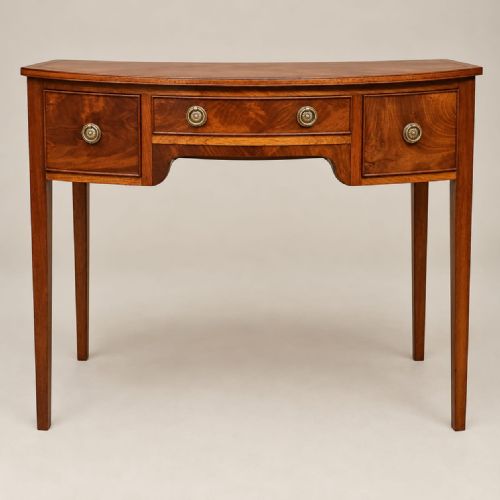
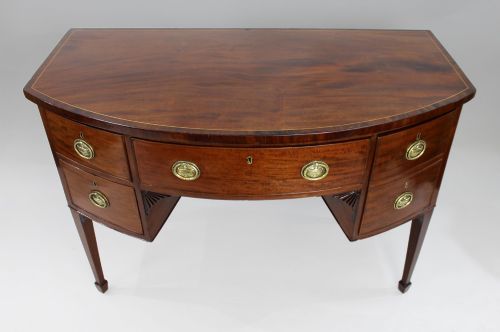
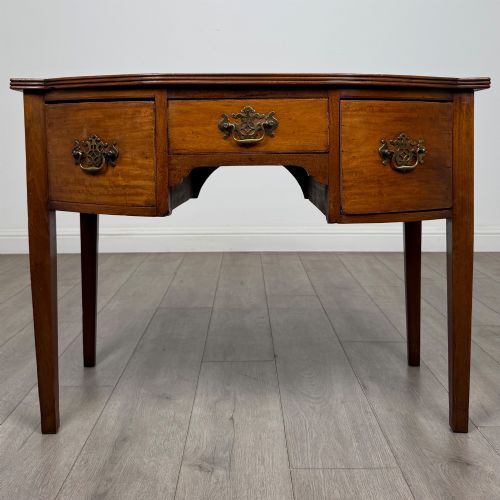
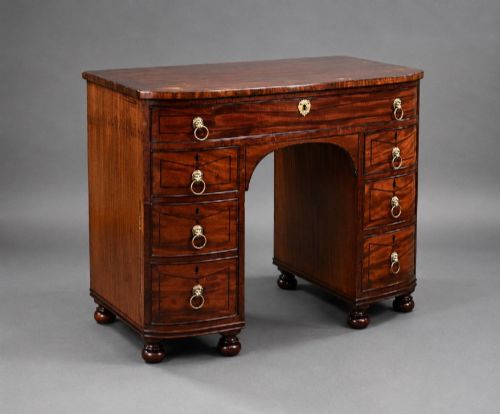
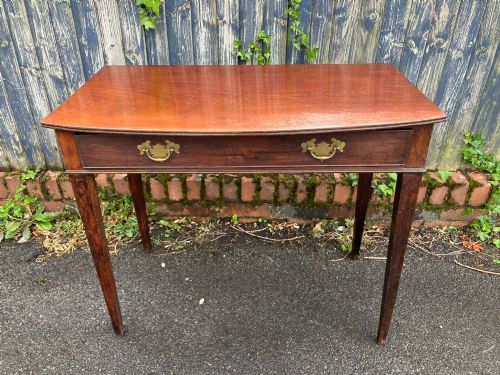
When you handle a georgian bow front desk, you find a curved silhouette that combines practical writing space with refined proportions.
Georgian Bow Front Desk
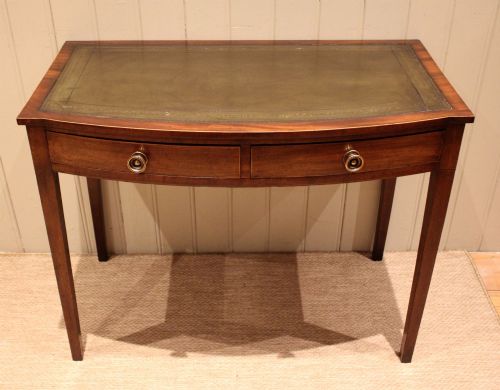
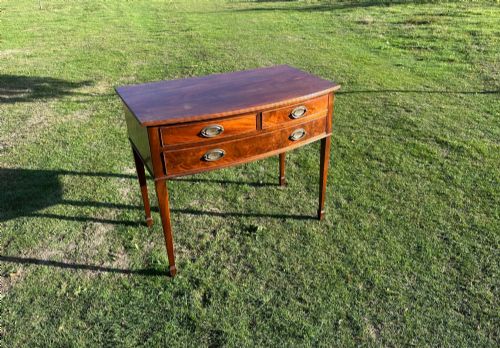
A georgian bow front desk brings together the curved architectural lines characteristic of the period and the practical utility of a writing surface. These pieces range from authentic late eighteenth and early nineteenth century examples to later revival pieces produced around nineteen hundred and nineteen twenty.
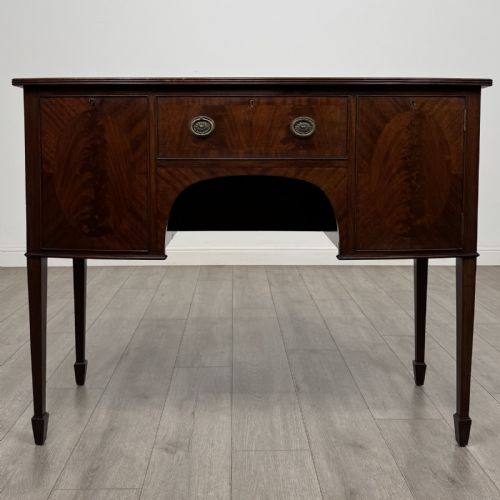
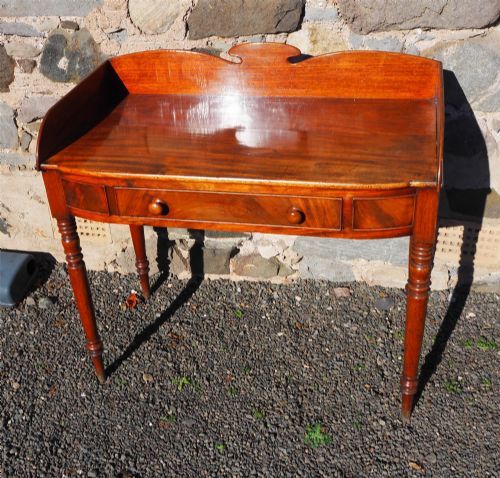
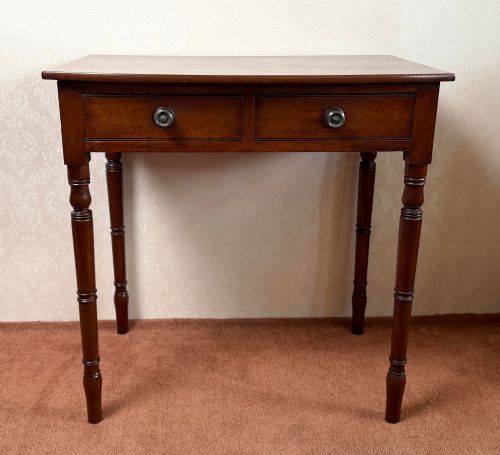
The form appears across various functional guises in the listings, including writing tables, dressing tables, and sideboards adapted for correspondence. Buyers most frequently encounter mahogany pieces featuring the signature convex curve that softens the room.
Origins span genuine Georgian and Regency eras alongside Edwardian revivals, offering a spectrum of age and construction methods. The surviving items demonstrate how cabinet makers adapted the curved front to desks, serving tables, and compact writing furniture.
Distinguishing quality
Quality reveals itself in the precision of the curved drawer fronts and the seamless integration of timber grain across the facade. Superior pieces display crisp boxwood inlay and well-matched mahogany veneers that maintain their integrity over centuries.
The construction of the drawers and the weight of the brass fittings indicate the level of craftsmanship invested by the original maker. Finer examples retain their original proportions and structural harmony without relying on excessive restoration to hold their shape.
Georgian Bow Front Desk Retail Price Guide 2026
Typical asking prices for georgian bow front desk among the pieces listed under this phrase on Sellingantiques today, from the lower quarter to the upper quarter. They describe what is for sale here now, not the wider market.
Listings feature mahogany as the dominant wood, accompanied by boxwood, ebony inlay, and brass hardware.
Edwards and Roberts
The Georgian Bow Front Desk Glossary
- Bow front
- A convex, outwardly curved furniture facade that became popular during the late Georgian and Regency periods. This shape softens the corners of a room and requires advanced woodworking skill to construct.
- Stringing
- A narrow line of contrasting wood inlay, often boxwood or ebony, used to outline drawers and tabletops. It provides a crisp border that accentuates the geometry of the piece.
- George III
- The period of British history spanning from seventeen sixty to eighteen twenty, noted for refined cabinet making and classical proportions. Furniture from this era often utilises solid mahogany and subtle inlay.
- Regency
- The stylistic era covering the early nineteenth century, characterised by classical influences and bold decorative details. Pieces from this time frequently combine dark mahogany with brass mounts.
- Secretaire
- A desk or cabinet featuring a pull-down writing flap that conceals small drawers and pigeonholes. It combines storage with a dedicated writing surface.
Georgian Bow Front Desk: Frequently Asked Questions
How do I use a bow front desk today?
These desks provide a compact surface suitable for a laptop or notebook while serving as a striking focal point in a study or hallway.
The shallow curved drawers accommodate stationery and small essentials without protruding too far into living spaces.
How can I tell a Georgian piece from a revival?
Authentic Georgian and Regency pieces show period-specific timber ageing, hand-cut dovetails, and secondary woods consistent with eighteenth or early nineteenth century workshops.
Revival items from the Edwardian era or nineteen twenty often display more standardised machine construction and different interior secondary timbers.
Are these desks suitable for daily work?
Most antique writing desks offer comfortable knee clearance and a stable surface for writing or reading.
Their smaller proportions make them ideal for occasional correspondence rather than heavy electronic office setups.
How do I care for mahogany and leather surfaces?
Mahogany benefits from occasional waxing to nourish the grain and protect the finish from drying out.
Leather writing inserts require gentle cleaning with dry or slightly damp cloths, avoiding harsh chemical cleaners that damage the surface.