
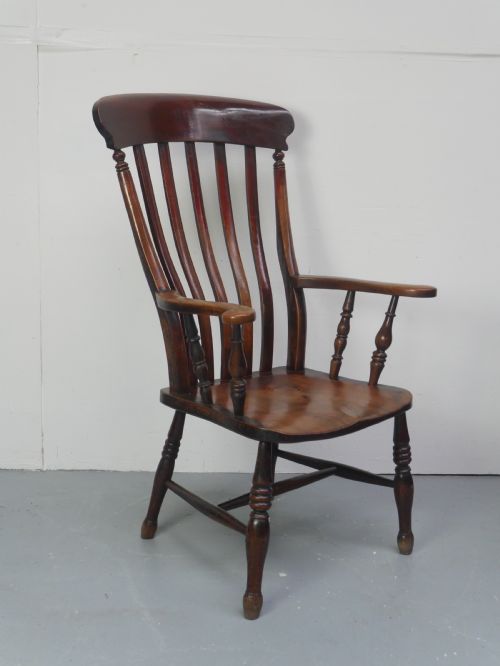
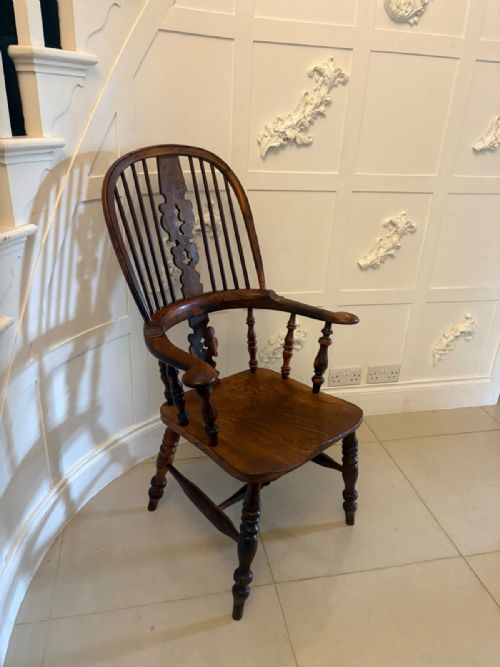
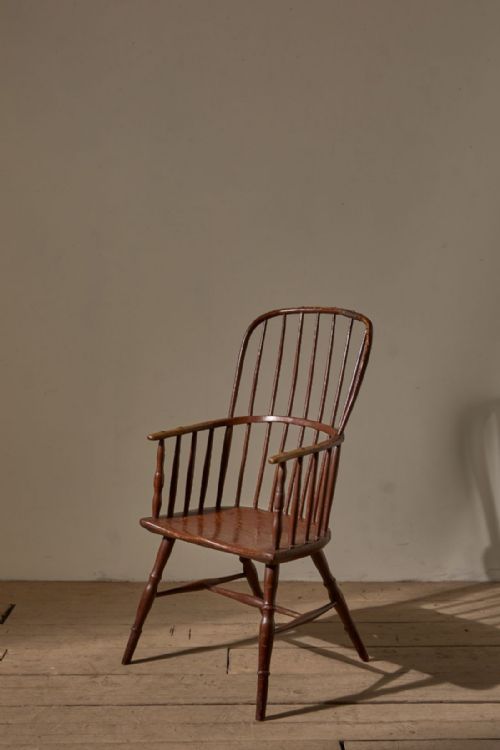
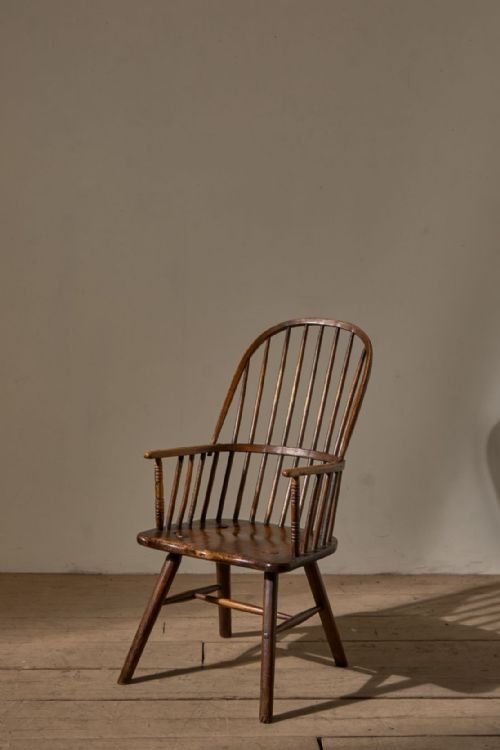
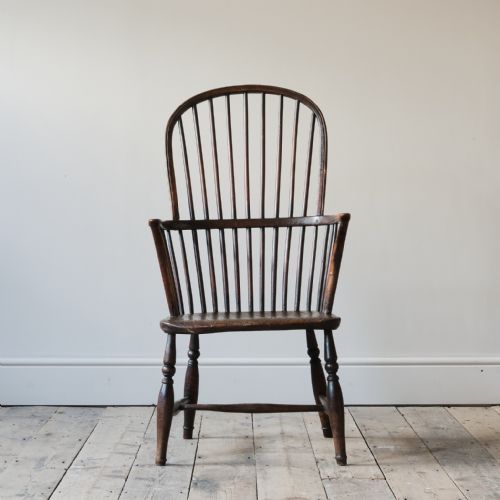
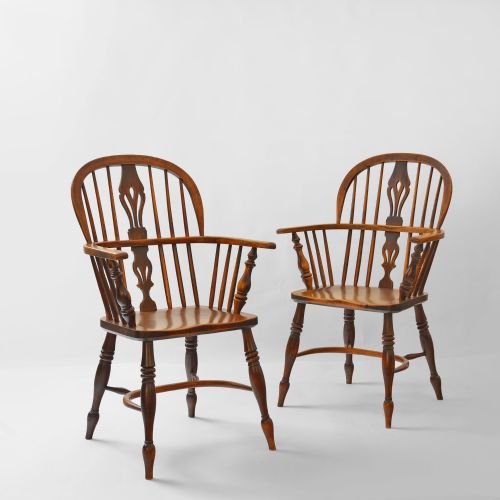


Georgian Bow Back Armchair
A georgian bow back armchair offers robust vernacular seating built with curved wooden backs, prized for its honest country house character.
Georgian Bow Back Armchair
A georgian bow back armchair search reveals sturdy wooden seating originating primarily from the eighteenth and nineteenth centuries. These pieces span English country, Georgian vernacular, and Victorian country styles, reflecting practical rural craftsmanship.
Buyers frequently encounter regional Windsor chairs featuring hoop backs, stick backs, and low backs. Materials range from elm and ash to rich yew wood, sometimes finished with original paint.
Materials and construction
Maker construction relies on traditional timber combinations, pairing ash frames with elm seats or utilising dense yew wood. These native hardwoods provide the necessary strength for curved bow backs and slender spindles.
Makers shaped solid timber using turning lathes and drawknives, securing components through pegged joints. Surfaces often develop a timeworn patina through decades of daily use.
Build and material quality
Superior examples distinguish themselves through the selection of finely figured yew wood or well-matched ash and elm timbers. Grain patterns and natural colour depth elevate the presence of a chair significantly.
Structural integrity and the retention of original surface patination separate exceptional seating from heavily restored pieces. Refined turning on the legs and balanced proportions mark the work of skilled rural workshops.
John Brand of Sleaford·Rockley Maker
The Georgian Bow Back Armchair Glossary
- Bow back
- A continuous curved wooden member forming the upper back and armrests of a Windsor chair. It provides ergonomic support while maintaining structural rigidity.
- Windsor chair
- A wooden chair constructed with a solid sculpted seat into which the legs and back spindles are directly inserted. This design creates a robust, unified framework.
- Vernacular furniture
- Domestic objects made by regional craftsmen following local traditions rather than high-style metropolitan fashions. These pieces prioritise utility and local timber availability.
- Patina
- The surface sheen and colour depth developed by wood over years of handling, polish, and exposure. It serves as an indicator of age and careful preservation.
Georgian Bow Back Armchair: Frequently Asked Questions
What is a bow back armchair?
A bow back armchair is a traditional wooden seat featuring a curved upper rail that forms the backrest and arms. The design distributes weight evenly across slender vertical spindles.
These chairs form part of the broader Windsor tradition, prized for their sturdy construction and honest rural aesthetic.
How do I care for antique wood?
Maintain antique timber furniture by keeping it away from direct heat sources and sudden humidity changes. Apply natural beeswax sparingly to nourish the grain and protect the surface.
Avoid modern chemical polishes that can degrade the historic finish and soften the original patina over time.
Where were these chairs made?
Rural workshops and regional makers across England produced these vernacular armchairs during the eighteenth and nineteenth centuries. Local timber yards supplied the native hardwoods used in their construction.
Specific regional styles developed in areas like Yorkshire, incorporating local preferences for timber selection and spindle arrangements.
Are these chairs comfortable for daily use?
The sculpted wooden seats and supportive curved backs offer surprising ergonomic comfort for everyday seating. Their solid construction ensures they remain stable and functional in modern living spaces.
Placing a simple cushion on the seat provides additional comfort while preserving the historic timber below.