
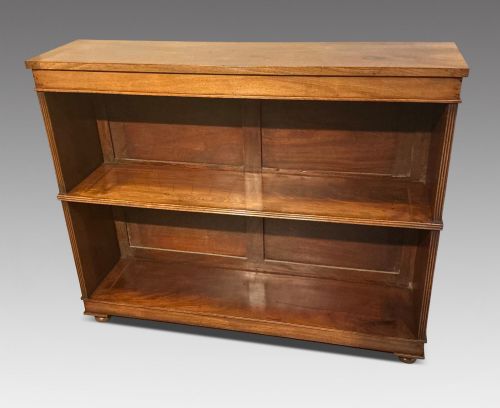
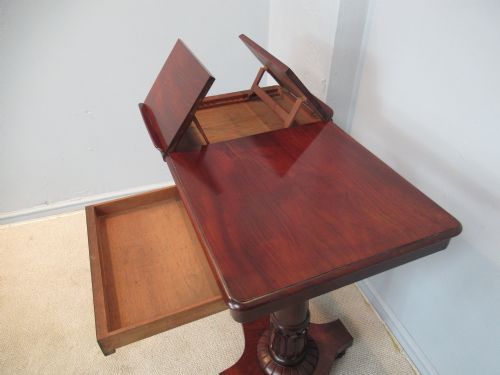
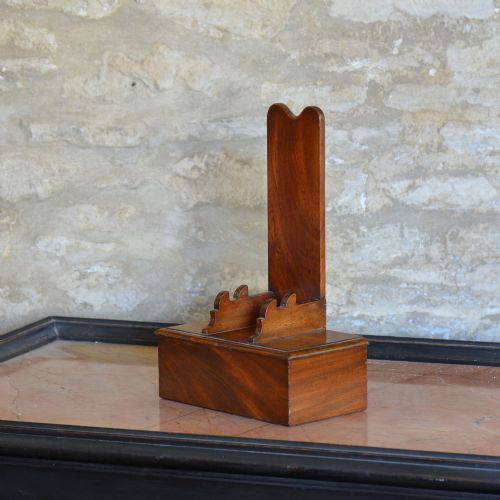
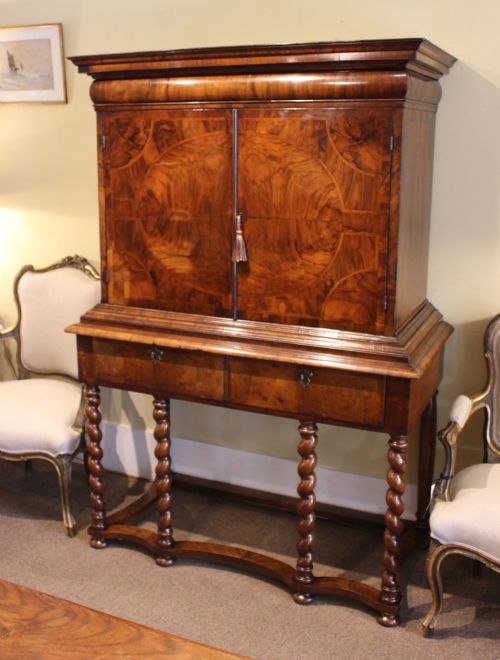


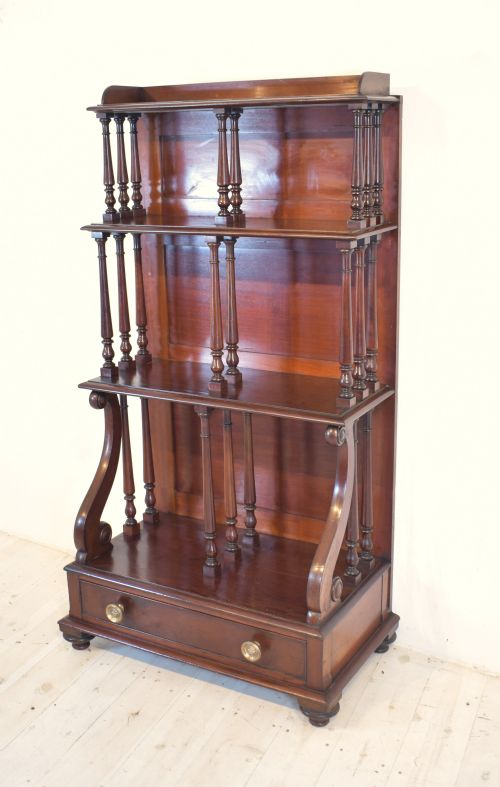
Georgian Book Stand
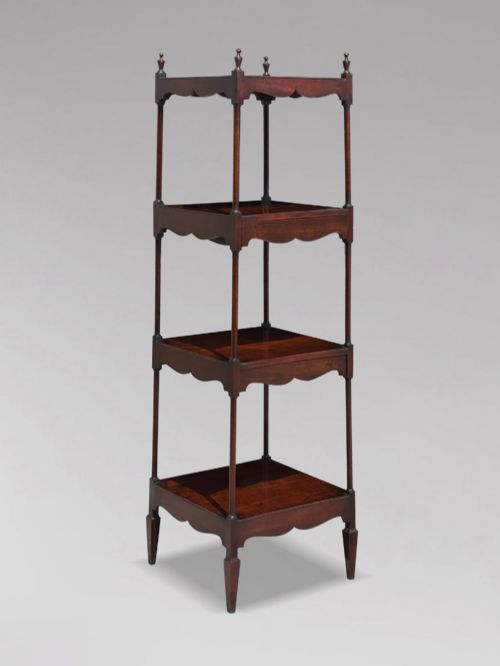
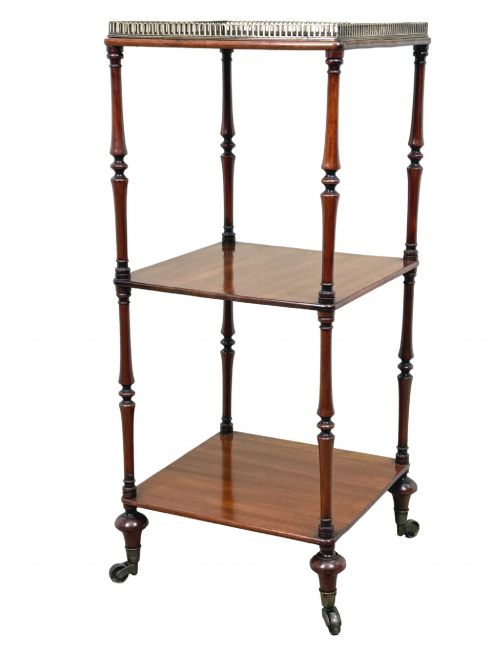
These pieces for the georgian book stand term range from compact reading tables to tier-filled whatnots designed to hold volumes close at hand.
Georgian Book Stand
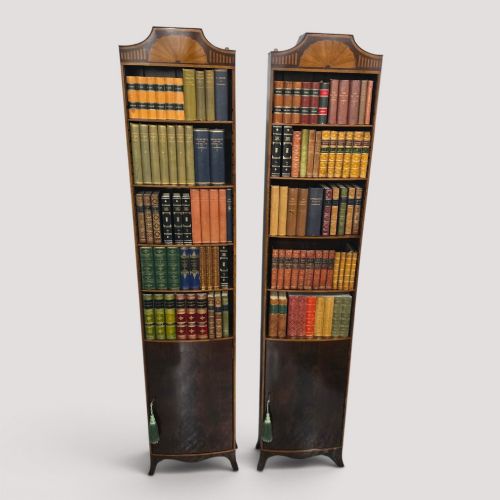
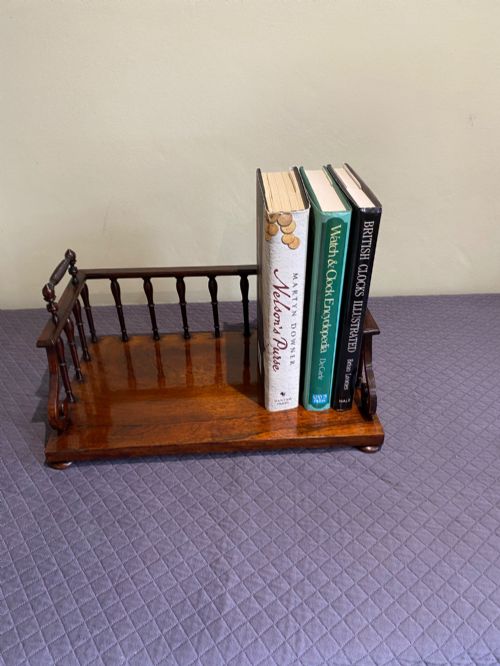
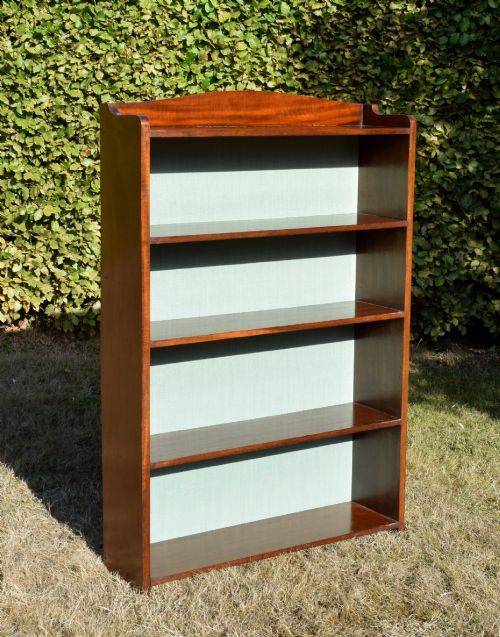
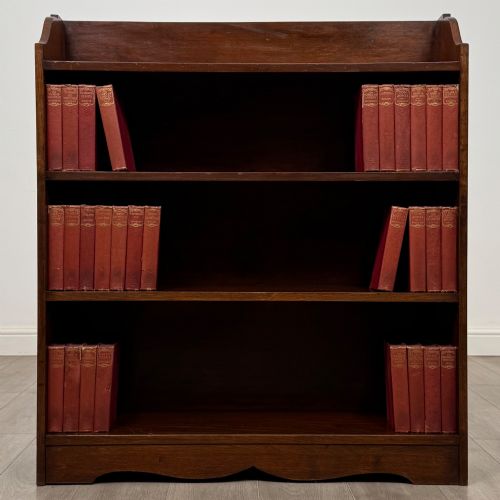
When searching for a georgian book stand, buyers encounter a variety of forms including reading tables, whatnots, bookcases, and desk accessories. These items served functional roles in libraries and studies during the 18th and 19th centuries.
Stand variations include formats elevated on legs, cabinet bases, or open shelves suited for domestic display and daily utility. Each form reflects the changing habits of reading and storage across the Georgian and subsequent eras.
How They Were Made
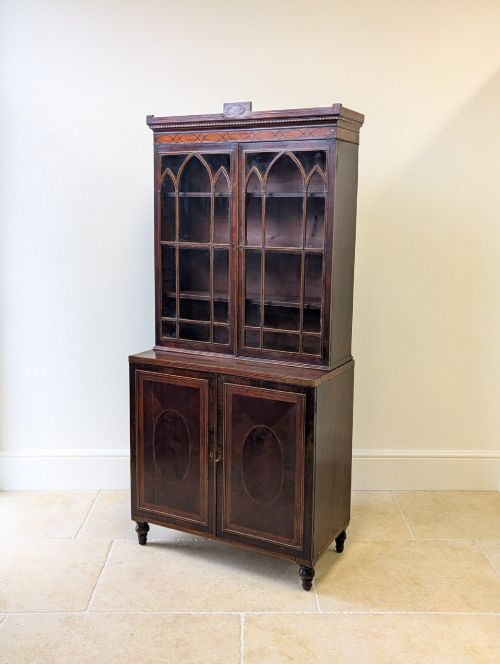
Makers utilised solid timbers and veneers, predominantly mahogany, rosewood, walnut, and oak, often accented with brass fittings, glass panels, and wire details. These materials provided both structural stability and rich surface grain for domestic display.
Joinery techniques included precise framing for glazed doors, tier construction for whatnots, and mechanical ratchets or screws for adjustable reading stands. These methods ensured that portable book carriers and heavy bookcases alike could withstand regular use.
Listings feature mahogany, rosewood, oak, walnut, and wire across Georgian, Regency, and Edwardian periods.
What Varies in Quality
The degree of refinement in timber selection and secondary wood usage distinguishes simpler utility pieces from high-status furniture. Figured veneers, well-chosen mahogany stocks, and balanced proportions signal superior workshop output.
The integration of mechanical elements, such as adjustable reading slopes, brass hinges, and screw mechanisms, dictates the functional success of a piece. Smooth operation in these moving parts points to careful initial construction.
Gillows
The Georgian Book Stand Glossary
- Whatnot
- An open shelving unit with multiple tiers used for displaying books and ornaments. It typically stands on slender upright supports.
- Étagère
- A French term for a freestanding set of open shelves used for display. It appears interchangeably with whatnot in many period records.
- Astragal glazed
- A method of dividing glass panes within a bookcase door using wooden strips. This creates a geometric grid pattern across the front.
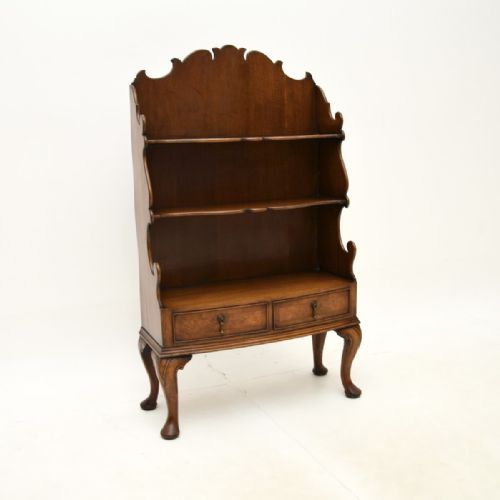
- Waterfall bookcase
- A tiered shelving unit where each successive shelf steps back from the one below. The sides often curve downwards in a cascade shape.
- Breakfront
- A cabinet design where the central section projects forward from the flanking wings. This configuration adds architectural depth to large bookcases.
Georgian Book Stand: Frequently Asked Questions
What is a whatnot?
A whatnot is a multi-tiered open shelving unit designed for holding books, papers, and decorative objects within easy reach.
These pieces developed during the Georgian period and remained popular through the Victorian era for flexible room storage.
How were reading tables used?
Reading tables featured adjustable surfaces and book rests to support volumes at comfortable viewing angles for scholars and readers.
Many included mechanical ratchets, brass supports, or small ledges to keep books secure while open.
What woods appear most often?
Mahogany is the dominant timber seen across these listings, accompanied by rosewood, walnut, oak, and occasional satinwood or maple.
Cabinetmakers favoured these hardwoods for their durability, rich grain patterns, and ability to take a fine polished finish.
How do I spot a Regency piece?
Regency items often display classical architectural influences, darker rosewood or mahogany grains, and restrained brass mounts.
They bridge the gap between late Georgian formality and 19th-century domestic utility.