

Georgian Ash Chair
When you handle a georgian ash chair, you touch the sturdy domestic timber and honest country joinery that defined English rural seating.
Georgian Ash Chair
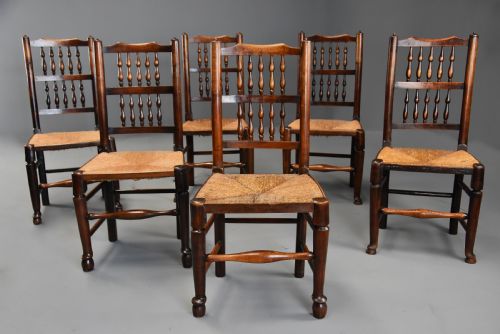
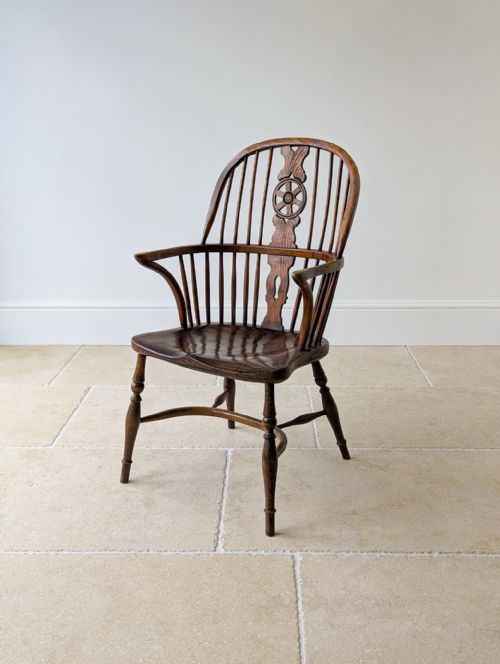
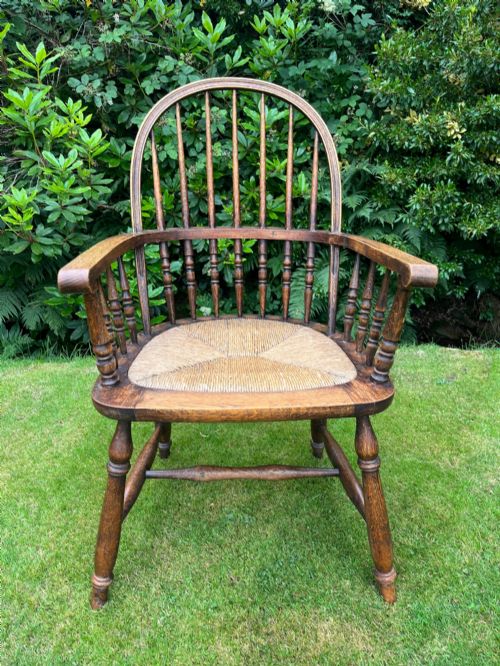
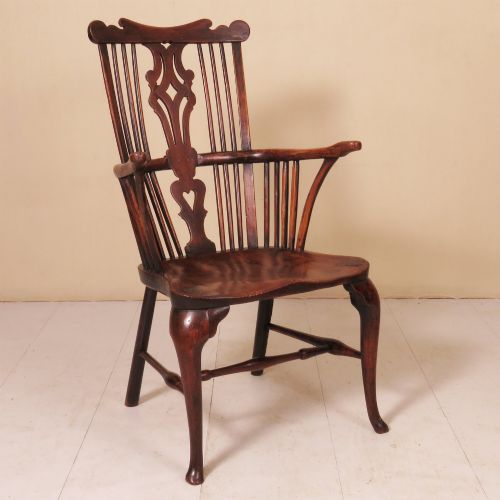
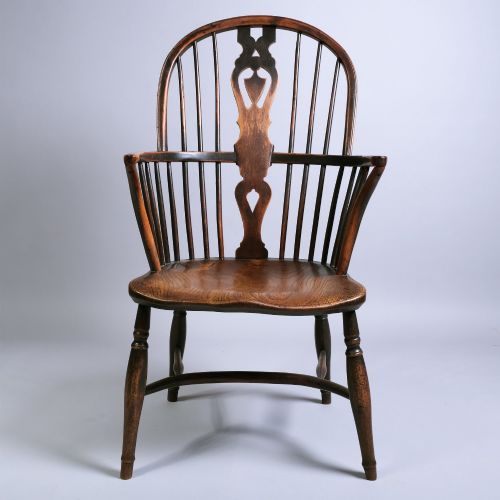
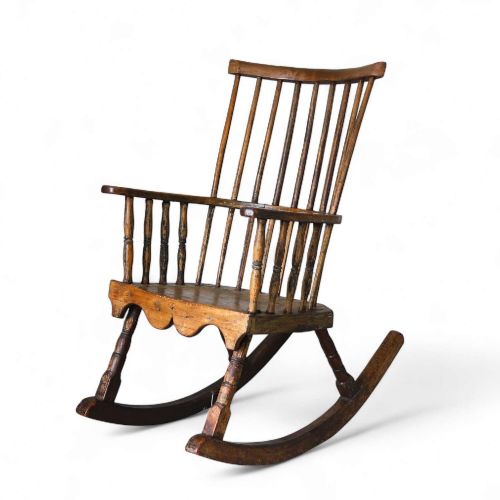
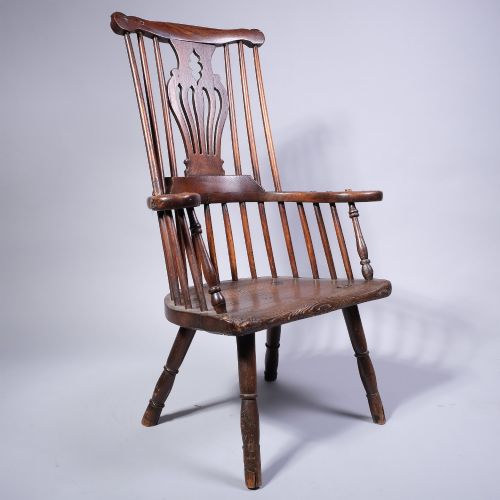
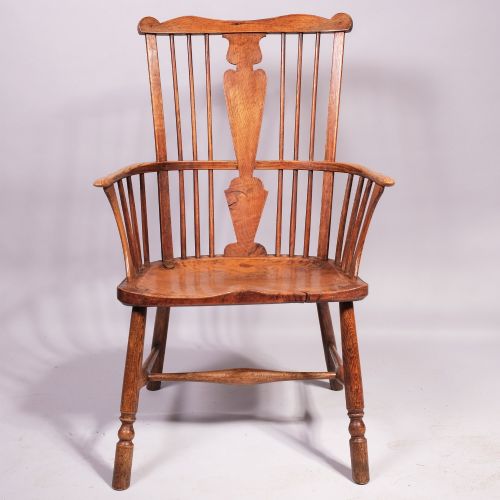
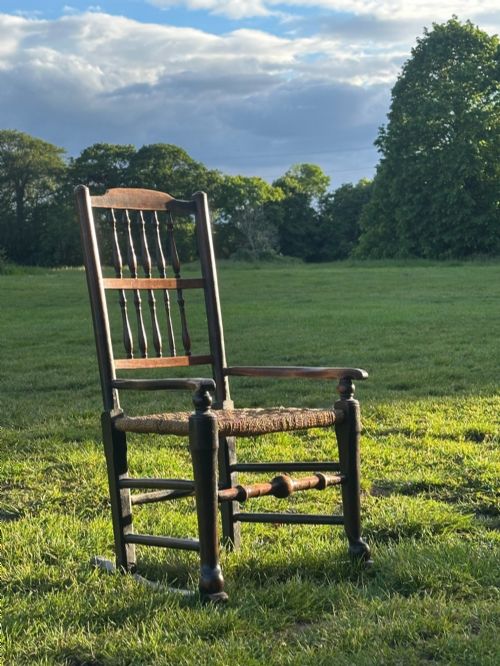
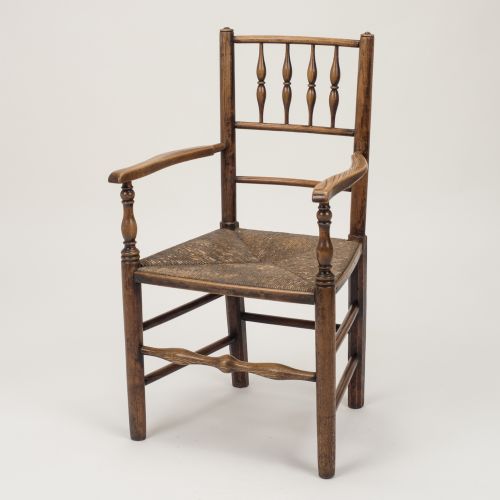
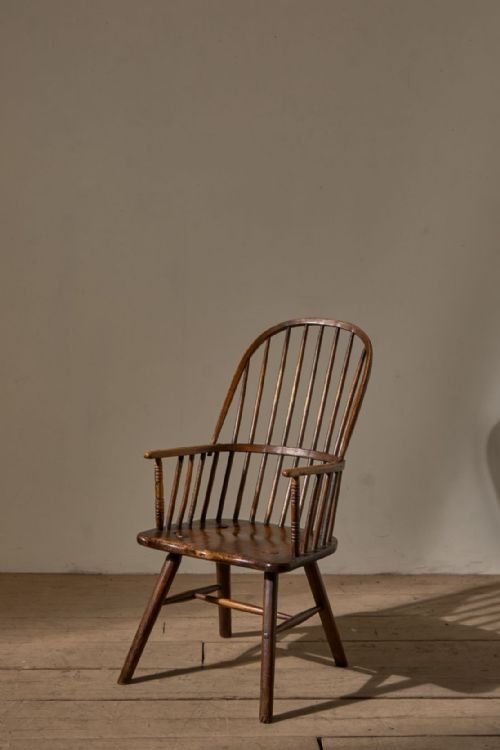
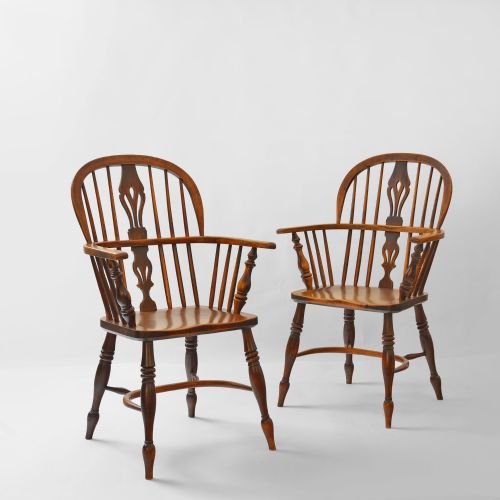
A georgian ash chair encompasses a diverse range of country-made seating, spanning robust dining chairs, spindle-backs, ladder-backs, and iconic Windsor armchairs. These pieces originated in regional workshops across England, utilised daily in farmhouses and cottages.
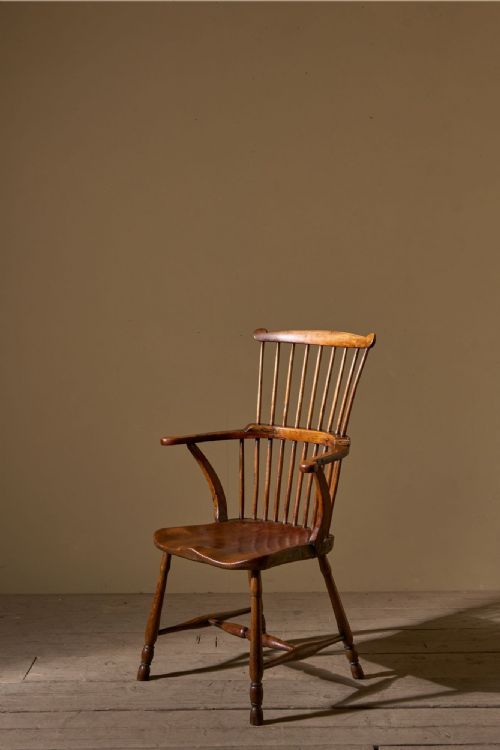
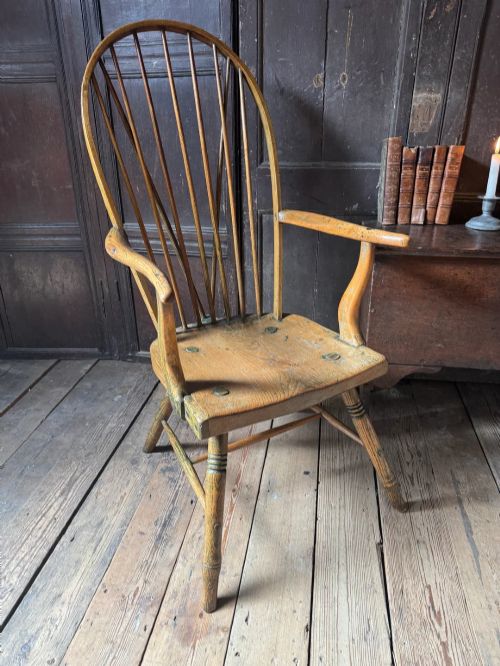
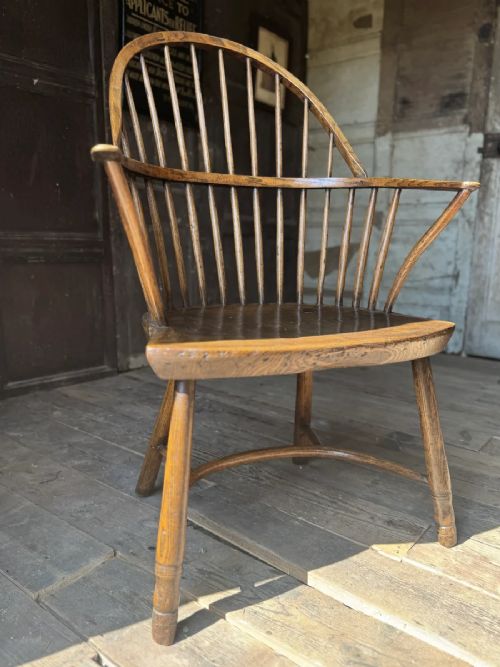
The specimens met most frequently on this page combine an ash framework with an elm seat, often displaying regional vernacular traits from the West Country, Lancashire, or Cheshire. Forms include comb-backs, wheel-backs, hoop-backs, and low-back armchairs alongside children's seating.
Dating primarily from the eighteenth and early nineteenth centuries, these chairs reflect utilitarian craftsmanship tailored for domestic comfort. They bridge the gap between primitive country construction and refined regional design.
What varies in quality
Quality rests in the harmony of the timber selection and the retention of original surface patination, such as deep wax finishes or early paint. Well-balanced proportions in the comb or hoop back distinguish finer regional output.
The integrity of the construction, including tight joints, minimal timber replacement, and the sculptural depth of the sculpted elm seat, separates standard utility items from superior examples.
Materials recorded across the archive include ash, elm, rush, yew, sycamore, oak, and painted surfaces on vernacular seating forms.
The Georgian Ash Chair Glossary
- Windsor chair
- A chair built with a heavy solid wooden seat into which the legs, back, and arms are separately bored and wedged. These sturdy seats evolved numerous regional back styles across the English countryside.
- Comb back
- A Windsor chair variation where the vertical spindles extend upward to support a horizontal top rail resembling the teeth of a comb. This regional form offered distinct structural support for the sitter's shoulders.
- Spindle back
- A chair featuring a series of thin vertical turned wooden rods supporting the backrest. These light yet rigid components were common in country dining and farmhouse sets.
- Crinoline stretcher
- A curved under-stretcher linking the legs of a Windsor chair, shaped like the stiffened petticoat of the same name. It provides both lateral stability and a resting place for feet.
- Vernacular
- Objects designed and built by local tradesmen using regional traditions rather than high-style metropolitan patterns. These pieces prioritize utility and local material availability over academic design rules.
Georgian Ash Chair: Frequently Asked Questions
What is a Windsor chair?
A Windsor chair is a form where all structural elements are socketed directly into a thick, shaped wooden seat rather than an independent frame. They combine bentwood components with turned spindles for domestic strength.
These chairs developed distinct regional variations across England, particularly utilising ash and elm timbers for everyday farmhouse use.
How do I care for ash furniture?
Keep ash furniture away from direct heat sources and sudden humidity shifts to prevent timber splitting or joint loosening. Regular dusting and occasional application of appropriate wax maintain the surface.
Avoid harsh chemical cleaning products that strip the historical patina accumulated over centuries of domestic service.
Are these chairs comfortable for daily use?
Country chairs were built for utility and ergonomic support during long hours of domestic labour or dining. The saddle-shaped elm seats distribute weight effectively for seated comfort.
Their sturdy joinery and supportive back designs make them practical additions to modern living and dining spaces.
How are regional styles identified?
Regional characteristics appear in the turning details of the legs, the shaping of the arms, and the specific curvature of the back hoops. Workshops in Lancashire, the West Country, and Cheshire developed recognisable local traits.
Local timber availability, such as regional ash and elm, also guides attribution to specific English counties.