
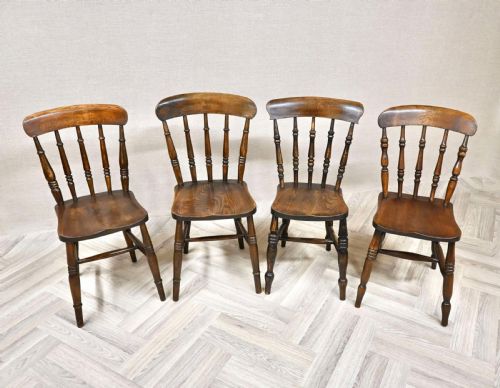
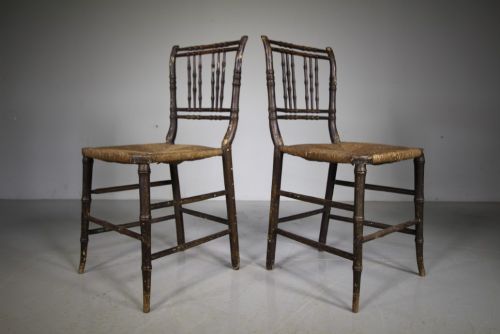


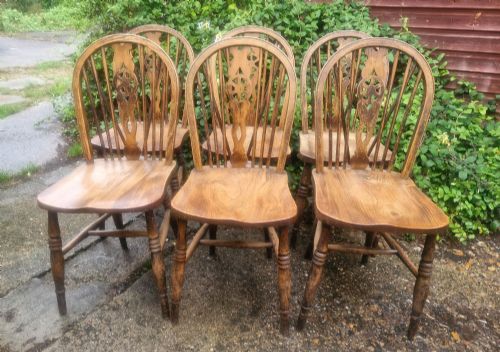
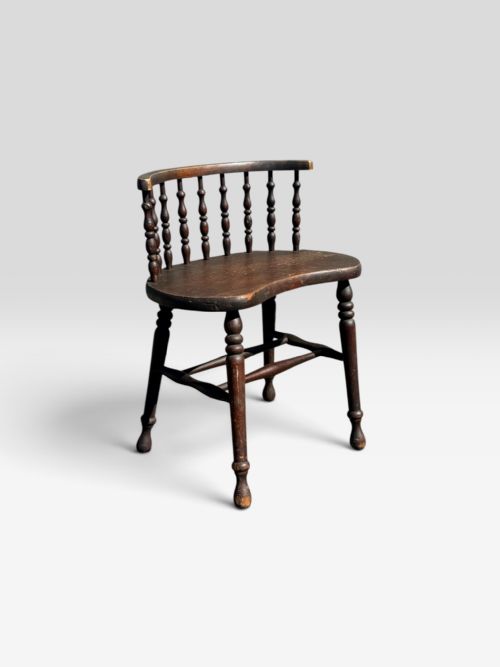
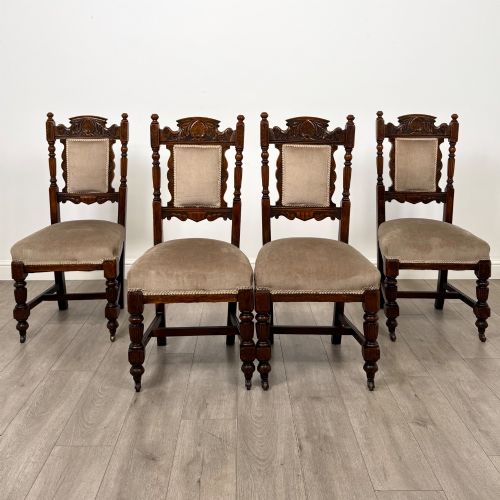
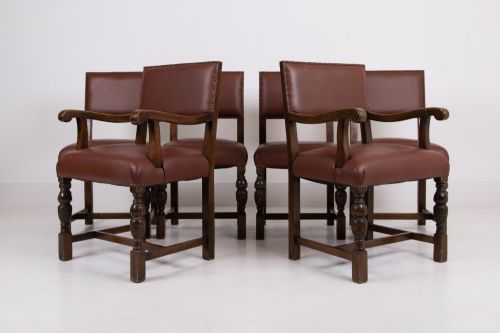
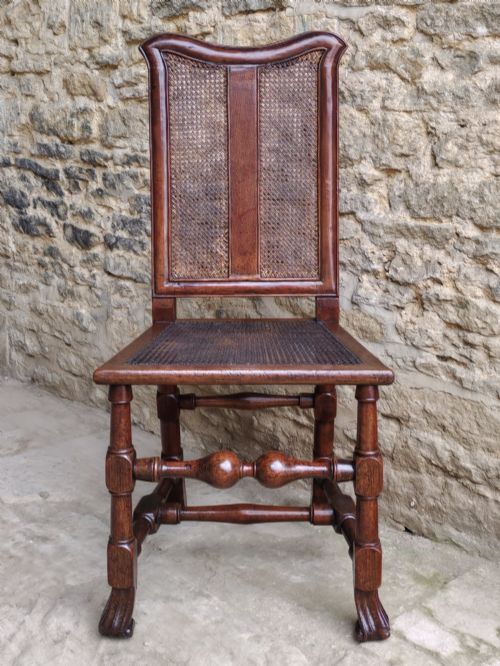
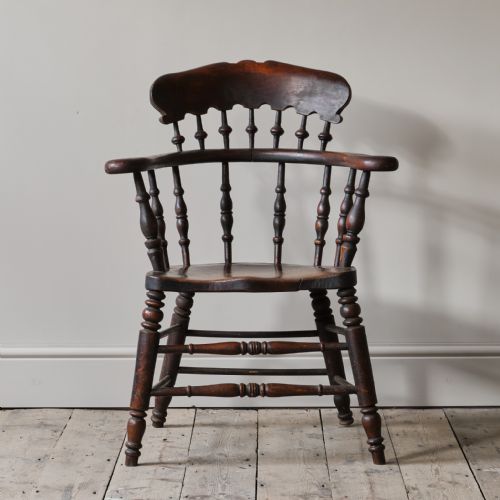
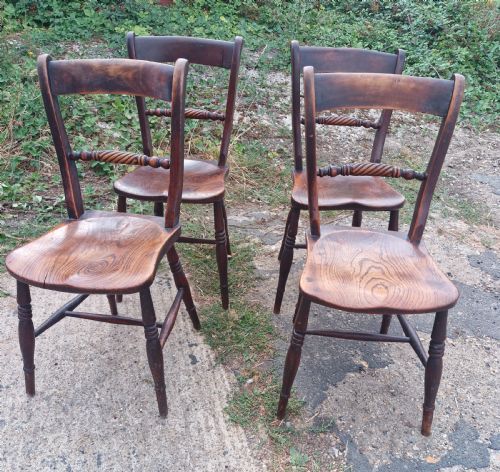
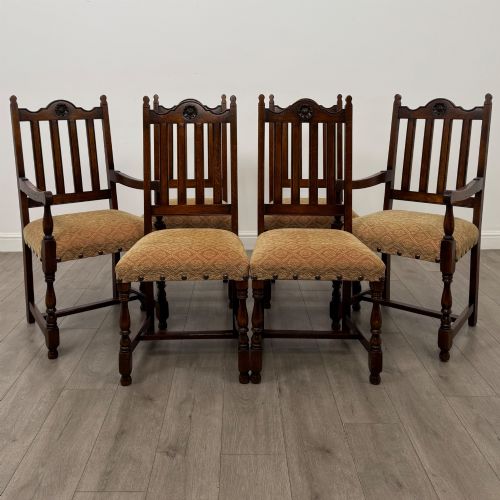
Dark Brown Turned Chair
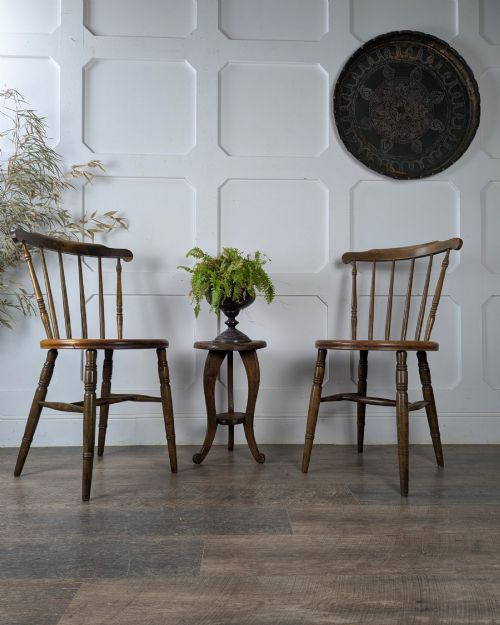
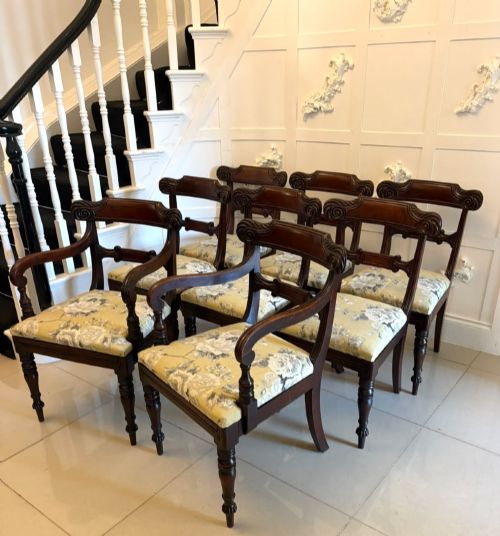
A dark brown turned chair brings sturdy traditional joinery and rich timber grain directly into a room.
Dark Brown Turned Chair
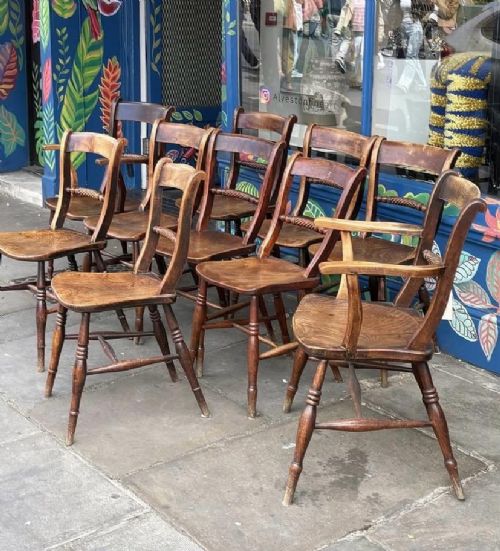
A dark brown turned chair is typically built from domestic hardwoods such as oak, elm, beech, or ash, showing deep brown patination acquired over centuries of use. Buyers searching for a dark brown turned chair encounter solid wooden seating from the seventeenth century onwards, encompassing vernacular country forms and revival styles.
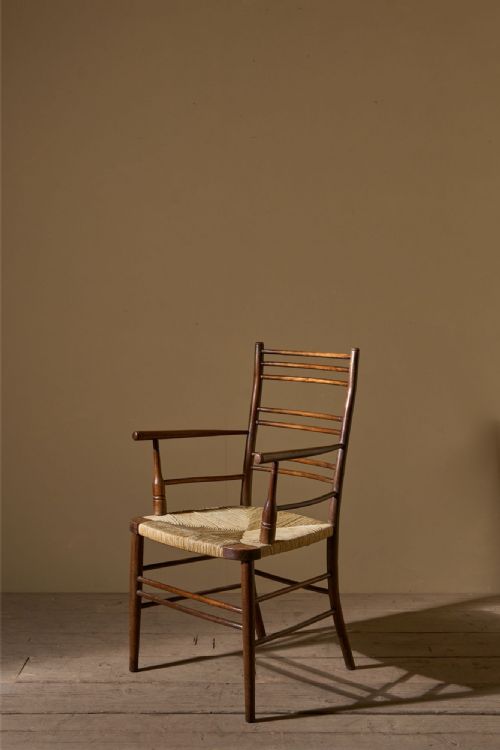
The selections available here span nineteenth-century turners chairs, bobbin-framed rocking chairs, and spindle-backed designs reflecting Jacobean revival and Arts and Crafts influences. These pieces range from low bedroom chairs to substantial armchairs and office seating.
Most examples originate from English country workshops or Victorian domestic contexts, utilising regional turning techniques that emphasise visible spindles and structural framing.
How they were made
Turners and rural carpenters shaped these chairs using lathes to form spindles, legs, and stretchers, which were then joined using mortise and tenon or pegged joints. Timbers like oak, ash, and beech provided the dense structural core required for heavy-use seating.
Seats were frequently formed from solid carved elm planks or woven from natural rush, while additional comfort was introduced through upholstered leather inserts or loose squabs.
Listings feature oak, elm, beech, and ash timbers across Victorian, Edwardian, and earlier revival periods.
What varies in quality
The distinction between ordinary utility seating and superior examples lies in the crispness of the spindle turning and the harmonious selection of timber grains across the frame. Master turners achieved balanced proportions and tight joints that endured heavy daily use without losing structural integrity.
Surface finish and original patination also dictate quality, as untouched timber surfaces displaying deep natural wax build-up hold greater integrity than overly stripped or heavily restored frames.
Codina·E W Godwin
The Dark Brown Turned Chair Glossary
- Turned chair
- A chair constructed primarily from turned wooden members shaped on a lathe. This ancient method produces repetitive decorative spindles and structural framing.
- Bobbin framing
- A style of turning that creates a series of rounded, spool-like shapes along the legs, arms, or stretchers. It gained popularity during the seventeenth century and saw revivals in the nineteenth century.
- Rush seat
- A seating surface woven from dried marsh rushes around a wooden frame. This technique creates a resilient and flexible support common in vernacular country chairs.
- Spindle
- A slender, turned piece of wood used structurally and decoratively in backs and underframes. Spindles distribute weight and provide rigid support.
- Stretcher
- A horizontal wooden brace connecting the legs of a chair to increase stability. Stretchers often feature turned details to match the upper framework.
Dark Brown Turned Chair: Frequently Asked Questions
What is a turned chair?
A turned chair is a form of seating built entirely or largely from components shaped on a woodturning lathe. These pieces rely on interlocking spindles, posts, and stretchers rather than flat panels.
Historically rooted in medieval and seventeenth-century joinery traditions, they reappeared during nineteenth-century revival periods as rustic statement pieces.
How are bobbin chairs dated?
Dating involves examining the wood species, tool marks, and construction methods used within the frame. Seventeenth-century originals feature native hardwoods with hand- split components and irregular turning.
Nineteenth-century revival pieces often display machine-tooled regularity, uniform timber selection, and factory-made secondary woods.
Are rush seats durable?
Natural rush seats offer surprising strength and flexibility when properly maintained in dry indoor environments. They are woven tightly around wooden frames to distribute weight evenly.
Avoid exposing rush to excessive moisture, which causes the dried plant fibres to weaken and break over time.
Where were these chairs used?
These chairs served primarily as functional seating in farmhouses, cottages, and country houses. Sturdy models were utilised in studies, parlours, and bedrooms as reading or desk chairs.
Their robust construction made them suitable for daily domestic tasks rather than formal dining rooms.