

Georgian Art Paintings
Georgian art paintings capture the likenesses and landscapes of past centuries through skilled brushwork and delicate miniature forms.
Georgian Art Paintings
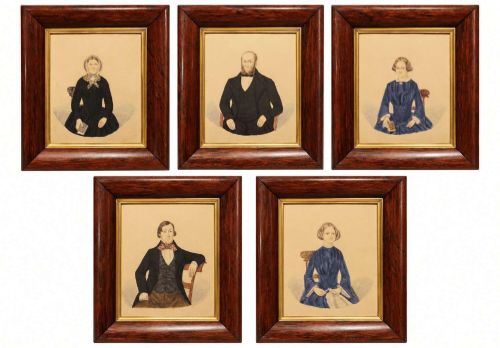
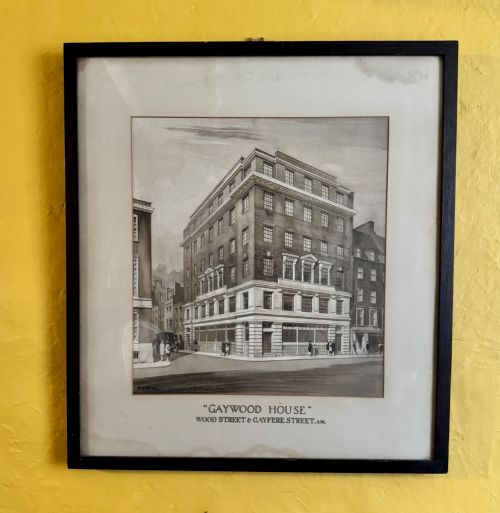
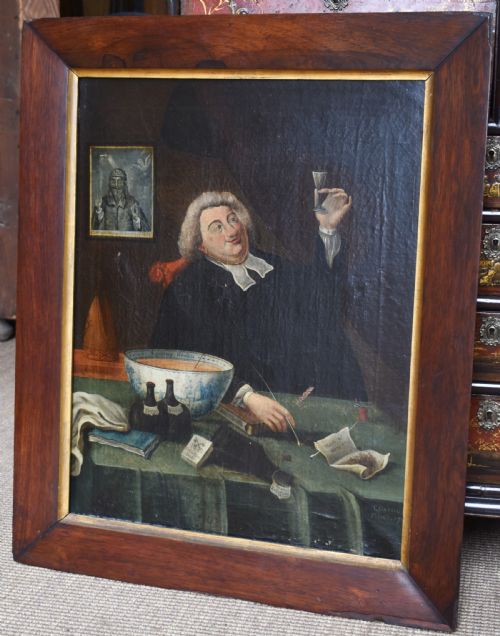
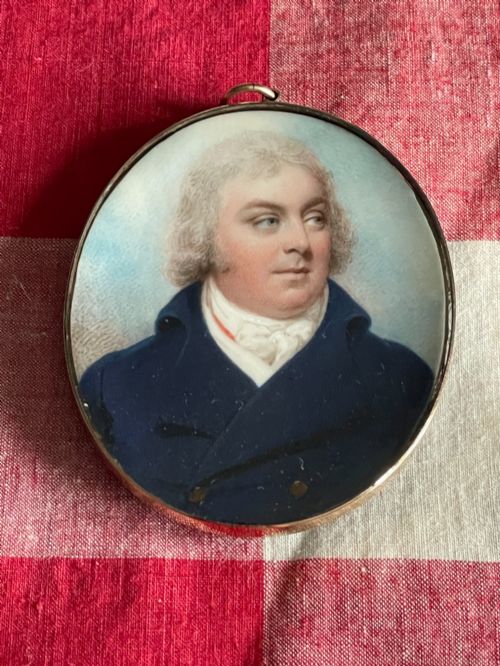
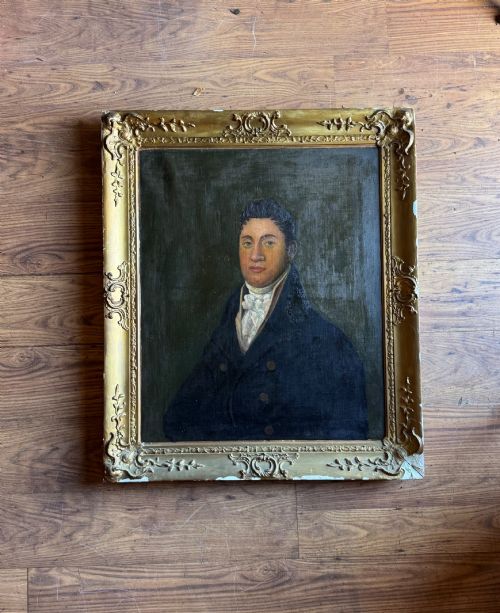
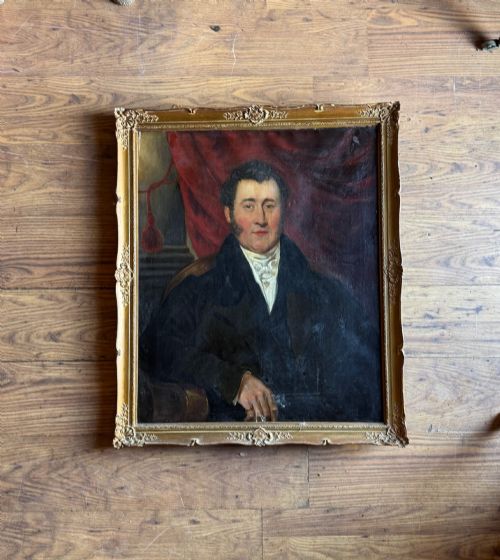
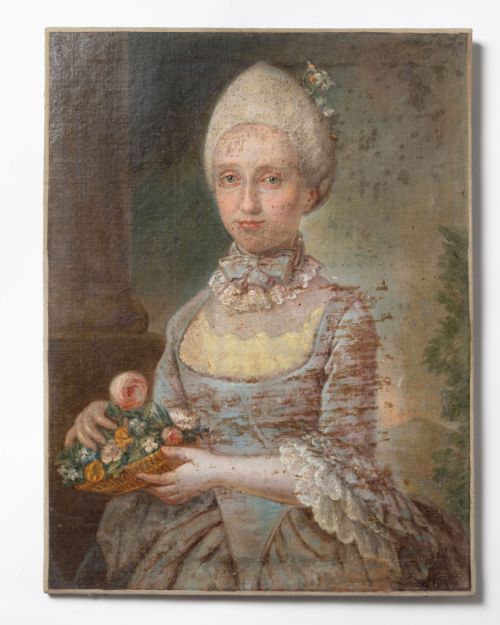
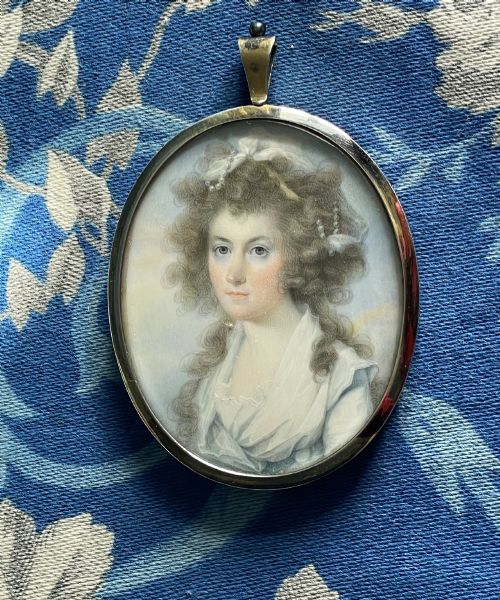
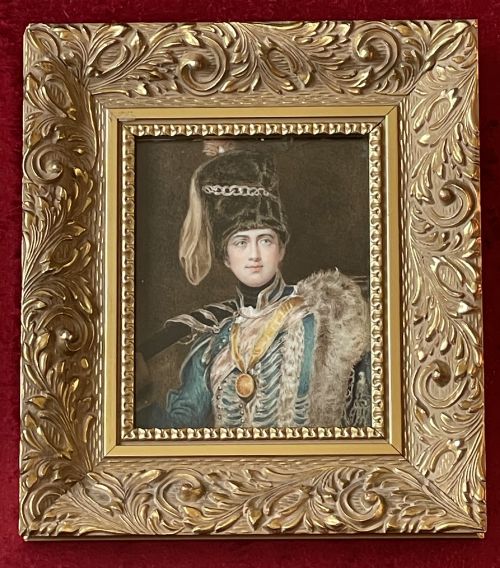
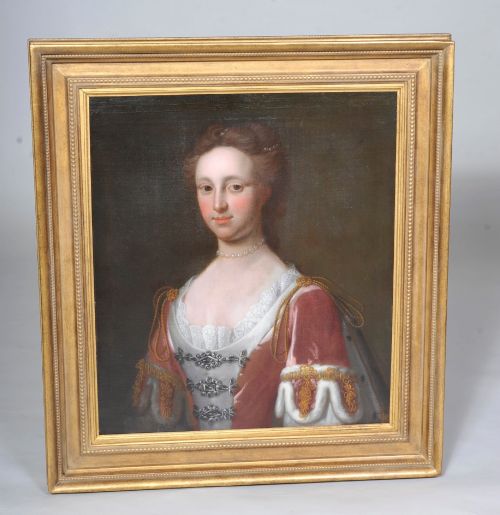
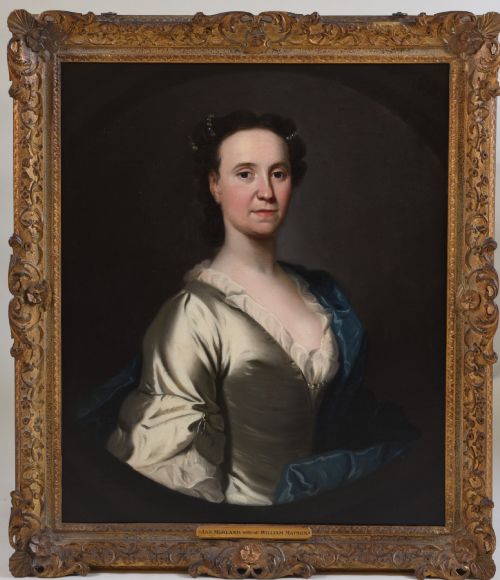
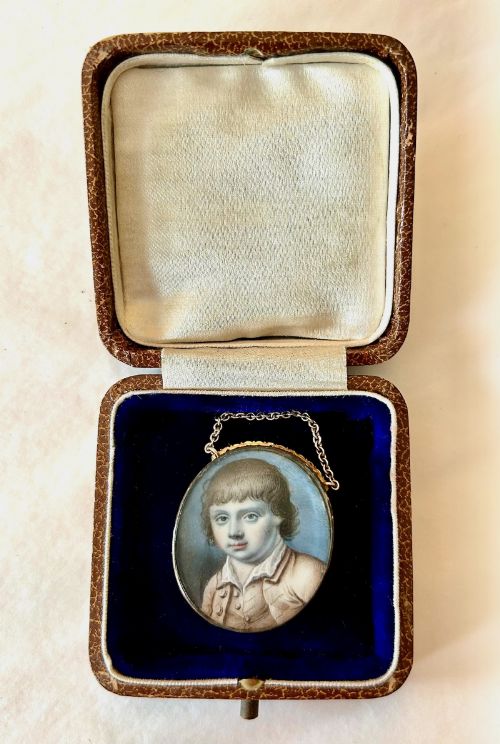
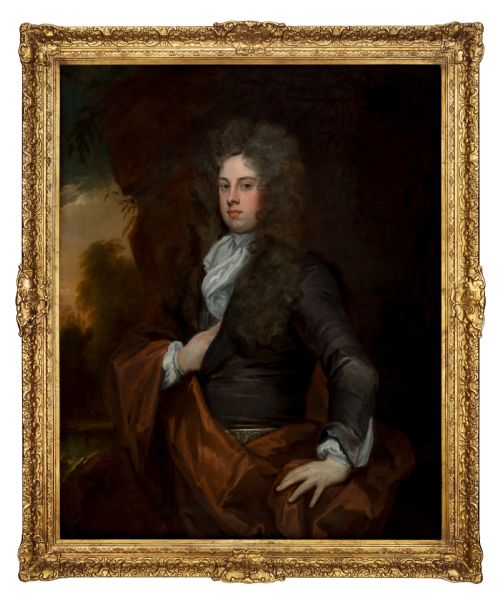
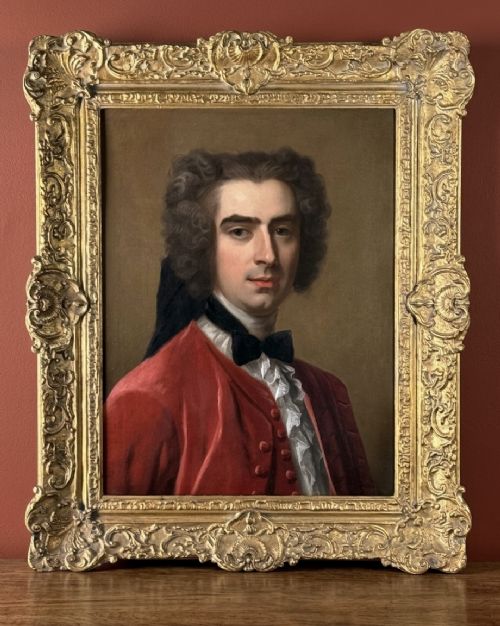
When searching for georgian art paintings, buyers encounter a diverse selection of portraiture, landscapes and domestic scenes spanning the seventeenth to the nineteenth centuries. The majority of works on this page comprise oil paintings on canvas and detailed portrait miniatures executed in watercolour on paper.
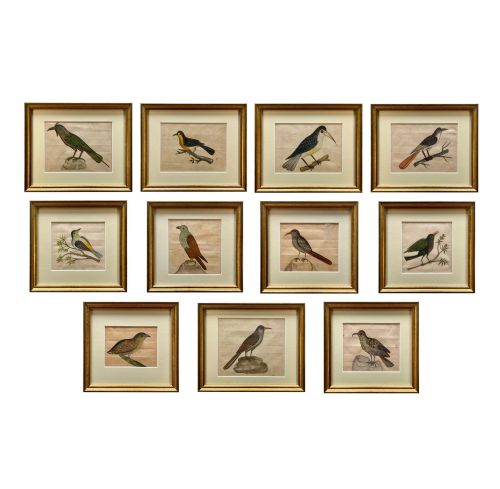
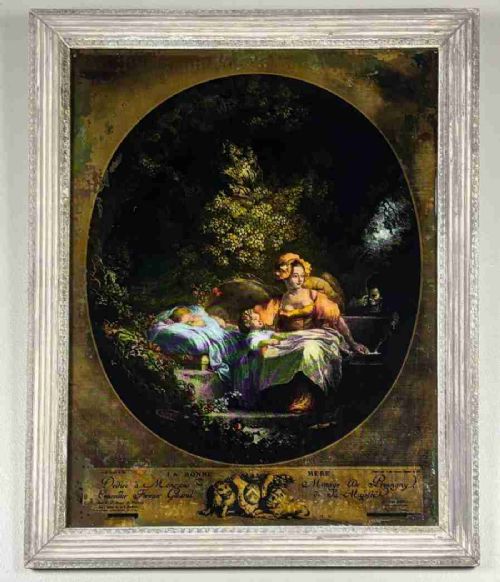
Subjects range from formal aristocratic commissions and military officers to charming folk art collages and intimate studies of children. Examples vary from large country house canvases to diminutive marriage portraits reverse painted on glass.
Materials and Technique
Artists of this era relied primarily on oil paint applied to stretched canvas, building rich layers of colour and depth to capture the textures of velvet coats, lace collars and powdered wigs. Miniature painters worked on fine paper, ivory or parchment, often mounting their delicate watercolours inside protective giltwood frames or folding cases.
Many large compositions utilised traditional wooden stretchers and heavy gilt frames, while domestic miniatures featured specialised glass protection. Folk art pieces incorporated mixed media such as gouache and collage elements to achieve distinct textures.
Georgian Art Paintings Retail Price Guide 2026
Typical asking prices for georgian art paintings among the pieces listed under this phrase on Sellingantiques today, from the lower quarter to the upper quarter. They describe what is for sale here now, not the wider market.
Subject matter includes military officers, domestic animals, grand tour landscapes and intimate marriage portraits.
Assessing Workmanship
Frame construction also indicates quality, with original hand-carved giltwood settings commanding greater appreciation than later replacements. The preservation of the original pigment without heavy overpainting determines the integrity of the surviving surface.
Jean-Baptiste Van Loo·James Ferguson·Francis Lindo·Anna Tonelli·John Russell·Charles Jervas·Jacob Philipp Hackert·Frederick Buck·Thomas Lawrence·Margaret Sarah Carpenter·Thomas Beach·Allan Ramsay
The Georgian Art Paintings Glossary
- Portrait miniature
- A small, highly detailed painting, typically a portrait, executed on a small scale for intimate display or personal wear. These works often utilised watercolour on paper or ivory.
- Giltwood
- Wood that has been covered with a thin layer of gold leaf or gold paint. This finish was commonly applied to ornate antique picture frames.
- Reverse painted on glass
- A technique where an image is painted directly onto the back side of a glass panel and viewed from the front. This method protects the pigment from dust and environmental wear.
- Folk art
- Artistic work created by untrained or self-taught individuals working within a community tradition. These pieces often emphasise utility and straightforward charm over academic rules of perspective.
Georgian Art Paintings: Frequently Asked Questions
How do I care for antique oil paintings?
Keep paintings away from direct sunlight and dramatic temperature fluctuations to prevent the canvas and paint from cracking.
Dust the surface very gently with a soft, dry brush and avoid using liquid cleaners or chemical solvents on the pigment.
Where were portrait miniatures displayed?
These small works were often kept in private chambers, carried in pockets or worn as personal lockets close to the heart.
Their intimate scale suited personal gifting and remembrance among family members during the eighteenth and nineteenth centuries.
How can I tell the period of a frame?
Examine the corner joints, the composition of the gesso layer underneath the gold leaf and the type of wood used at the back.
Original frames often show natural shrinkage cracks and wear patterns that match the age of the canvas inside.
What distinguishes folk art from formal portraits?
Formal commissions followed strict academic rules of proportion, lighting and idealized likeness championed by portrait academies and established studios.
Folk art pieces relied on direct observation and flat planes of colour, prioritizing character and narrative charm over classical flattery.