






Georgian Art Decor
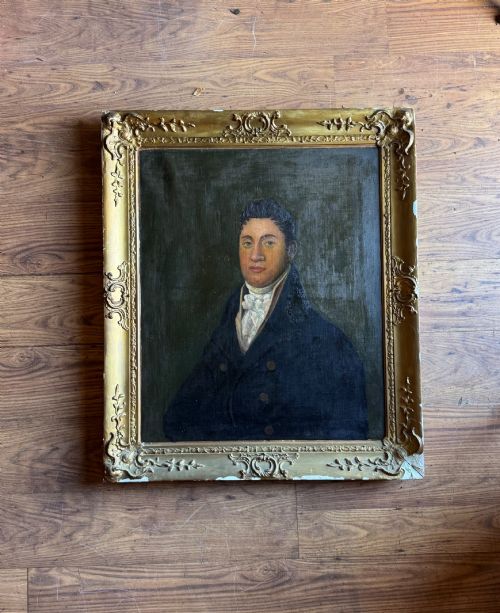
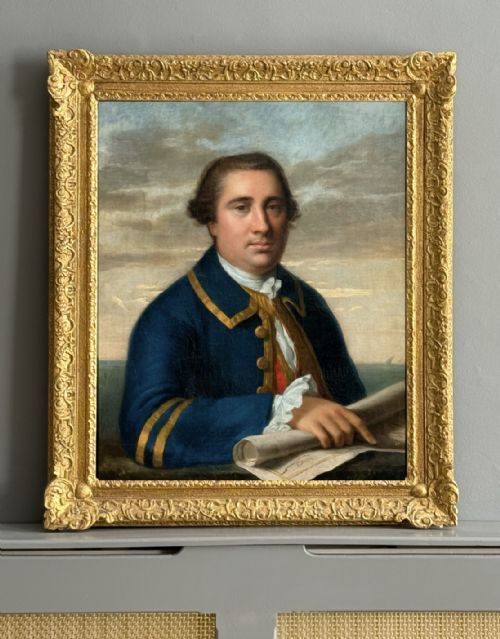
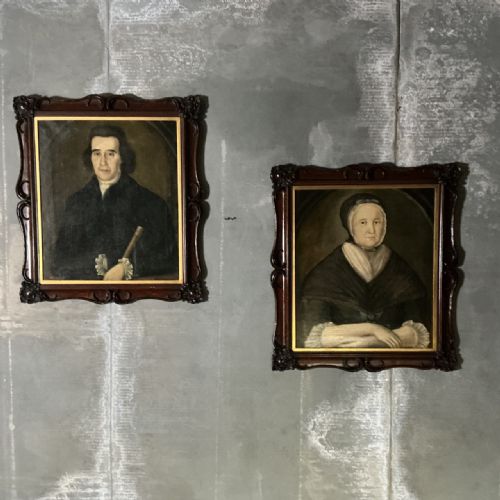
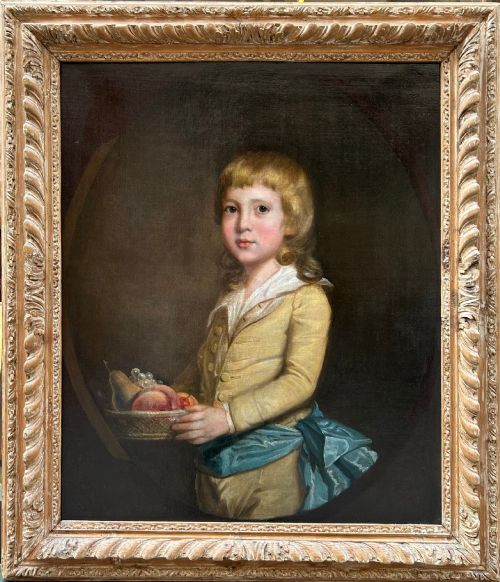
Georgian art decor brings together 18th century and Regency wall art, paintings, and framed prints to furnish period interiors.
Georgian Art Decor
When you search for georgian art decor, you encounter wall art ranging from oil paintings and portraits to reverse glass prints and framed engravings. The pieces span the eighteenth century and the Regency period, capturing the visual culture of those eras.
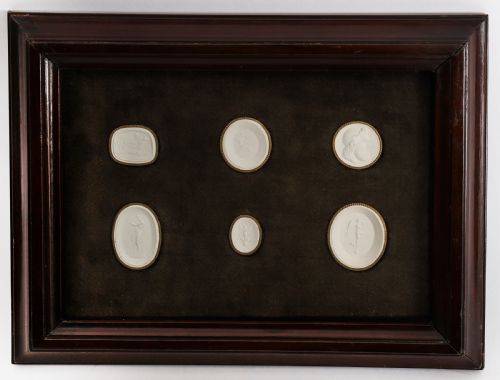
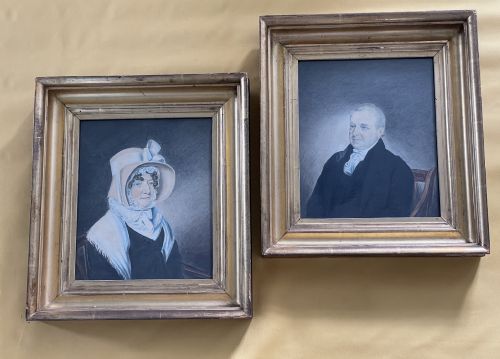
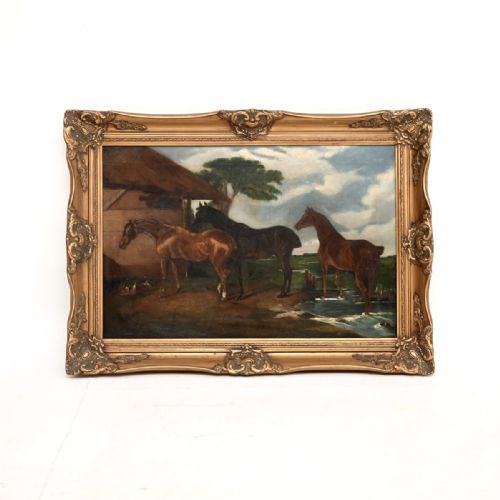
You are most likely to meet framed portraits, classical intaglios, animal studies, and topographical prints on this page. These works reflect the domestic tastes of Georgian homes, where framed pictures and wall plaques ornamented the principal rooms.
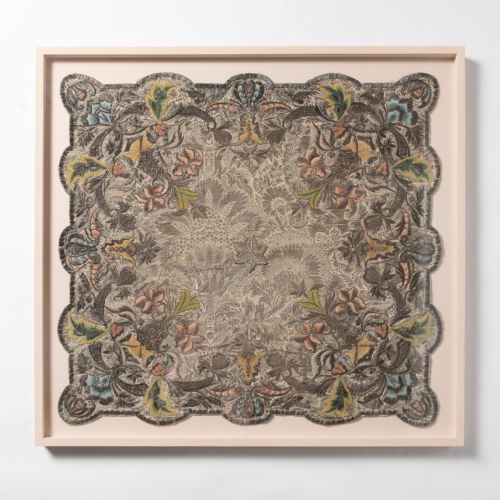
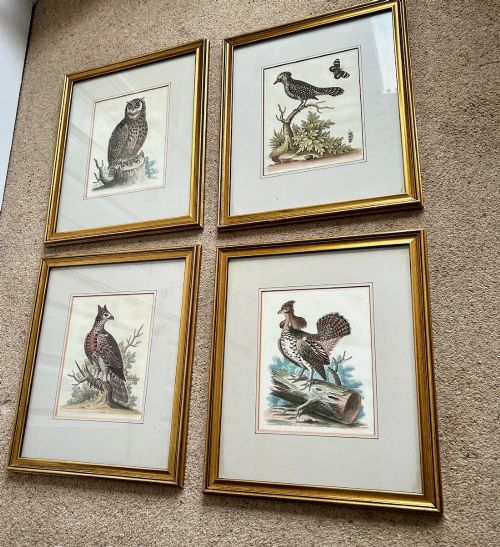
The selection includes original canvases alongside hand-coloured prints, maps, and decorative wall plaques. Each format represents how art was produced and displayed in British and European households during the Georgian and Regency periods.
How they were made
Makers utilised wood, canvas, and glass as the primary supports for paintings and prints. Oil on canvas and oil on pine panel form the basis of the painted works, while reverse glass mezzotints and prints employ specialist glass and paper techniques.
Giltwood and gold leaf provide the framing materials that define the appearance of many pieces. Engravings and stipple prints received hand-colouring applied directly over the printed lines to achieve depth and tone.
Georgian Art Decor Retail Price Guide 2026
Typical asking prices for georgian art decor among the pieces listed under this phrase on Sellingantiques today, from the lower quarter to the upper quarter. They describe what is for sale here now, not the wider market.
The inventory records multiple regional map makers, including Rob't Morden and French cartographers from the late seventeen-eighties.
What varies in quality
The distinction between tiers rests upon the execution of the hand-painted details and the preservation of the original surface. Finer oil paintings exhibit accomplished brushwork in facial expressions and textiles, whereas simpler works display more direct, naive execution.
The condition of the materials significantly influences the standing of a piece. Intact original frames, clear reverse glass paintwork, and strong paper pigments distinguish higher examples from those with heavy restoration or surface loss.
Fletcher After Sebastiaan Vrancx·Lemuel Francis Abbott·Thomas Beach·George Edwards·William Williams
The Georgian Art Decor Glossary
- Mezzotint
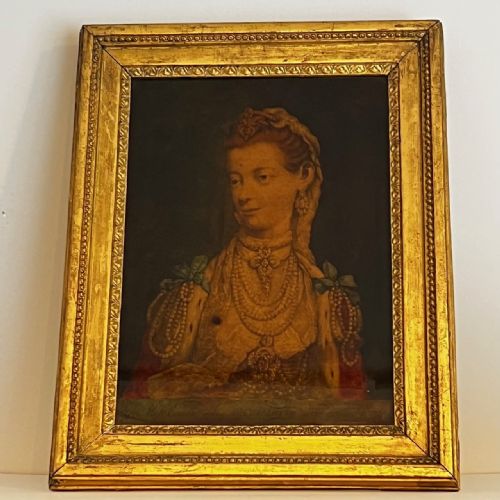
- A printmaking process of the printmaker scraping a roughened metal plate to achieve tonal graduation. This technique produced rich dark areas and subtle light effects favoured in eighteenth-century portraiture.
- Reverse glass painting
- An artwork created by applying pigment directly to the back of a glass sheet and viewing the finished image from the front. This method requires the artist to paint background details before foreground subjects.
- Intaglio
- A gem or gemstone carved with a depressed design so that an impression in wax can be raised from it. Grand Tour travellers collected these classical miniature carvings during the eighteenth and nineteenth centuries.
- Stipple engraving
- A method of creating prints using dots rather than continuous lines to render form and tone. Publishers frequently hand-coloured these prints after publication to increase their decorative appeal.
- Plumbago
- A drawing executed in graphite, taking its name from the Latin word for lead ore. These monochromatic works achieved fine detail in portraiture before the widespread adoption of modern pencils.
Georgian Art Decor: Frequently Asked Questions
What defines georgian art decor?
Georgian art decor encompasses paintings, engravings, and wall plaques created during the eighteenth and early nineteenth centuries. The objects reflect the aesthetic preferences of the period through classical portraiture, topographical views, and decorative prints.
These works were produced to decorate domestic interiors, often housed in period frames such as Hogarth mouldings or giltwood surrounds. They offer a direct link to the visual culture of Georgian and Regency households.
How were reverse glass prints made?
Reverse glass prints required the artisan to apply ink or paint to the rear surface of a glass plate. The image had to be constructed in reverse order, starting with the highlights and finishing with the background elements.
Once viewed from the front, the glass protected the pigments from dust and fading while imparting a glossy finish to the artwork. This technique was popular for decorative portraits and historical scenes.
Where were these pieces displayed?
Georgian art decor was primarily hung in the principal reception rooms, parlours, and private chambers of townhouses and country estates. Larger oil paintings and framed mirrors anchored the walls above mantelpieces, while smaller engravings were arranged in groupings.
Maps, botanical studies, and natural history prints often adorned libraries and study spaces. Their placement reflected both an interest in polite learning and a desire to display family lineage.
How do I care for antique paintings?
Antique paintings require stable environmental conditions away from direct sunlight and excessive humidity. Maintaining consistent indoor temperatures prevents the canvas, wood panels, and paper supports from warping or cracking over time.
Dusting should be performed gently using a soft, dry brush without applying liquid cleaners to the painted surface or gilt frames. Professional conservators should handle any structural repairs or surface cleaning.