





Georgian Apothecary Glass
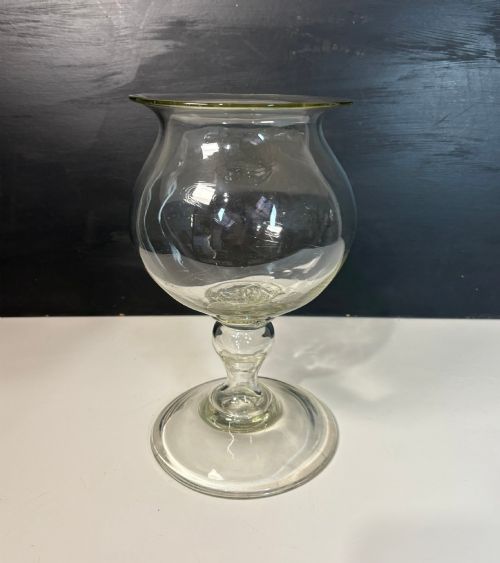
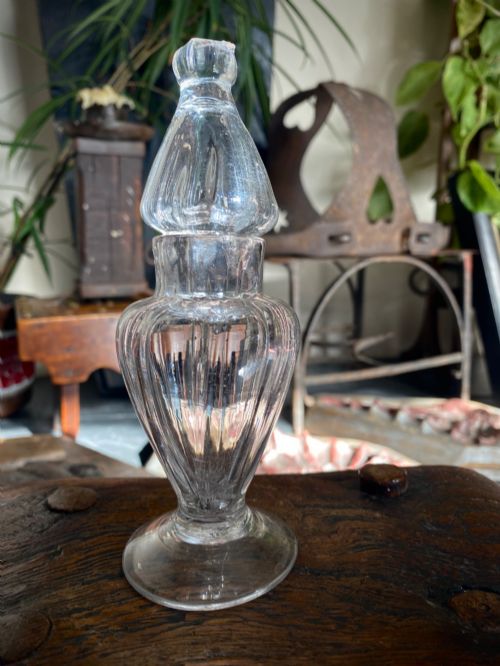
Georgian apothecary glass represents the functional medicine bottles and feeding cups of the Georgian and Regency periods, prized for their clear glass and historic utility.
Georgian Apothecary Glass
When you search for georgian apothecary glass, you encounter functional containers spanning the Georgian, Regency, and Victorian periods. These pieces include tincture bottles, feeding cups, and glass apothecary jars.
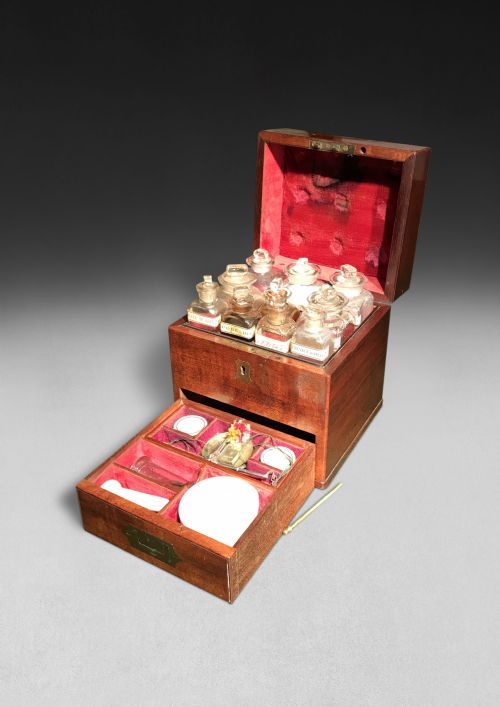
The versions most commonly met on this page are housed within fitted mahogany travelling cases or cabinets made of mahogany, complete with brass and paper elements. Many survive alongside their original bottles and internal drawers.
Origins stretch from the early nineteenth century into the Victorian era, showing how medical equipment travelled. The objects reflect domestic and professional medical storage of the past.
Materials and construction
Makers utilised clear glass, lead crystal glass, and cut glass to form the bottles, jars, and feeding cups. These materials provided the necessary clarity and durability for storing medical substances.
Cases and cabinets were constructed from mahogany, occasionally featuring brass fittings, velvet linings, and gold leaf details. Inlaid woodwork and fitted interiors secured the delicate glass containers during transport.
Georgian Apothecary Glass Retail Price Guide 2026
Typical asking prices for georgian apothecary glass among the pieces listed under this phrase on Sellingantiques today, from the lower quarter to the upper quarter. They describe what is for sale here now, not the wider market.
Current listings feature items spanning the Georgian, Regency, and Victorian periods, constructed from glass, mahogany, brass, and velvet.
Assessing quality in the range
Quality separates pieces by the completeness of their fitted interiors and the survival of original glass bottles. Cabinets that retain all their original components sit at the top of the range.
Finishing details such as mahogany inlay, brass hardware, and the clarity of lead crystal glass distinguish superior examples from simpler travelling cases.
The Georgian Apothecary Glass Glossary
- Tincture bottle
- A glass vessel designed to hold medicinal extracts dissolved in alcohol. These bottles form the primary glass content inside apothecary chests.
- Feeding cup
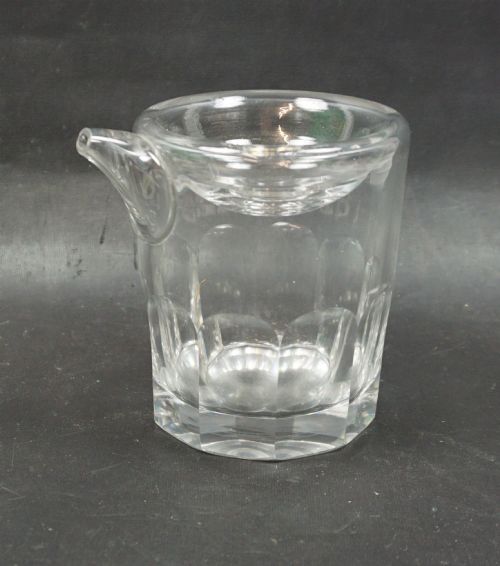
- A specialised glass vessel featuring a spout, used for administering liquid nourishment to invalids. Examples occur in clear lead crystal glass.
- Apothecary box
- A fitted wooden case housing medical bottles, scales, and related equipment. These boxes often feature drawers and secure brass locks.
- Lead crystal glass
- A heavy, clear glass variety containing lead oxide to increase brilliance and weight. This material appears in nineteenth-century feeding cups and jars.
Georgian Apothecary Glass: Frequently Asked Questions
What is georgian apothecary glass?
Georgian apothecary glass encompasses the bottles, jars, and feeding cups used for medical purposes during the Georgian and Regency eras. These items were designed to hold liquid medicines and remedies safely.
Most surviving pieces are found housed inside fitted mahogany travelling cases or medicine chests alongside original glass components.
How were apothecary boxes used?
Apothecary boxes served as portable pharmacies for doctors, travellers, and households during the nineteenth century. They kept medicines, scales, and mixing equipment organised and protected during transit.
The fitted interior ensured that individual glass bottles remained secure within the mahogany chest.
How do you date these glass pieces?
Dating relies on the manufacturing characteristics of the glass, the style of the mahogany cabinetry, and accompanying documentation or labels. Pieces associated with the Regency period often display specific cabinet joinery.
Comparison with dated examples helps place items within the Georgian, Regency, or early Victorian eras.
Are original bottles usually included?
Many surviving mahogany apothecary cabinets retain their original collection of glass bottles and jars. Complete sets with matching glassware are particularly valued by collectors.
Some travelling cases also preserve internal drawers, paper labels, and velvet linings from the period.