



Antique Pharmacy Glass Jar
An antique pharmacy glass jar holds the quiet chemistry of past centuries, offering heavy blown forms and colourful labels that anchor a room.
Antique Pharmacy Glass Jar
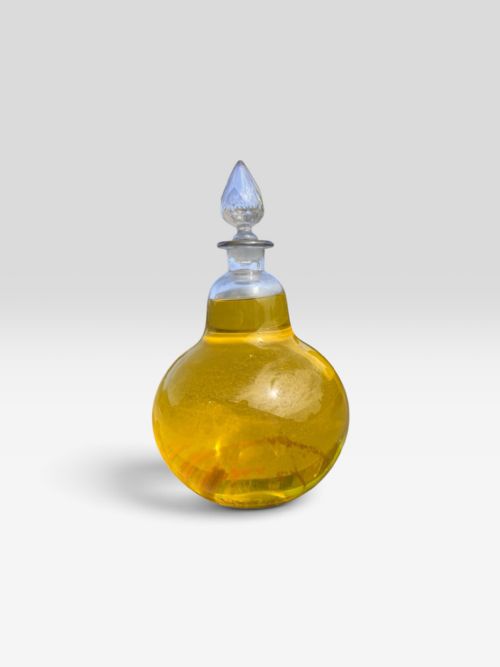
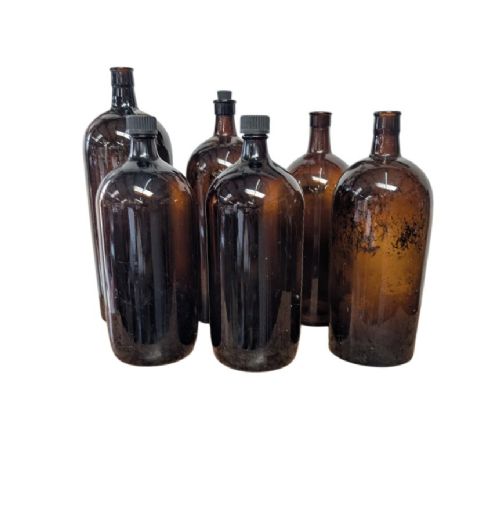
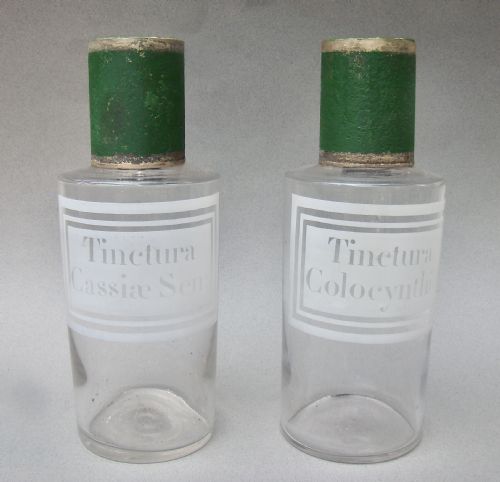
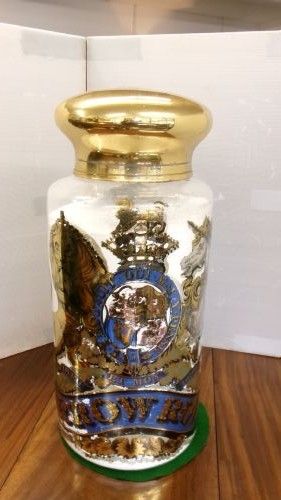
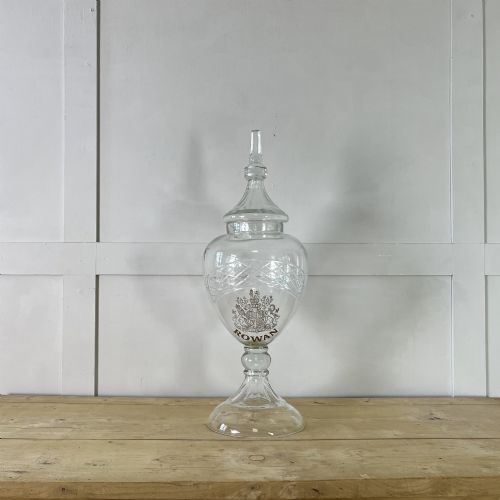
An antique pharmacy glass jar serves as a tangible link to historical dispensaries, encompassing vessels designed for medicinal storage, display, and preparation. Buyers seeking these items encounter a variety of forms including large carboys, covered display jars with arrowroot or gelatine inscriptions, and smaller tincture bottles.
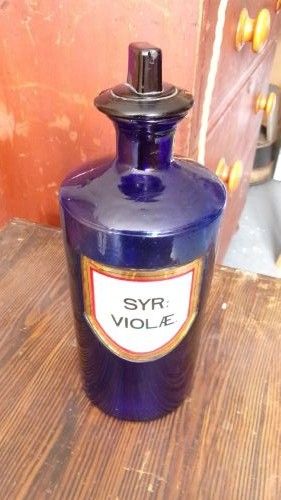
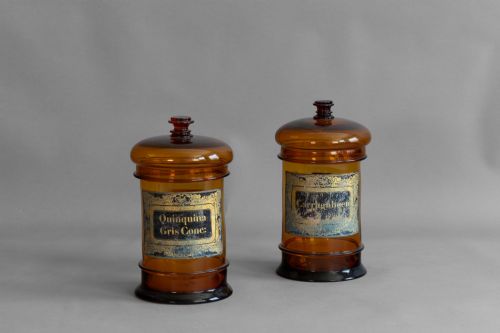
The pieces on this page span from the Georgian era through the Victorian and Edwardian periods up to the 1930s. Common configurations include pairs of French amber jars, Bristol blue chemist bottles with lollipop stoppers, and extensive sets of drug bottles.
Originating predominantly from English and French workshops, these objects range from utilitarian medicine chest containers to substantial display vessels intended for shop windows. The selection captures both utilitarian function and decorative appeal through etched surfaces, gold leaf accents, and paper labels.
Assessing Quality and Character
Quality in these vessels rests upon the clarity and colour saturation of the glass, alongside the integrity of any original hand-painted or gold leaf labelling. Pieces featuring intact original stoppers command greater interest from collectors than those matched later.
The weight and wall thickness of the blown glass dictate the substance of the jar, with larger carboys and display pieces demonstrating considerable skill in handling molten material. Surviving paper labels and crisp etched inscriptions further elevate the individual character of a vessel.
Arrowroot and gelatine once shared shelf space with mysterious tinctures inside these heavy glass containers.
The Antique Pharmacy Glass Jar Glossary
- Carboy
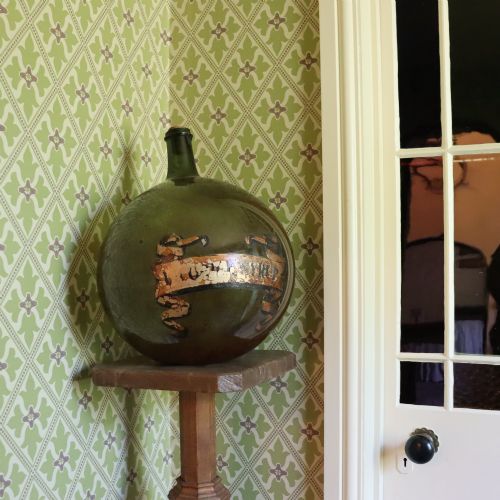
- A large globular glass bottle or jar, often enclosed in wicker or fitted with a base, used in pharmacies for holding liquids in bulk. These substantial vessels frequently sat in shop windows to catch the light.
- Tincture bottle
- A small glass container specifically designed to hold alcoholic solutions of medicinal substances. They typically feature tight ground-glass stoppers to prevent evaporation.
- Lollipop stopper
- A glass closure characterised by a flat, circular disc top above a ground stem, commonly found on chemist bottles from the Victorian period. This shape allowed for easy handling with fingers or gloves.
- Pontil mark
- A rough scar left on the base of hand blown glassware where the pontil rod was snapped off after shaping. Its presence confirms traditional manufacture before modern mould-blown automation.
- Gelatine jar
- A specialised pharmacy container labelled for specific apothecary preparations such as gelatine or arrowroot. These jars often retain their original covers and paper or painted labels.
Antique Pharmacy Glass Jar: Frequently Asked Questions
What were pharmacy jars used for?
Apothecaries and chemists utilised these glass vessels to store dry drugs, herbs, and liquid tinctures safely away from moisture and light. Larger carboys held bulk liquids, while smaller labelled bottles lined wooden shelves in dispensary interiors.
Over time, these utilitarian containers transitioned into decorative objects prized for their rich colours, handwritten or gold-leaf labels, and associations with historical medicine.
How do I date an antique glass jar?
Dating relies heavily on manufacturing techniques, such as identifying a rough pontil mark on the base which typically points to nineteenth-century or earlier production. Style changes in lettering, stopper design, and glass hues from Georgian to Edwardian periods also provide reliable chronological markers.
Examining the type of label - whether painted, etched directly into the glass, or printed on paper - helps narrow down the decade of manufacture.
Are original stoppers important?
Original stoppers that match the ground neck of the bottle greatly enhance the completeness and visual harmony of the piece. Finding a jar with its factory-original closure is particularly desirable for collectors.
Replacement stoppers occur frequently due to centuries of daily use in busy dispensaries, though well-matched period alternatives remain acceptable for display.
How should I display pharmacy jars?
Placing these glass vessels near natural light allows the amber, blue, green, and clear glass to showcase its colour and internal bubbles. Grouping sets of bottles or displaying a single large carboy creates a strong focal point in a study or living space.
Ensuring stable shelving is essential, particularly with heavy nineteenth-century carboys and large display jars that carry considerable weight.