


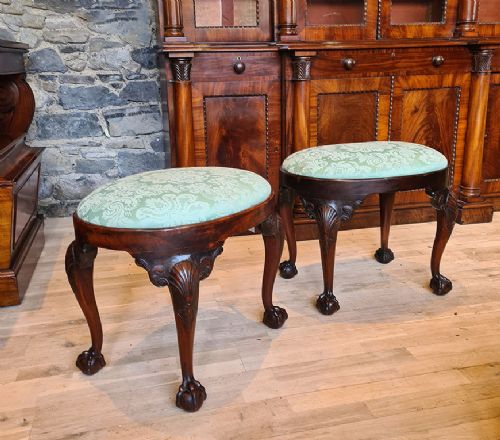


Georgian Accent Stool
A georgian accent stool brings honest craftsmanship and period character into a modern room, offering sturdy seating with centuries of history.
Georgian Accent Stool
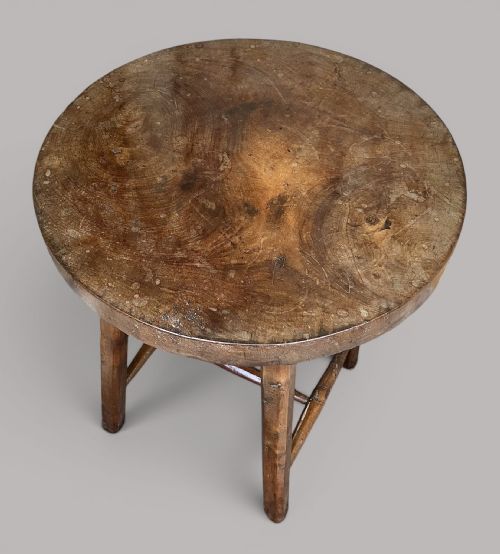
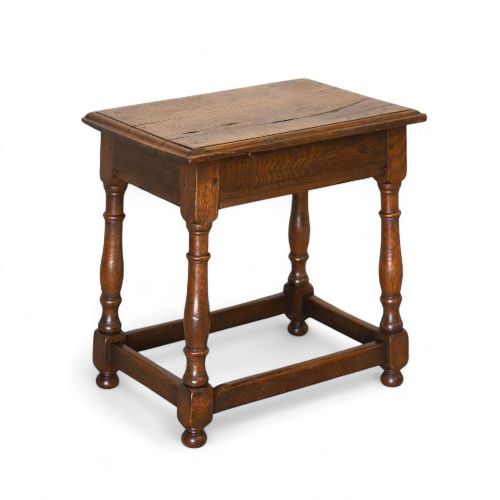
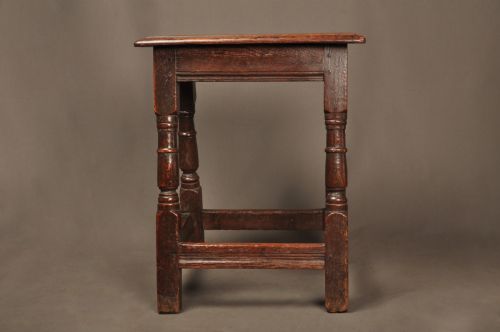
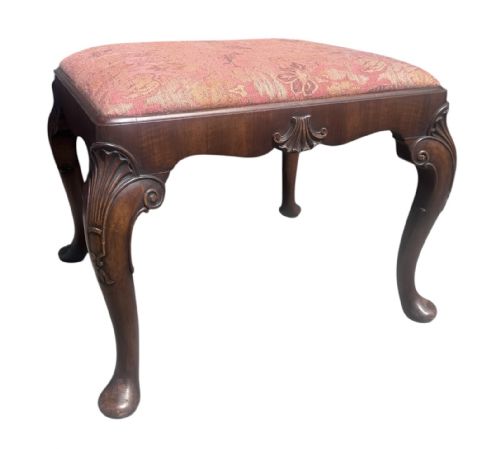
A georgian accent stool embodies the practical seating solutions of the eighteenth century and subsequent revival periods, spanning vernacular oak pieces and formal mahogany designs. When exploring this selection, buyers encounter sturdy joint stools, low footstools, and three-legged country examples alongside occasional tables and benches.
The material palette reflects the domestic woods of Britain and Ireland, principally oak, walnut, elm, and ash, often softened with early fabric, textile, or needlepoint upholstery. These items serve equally as standalone decorative objects and functional seats in hallways or living spaces.
How they were made
Makers constructed these pieces using traditional joinery, relying on pegged mortise and tenon joints to build rigid frames from solid timbers such as oak, walnut, and elm. Turning lathes shaped legs and stretchers, while hand carving added subtle ornamentation to rails and aprons.
Upholstered versions utilised drop-in seats or direct webbing covered in durable textiles, brass tacks, and needlepoint. Surfaces received natural finishes that developed rich patination over generations of daily use.
The selection includes functional forms ranging from three-legged country stools to Irish George III oval seats and refined hall benches.
What varies in quality
Quality rests upon the integrity of the timber and the preservation of original surfaces, where untreated patination and rich colour separate superior examples from later replacements. The crispness of hand-turned legs and the tightness of early joints indicate the maker's original skill.
Proportion and structural balance distinguish vernacular utility pieces from refined parlour furniture, ensuring that a sturdy frame remains as intended without excessive timber replacement.
Gillows
The Georgian Accent Stool Glossary
- Joint stool
- A sturdy wooden seat constructed with mortise and tenon joints pegged together, common in domestic interiors before the widespread adoption of upholstered chairs. These pieces often double as small side tables.
- Needlepoint
- A form of canvas work embroidery used for historic seat covers and upholstery, stitched with wool or silk threads in repeating patterns. Original needlepoint adds considerable decorative interest to period frames.
- Vernacular
- Everyday objects made by local craftspeople using regional materials, prioritising utility over high-style academic design. These items reflect the practical needs of English and Irish country life.
- Patina
- The surface sheen and deep coloration developed by wood and metal over decades of handling, polishing, and exposure to light. A desirable patina signals authenticity and age.
Georgian Accent Stool: Frequently Asked Questions
Are these stools comfortable to sit on daily?
Most historic stools offer firm, upright seating designed for short tasks rather than long lounging. Wooden tops and tautly sprung or padded upholstery provide sturdy support in hallways or studies.
Padded variants with original needlepoint or textile covers require gentle treatment to preserve the historic fabrics. Many owners use them as decorative plant stands or occasional side tables alongside seating.
How do I identify a genuine period piece?
Authentic items display consistent tool marks, natural timber shrinkage, and historic wear patterns around the feet and edges. Examining the underside reveals the construction methods and pegging characteristic of older workshops.
Secondary woods and replacement stretchers often tell the story of a piece's working life. Comparing the joinery style helps distinguish eighteenth-century origins from later revival interpretations.
Where should I place an accent stool?
These compact seats fit easily into narrow hallways, beside fireplaces, or tucked beneath console tables. Their modest scale allows them to function flexibly across different rooms without dominating the floor plan.
Keeping them away from direct heat sources and strong sunlight protects the old timber and delicate textiles from drying out or fading.
What is the difference between oak and walnut stools?
Oak pieces typically belong to the earlier vernacular tradition, featuring heavier timbers, pegged joints, and utilitarian forms suited to country interiors. They present a robust, coarse-grained appearance that deepens in colour over centuries.
Walnut versions often reflect more refined urban tastes, displaying smoother surfaces, finer turnings, and occasionally more elaborate upholstery. Both woods demand simple wax maintenance to preserve their historic character.