
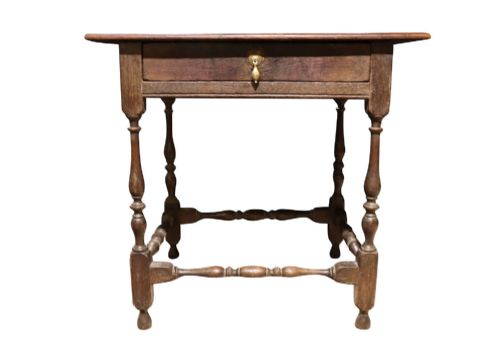
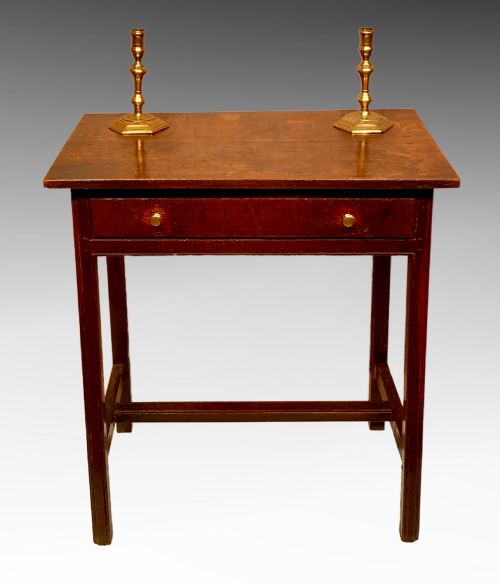
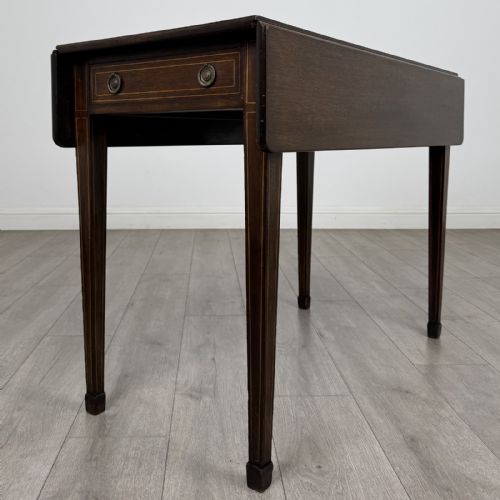
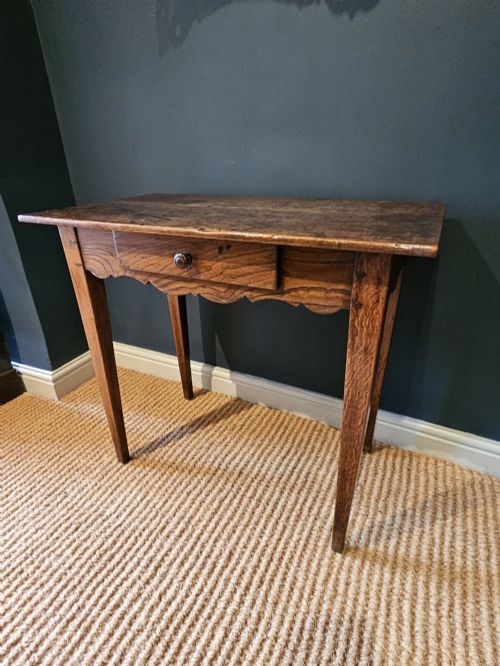
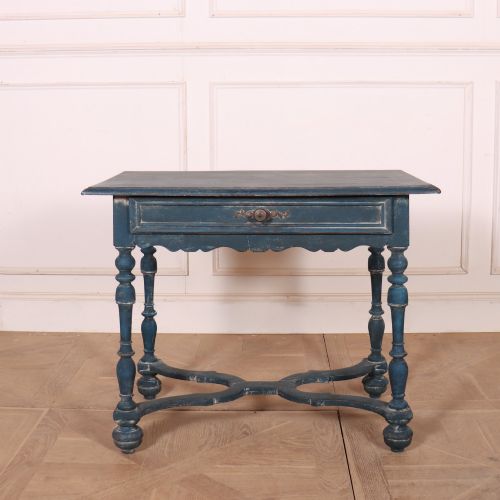
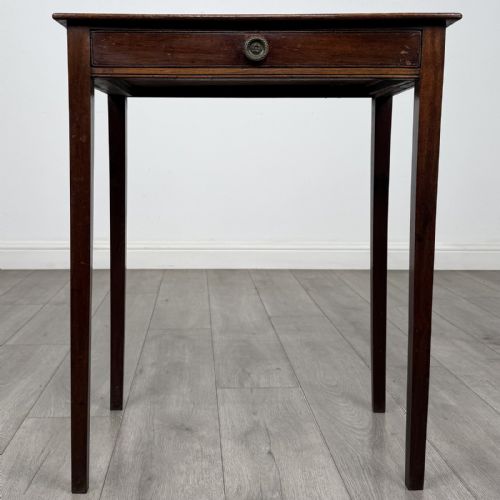
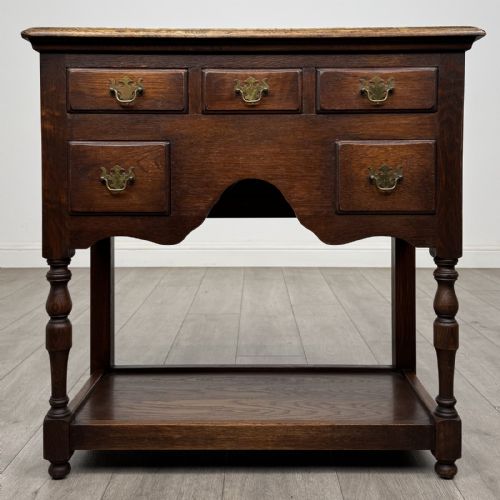
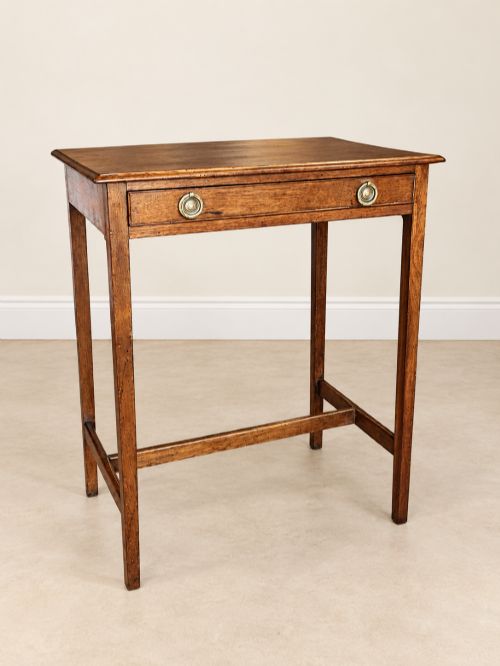
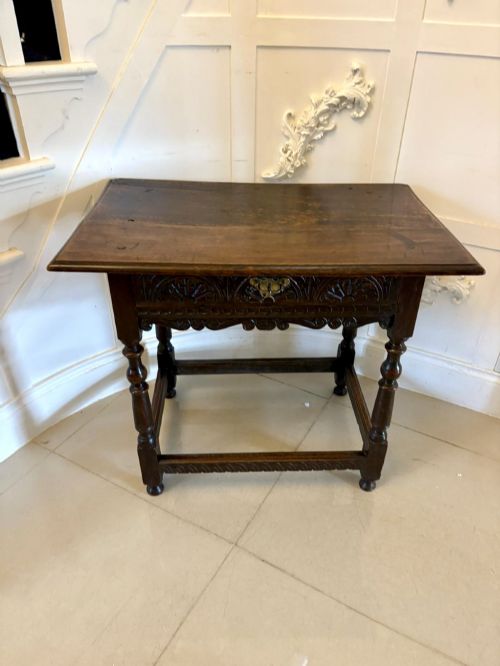
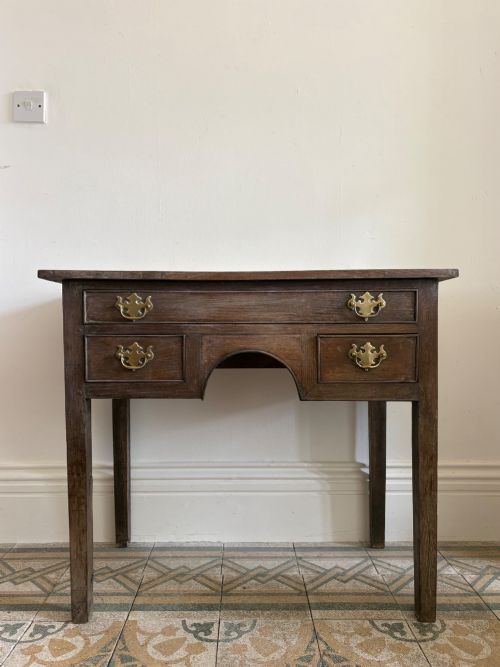
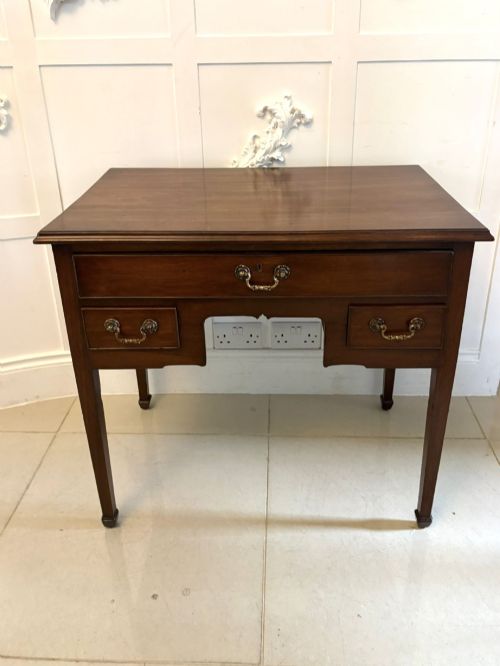
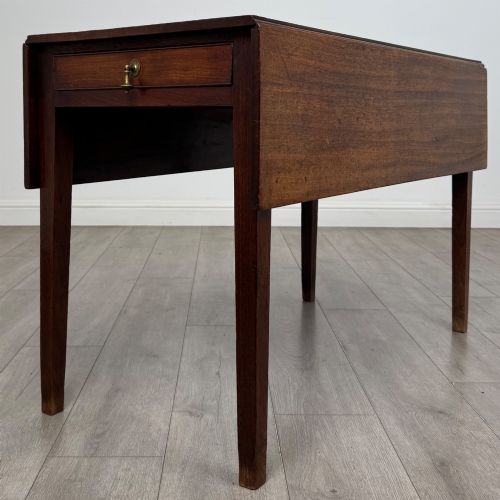
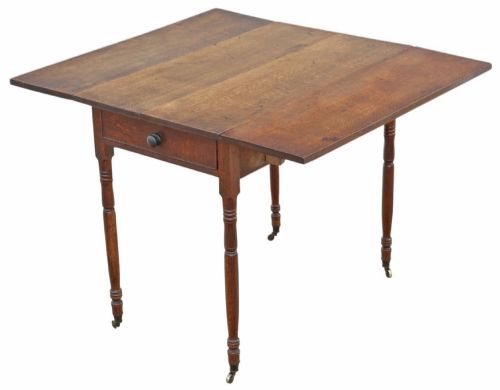
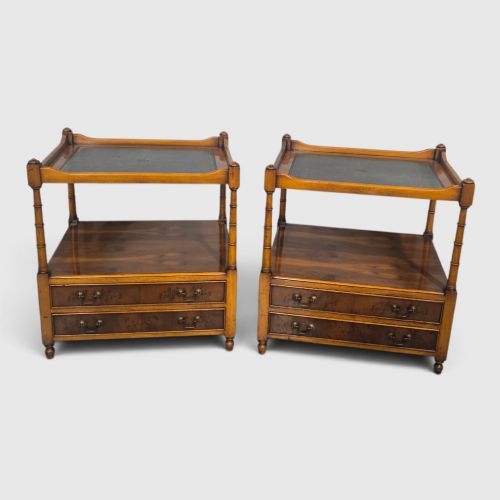
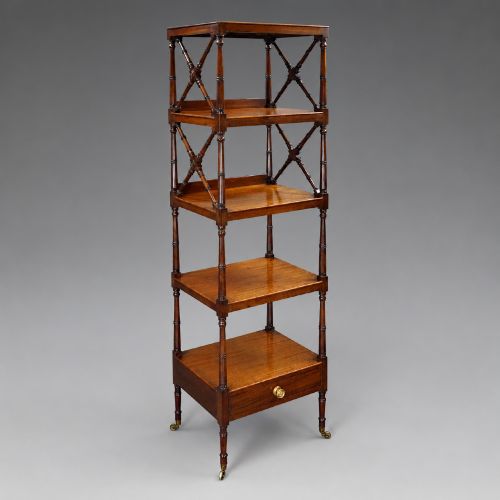
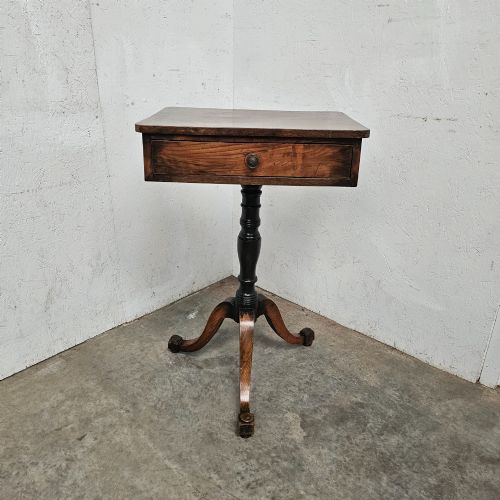
Georgian Accent Drawer Table
A georgian accent drawer table brings compact utility and period character to a room, offering small-scale surface space and fitted storage.
Georgian Accent Drawer Table
A georgian accent drawer table typically takes the form of a side table, lowboy, pembroke table, or lamp table designed with a functional drawer. The selection spans the eighteenth century through to the nineteenth century, encompassing Georgian, George III, Regency, and Victorian periods.
Makers and joiners constructed these tables primarily for domestic utility, utilising forms such as drop-leaf pembroke tables, compact lamp tables, and lowboys. Oak, mahogany, and elm appear frequently, reflecting the standard timbers utilised during the Georgian era and subsequent periods.
Buyers encountering this phrase will find versatile small tables suited for placement beside seating or against walls. The inventory includes variants with satinwood inlay, faux bamboo painting, leather inserts, and cross banding in partridge wood.
Materials and construction methods
Cabinet makers relied heavily on solid hardwoods like mahogany, oak, walnut, and yew, often pairing them with secondary timbers. Surfaces frequently feature decorative elements such as burr walnut grain, satinwood, and partridge wood cross banding.
Construction techniques included drop-leaf mechanisms for pembroke tables, fitted drawers with side or centre runners, and occasional painted finishes such as faux bamboo. Joinery standards varied from country workshop constructions in elm and fruitwood to refined urban pieces in Cuban mahogany.
Listings span the eighteenth, nineteenth, and twentieth centuries, featuring forms from lowboys and pembroke tables to bedside cabinets in oak, mahogany, and yew.
What separates the tiers
The degree of refinement in timber selection and secondary details dictates the standing of an individual table. Tables featuring figured Cuban mahogany, burr walnut, or detailed satinwood inlay sit apart from plainer utilitarian examples in oak or fruitwood.
Design sophistication also marks the distinction between standard items and superior examples. Distinctive proportions, such as serpentine fronts or unusual forms like lowboys and specialised work tables with removable sewing baskets, demonstrate greater craftsmanship.
The Georgian Accent Drawer Table Glossary
- Lowboy
- A small dressing table or side table featuring one or more drawers and cabriole or straight legs. They date predominantly from the eighteenth century.
- Pembroke table
- A small form of side table featuring hinged drop leaves on either side. These leaves allow the surface area to expand when required.
- Cross banding
- A strip of veneer applied to the border of a table top so that the grain runs perpendicular to the main surface. It provides a contrasting decorative frame.
- Lamp table
- A compact table designed originally to hold a light source. They appear across various periods from the Georgian era onward.
- Fruitwood
- Timber sourced from fruit-bearing trees such as pear, apple, or cherry. Cabinet makers utilised it for country-made tables and secondary framing.
Georgian Accent Drawer Table: Frequently Asked Questions
What is a lowboy table?
A lowboy is a compact side table or dressing table equipped with drawers beneath the work surface. These tables originated in the seventeenth and eighteenth centuries for domestic use.
They typically stand on four legs, often featuring cabriole shapes in earlier examples and straight tapered forms later in the Georgian period.
How do pembroke tables function?
Pembroke tables feature two hinged flaps on opposite sides that lift to enlarge the surface area. Brackets swing out from beneath the frame to support the extended leaves.
This drop-leaf design allowed households to tuck the table away when space was limited and expand it for dining or writing.
Which timbers were commonly used?
Makers utilised native and imported hardwoods including mahogany, oak, walnut, yew, and elm. Cuban mahogany and burr walnut appeared on finer urban pieces.
Country workshops frequently employed elm, fruitwood, and oak for everyday tables and utilitarian furniture.
How can I date these tables?
Dating relies on observing construction methods, timber choices, and stylistic details such as leg profiles and hardware. Georgian pieces display characteristic proportions and joinery typical of the eighteenth century.
Later Victorian and Edwardian iterations incorporate machine-sawn elements and revival styles that reflect their nineteenth and twentieth-century origins.
Where should I place an accent table?
These compact tables fit well beside seating arrangements, in hallways, or against bedroom walls. Their single drawers provide convenient storage for small household items.
Lamp tables, lowboys, and pembroke variants adapt easily to diverse room layouts without dominating the available floor space.