


George V Silver Trinket
George v silver trinket pieces unite domestic utility with fine metals, offering small receptacles designed for keepsakes, pills, and dressing table necessities.
George V Silver Trinket
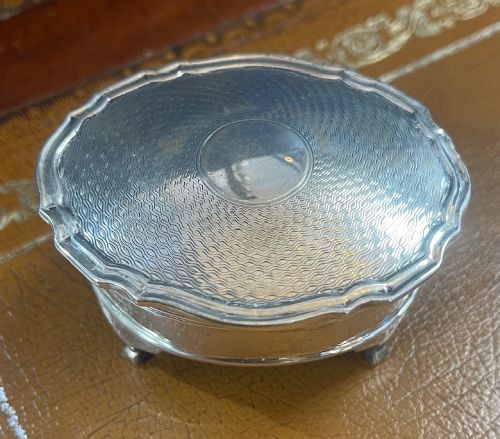
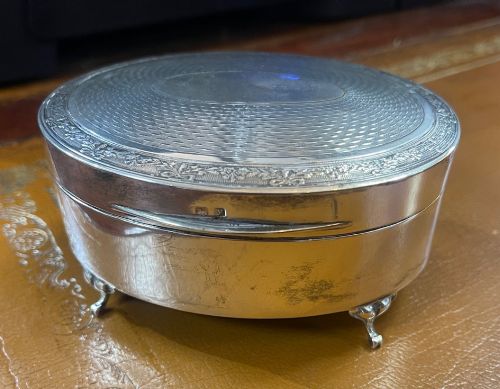
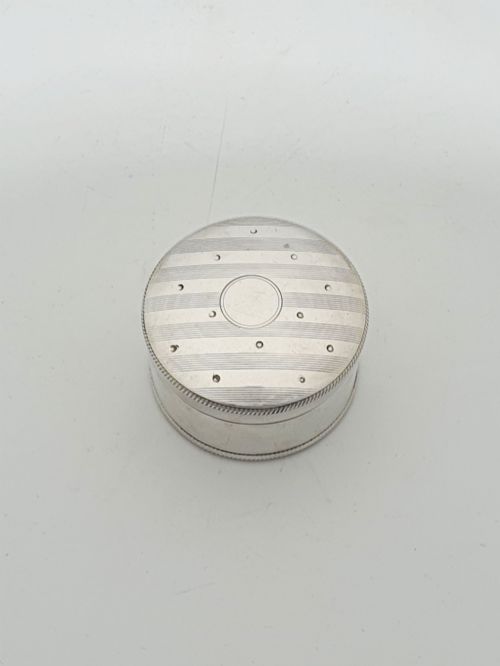
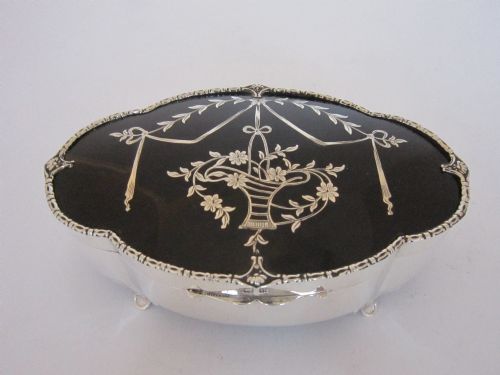
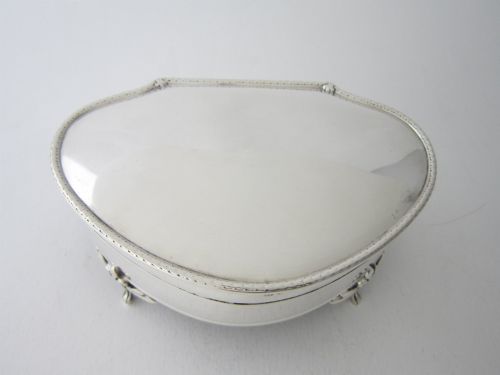
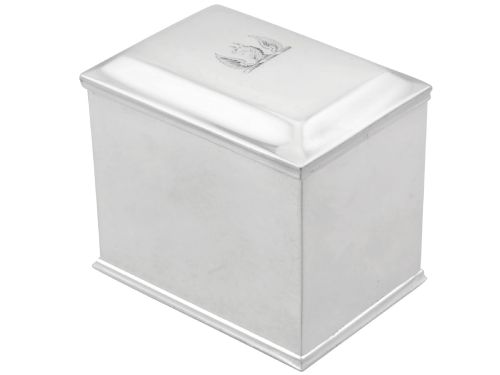
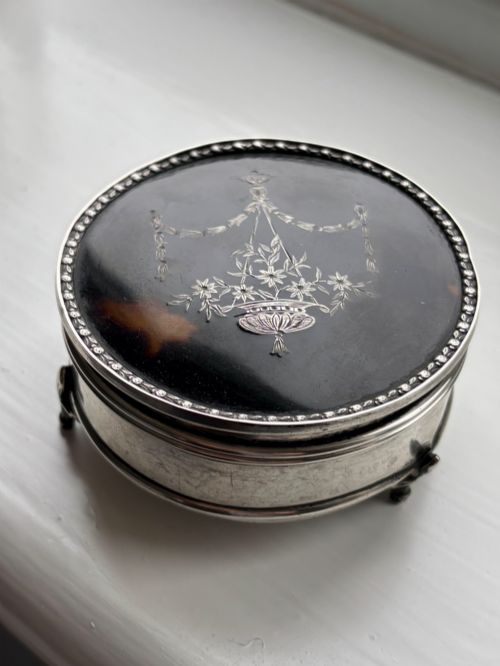
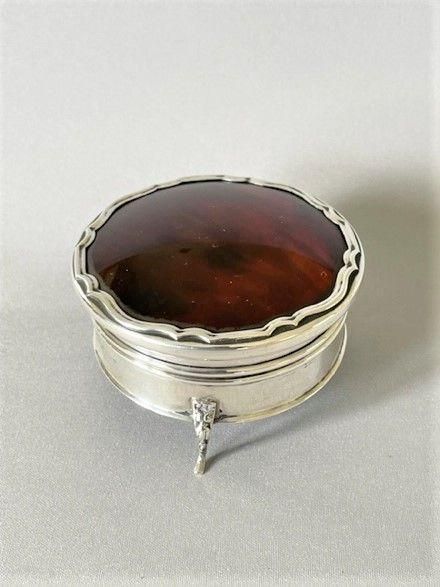
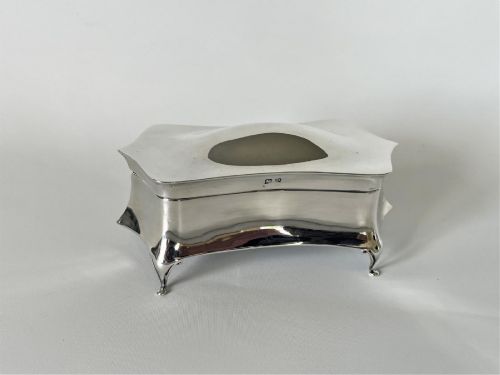
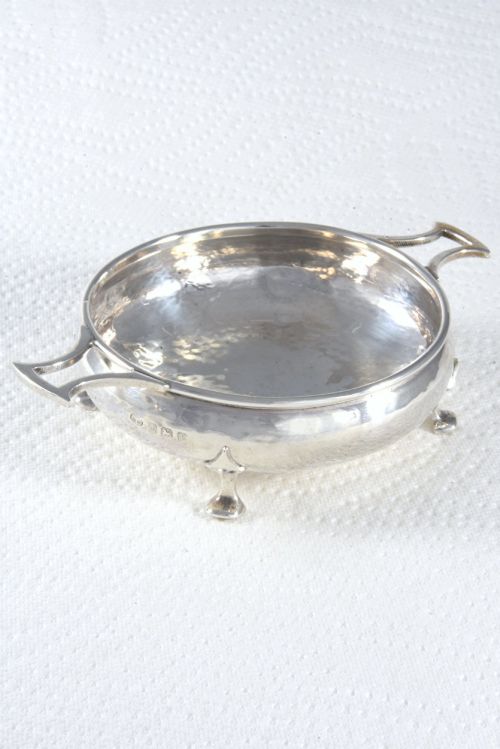
When a buyer explores george v silver trinket options, they encounter a range of compact containers spanning pill boxes, trinket boxes, and dressing table pieces created during the early twentieth century alongside earlier Georgian precursors. The most frequent forms include lidded boxes and small dishes in sterling silver, often combined with tortoiseshell, glass, or enamel panels. These items served functional roles on dressing tables and desks, storing personal items such as cufflinks, rings, and small mementos.
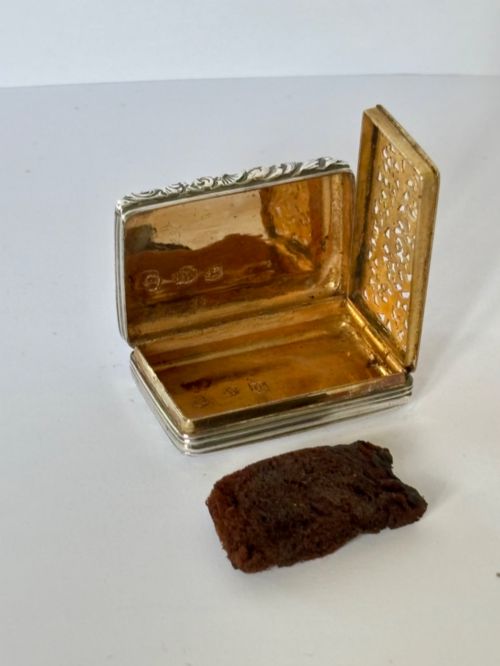
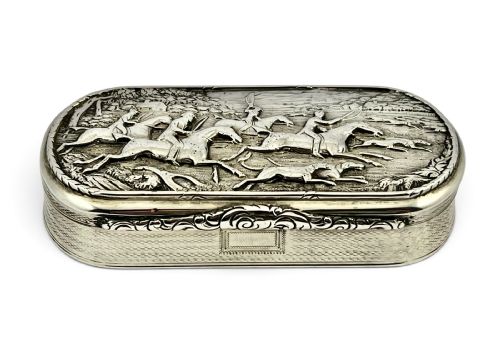
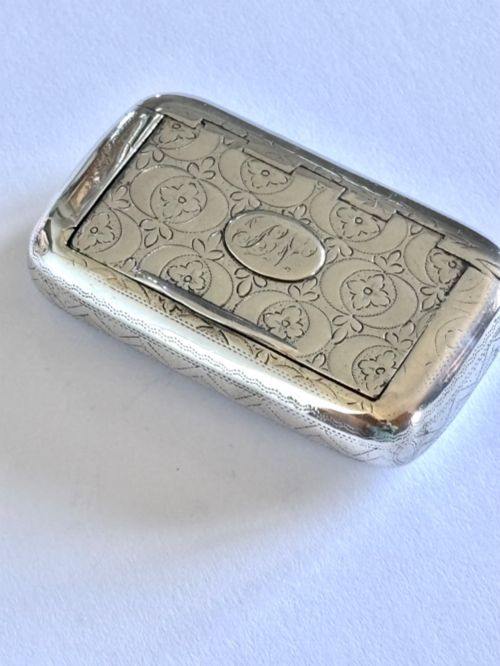
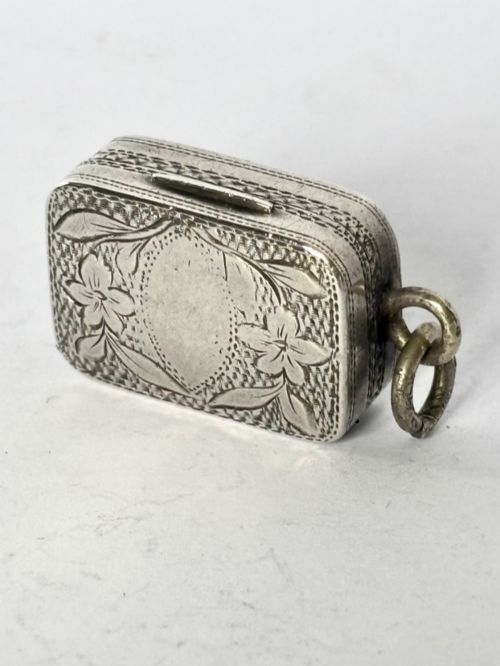
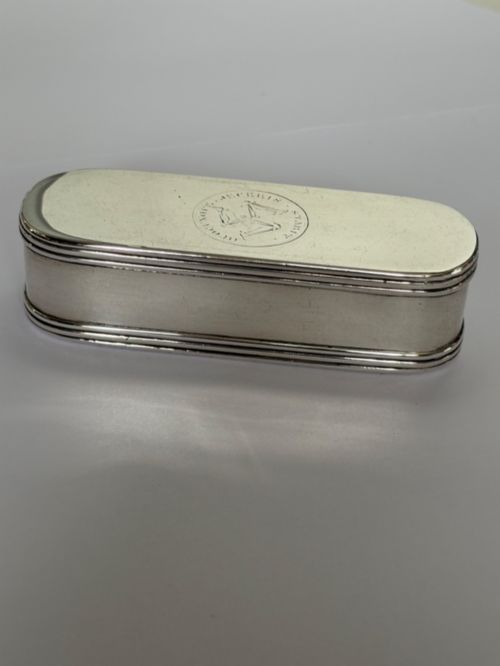
The selection extends from plain round pill boxes to larger velvet-lined jewellery boxes, incorporating aesthetic movements from Art Nouveau curves to clean Art Deco geometry. Alongside genuine twentieth-century examples, the category includes older silver-gilt vinaigrettes and snuff boxes bearing hallmarks from Birmingham, London, and Edinburgh. Buyers select these objects for their combination of miniature scale, durable precious metal construction, and varied decorative treatments.
How they were made
Silversmiths constructed these boxes using sterling silver sheets shaped by hand or mechanical press, frequently applying engine-turned patterns directly to the metal surfaces. Lids often incorporated contrasting organic materials such as genuine tortoiseshell, faux tortoiseshell, or coloured glass held within bezels.
Internal components frequently utilised silver-gilt washes to prevent corrosion from contents like snuff or vinaigrette sponges. Hinges and catches required precise metalworking to ensure flush closures on small pill and patch boxes.
George V Silver Trinket Retail Price Guide 2026
Typical asking prices for george v silver trinket among the pieces listed under this phrase on Sellingantiques today, from the lower quarter to the upper quarter. They describe what is for sale here now, not the wider market.
Several small boxes retain tiny internal sponges waiting patiently for aromatic vinegars not smelled in over a century.
What varies in quality
Quality rests upon the crispness of the chased or engine-turned decoration and the integrity of inset materials like tortoiseshell and enamel. Examples displaying sharp hallmarks, robust hinges, and undamaged glass or shell panels represent superior manufacture.
The distinction between standard commercial output and finer workshops also appears in the weight of the silver and the precision of the interior linings, such as fitted velvet or silk.
Joseph Willmore·John Shaw·Samuel Pemberton·Cornelius Bland·Paul Storr·George Adam Scheid·Matthew Linwood·Henry Williamson Ltd
The George V Silver Trinket Glossary
- Sterling silver
- An alloy consisting of 92.5 percent silver and 7.5 percent other metals, typically copper, used for durability in tableware and small boxes.
- Silver-gilt
- Sterling silver that has been coated with a thin layer of gold on its surface, often seen on the interiors of boxes to protect against tarnishing.
- Vinaigrette
- A small hinged box containing a perforated internal grille, designed to hold a sponge soaked in aromatic vinegar.
- Tortoiseshell
- The mottled brown and amber shell of certain turtle species, applied as decorative panels to silver boxes.
- Engine-turned
- A geometric surface pattern cut into metal using a specialised lathe, common on twentieth-century boxes.
George V Silver Trinket: Frequently Asked Questions
What is a silver trinket box?
A small lidded container made from sterling silver, designed to hold rings, pins, and small keepsakes on a dressing table.
These pieces often feature decorative lids made from glass, tortoiseshell, or enamel, reflecting the stylistic preferences of their period of manufacture.
How do I identify a George V silver box?
Look for British hallmark stamps that include the assay office mark, the lion passant indicating sterling silver, and a date letter corresponding to the reign from 1910 to 1936.
Many pieces also bear maker's marks that link them to specific silversmiths operating during those decades.
How should I clean antique silver boxes?
Dust the surfaces gently with a soft cloth and avoid aggressive chemical dips, particularly on pieces with tortoiseshell, enamel, or glass elements.
Preserving the natural patina maintains the historical appearance and protects delicate hinges and applied decoration.