

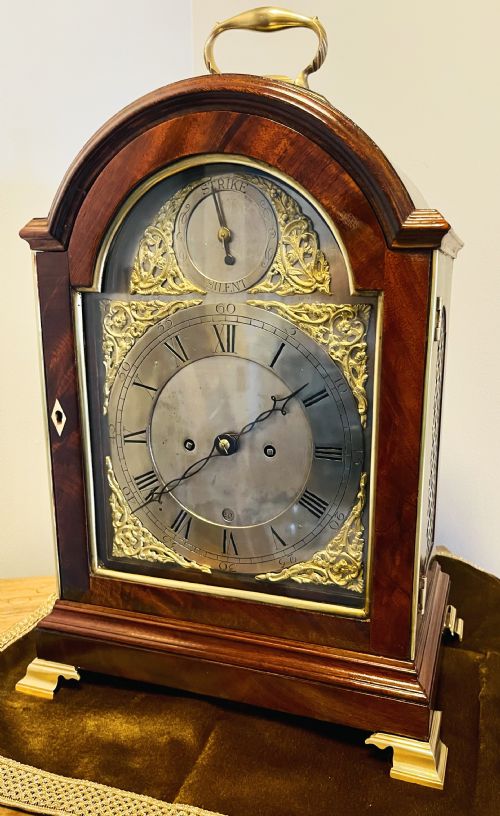
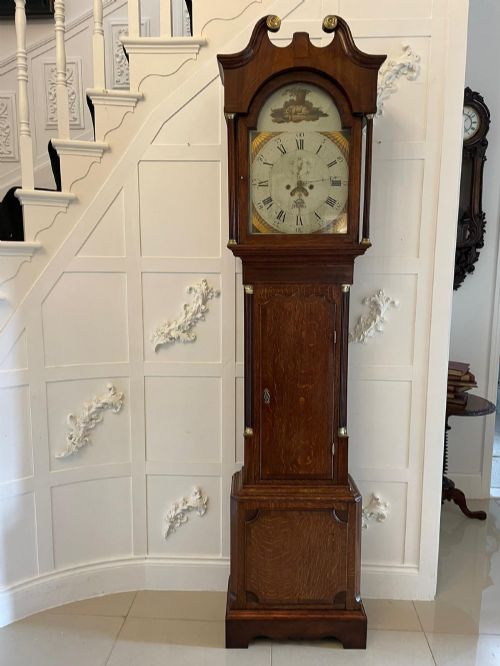
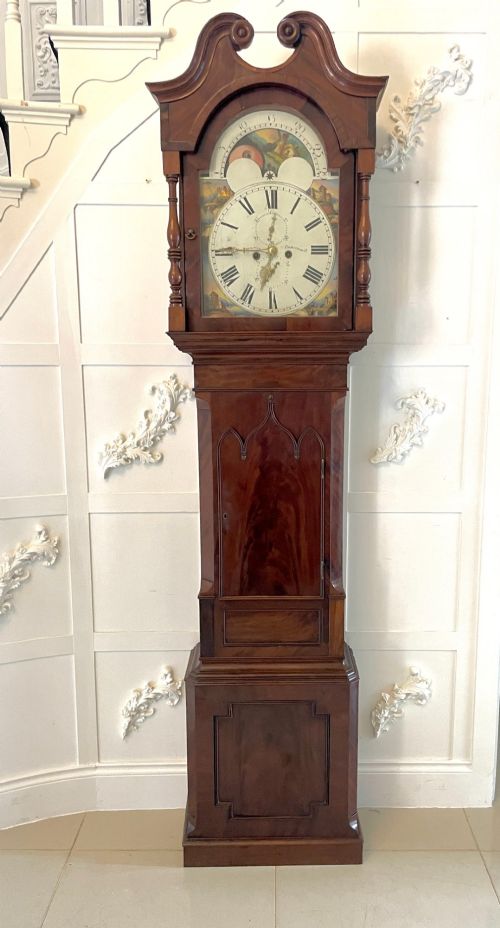
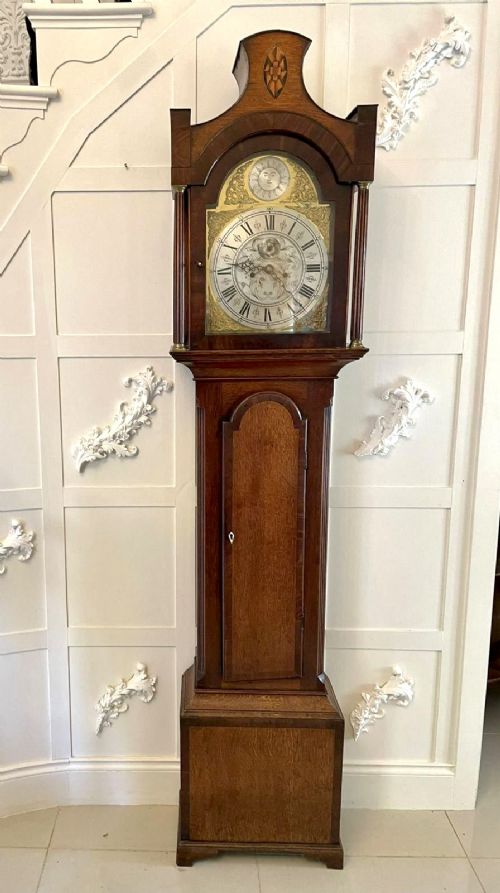

George V Clock
When you search for a george v clock, you encounter timepieces carrying royal ciphers alongside centuries of earlier horological tradition.
George V Clock
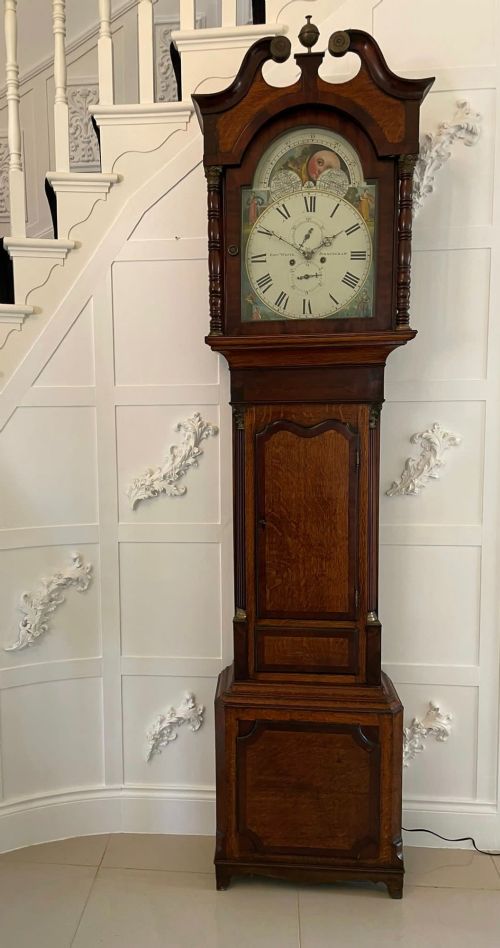
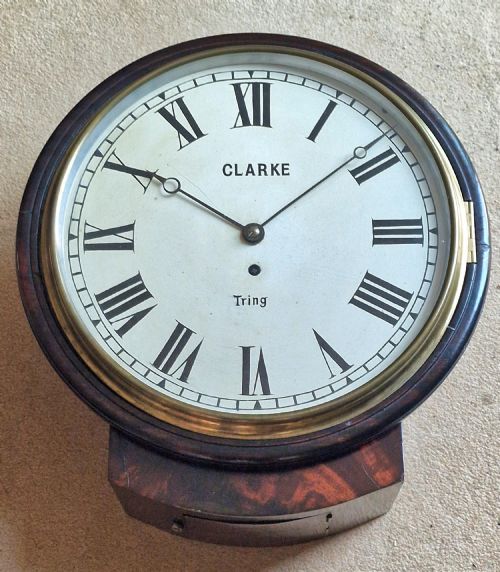
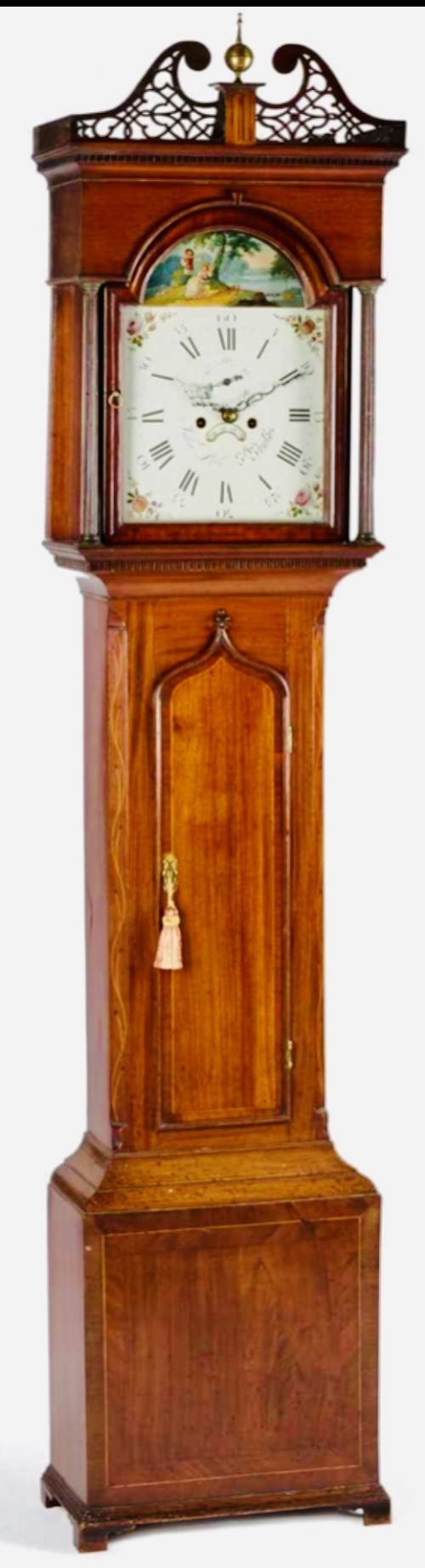
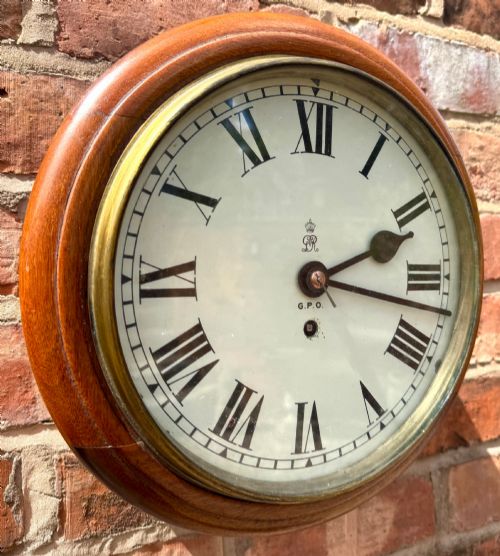
A george v clock encompasses practical timepieces produced during the early twentieth century, alongside items bearing earlier royal ciphers or sharing stylistic associations. Buyers browsing this collection encounter wall-mounted dial clocks utilised by public departments like the G.P.O., alongside compact carriage and travelling designs.
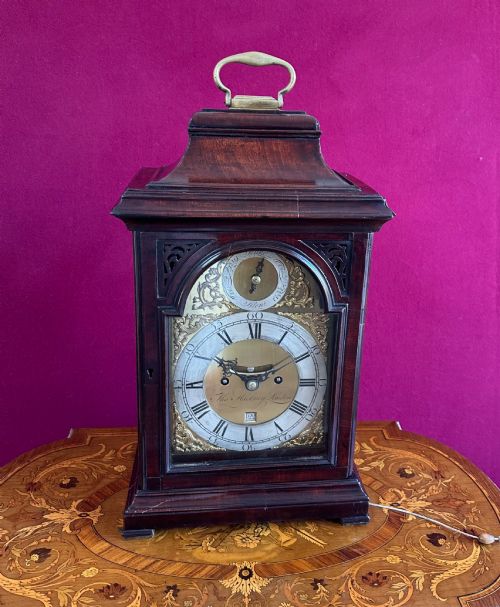
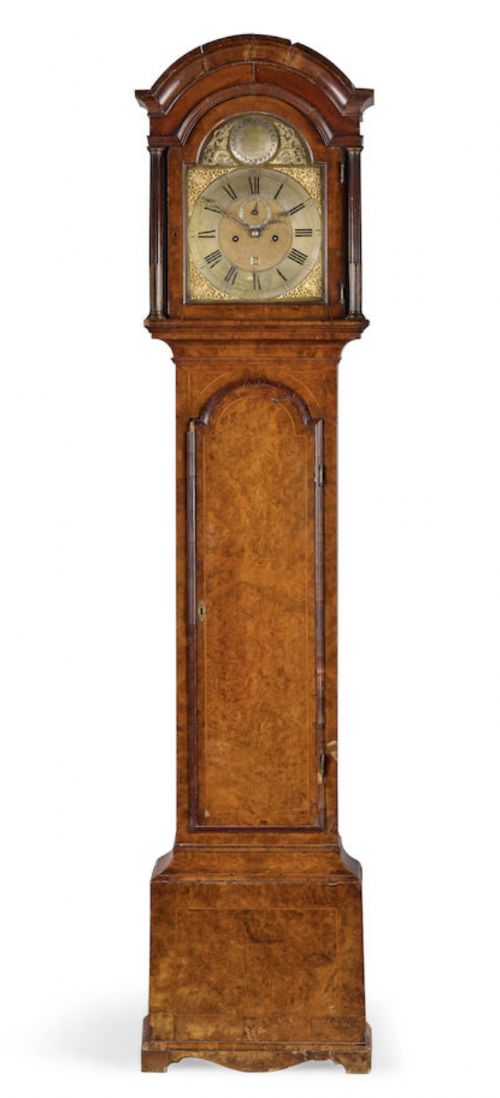
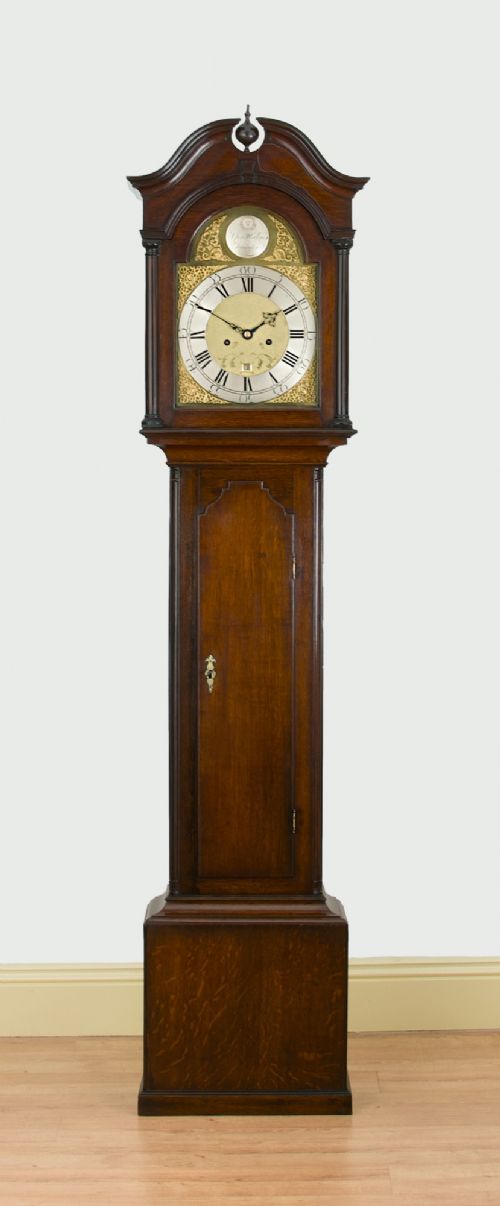
While the evidence reveals a strong presence of earlier Georgian longcase and bracket clocks, the specific twentieth-century pieces reflect a shift towards utilitarian institutional timekeeping. These wall dials and office clocks offer a direct link to the period surrounding the First World War and the interwar years.
Materials and construction
Horologists of these periods relied on sturdy timber housings, employing mahogany, oak, and walnut for robust longcase and wall clock cases. Brass and painted metal frequently form the visible dial faces, while glass protects the delicate hands and numerals.
Movements often incorporate fusee mechanisms to maintain steady power delivery to the gear train as the mainspring unwinds. Enamel and silvered elements provide clear legibility on dial faces used in both domestic rooms and institutional offices.
George V Clock Retail Price Guide 2026
Typical asking prices for george v clock among the pieces listed under this phrase on Sellingantiques today, from the lower quarter to the upper quarter. They describe what is for sale here now, not the wider market.
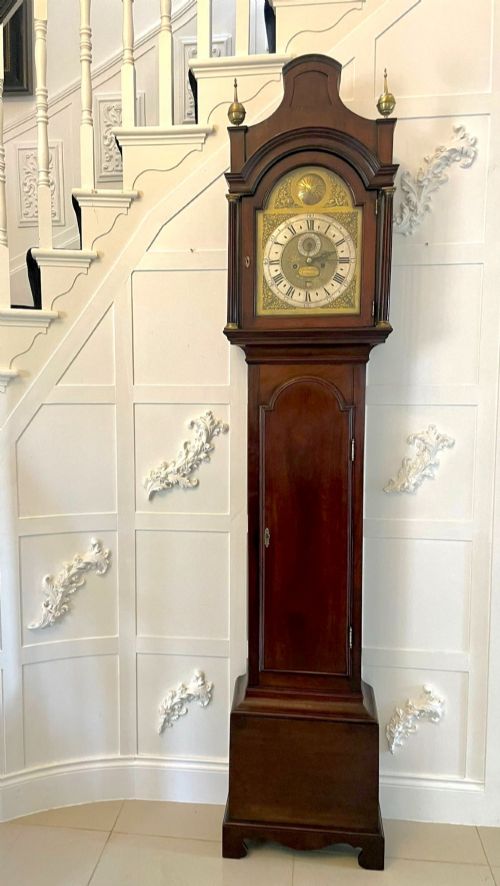
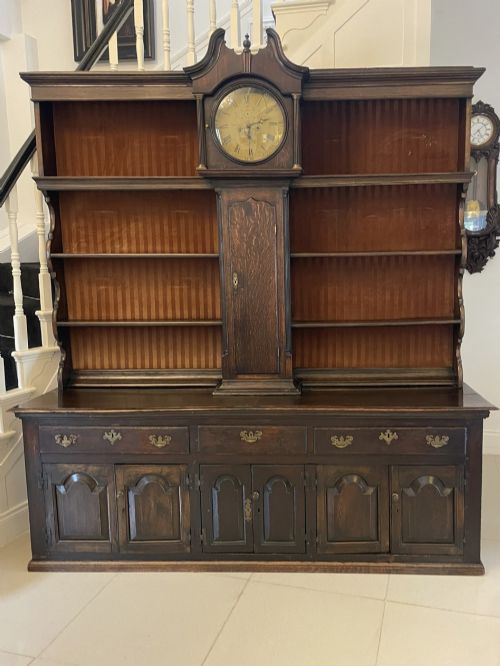
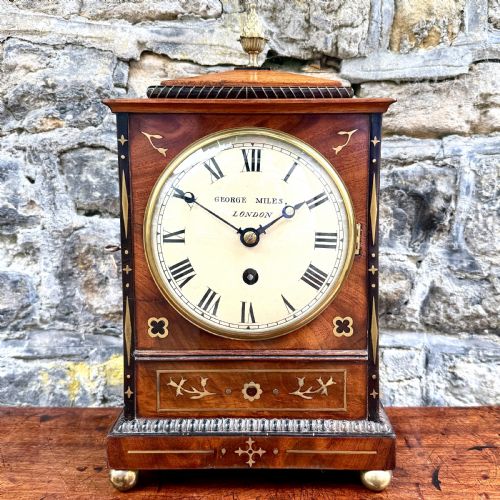
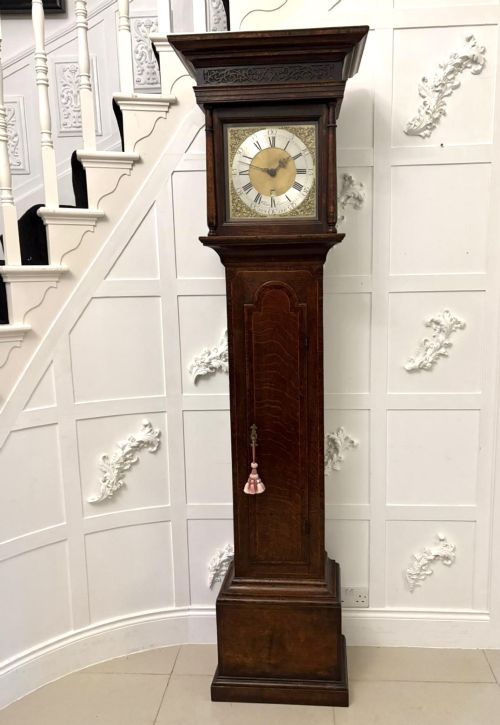
Listings feature wall clocks, longcase clocks, and bracket clocks constructed from mahogany, oak, brass, and painted metal across several centuries.
Distinguishing the examples
The degree of original preservation in the dial markings, hands, and case finish separates ordinary utility timepieces from those retaining high integrity. Institutional items bearing clear departmental stamps and untouched movements command greater interest from collectors.
Charles Shuckburgh·George Wadham·George Clarke·Mappin & Webb·Windmills and Wightman·George Hallifax·Henry Weedon·George Orpwood·William McEwan·L. Vick·Francis Perigal·William Kipling·Charles Dowsett·John Denbigh·Thomas Vernon·Edward White·James Tregent·Fell of Ulverston·George Musgrave·Livesey of Bolton·John Stokes·George Brown·Simpson Yarmouth·Edward Clarke·George Buckmaster
The George V Clock Glossary
- Fusee
- A conical pulley used in spring-driven clocks to equalise the torque of the mainspring as it runs down. This mechanism ensures consistent timekeeping accuracy throughout the winding cycle.
- Dial
- The face of the clock upon which the hours and minutes are indicated. These can be painted metal, silvered brass, or enamel.
- Bracket Clock
- A portable clock originally designed to sit on a bracket or shelf. They frequently feature carrying handles and precise spring-driven movements.
- Longcase Clock
- A tall floor-standing pendulum clock enclosed in a wooden case. Often referred to as a grandfather clock, they house weight-driven movements.
- Verge Escapement
- An early type of clock escapement mechanism that controls the release of the gear train. It works alongside a balance spring or pendulum to regulate time.
George V Clock: Frequently Asked Questions
What is a fusee dial clock?
A fusee dial clock utilises a special conical pulley system inside the movement to ensure the mainspring delivers even power to the gears as it unwinds.
These wall-mounted timepieces were widely used in offices, railway stations, and government departments for reliable daily timekeeping.
How do I wind an antique clock?
Winding requires inserting a matching key into the winding hole on the dial and turning it gently until resistance indicates the spring is fully tensioned.
Care must be taken not to overwind the movement, as this can damage the internal components and mainspring.
Where were wall dial clocks used?
Wall dial clocks served primarily in functional spaces such as railway offices, military messes, and postal sorting facilities where clear visibility was essential.
Their robust construction allowed them to withstand heavy daily use in busy institutional environments.
How can I tell the period of a clock?
Dating relies on examining the style of the wooden case, the materials used for the dial, and the signature of the maker inscribed on the face.
Changes in mechanical complexity and stylistic motifs over the centuries provide clear clues to an item's origin.