








George III Trinket Box
A george iii trinket box brings pocket-sized elegance to a desk, holding small keepsakes with period style.
George III Trinket Box
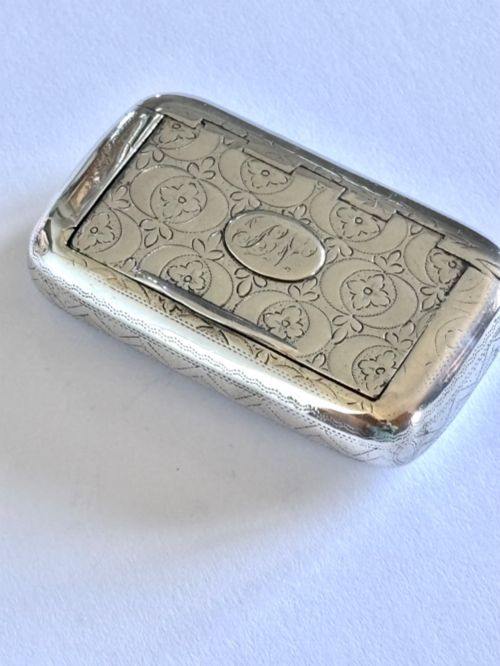
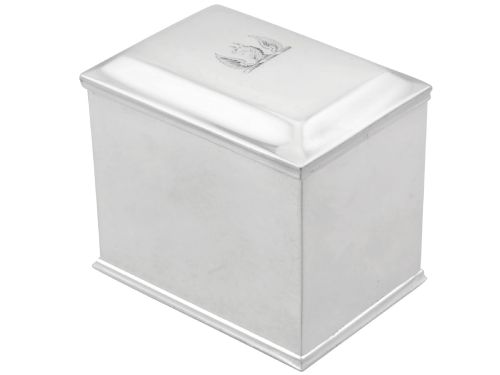
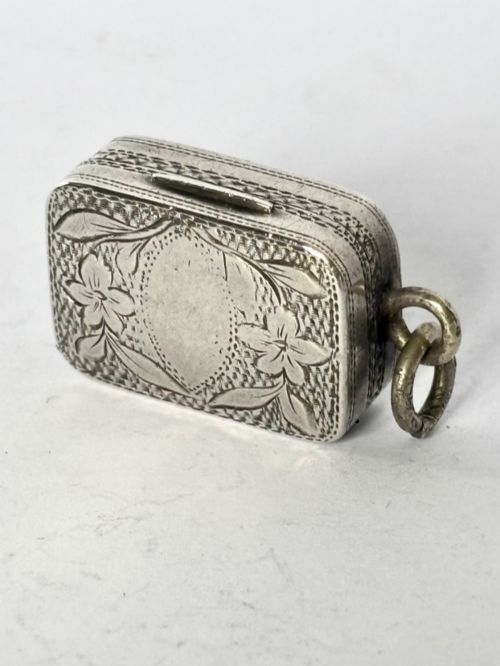
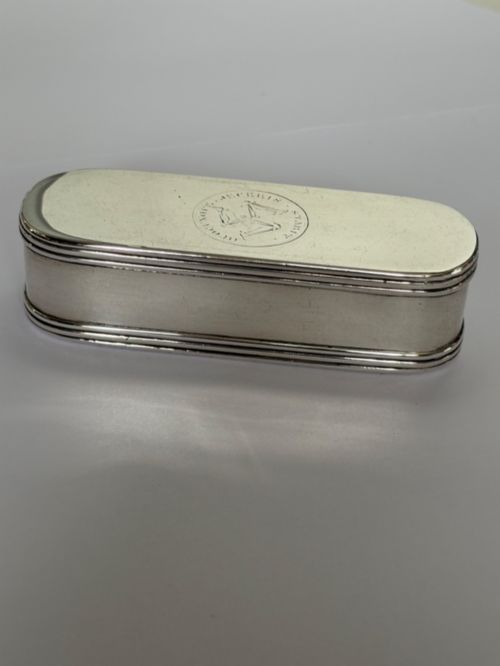
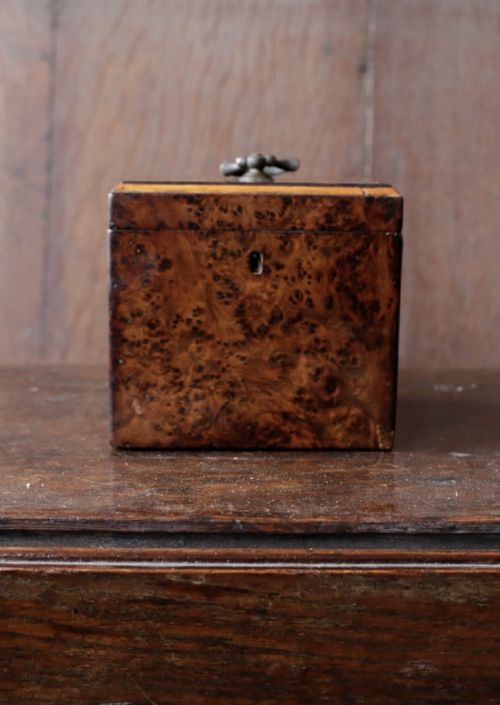
A george iii trinket box spans small functional containers and larger wooden receptacles originating from the Georgian and Regency periods. Pieces associated with this search phrase encompass tea caddies, snuff boxes, vinaigrettes, patch boxes, and miniature chests of drawers.
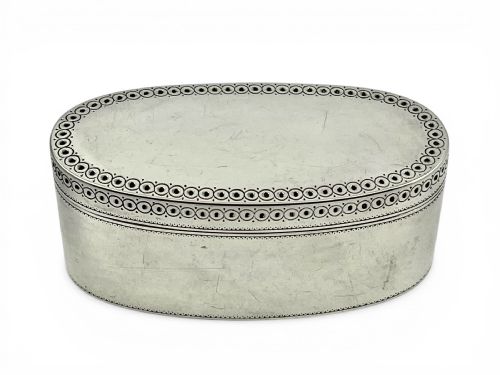
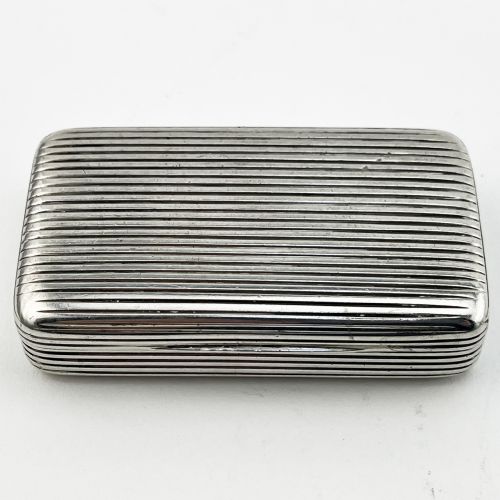
The most frequent examples on this page are silver and gold pocket boxes alongside mahogany and yew wood caddies. Makers and silversmiths shaped these items for personal use, travel, and household storage.
Origins stretch from London and Birmingham workshops to Scottish silversmiths working in Edinburgh. Collectors encounter both utilitarian containers and presentation pieces bearing crests and detailed engravings.
Distinguishing quality across examples
Superior execution shows in the precision of the hinge fitting, the crispness of the chased or engraved crests, and the depth of the timber grain. Maker marks and clear assay hallmarks confirm the origin and workshop standards.
Simpler containers rely on plain timber or basic metal stamping, whereas presentation pieces display precious metals, intricate inlays, and named makers such as Paul Storr or Alexander James Strachan.
George III Trinket Box Retail Price Guide 2026
Typical asking prices for george iii trinket box among the pieces listed under this phrase on Sellingantiques today, from the lower quarter to the upper quarter. They describe what is for sale here now, not the wider market.
Keepers of tiny scented sponges could revive themselves from the vapours with a flick of a silver vinaigrette lid.
Samuel Pemberton·Cornelius Bland·Paul Storr·Giles Loyer·Alexander James Strachan·Matthew Linwood
The George III Trinket Box Glossary
- Vinaigrette
- A small hinged box containing a perforated internal grill that held a sponge soaked in aromatic vinegar. These portable containers were carried for relief from unpleasant odours.
- Tea caddy
- A box designed for storing dry tea leaves securely under lock and key. Cabinetmakers utilised fine timbers and decorative veneers for these domestic containers.
- Silver-gilt
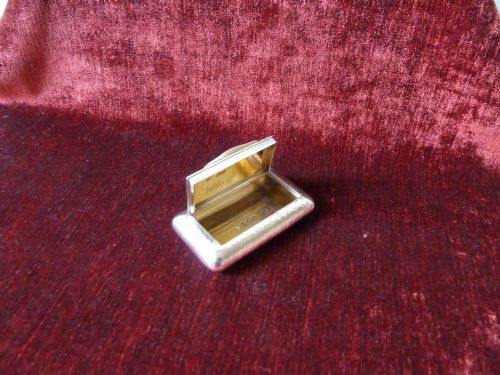
- Silver that has been coated with a thin layer of gold on its surface. This technique provided the rich appearance of solid gold while utilising a silver base.
- Patch box
- A diminutive container used to hold small cosmetic patches made of fabric or velvet. Ladies placed these patches on the face during the Georgian period.
- Hallmark
- An official stamp applied to precious metals indicating the standard of purity, the assay office, and the year of manufacture. These marks guide dating and attribution.
George III Trinket Box: Frequently Asked Questions
What are george iii trinket boxes used for?
These small containers served varied domestic and personal purposes in the Georgian era. People used them to carry snuff, pills, or aromatic vinegars, and to store valuable tea leaves.
Today, modern collectors utilise these historic boxes to hold rings, cufflinks, and small keepsakes on a dressing table or desk.
How do I identify a period piece?
Examination of the materials, construction methods, and maker marks helps establish the period. Silver items frequently carry hallmarking stamps indicating London or provincial assay offices.
Timber pieces display period cabinetmaking techniques, such as dovetail joints and specific veneer choices like satinwood or mahogany.
What is the difference between a snuff box and a vinaigrette?
A snuff box is built to contain dry powdered tobacco for inhalation. These containers feature tightly sealed lids to preserve the contents.
A vinaigrette resembles a snuff box externally but includes a pierced internal grill designed to hold a scented sponge.
How should I care for antique silver boxes?
Careful handling prevents damage to delicate hinges and engraved surfaces. Gentle dusting with a soft cloth maintains the finish without wearing down fine details.
Harsh chemical polishes should be avoided, particularly on silver-gilt or gold pieces where abrasive cleaners might strip the surface layer.