

George III Tallboy Dresser
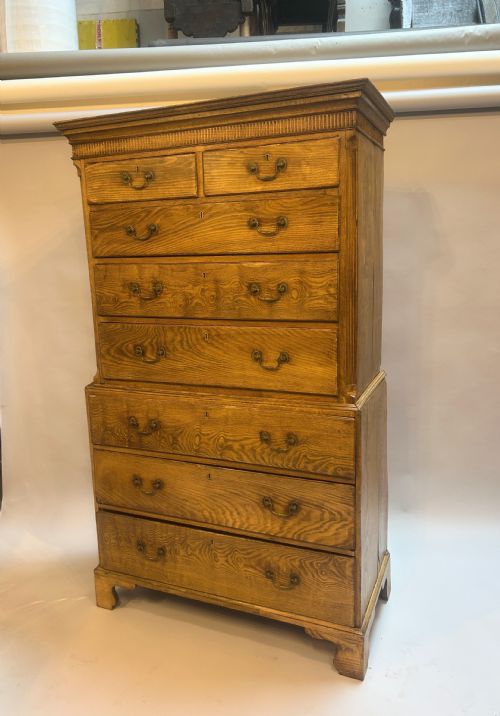
A george iii tallboy dresser brings architectural proportion and generous timber grain to a room.
George III Tallboy Dresser
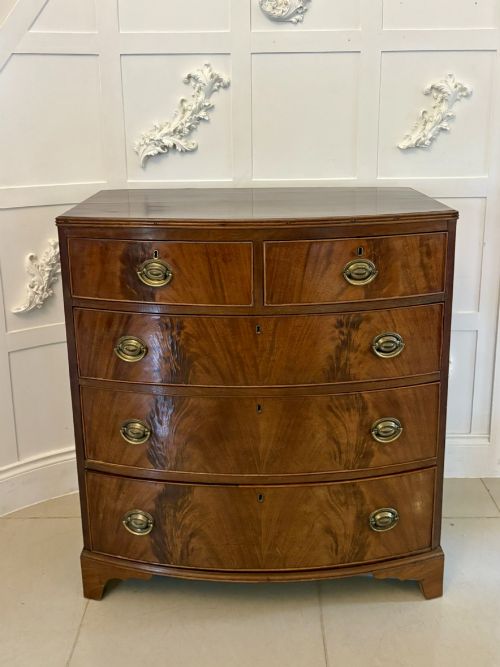
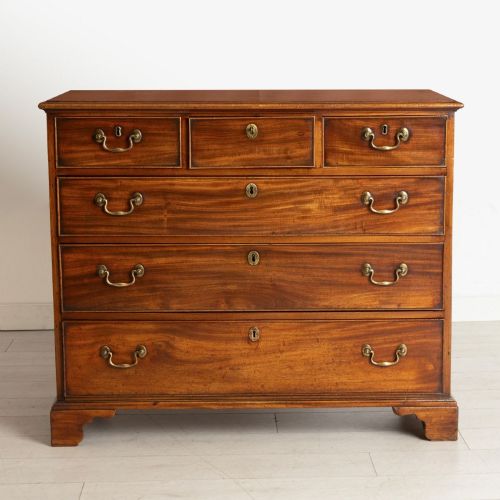
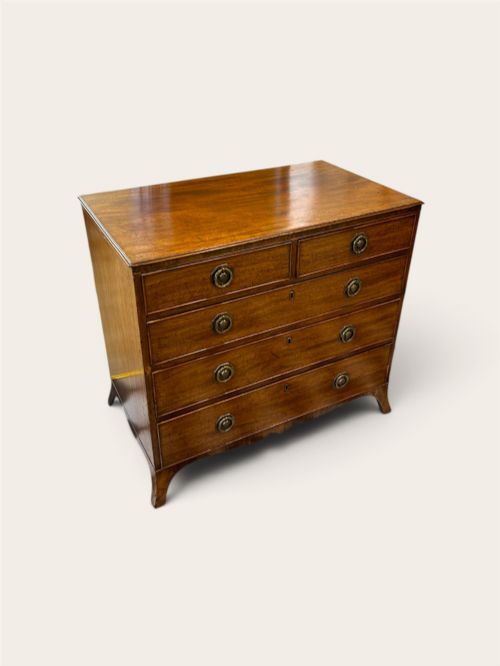
A george iii tallboy dresser typically presents as a chest of drawers or a chest on chest spanning the eighteenth and nineteenth centuries. These pieces combine vertical storage with substantial proportions, originating from periods including the Georgian era.
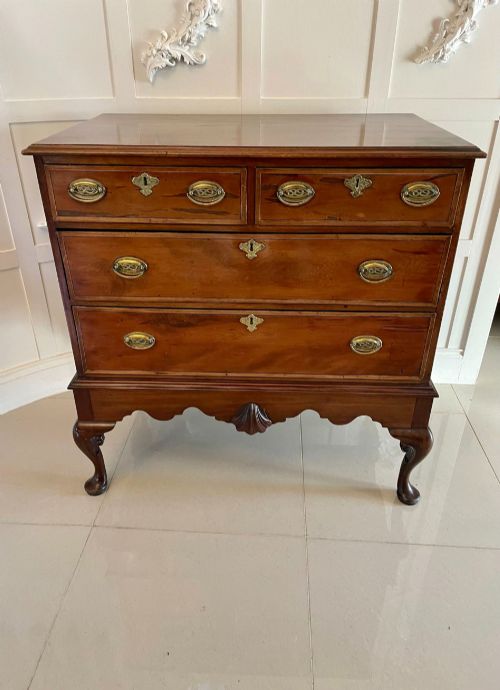
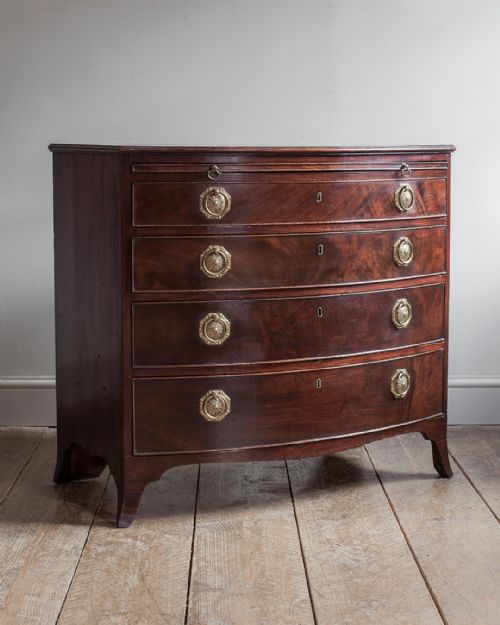
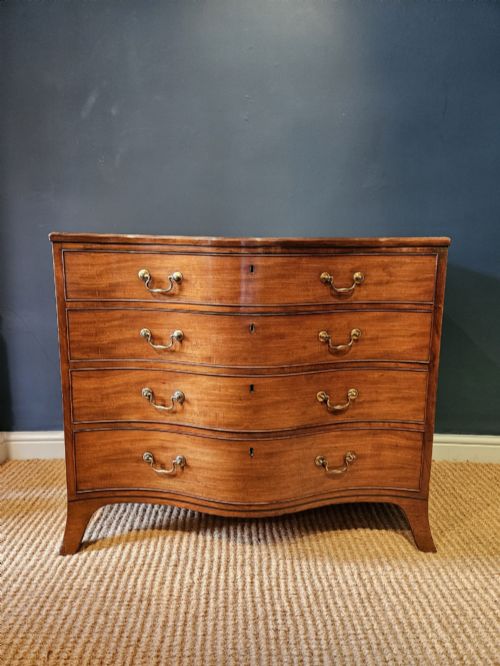
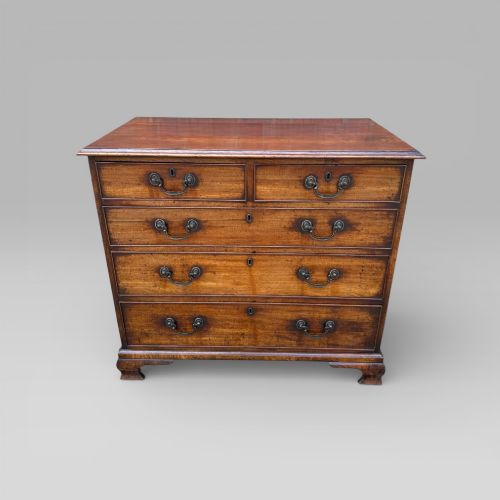
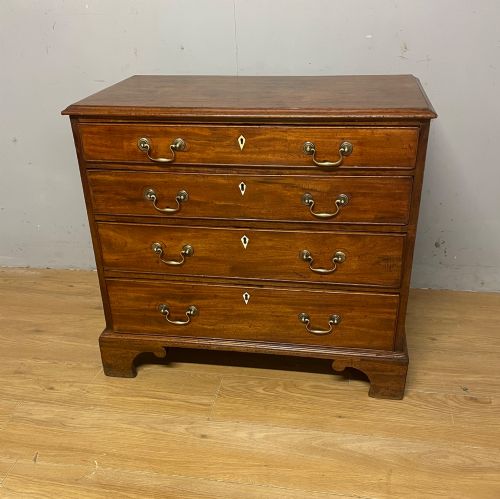
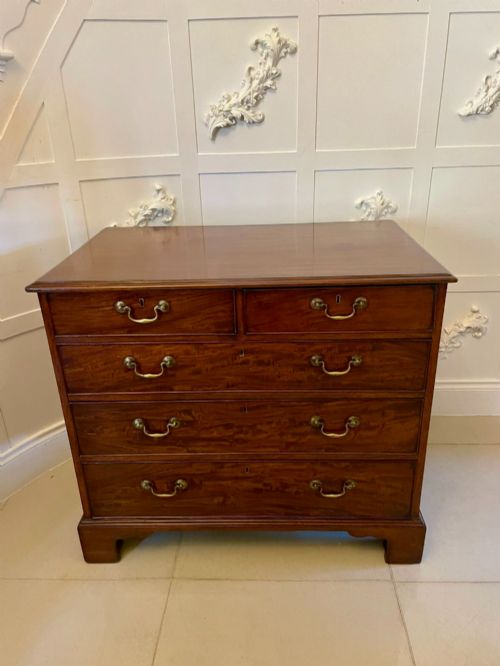
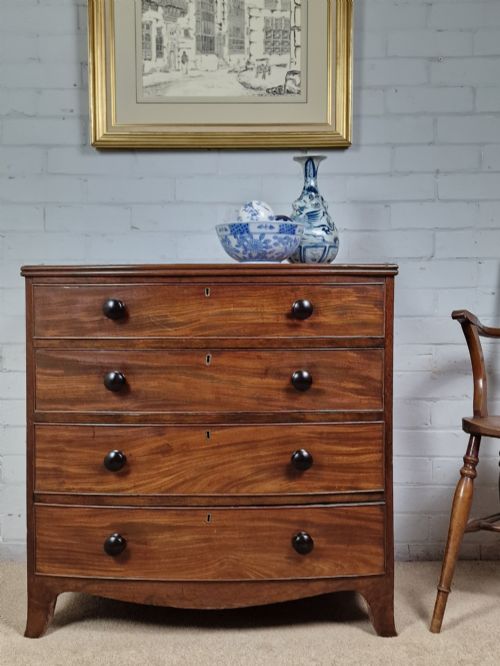
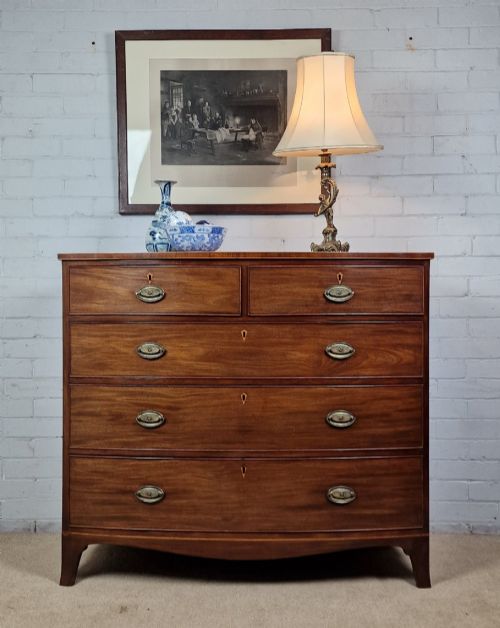
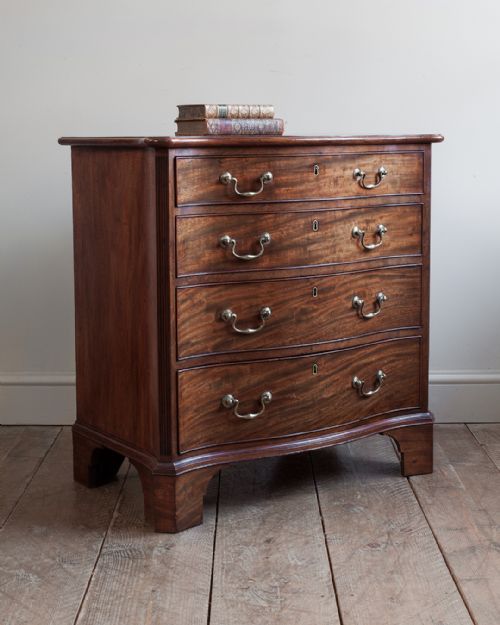
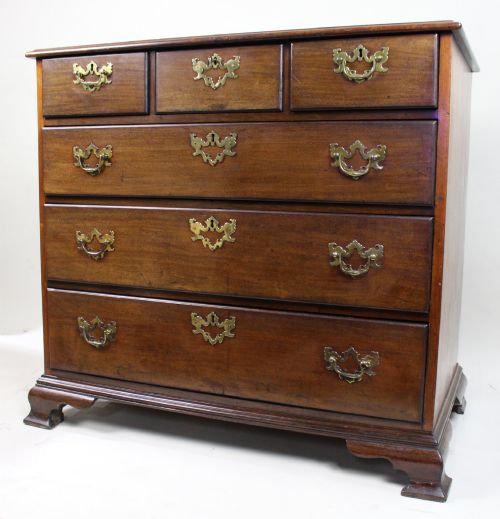
The versions most common on this page are constructed from mahogany, occasionally featuring bow fronts or serpentine profiles. Pieces vary from simpler four-height examples to more elaborate configurations involving brass handles and contrasting stringing.
Materials and construction
Cabinet makers relied primarily on solid mahogany and oak, frequently enhanced with secondary timbers like pine and boxwood for internal framing and stringing. Timber selection governed both the structural integrity and the decorative grain patterns visible on the exterior surfaces.
Joinery techniques included dovetailed drawer construction and precise veneering, often combined with cast brass drop handles and escutcheons. These methods ensured durable carcass construction while allowing for refined decorative details such as serpentine fronts.
Listings feature mahogany, oak, satinwood, and yew timbers across Georgian, Regency, and Edwardian periods.
Quality differences
The upper tier of pieces displays superior timber selection, evident in highly figured mahogany, fiddleback veneers, or burr walnut panels. These examples demonstrate deliberate matching of grain across drawer fronts and precise execution of complex curves.
Construction refinement marks the distinction between standard examples and finer works. Subtleties in the hand-cut dovetails, the integrity of internal secondary woods, and the retention of original brass hardware elevate certain pieces.
J Moorcroft
The George III Tallboy Dresser Glossary
- Serpentine front
- A furniture front curving outward in the centre and inward at the sides, demanding high skill from the cabinet maker.
- Bow front
- A convex, outward-curving front profile popular during the Georgian period.
- Stringing
- Thin lines of contrasting timber inlaid into the surface to create decorative borders.
- Dovetail
- A joint formed by interlocking wedge-shaped fingers, used extensively in drawer construction.
- Escutcheon
- A protective plate surrounding a keyhole, often cast in brass.
George III Tallboy Dresser: Frequently Asked Questions
What is a george iii tallboy dresser?
A george iii tallboy dresser is a tall storage furniture piece, commonly taking the form of a chest of drawers or chest on chest originating in the late eighteenth or early nineteenth century.
These pieces provide substantial vertical storage while occupying a modest floor footprint, making them practical for bedrooms and dressing rooms.
How do I care for mahogany furniture?
Mahogany surfaces benefit from occasional application of traditional beeswax rather than modern silicone polishes. Keeping pieces away from direct sunlight and heat sources protects the timber grain and finish.
Regular dusting with a soft cloth prevents accumulation of particles that might abrade the polished surface over time.
How do I identify the period?
Dating relies on examining construction methods, timber choices, and hardware styles. Hand-cut dovetails and native secondary woods typically indicate eighteenth or early nineteenth-century manufacture.
Stylistic markers such as serpentine fronts and specific brass handle designs further help align pieces with the Georgian era.
Where were these pieces used?
These pieces were primarily designed for bedchambers and dressing rooms to store clothing and personal linens. Their tall format maximised storage capacity in domestic interiors.
Today, they function effectively in hallways, living rooms, and bedrooms as focal storage furniture.