

George III Sterling
When you search for george iii sterling, you are looking at tactile silver tableware and accessories forged during a distinct period of Georgian craftsmanship.
George III Sterling
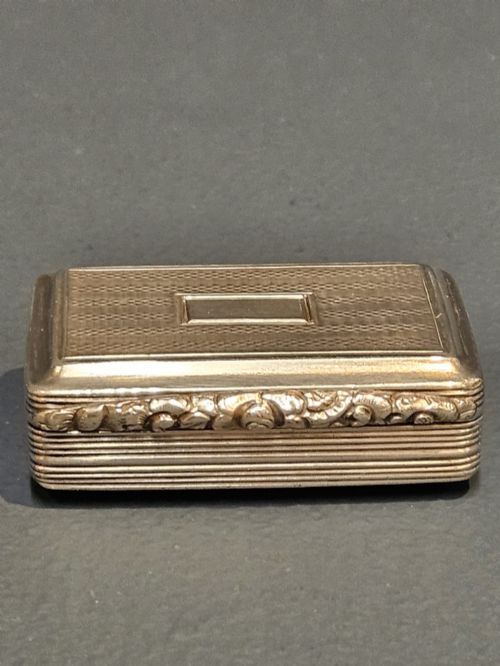
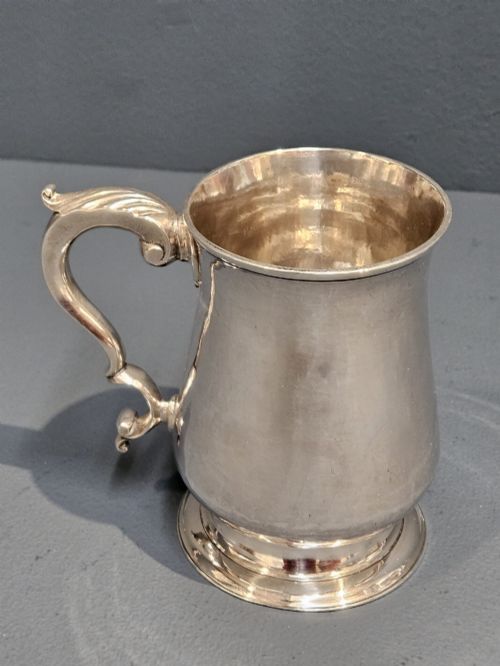
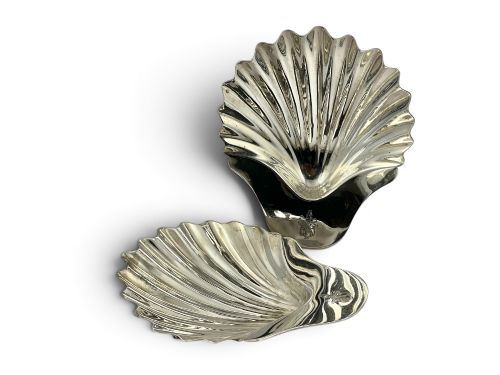
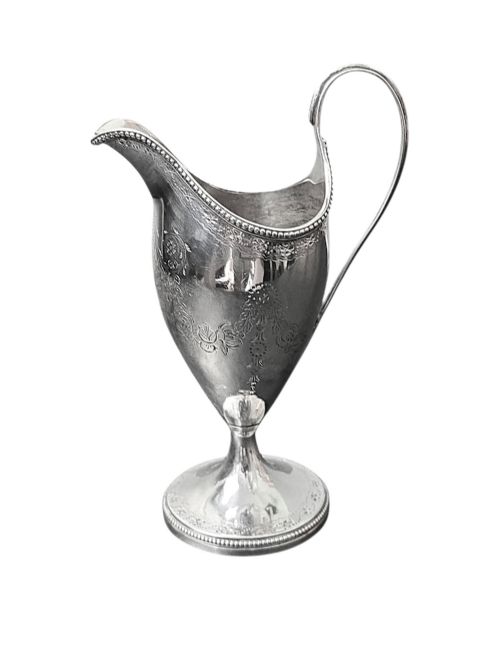
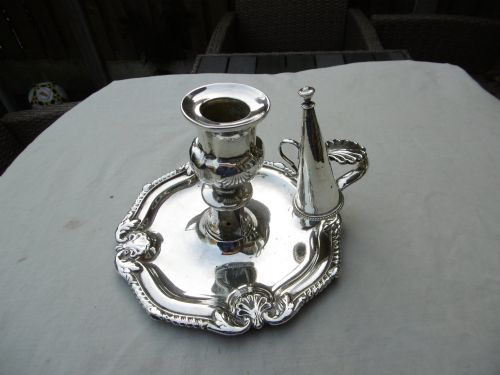
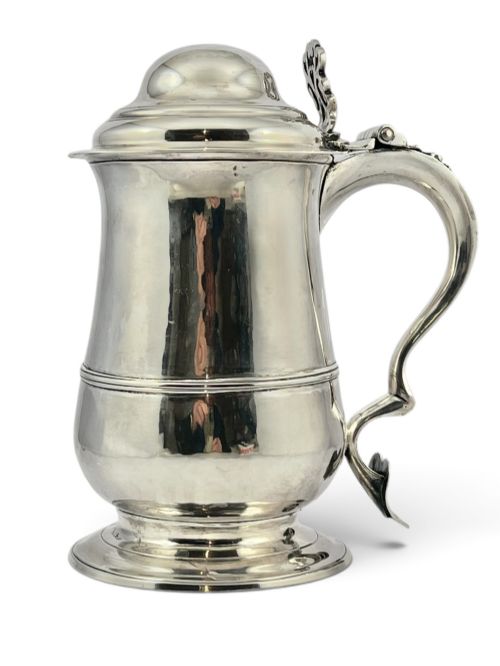
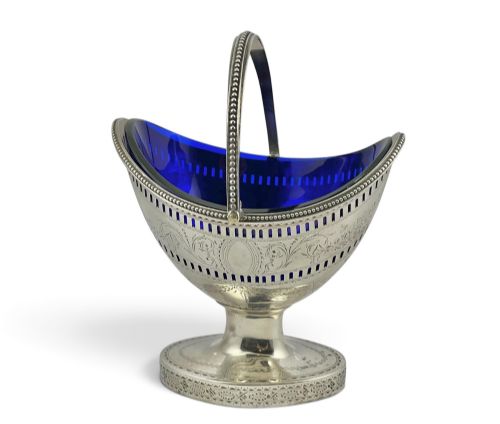
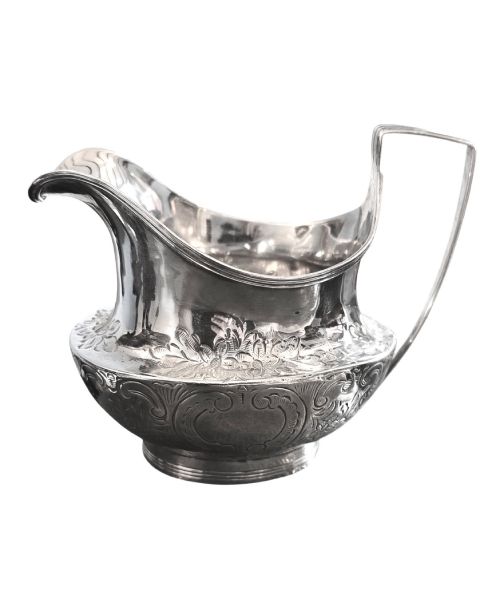
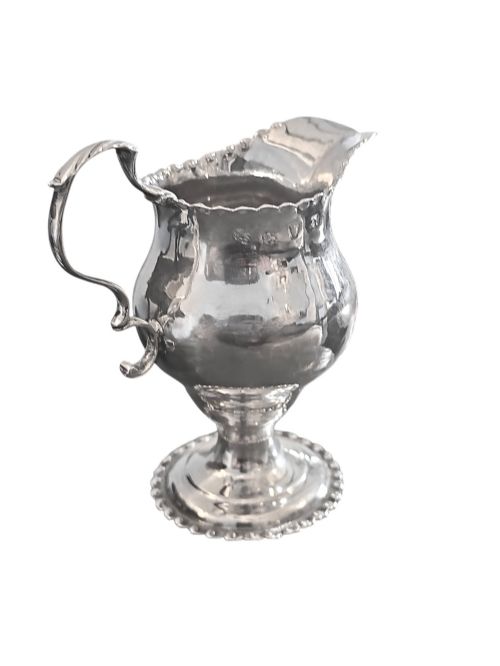
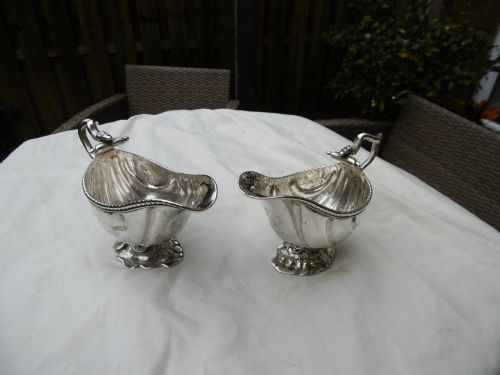
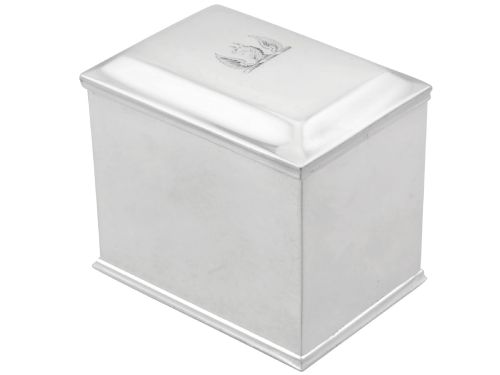
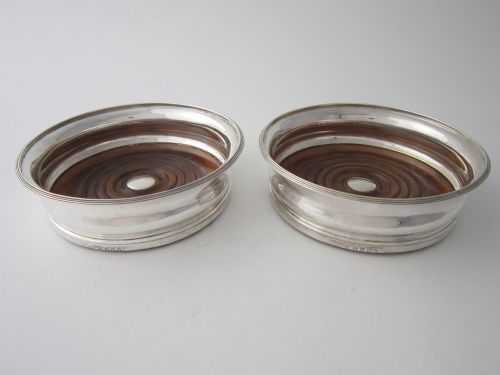
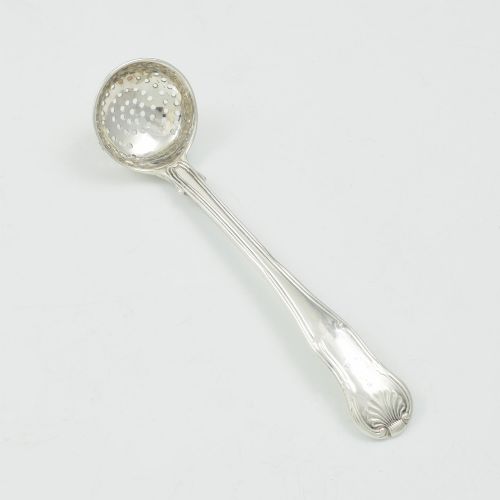
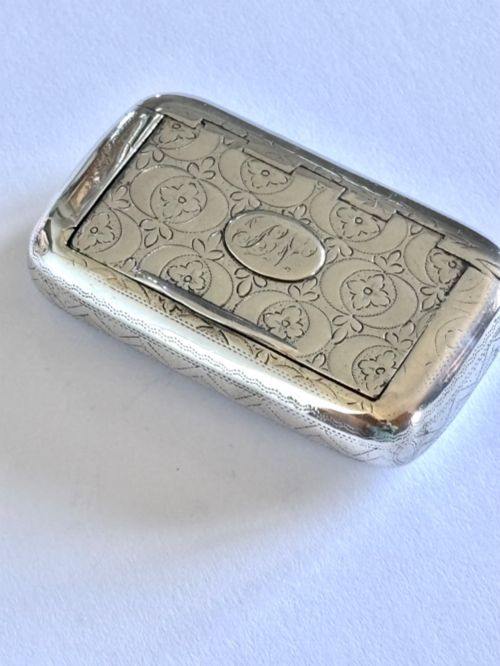
When searching for george iii sterling, collectors encounter functional domestic silver objects created during the Georgian era, spanning the late eighteenth and early nineteenth centuries. The objects appearing on this page range from small personal items like snuff boxes and nutmeg graters to larger dining table service pieces including teapots, sauce boats, and sugar baskets.
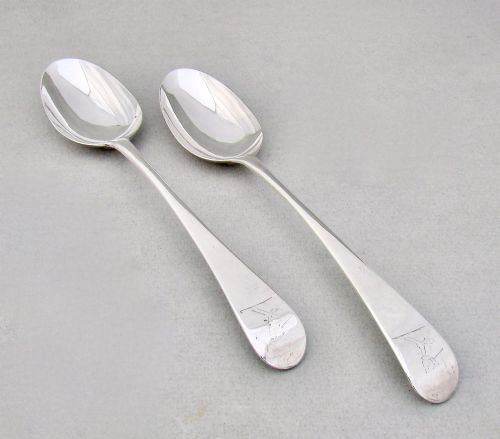
The most common forms to meet here are dining and tea service accessories, such as cream jugs, caddy spoons, and salt cellars, alongside flatware like serving spoons and teaspoons. These pieces reflect the domestic habits and social rituals of Georgian households, combining utility with decorative metalwork.
Originating largely from English assay offices in London, Birmingham, and Newcastle, as well as Scottish centres like Edinburgh and Inverness, these items demonstrate regional variations in silversmithing. The material itself is predominantly sterling silver, occasionally accented with silver gilt, wood, or ebony fittings.
Materials and technique
The objects listed utilise sterling silver, frequently paired with silver gilt interiors or accents, and occasionally supported by wooden bases or ebony handles. Craftsmanship during this period combined traditional hammering and raising techniques with cast elements, such as the snake handles found on sauce boats.
Surface ornamentation relied on meticulous hand execution, utilising bright-cut engraving, piercing, and chased decoration to create patterns like the Onslow motif or delicate crests. Assay office hallmarks stamped directly onto the metal record the exact year of production, the maker's mark, and the standard of silver.
George III Sterling Retail Price Guide 2026
Typical asking prices for george iii sterling among the pieces listed under this phrase on Sellingantiques today, from the lower quarter to the upper quarter. They describe what is for sale here now, not the wider market.
Listings feature items from the Georgian and Victorian periods, constructed from sterling silver, silver gilt, wood, leatherette, and ebony.
Distinctions in quality
The upper tier of these silver items is defined by the reputation of master silversmiths such as Paul Storr or the Bateman family, whose workshop output commands attention for its precision. Execution of complex forms, such as cast sauce boats and campana-shaped cups, reveals the artisan's skill in balancing weight and aesthetic proportion.
Clarity and completeness of original hallmarks directly affect the standing of a piece, alongside the crispness of hand-engraved crests and bright-cut patterns. Items retaining their fitted cases, matching sets, or intact gilding demonstrate superior preservation and original design integrity.
William Fearn·Thomas Hemming·John Shaw·John Reilly·Peter and William Bateman·Robert Hennell·Aldridge and Green·Cornelius Bland·Paul Storr·David Hennell·William Bennett·Robert Breading·John Emes·John Edmonstone
The George III Sterling Glossary
- Sterling silver
- A standard alloy consisting of ninety-two point five percent silver and seven point five percent other metals, typically copper. This composition provides the necessary durability for functional tableware while maintaining a bright metallic lustre.
- Silver gilt
- Sterling silver that has been coated with a thin layer of gold through a chemical or electrochemical process. This technique protects the interior of items like cream jugs and snuff boxes from the corrosive effects of food acids.
- Bright-cut engraving
- A surface decoration technique utilising faceted V-shaped cuts made with a graver to produce glittering geometric or floral patterns. It was particularly popular on late eighteenth-century tea caddies and spoons.
- Assay office
- An official body responsible for testing the purity of precious metals and stamping them with requisite hallmarks. Marks from London, Birmingham, Edinburgh, and Newcastle frequently appear on these pieces.
- Cast
- A manufacturing method where molten silver is poured into a mould to form heavy, three-dimensional components like handles or feet. This process allows for sculptural forms that hammered sheet silver cannot achieve.
George III Sterling: Frequently Asked Questions
How do I date a george iii sterling piece?
Dating these items relies on reading the stamped assay office hallmarks, which typically include a date letter corresponding to a specific year and city. Additional monarch heads and maker's marks help narrow down the exact period of manufacture within the Georgian era.
Comparing the style of engraving and the object form against known records provides further verification of the production date.
Were these silver items meant for daily use?
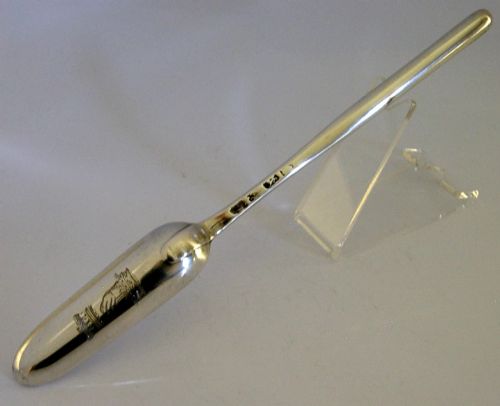
Georgian households utilised these sterling silver objects during formal dining, tea services, and personal grooming routines. Items like marrow scoops, spice sifters, and nutmeg graters served specific culinary functions at the table.
While functional, many pieces were also status symbols that displayed the wealth and taste of the family through personalized crests and coronets.
What is a silver gilt interior?
A silver gilt interior refers to a thin layer of gold applied to the inside surface of items such as sugar baskets, cream jugs, and snuff boxes. This application prevented the silver from tarnishing when exposed to acidic substances like vinegar, salt, or citrus.
It also added a luxurious visual contrast between the bright exterior silver and the warm gold lining.
How should I clean antique sterling silver?
Proper maintenance involves gentle washing with warm water and mild soap, followed by drying with a soft, lint-free cloth. Harsh chemical dips and abrasive polishes should be avoided to preserve the original patina and fine engraved details.
Storing pieces in tarnish-resistant fabrics helps protect the metal from airborne pollutants when not on display.