




George III Sterling Box
A george iii sterling box brings solid silver craft from the Georgian era into daily use, offering small containers made for snuff, tea, or personal items.
George III Sterling Box
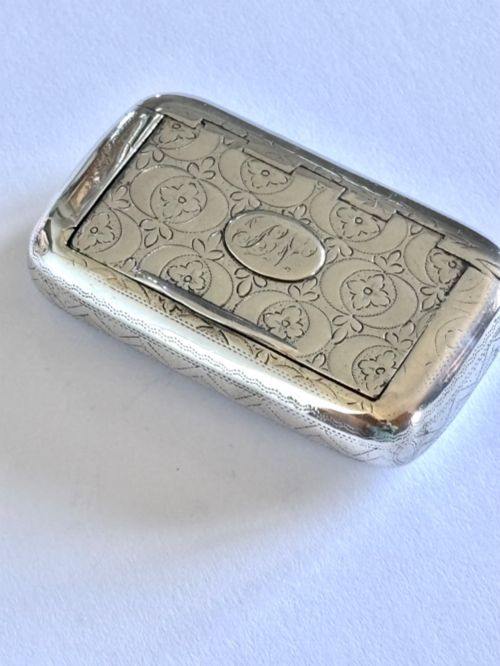
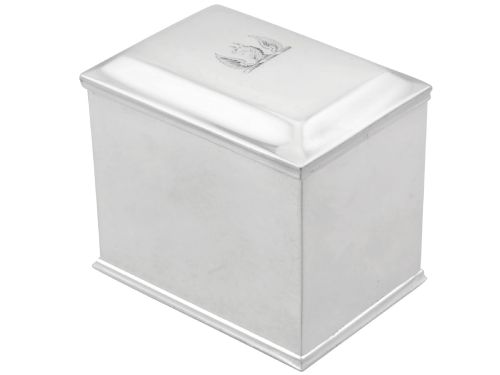
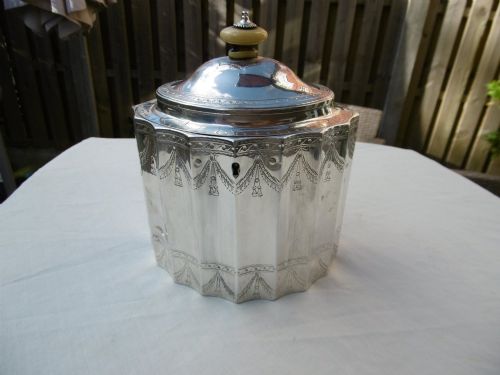
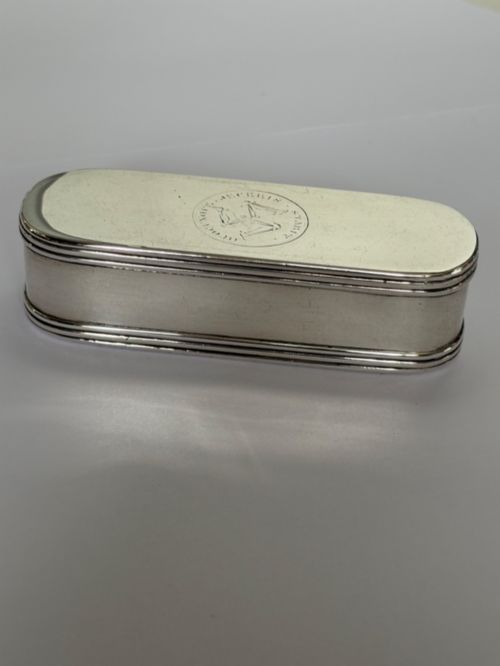
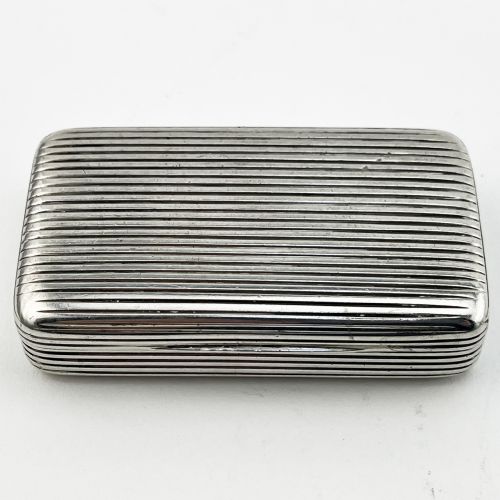
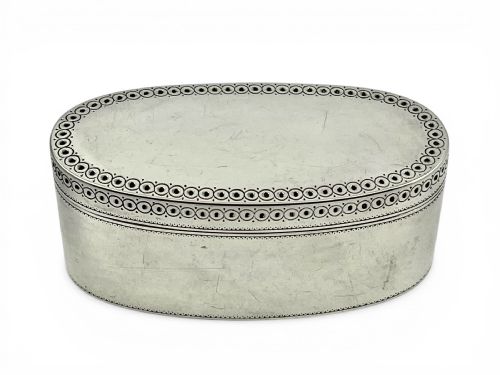
A george iii sterling box encompasses various small containers fashioned during the reign of George III, primarily taking the form of snuff boxes, vinaigrettes, tea caddies, and patch boxes. Buyers seeking this phrase encounter small pocket items alongside larger table pieces, representing the silver work of the Georgian period.
The objects on this page span the late eighteenth and early nineteenth centuries, displaying styles from plain Georgian forms to George III Rococo ornamentation. Form follows function closely, whether the piece was designed for carrying dry goods in a pocket or storing tea leaves in a caddy.
Materials and construction
Makers utilised sterling silver and silver gilt, frequently pairing the metal with organic materials such as cowrie shell, bone, agate, silk, velvet, and leatherette. Exterior decoration often involved bright-cut engraving, fluting, or cast crests applied to the surfaces.
London, Birmingham, and Edinburgh smiths punched full hallmarks into the metal, recording the assay office, date letter, and maker's mark directly onto the silver structures. Hinges and closures were fitted tightly to secure contents like snuff, spices, or pills.
George III Sterling Box Retail Price Guide 2026
Typical asking prices for george iii sterling box among the pieces listed under this phrase on Sellingantiques today, from the lower quarter to the upper quarter. They describe what is for sale here now, not the wider market.
Listings for this phrase include items from the Georgian period spanning the eighteenth century through to 1814, incorporating sterling silver, shell, and agate.
Judging the work
Quality rests upon the crispness of the chasing, the precision of the bright-cut engraving, and the condition of interior gilding. Pieces that retain sharp edges and clear hallmarks show greater integrity of original form.
The integration of secondary materials like shell or agate alters the character of the object, where clean joins and secure settings distinguish superior execution from simpler production.
John Shaw·Cornelius Bland·Paul Storr·Robert Hennell·P A W Bateman·Matthew Linwood·J Taylor
The George III Sterling Box Glossary
- Sterling silver
- A silver alloy containing 92.5 percent pure silver by mass, forming the primary structural material for these boxes.
- Silver gilt
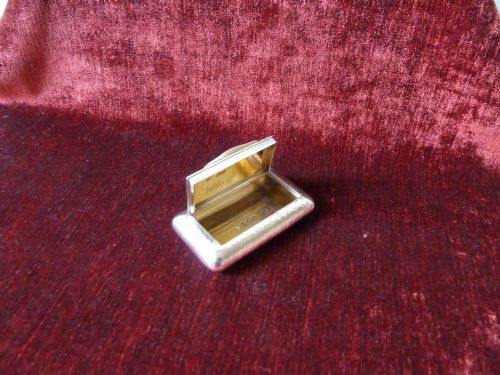
- Silver that has been coated with a thin layer of gold on its surface, often seen inside snuff boxes and vinaigrettes.
- Bright-cut engraving
- A surface decoration technique using faceted cuts to create geometric or floral patterns that reflect light.
- Vinaigrette
- A small ornamental box featuring an internal pierced grille, designed to hold a sponge soaked in aromatic vinegar.
- Bougie box
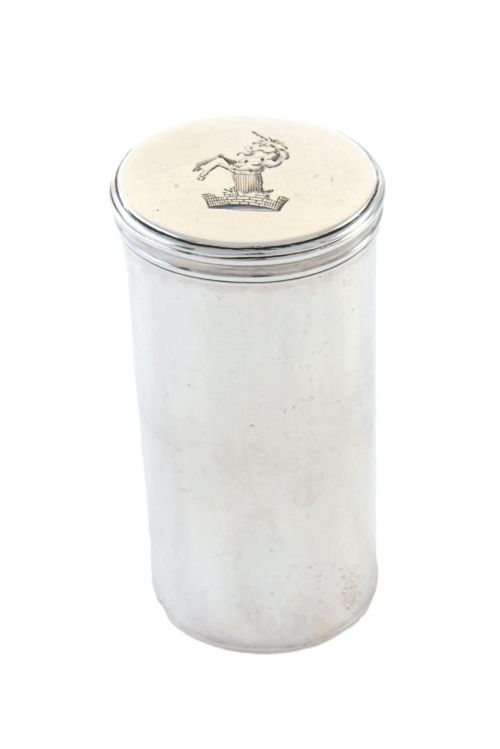
- A cylindrical container holding a coil of taper wax used for melting sealing wax on correspondence.
George III Sterling Box: Frequently Asked Questions
What is a george iii sterling box used for?
These boxes served various domestic and personal functions during the Georgian period, from holding dry goods like tea to carrying tobacco, spices, or medicinal pills.
Smaller pocket containers held snuff or scented sponges, while larger vessels remained stationary in rooms for storage purposes.
How do I read the hallmarks?
British silver bears stamped marks that indicate the specific assay office, the maker, and the year of manufacture.
Letters and symbols punched into the metal help establish the exact date and location where the silversmith completed the piece.
Are these boxes made entirely of silver?
While sterling silver forms the main body of most pieces, makers frequently combined the metal with other substances.
Listings show instances of organic additions including cowrie shell, agate panels, bone, and interior linings of silk, velvet, or leatherette.
How should I clean a silver box?
Silver surfaces require careful handling to preserve delicate engraving, bright-cut patterns, and applied gilding.
Harsh abrasive polishes remove material and soften details, so gentle maintenance is necessary to protect the historical finish.