

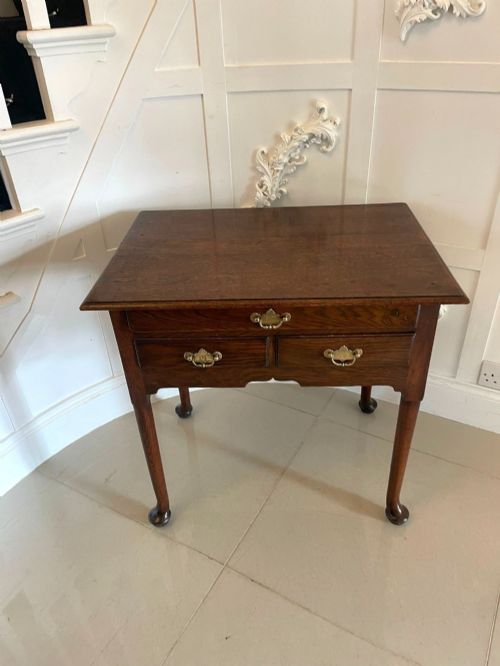
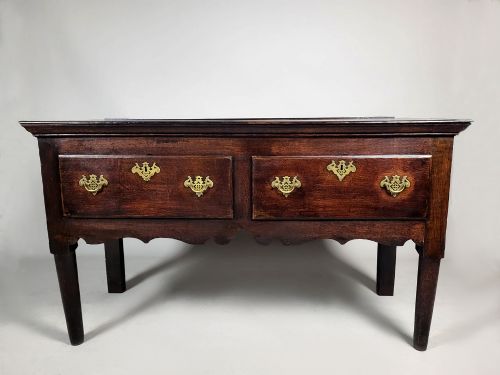
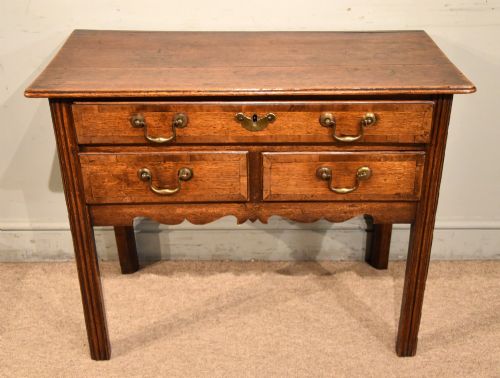
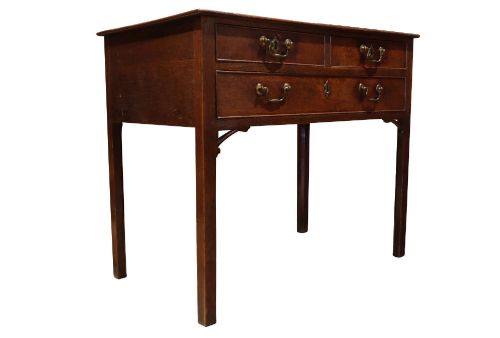
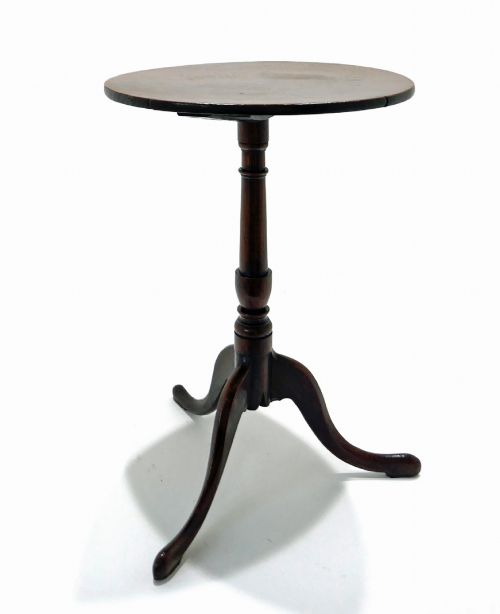
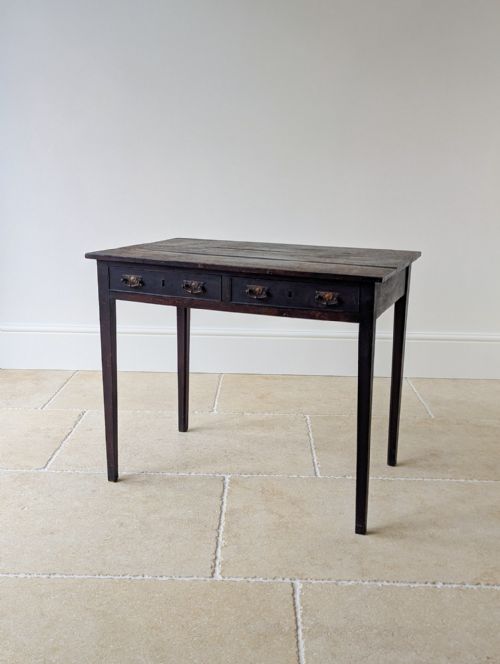


George III Oak Side Table
A george iii oak side table offers honest regional character, bringing sturdy eighteenth-century craftsmanship and warm timber tones directly into a room.
George III Oak Side Table
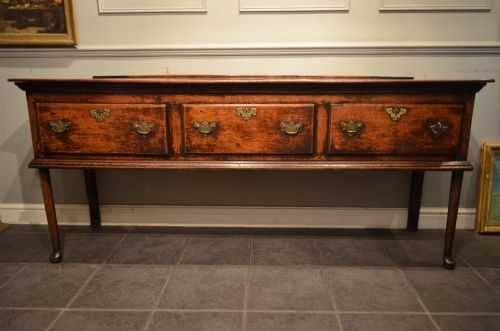
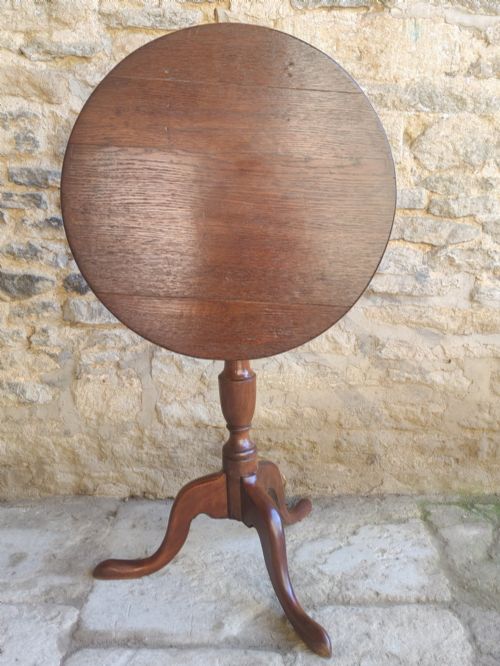
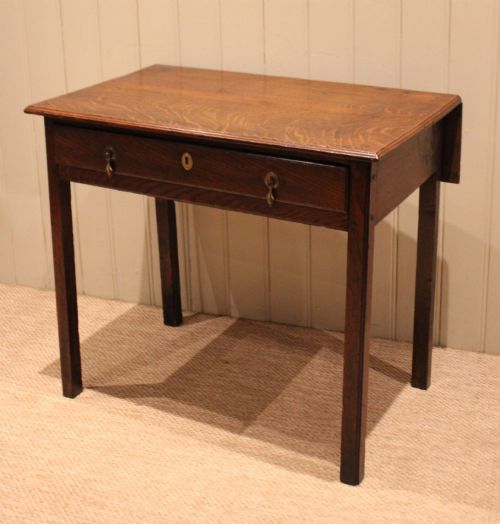
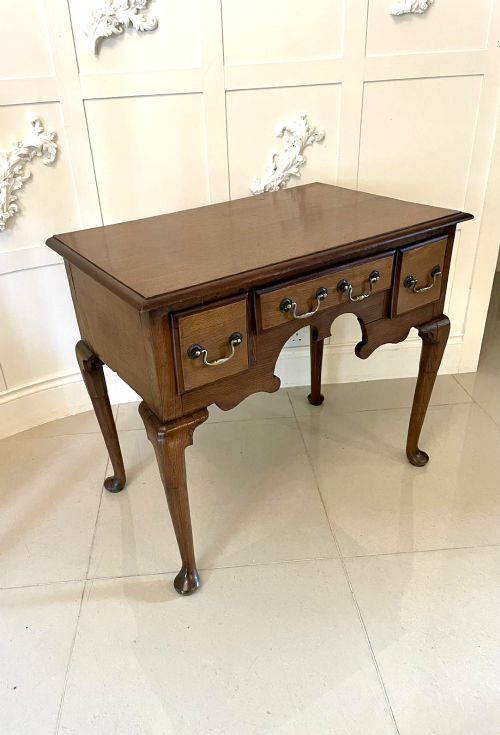
When you search for a george iii oak side table, you encounter practical domestic furniture from the Georgian period, typically spanning the eighteenth century up to around eighteen hundred. These pieces encompass lowboys, occasional tables, tripod tables, and Pembroke tables built for everyday utility in country houses and provincial homes.
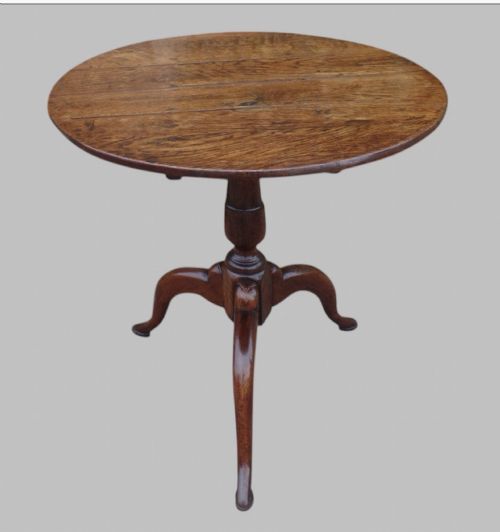
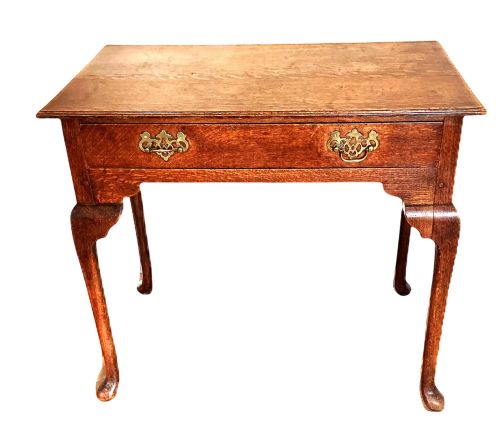
The versions you are most likely to meet on this page are lowboys fitted with single drawers, small tripod or tilt-top occasional tables, and occasional side tables showing country vernacular or straightforward Georgian styling.
Makers of the period utilised native timbers, occasionally combining oak with mahogany or fruitwood, and sometimes applying subtle inlay to create functional surfaces for hallways, living spaces, and parlours.
How they were made
Cabinetmakers constructed these pieces primarily from solid oak, sometimes pairing it with fruitwood or mahogany for specific elements like table tops and drawer linings. Iron and brass hardware, including original swing handles and escutcheons, fastened drawers and folding mechanisms securely.
Joinery techniques relied on traditional pegged mortise and tenon frames, sturdy turning for legs and central columns, and clever folding designs seen in coaching and tilt-top occasional tables. Surfaces were planed and finished by hand, allowing the natural grain and figuring of the timber to remain prominent.
George III Oak Side Table Retail Price Guide 2026
Typical asking prices for george iii oak side table among the pieces listed under this phrase on Sellingantiques today, from the lower quarter to the upper quarter. They describe what is for sale here now, not the wider market.
Listings on this page span the Georgian era, incorporating oak, mahogany, fruitwood, and brass hardware across diverse forms like lowboys and tripod tables.
What varies in quality
The distinction between a standard utility piece and a finer example rests largely on the choice of timber and the restraint of its proportions. Tables featuring well-figured oak grain, slender turned columns, and well-preserved original brasses command greater appreciation than plain, heavy utilitarian items.
Construction integrity also separates the range, as pieces retaining their original timber top boards, intact drawer linings, and unaltered joinery demonstrate superior craftsmanship from the period.
The George III Oak Side Table Glossary
- Lowboy
- A small table with one or more drawers, commonly used as a dressing table or side table in the eighteenth century.
- Tripod table
- A small occasional table supported by a pillar on three legs, frequently designed with a tilt-top mechanism.
- Cricket table
- A small, three-legged circular table dating from the country vernacular tradition, valued for its stable stance on uneven floors.
- Pembroke table
- A drop-leaf table with hinged flaps on either side, introduced during the eighteenth century for versatile placement.
- Dresser base
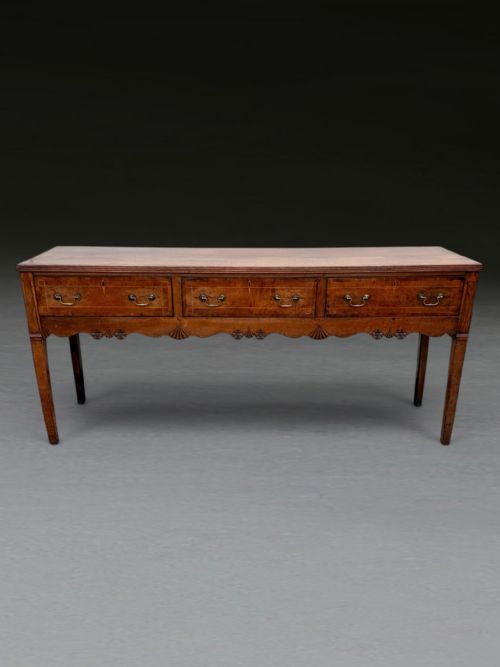
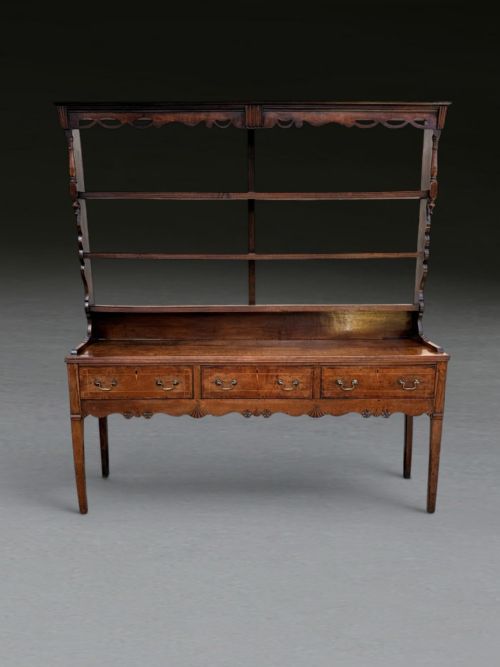
- A heavy low sideboard with drawers and cupboards, originating in country kitchens and dining rooms.
George III Oak Side Table: Frequently Asked Questions
What is a george iii oak side table used for today?
These tables function well as lamp tables, small desk surfaces, or hallway stands in modern interiors, fitting easily into compact spaces while adding period character.
Their sturdy timber construction means they handle daily use reliably, serving practical domestic roles just as they did in the eighteenth century.
How do I identify a george iii oak side table?
Look for characteristic Georgian proportions, traditional pegged joinery, and the rich patina of aged native oak timber.
Details such as original brass drawer pulls, slender turned legs, and straightforward country vernacular styling help confirm the eighteenth-century origin.
Where were these tables placed in period homes?
Country houses and provincial homes utilised these tables in hallways, parlours, and bedrooms for holding lamps, writing, or storing small personal items.
Their modest footprint allowed them to sit against walls or beside seating without obstructing household movement.
How should I care for an antique oak table?
Protect the surface from excessive moisture and direct heat by using coasters and placing the table away from direct sunlight.
Apply occasional natural wax polish to nourish the timber and maintain the soft sheen developed over centuries of handling.