


George III Fold Table
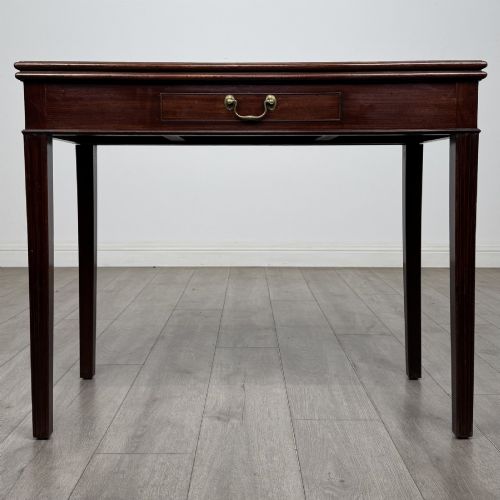
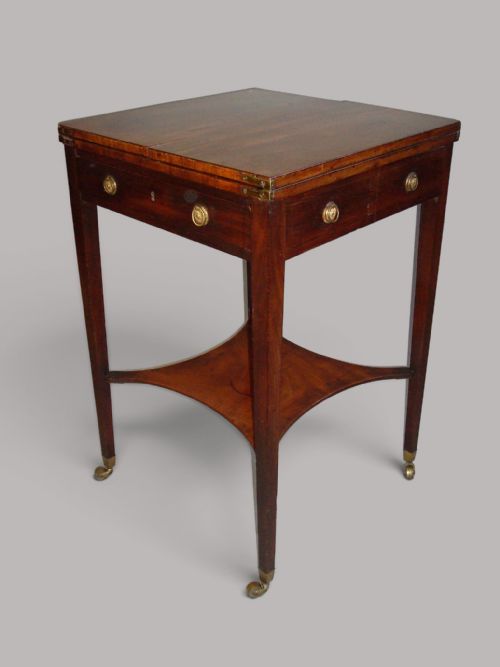
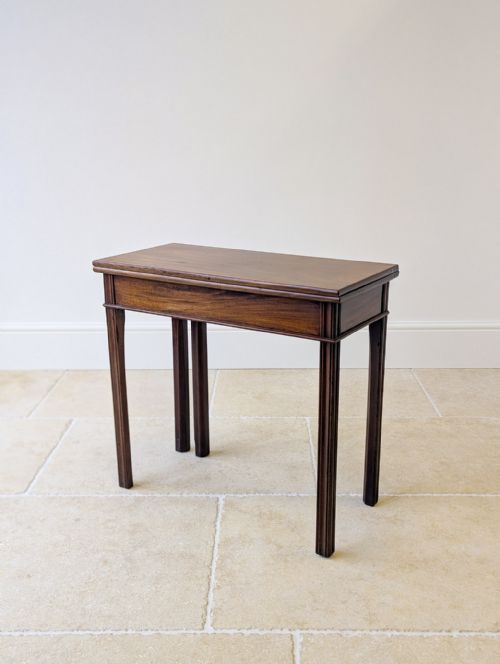
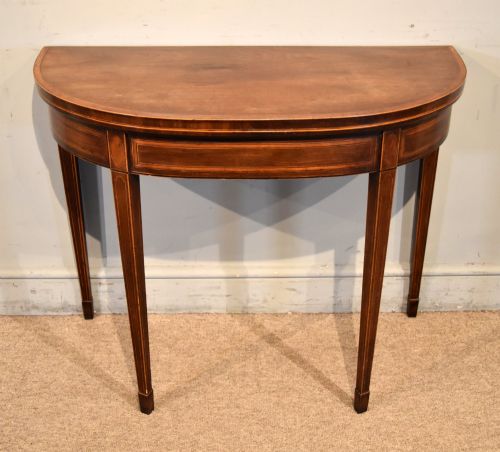
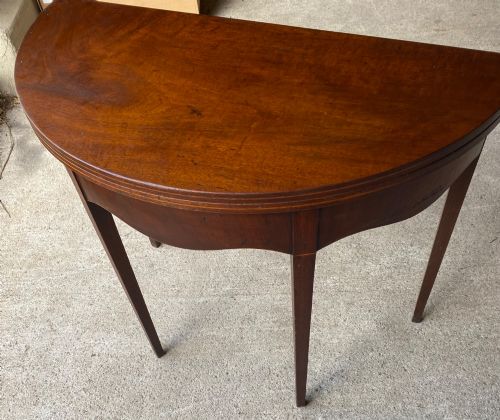
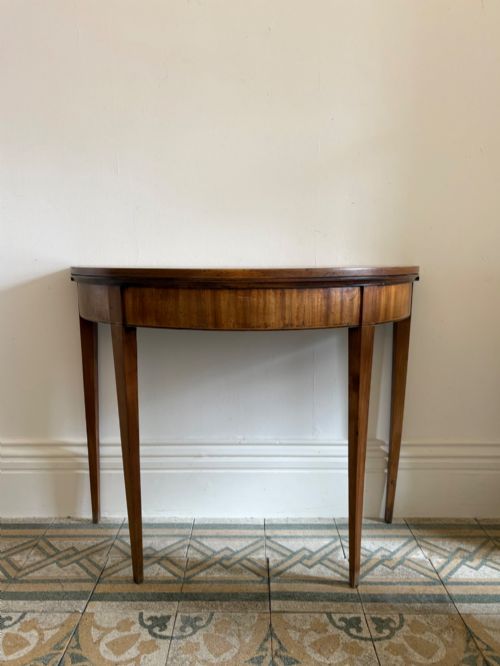
A george iii fold table brings flexible dining and gaming surfaces into a room through clever hinged leaves and pivoting tops.
George III Fold Table
When searching for a george iii fold table, you encounter card tables, tea tables, and games tables spanning the Georgian period and the eighteenth century alongside later revival pieces.
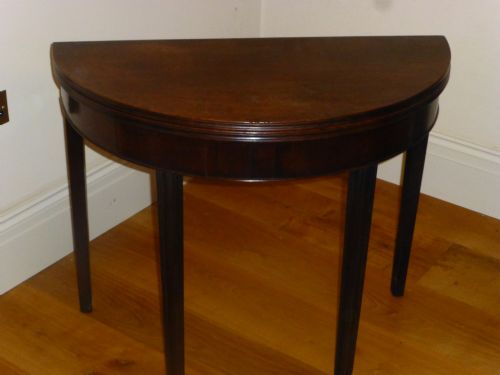
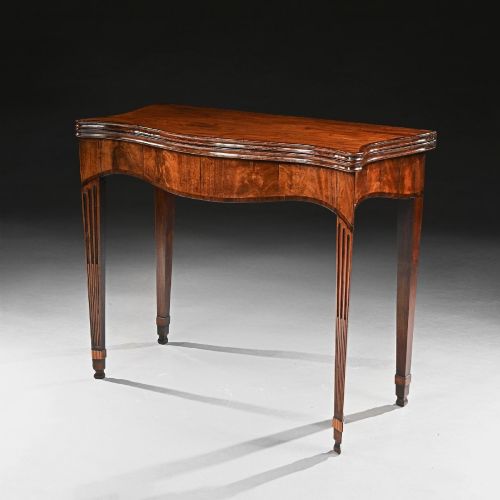
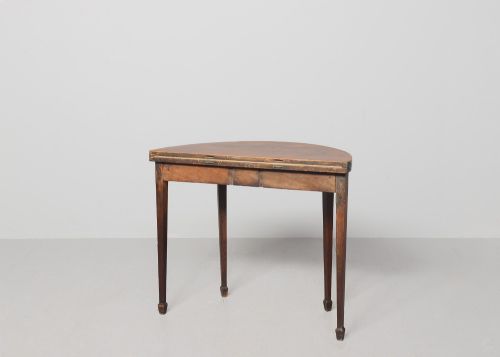
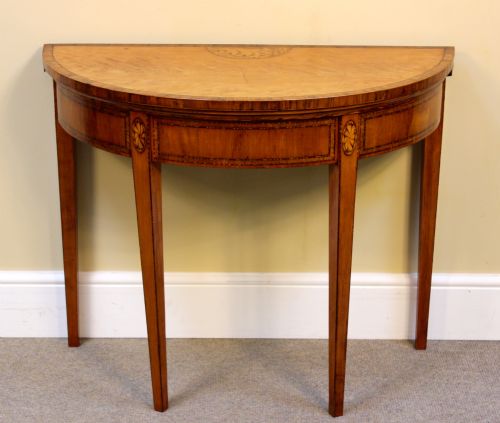
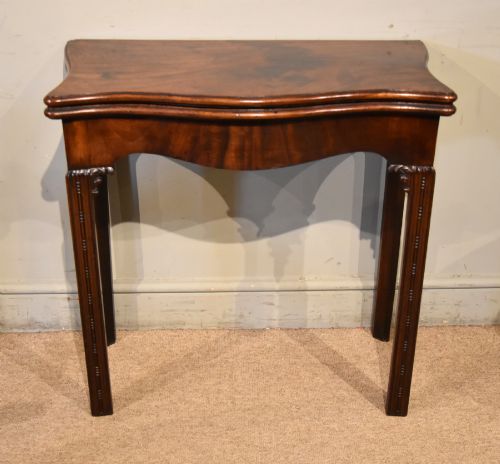
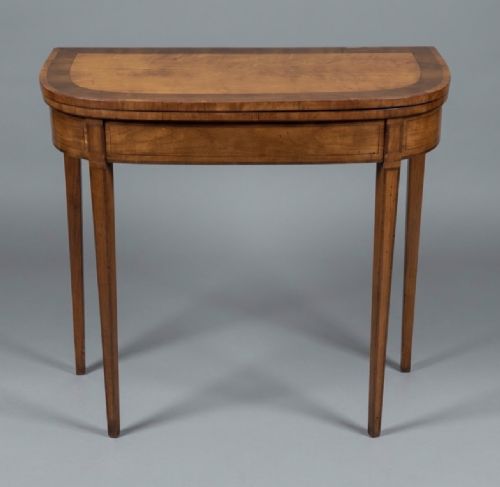
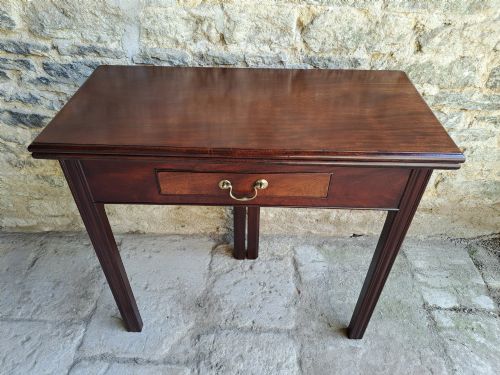
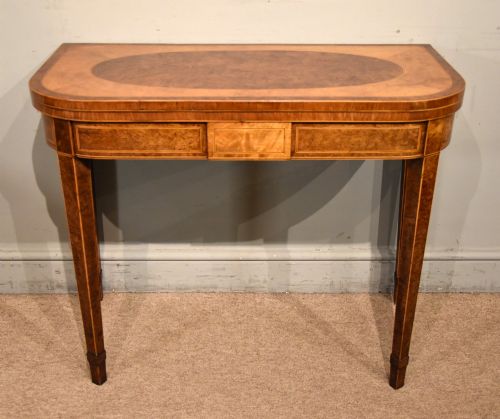
The most common formats on this page are demi-lune, serpentine, and rectangular card tables that feature a folding top supported by a swing leg or a pivoting action.
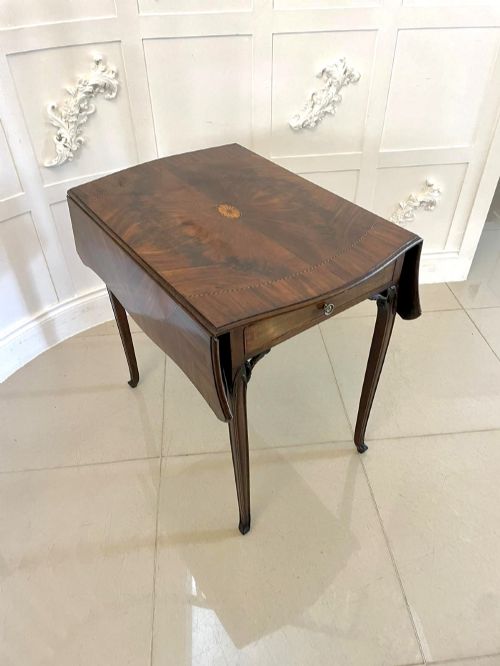
Makers utilised various secondary forms within this category, including Pembroke tables, drop-leaf tables, console tables, and occasional folding furniture designed for adaptability in domestic spaces.
Materials and construction
Cabinet makers built these tables primarily in solid and veneered mahogany, frequently selecting flame mahogany, burr yew, and walnut for figured surfaces.
Decorative detailing relies on contrasting timbers like satinwood, kingwood, boxwood, and brass inlay arranged in crossbanded borders or neoclassical motifs.
Internal framing often incorporates oak or other sturdy secondary timbers to support the folding mechanisms and weight-bearing legs.
George III Fold Table Retail Price Guide 2026
Typical asking prices for george iii fold table among the pieces listed under this phrase on Sellingantiques today, from the lower quarter to the upper quarter. They describe what is for sale here now, not the wider market.
Listings feature woods including mahogany, satinwood, rosewood, oak, and boxwood, alongside baize linings.
Judging execution and design
Quality rests on the selection of timber figures, where richly grained veneers and well-matched book-matched surfaces elevate a piece above plain boards.
The precision of the joinery in the folding mechanism and the crispness of carved details, such as moulded edges or inlaid borders, determine the standard of workshop output.
George Bullock·Gillows
The George III Fold Table Glossary
- Demi-lune
- A half-moon shape popular for console and card tables placed flat against a wall. This format allowed smaller tables to occupy minimal floor space until unfolded for use.
- Crossbanding
- A strip of veneer applied to the border of a table top with the grain running perpendicular to the centre panel. This technique creates a distinct visual frame around the main timber.
- Baize
- A coarse woolen fabric used to line the playing surfaces of card and games tables. It provides a durable, soft texture suited for card games.
- Pembroke table
- A small table with hinged drop-leaves on either side and usually a single drawer. It originated in the eighteenth century as a versatile piece for breakfast or writing.
George III Fold Table: Frequently Asked Questions
What is a george iii fold table used for?
These tables served primarily as multi-functional furniture for tea drinking, social card games, and writing in eighteenth-century drawing rooms. The hinged leaves allowed households to expand surface areas only when guests arrived.
Fold-over tops concealed green baize playing surfaces or shallow storage wells for cards and counters when closed against the wall.
How do I identify a genuine period piece?
Examine the timber selection, secondary woods like oak, and the hand-cut joinery within the folding mechanism. Eighteenth-century pieces exhibit construction methods consistent with period workshop practices rather than modern assembly.
Check the alignment of the hinged top and the pivoting rear leg, which should operate smoothly using original wooden or brass pivots.
What is the difference between a card table and a tea table?
Card tables generally feature a fold-over top lined with baize or felt on the interior surface, often accompanied by small corner pockets for gaming counters. Tea tables frequently feature polished wooden interiors designed to hold porcelain tea services.
Some surviving examples combine multiple functions into triple-top tables that convert between serving surfaces and gaming layouts.
Where should I place this table in a modern home?
A demi-lune or rectangular folding table sits comfortably against a hallway or living room wall as a console when closed. Opening the leaves creates a functional surface for games nights or occasional dining.
Keep these tables away from direct heat sources and strong sunlight to protect the fragile mahogany or satinwood veneers and polished finishes.