
George III Carved Table
A george iii carved table brings the rich grain of mahogany and the refined discipline of eighteenth-century design straight into a modern room.
George III Carved Table
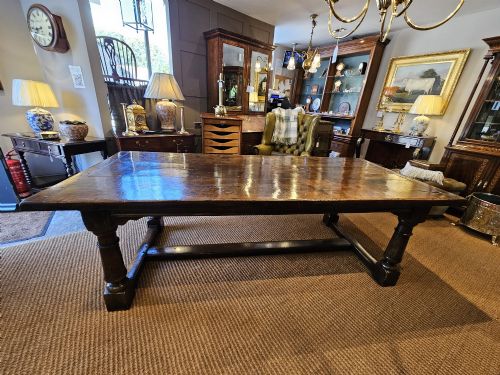
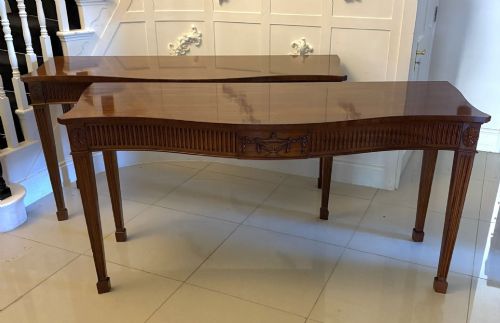
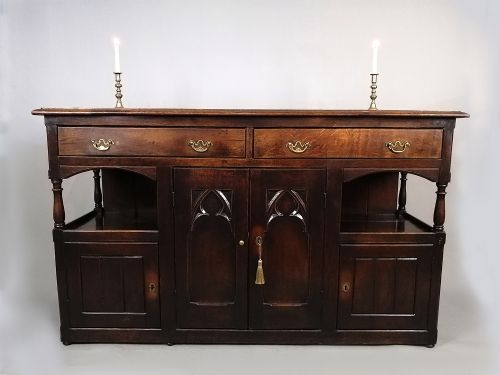
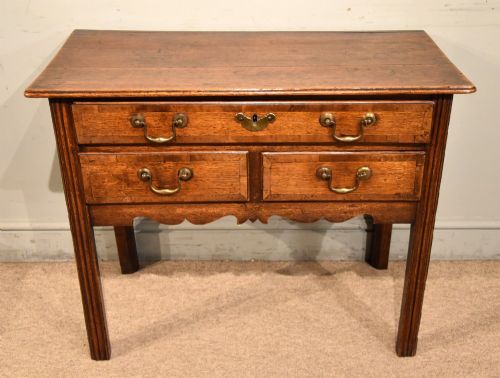
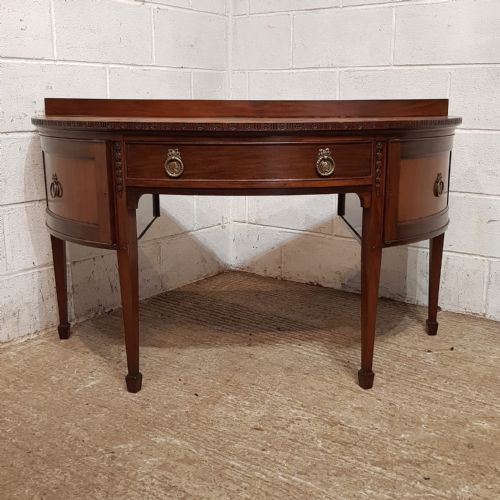
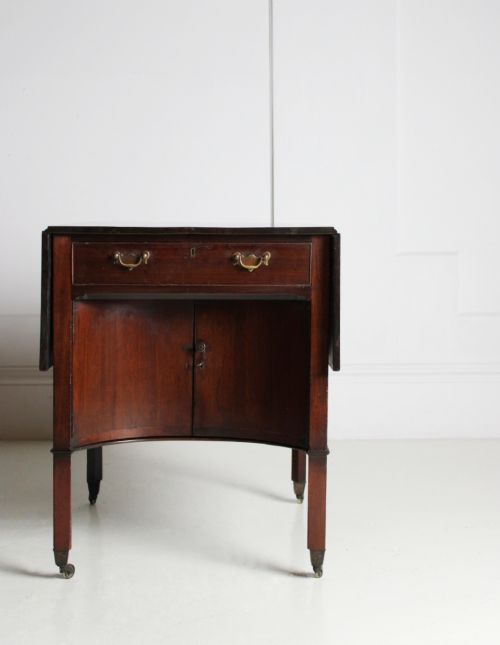
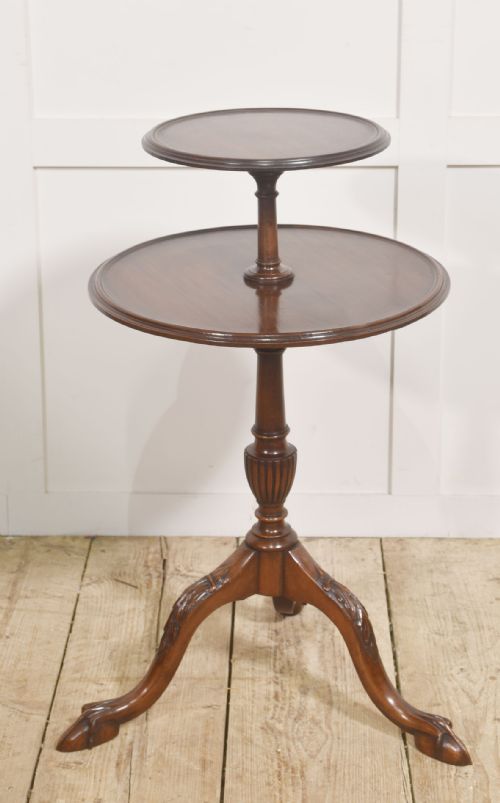
When you search for a george iii carved table, you enter a diverse field spanning formal tripod dining pieces, card tables, and occasional stands. The forms range from compact kettle stands and wine tables to expansive refectory tables and serving consoles.
Most examples encountered here originate from the eighteenth century or follow its distinct stylistic path through later revivals. Mahogany forms the backbone of these offerings, supplemented by sturdy oak and decorative satinwood.
Makers of the period adapted their constructions for specific domestic rituals, resulting in specialised shapes like tilt-top supper tables and fold-over card tables. Each form serves a practical function rooted in Georgian social life while displaying precise architectural carving.
How they were made
Cabinetmakers relied heavily on dense mahogany and native oak, joining structural components with pegged mortise and tenon joints or dovetailed drawer frames. Timber selection dictated the success of the piece, with figured grain reserved for prominent surfaces such as table tops and card table flaps.
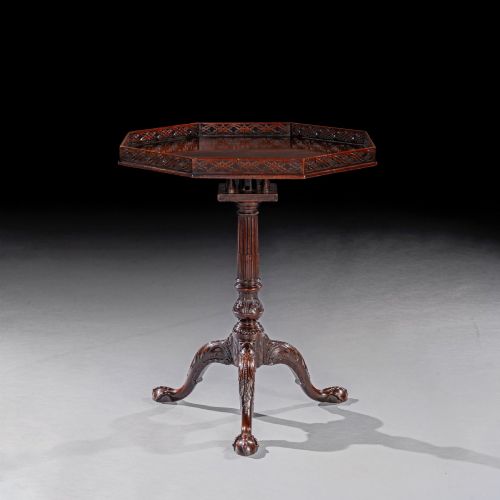
Carving was executed by hand using gouges and chisels directly onto the solid wood, producing crisp acanthus leaves, blind fretwork, and gadrooned edges. Tilt-top mechanisms and snap-top catches required exact metalwork and pivoting wooden pillars to function smoothly.
Surface finishing involved painstaking scraping and polishing with natural resins and oils to accentuate the natural depth of the wood. Marquetry and inlay added geometric or floral contrast using lighter woods like satinwood set into darker mahogany grounds.
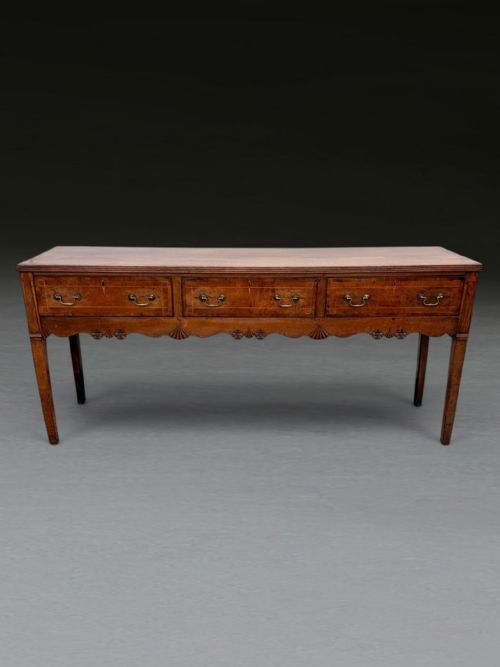
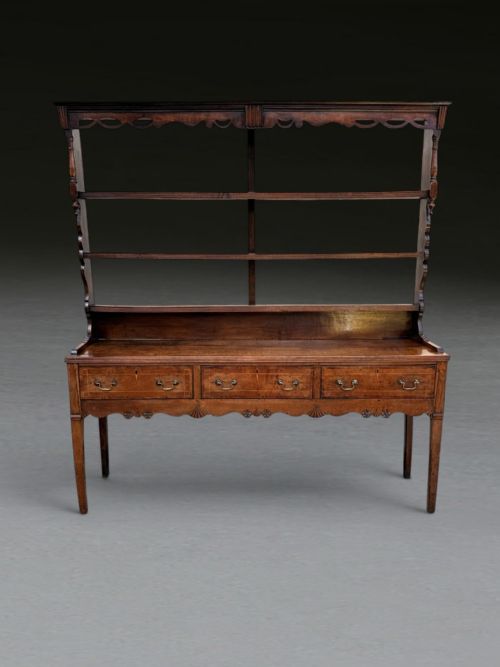
Listings feature mahogany, oak, and satinwood across forms including tripod tables, dressers, and serving consoles from the eighteenth to the early twentieth century.
What varies in quality
The distinction between ordinary and exceptional work rests on the depth and crispness of the hand carving. Superior examples exhibit undercut foliage and sharp architectural moulding that retain their definition across every angle.
Proportion and timber selection drive the hierarchy of these tables, as cabinetmakers of the highest tier matched grain patterns across expansive surfaces and folding leaves. Structural integrity in moving parts, such as the hinge action of card tables or the pivot of a tilt-top pillar, separates master joinery from routine workshop production.
Hepplewhite·Chippendale
The George III Carved Table Glossary
- Piecrust edge
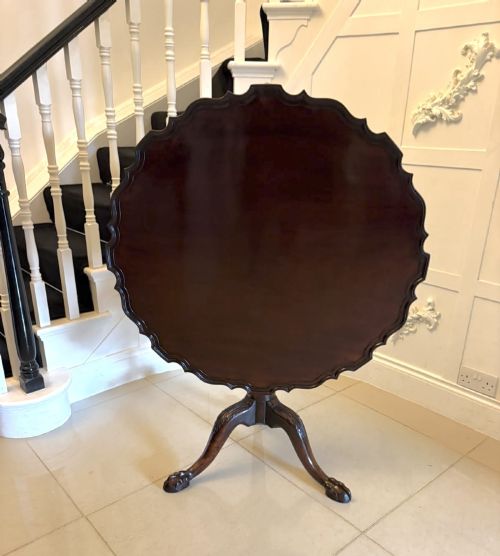
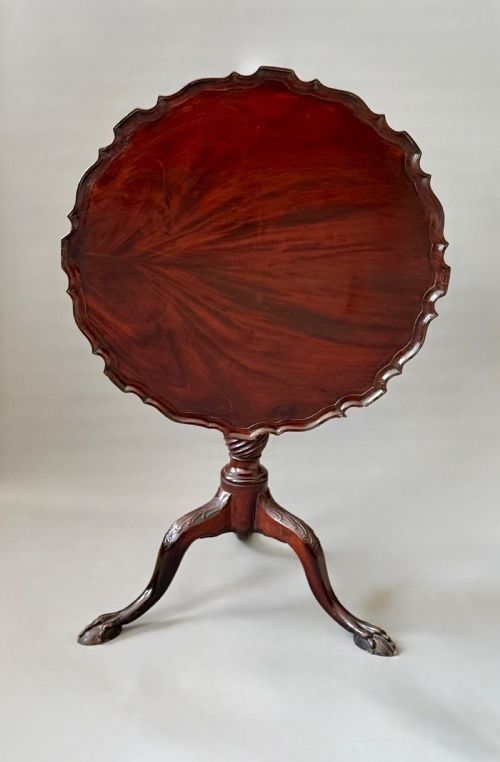
- A raised, carved rim shaped in a series of undulating curves resembling pastry work. This technique required skilled carving from a solid thick timber blank.
- Tripod table
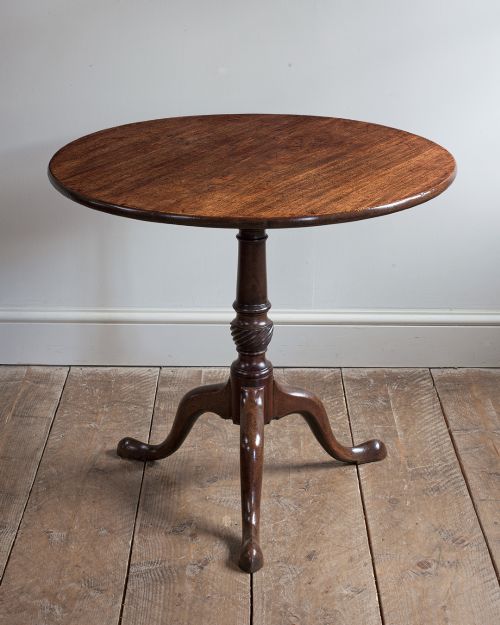
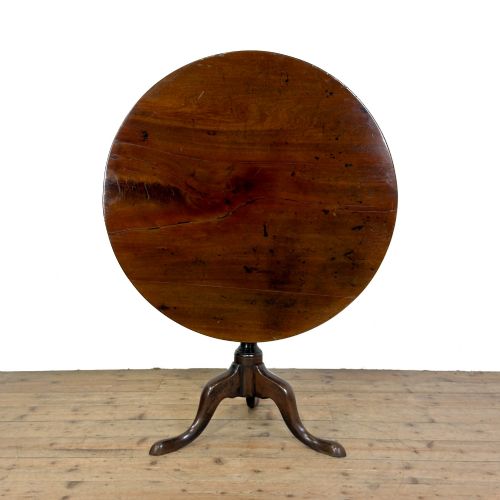
- A small freestanding table supported by a central pillar resting on three curving legs. These pieces gained popularity for their portability and space-saving design.
- Tilt-top
- A mechanism allowing the table top to pivot vertically on the base for storage against a wall when not in use. It often locks into place with a brass catch.
- Blind fretwork
- Low-relief geometric or interlaced carving applied to flat surfaces without cutting through the wood. It mimics more complex fret-cut panels while retaining solid backing strength.
- Gadrooning
- A decorative carved moulding consisting of parallel convex curves or flutes running along furniture edges. It frequently borders the aprons of formal side and card tables.
George III Carved Table: Frequently Asked Questions
What is a tilt top table used for?
These tables served primarily as flexible furniture for tea drinking or supper in eighteenth century drawing rooms. The pivoting mechanism allowed servants to fold the top flat and store the piece against the perimeter of the room.
Today, the same feature makes them practical for smaller spaces where a permanent surface is unnecessary. Owners often keep them tilted to display the polished underside and grain of the wood.
How do I identify a genuine piece?
Authentic pieces display construction methods appropriate to their period, such as hand-cut dovetails, pegged joints, and secondary timbers hidden beneath primary surfaces. Tool marks left by chisels and saws indicate manual production before the advent of factory standardisation.
Examine the wear patterns on feet and pivot points for natural ageing consistent with centuries of domestic use. The presence of period brass hardware and stable timber shrinkage adds further weight to the attribution.
Can I use a card table every day?
Folding card tables were built to withstand frequent opening and closing for evening games and social gatherings. Their sturdy folding legs and hinged flaps remain remarkably resilient when handled with reasonable care.
Placing them away from direct sunlight and extreme humidity protects the old polish and prevents timber splitting. They function admirably as console surfaces or occasional desks in modern settings.
What is the difference between original and revival pieces?
Eighteenth century examples carry the patina and structural quirks of their original era of manufacture. Revival pieces from later periods replicate these classic forms using older stylistic blueprints while often employing slightly different secondary woods or machine assistance.
Both categories offer distinct merits depending on whether a buyer seeks historical provenance or traditional aesthetic harmony. Careful examination of timber seasoning and joint construction clarifies the exact age of any given item.