



George III Carved Armchairs
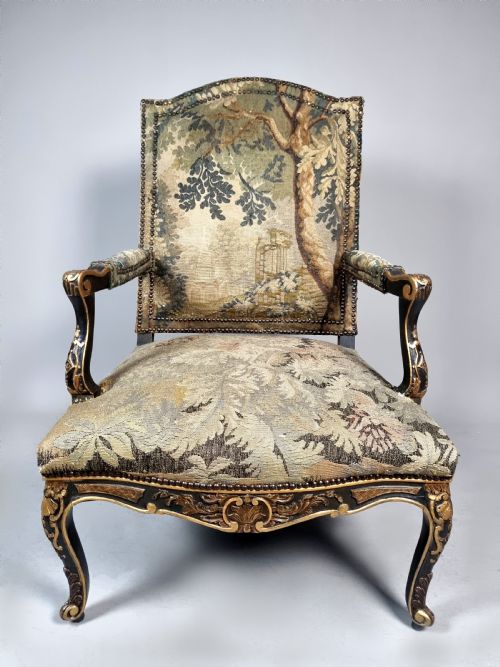
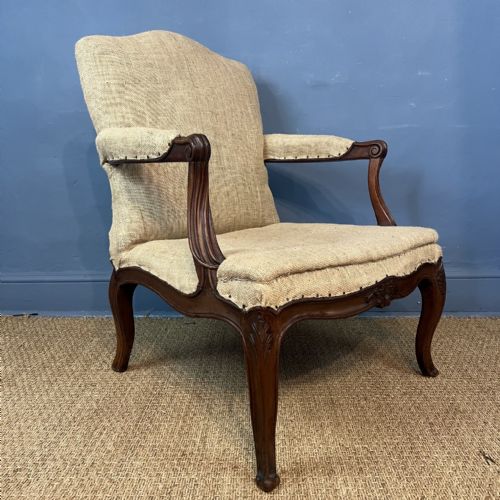
George iii carved armchairs are robust seating masterpieces from the Georgian era, offering profound historical elegance and solid craftsmanship that collectors desire.
George III Carved Armchairs
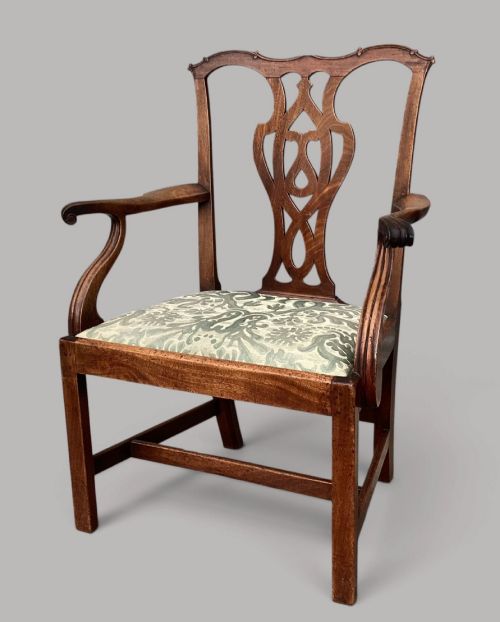
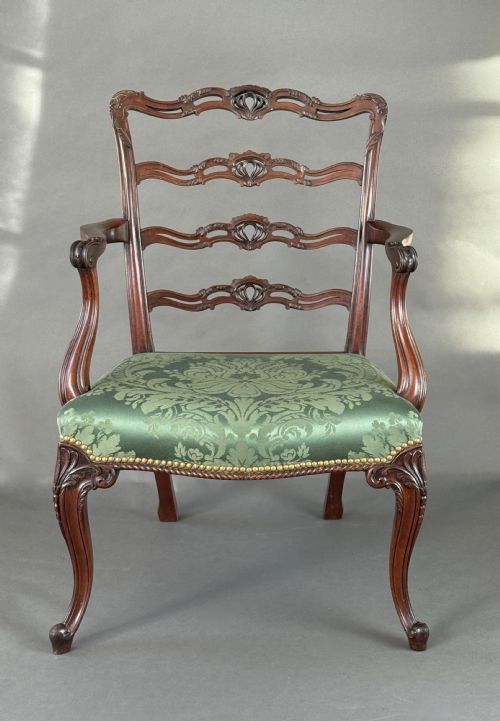
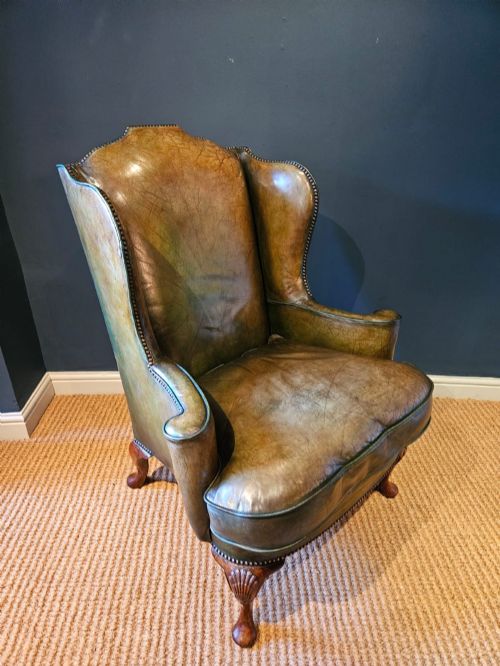
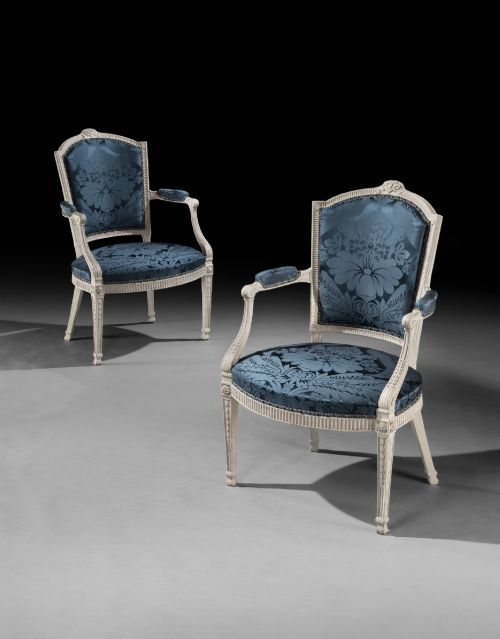
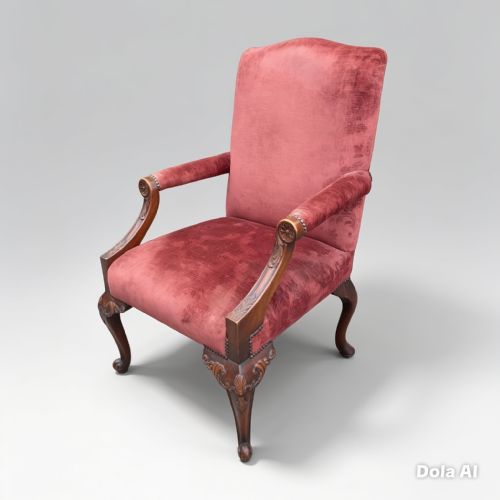
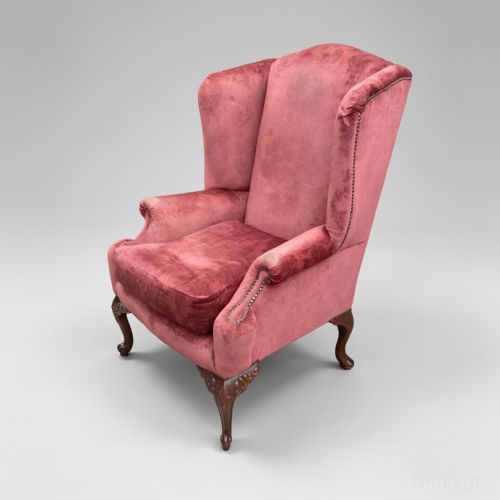
George iii carved armchairs encompass a rich variety of seating forms originating primarily from the eighteenth century, alongside later nineteenth and twentieth-century revivals. When exploring this selection, buyers frequently encounter library Gainsborough chairs, robust desk armchairs, and formal dining carvers.
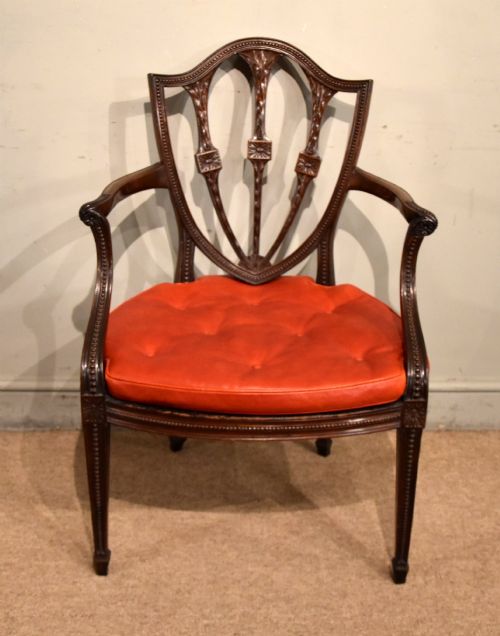
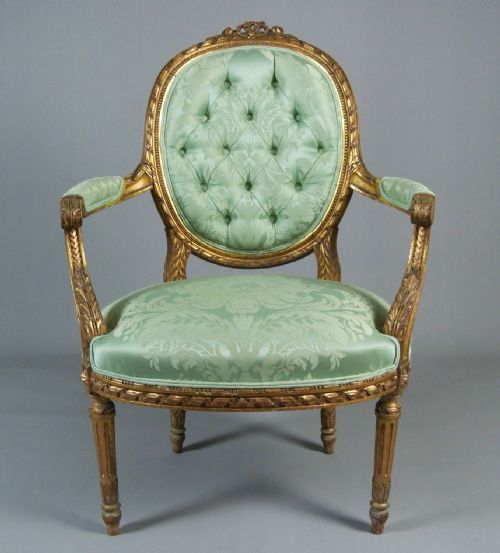
The materials and styles span traditional mahogany, solid yew wood, oak, and giltwood, paired with distinct Hepplewhite influences and shield backs. Pieces range from straightforward corner chairs to grand upholstered library seats defined by period craftsmanship.
Materials and Construction Techniques
Makers utilised solid timbers such as mahogany, oak, and yew wood, shaping frames through precise joinery and hand carving. Giltwood examples demonstrate intricate surface preparation, while structural stability relies on traditional pegging and mortise joints.
Upholstery techniques incorporate traditional stuffing and webbing beneath layered textiles, utilising damask upholstery, velvet, leather, and fabric secured with brass detailing.
George III Carved Armchairs Retail Price Guide 2026
Typical asking prices for george iii carved armchairs among the pieces listed under this phrase on Sellingantiques today, from the lower quarter to the upper quarter. They describe what is for sale here now, not the wider market.
Evaluating Quality and Authenticity
Quality rests upon the crispness of the hand carving and the integrity of the timber frame, distinguishing master workshops from standard production. Original surfaces and period patination hold greater esteem than heavily restored structures.
The sophistication of the design, such as the proportional balance of cabriole legs or shield backs, separates exceptional pieces from simpler regional interpretations.
Thomas Chippendale·H. Samuel, London
The George III Carved Armchairs Glossary
- Gainsborough chair
- A type of upholstered armchair with open padded arms, a wide seat, and a low back, popular during the eighteenth century.
- Shield back
- A chair back shaped like a heraldic shield, frequently associated with Hepplewhite designs from the Georgian period.
- Giltwood
- Wood that has been coated with gold leaf or a gold-coloured substance to create a decorative surface finish.
- Cabriole leg
- A furniture leg that curves outward at the knee and tapers inward at the ankle, often ending in a pad or claw foot.
- Elbow chair
- A traditional term for an armchair, particularly one used at the head of a dining table or within a library setting.
George III Carved Armchairs: Frequently Asked Questions
How do I identify a genuine period armchair?
Examine the timber patination, hand-carved details, and joinery methods underneath the seat frame to verify age.
Period pieces exhibit honest wear and hand-tooled marks consistent with eighteenth-century workshop practices.
Where should I place a library armchair?
These chairs suit studies, drawing rooms, or quiet reading corners where their generous proportions receive adequate space.
Their substantial timber frames require an open layout to appreciate the carved arm supports and upholstery.
What is the difference between a carver and a Gainsborough chair?
A carver typically refers to an armchair designed to match a set of dining chairs, featuring sturdier arm construction.
A Gainsborough chair is a specific wide-seated, fully upholstered library armchair designed for comfort during reading.
How should I care for historic upholstery?
Protect delicate damask, velvet, or leather surfaces from direct sunlight and fluctuating humidity levels within the room.
Gentle surface dusting helps preserve the integrity of both the textile covering and the underlying padding.