

George III Box
A george iii box holds small treasures, documents or provisions, offering a tangible piece of late eighteenth-century craftsmanship for daily use.
George III Box
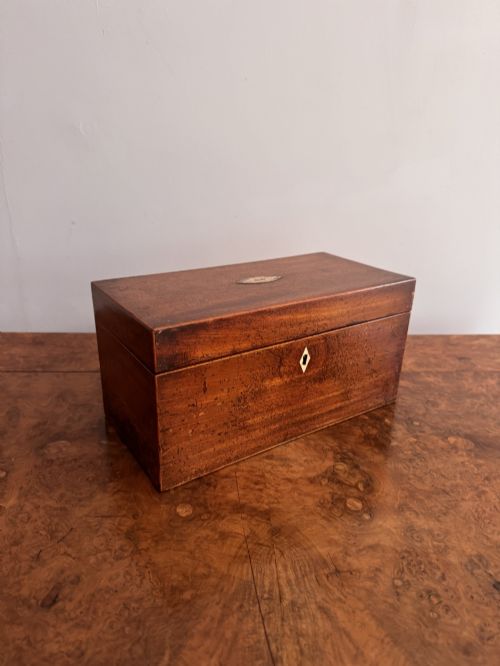
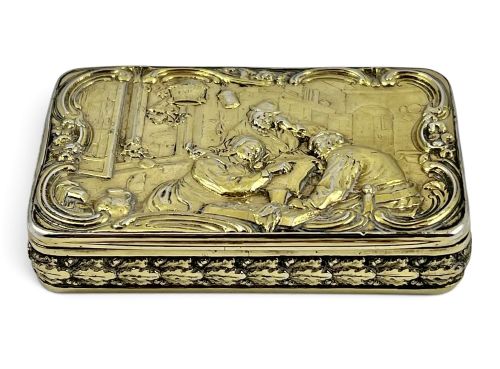
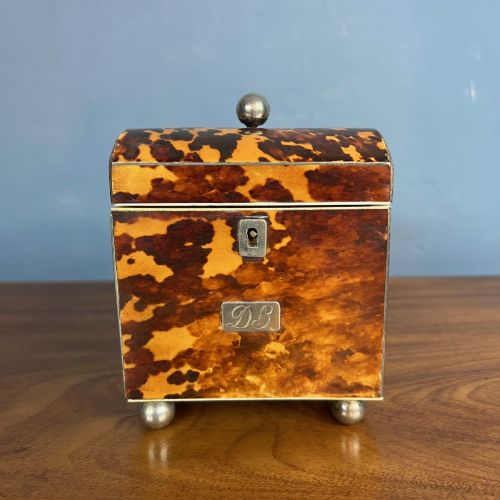
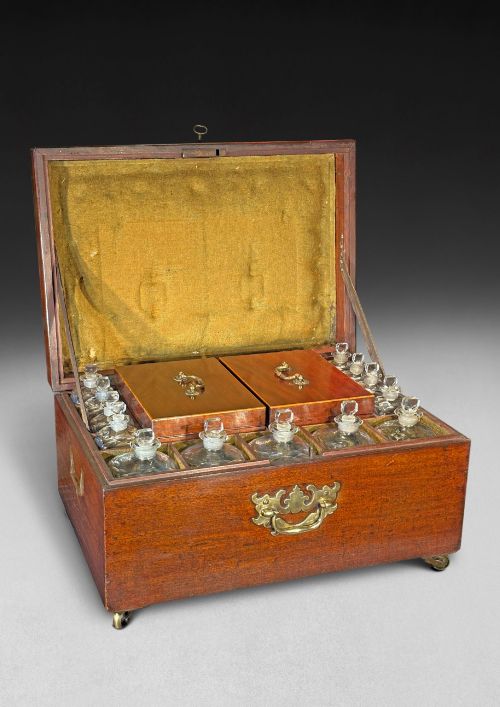
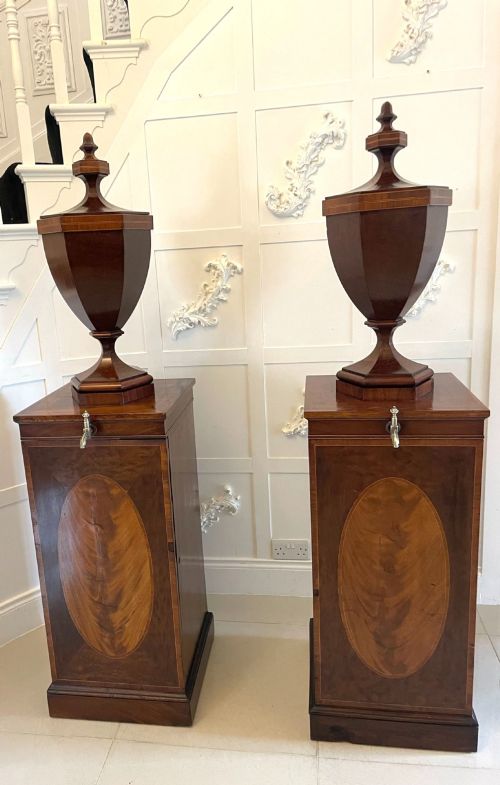
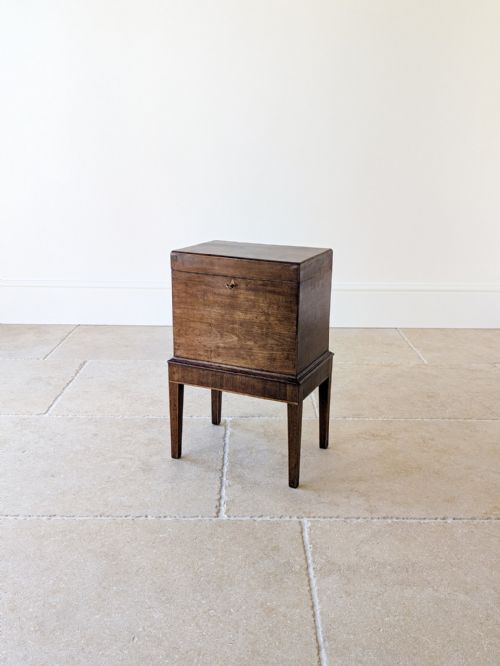
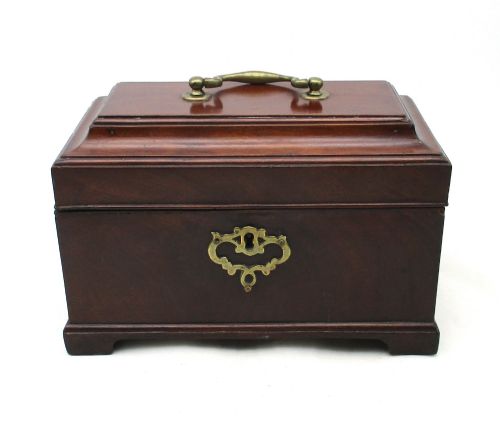
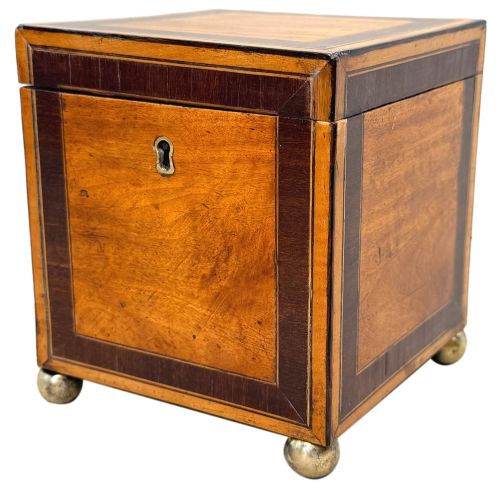
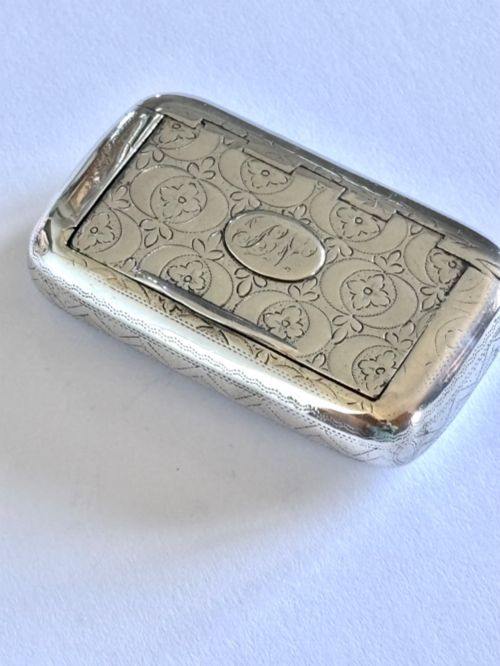
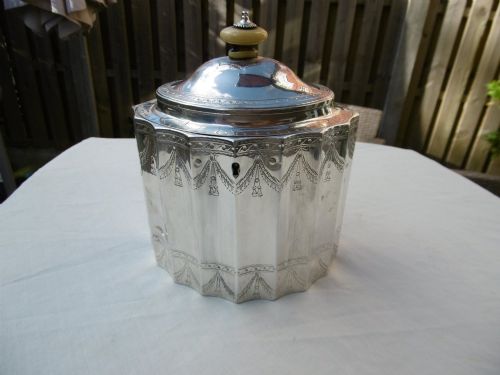
When you search for a george iii box, you encounter a range of containers made during the Georgian era, spanning tea caddies, snuff boxes, vinaigrettes, apothecary chests and cellarettes. These items served specific domestic and social rituals, from holding precious tea leaves to dispensing medicines or storing tobacco.
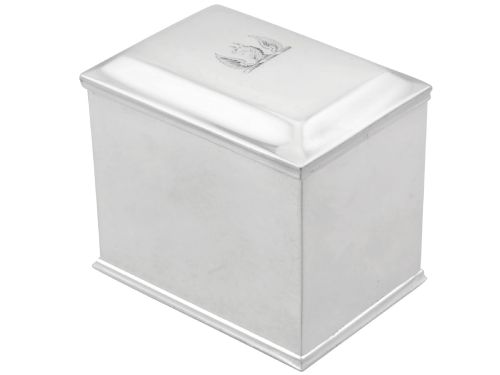
Mahogany forms the primary body for larger containers like tea caddies, cellarettes and dressing table mirrors, often accented with satinwood or boxwood stringing. Smaller personal items appear in sterling silver, silver gilt, and gold, reflecting the varied status of their original owners.
The objects on this page largely date from the late eighteenth and early nineteenth centuries, displaying the neoclassical lines, clean geometry and restrained inlay characteristic of the period. Tea caddies and snuff boxes dominate the selection, showing the era's preoccupation with social entertaining and personal grooming.
Materials and Technique
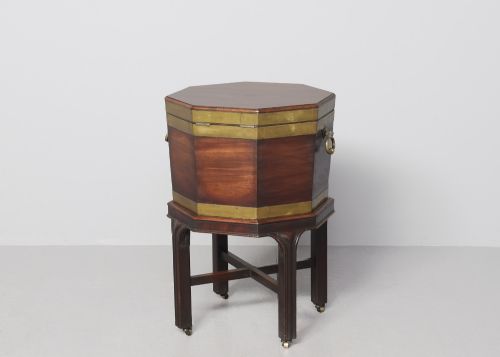
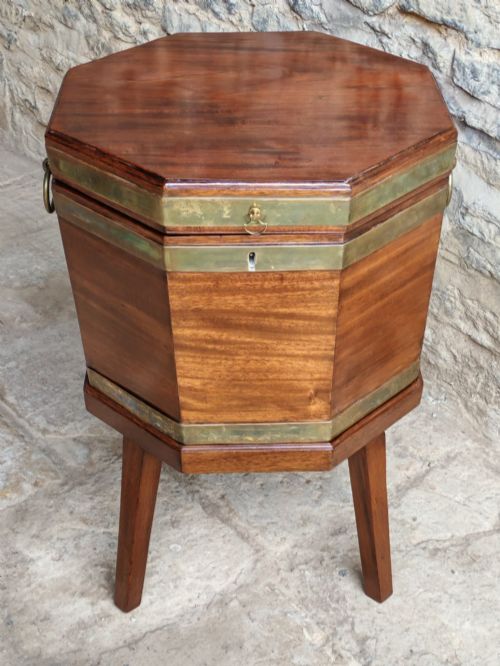
Cabinetmakers constructed larger boxes using dense timbers like mahogany, yew and oak, frequently employing flame veneer or crossbanding to create figured surfaces. Brass mounts, banding and drop handles reinforce the corners and edges of wine coolers and cellarettes.
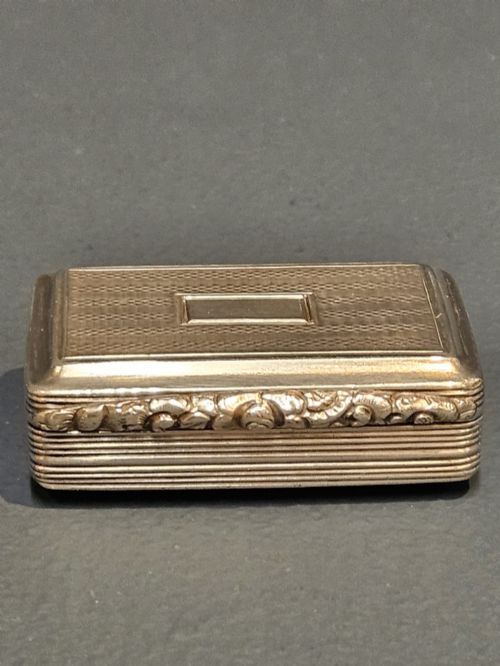
Silversmiths shaped personal items such as snuff boxes and vinaigrettes through techniques including bright-cut engraving, casting and gilding. Interiors of silver vinaigrettes feature pierced gilt grilles designed to hold sponge soaked in aromatic vinegar.
Specialised wooden pieces incorporate satinwood and boxwood stringing or marquetry panels, demonstrating precise joinery through dovetailed corners and fitted internal compartments.
George III Box Retail Price Guide 2026
Typical asking prices for george iii box among the pieces listed under this phrase on Sellingantiques today, from the lower quarter to the upper quarter. They describe what is for sale here now, not the wider market.
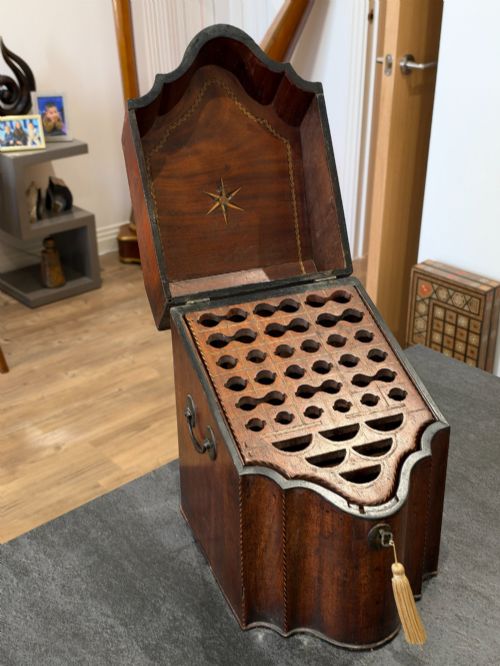
Spice towers stack neat wooden compartments so aromatic powders remained ready for the eighteenth-century cook.
Assessing Quality
Quality rests in the crispness of the exterior carving, the symmetry of the wood veneers and the integrity of internal fittings such as original mixing bowls, canisters or spice drawers. Pieces retaining their original brass handles, locks and working keys command greater interest.
Silver items display distinction through the clarity of the maker's mark, assay office punches and the finesse of hand-engraved bright-cut decoration on the lid and sides. Heavy gauge metal and tight-closing hinges distinguish finer silversmithing from standard production.
The choice of timbers, such as figured flame mahogany or burr yew, alongside precise stringing and balanced proportions, separates standard utility items from high-status examples produced by notable workshops.
JOHN SHAW·SAMUEL PEMBERTON·THOMAS JOHNSON·Robert Hennell·CORNELIUS BLAND·Paul Storr·Giles Loyer·Alexander James Strachan
The George III Box Glossary
- Tea Caddy
- A container designed to store tea leaves safely away from light and air. They often feature internal compartments and lockable lids.
- Vinaigrette
- A small ornamental hinged box containing a perforated grill over a sponge soaked in vinegar. People carried them to mask unpleasant odours.
- Cellarette
- A lockable container used to hold bottles of wine or spirits, typically lined and fitted for floor placement beneath a sideboard.
- Bright-Cut Engraving
- A surface decoration technique using faceted angled cuts to reflect light from shallow grooves. It creates a sparkling geometric pattern on silver.
- Treen
- Small handmade wooden domestic objects. The term encompasses items like spice towers and candle boxes turned or carved from a single piece of timber.
George III Box: Frequently Asked Questions
What is a tea caddy?
A tea caddy is a lidded box designed to store loose tea leaves securely. Because tea was an expensive commodity in the Georgian period, these containers frequently included locks and internal lidded compartments.
They appear in various timbers such as mahogany, yew and satinwood, occasionally featuring octagonal or serpentine outlines.
How do I clean mahogany boxes?
Maintenance requires gentle dusting with a soft, dry cloth to protect the polished timber surface. Avoid harsh chemical polishes and keep wooden boxes away from direct sunlight and heat sources.
Natural beeswax applied sparingly helps preserve the patina of eighteenth-century furniture and smaller wooden containers.
What is a cellarette used for?
A cellarette functions as a secure container for storing wine bottles and decanters within a dining room. They often feature lead linings or internal wooden dividers to keep bottles upright and cool.
Larger examples stand on independent legs or original pedestals, while others sit directly on the floor beneath sideboards.
How do I identify silver hallmarks?
Silver hallmarks include a combination of stamps indicating the maker's initials, the town of assay, the standard of metal and a date letter. These marks help determine the exact year and location of manufacture.
Examining the interior lid or base reveals these tiny stamped symbols, which connect the piece to recorded silversmiths.