

George I Mirror
A george i mirror brings the restrained elegance of early eighteenth-century craftsmanship into a modern interior through figured walnut and gilded gesso.
George I Mirror
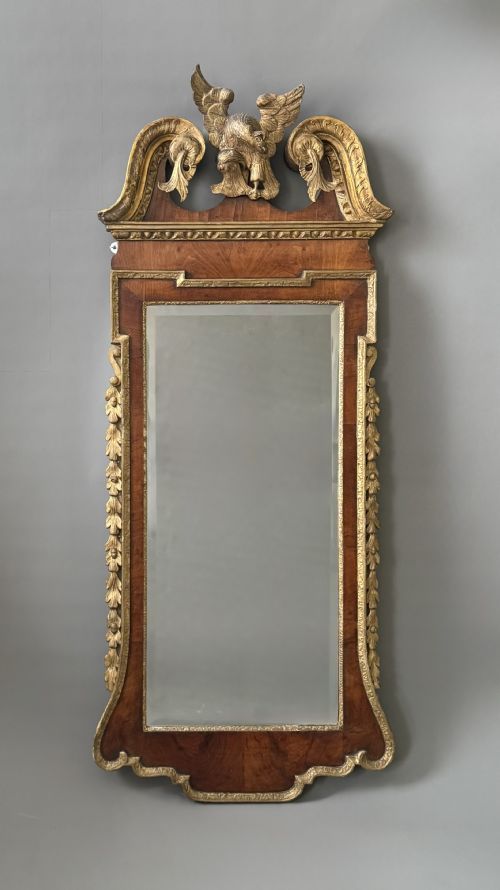
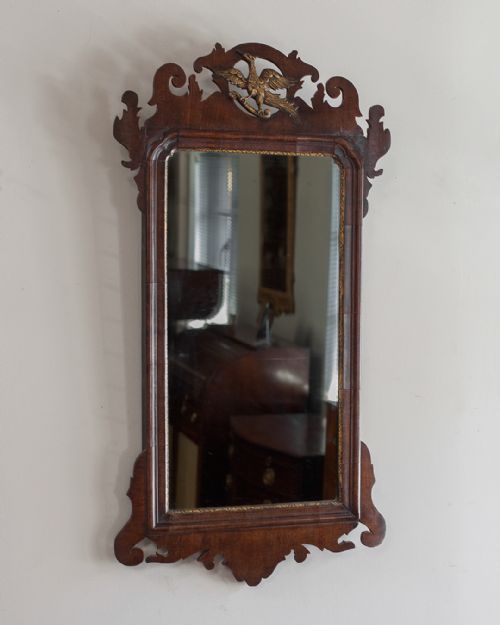
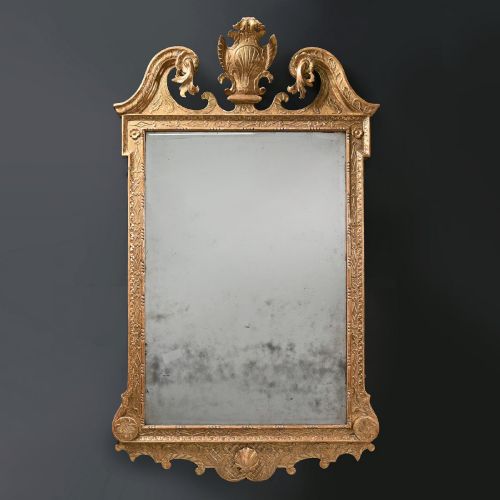
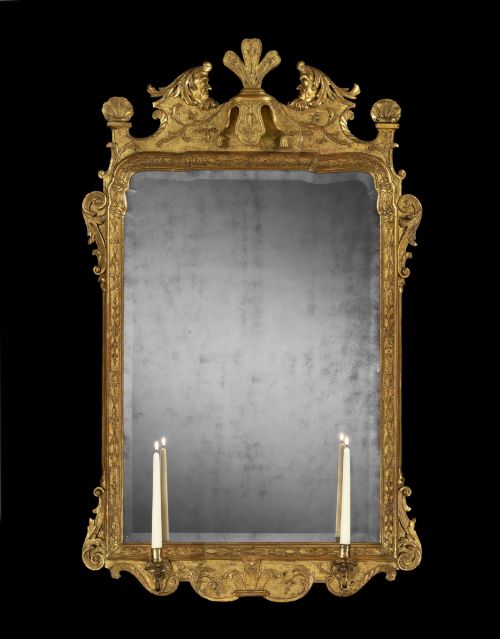
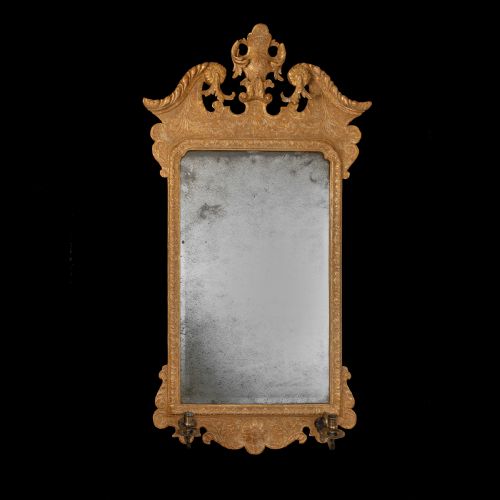
When searching for a george i mirror, buyers encounter wall-hanging pier glasses and dressing table mirrors dating from the early eighteenth century alongside later nineteenth-century revivals. The surviving period examples display architectural frames shaped from figured walnut, carved gesso, and parcel-gilt details designed to catch and reflect candlelight.
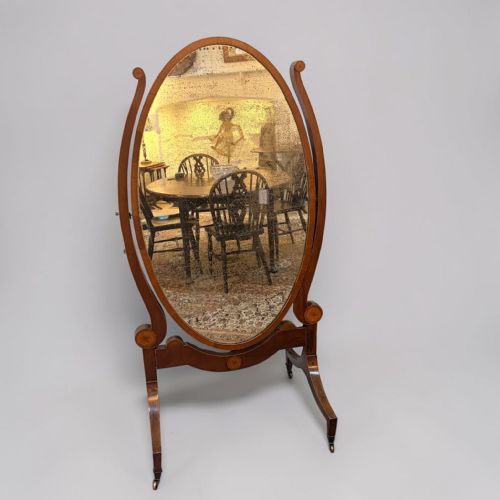
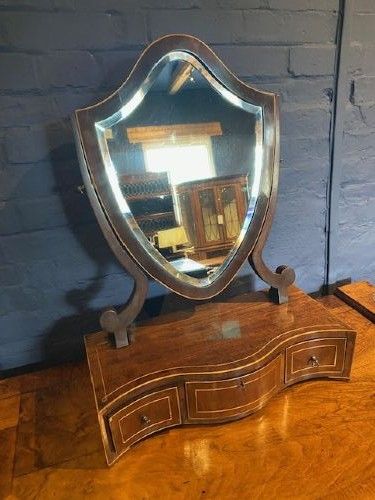
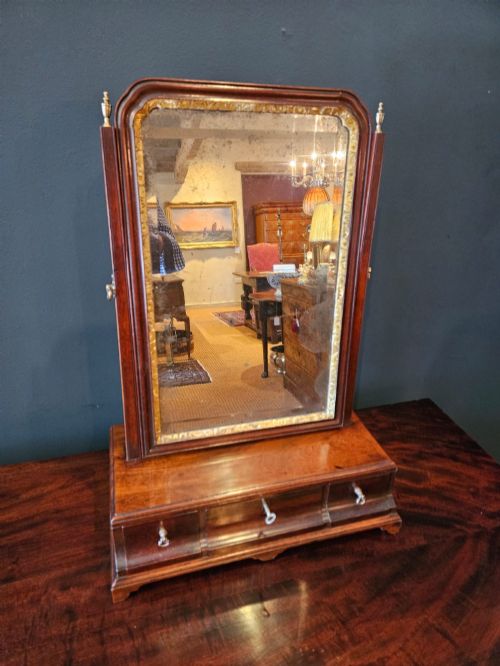
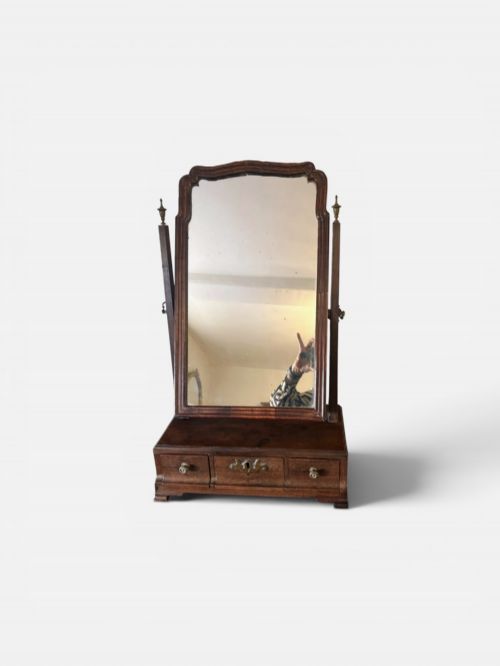
The selection ranges from small toilet mirrors fitted with swing frames to large wall mirrors intended to sit above mantlepieces or between windows. Alongside authentic eighteenth-century works, the market includes later Victorian and Edwardian revival pieces made in the same architectural styles.
How they were made
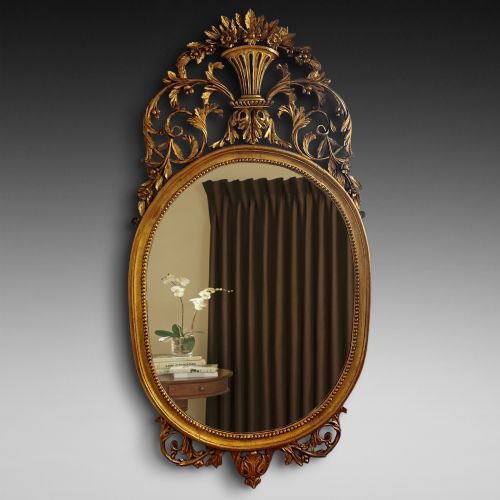
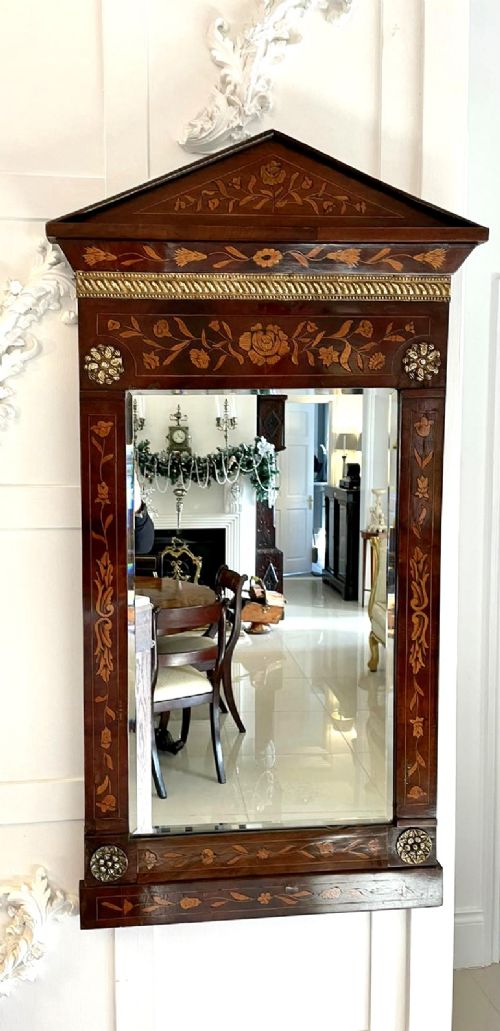
Frames are constructed from dense timbers such as walnut and mahogany, often enhanced by intricate veneers of burr walnut or parcel-gilt highlights. Carved gesso applied over a wooden base creates the raised ornaments and scrolling foliage characteristic of early forms.
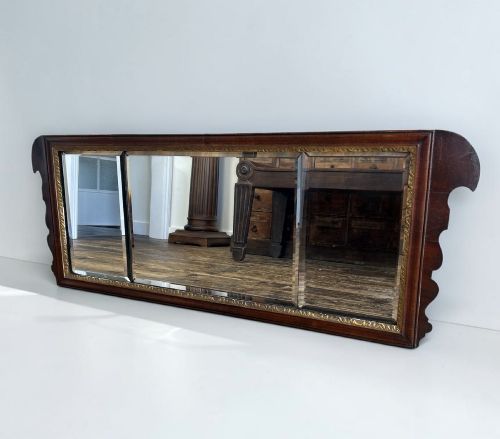
Mirrors utilise traditional glass plates, frequently featuring bevelled edges and multiple sections held together by wooden slips. Joinery relies on period techniques like pegged mortise and tenon joints to secure the heavy wooden frames.
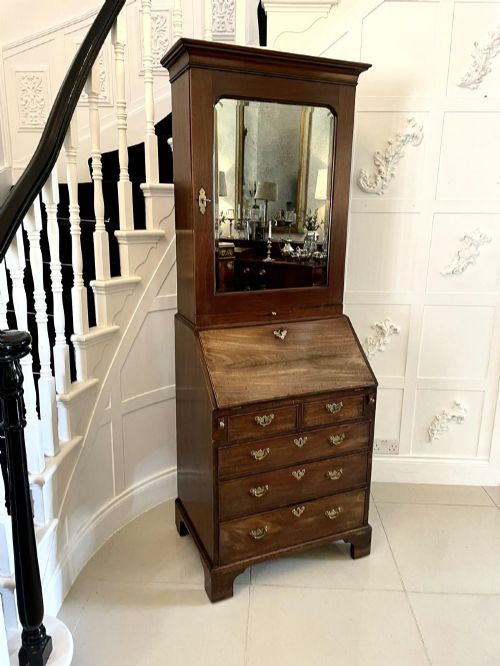
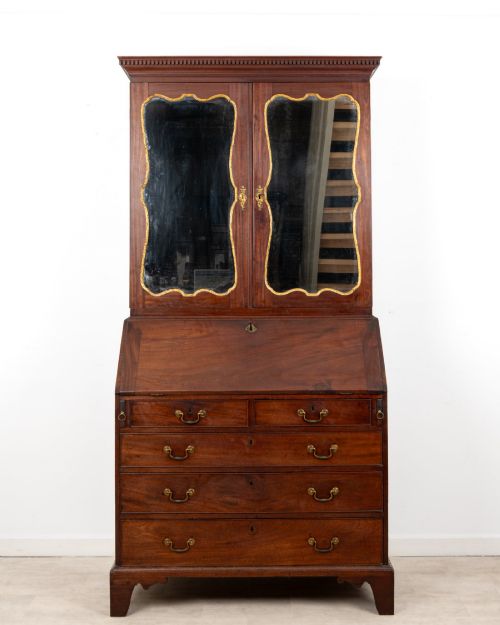
Listings feature walnut, mahogany, gesso, and giltwood across wall mirrors, dressing mirrors, and bureau bookcases spanning the Georgian and Victorian eras.
What varies in quality
Quality depends upon the depth and sharpness of the hand-carved gesso work and the richness of the underlying timber grain. Crisp definition in the scrolling motifs separates masterwork frames from simpler, softer production pieces.
The survival of original mirror glass and primary gilding heavily influences the integrity of the piece. Authentic period surfaces exhibit natural ageing that contrasts with later replacements or heavy restorations.
John Belchier·William Kent
The George I Mirror Glossary
- Gesso
- A plaster-based mixture applied to wood frames before gilding or painting. It allows craftsmen to model sharp, low-relief decorative motifs.
- Parcel-gilt
- Partially gilded woodwork where gold leaf highlights specific carved elements against a dark wood or painted ground.
- Pier glass
- A tall mirror specifically designed to hang on the wall space between two windows. These pieces often feature elaborate crestings and original bevelled plates.
- Toilet mirror
- A smaller dressing table mirror mounted on a pivoting frame with a supportive base. They frequently include small drawers within the plinth.
George I Mirror: Frequently Asked Questions
How do I date a george i mirror?
Dating relies on examining the construction methods, timber choice, and the profile of the moulding. Early eighteenth-century frames typically utilise figured walnut and heavy pine backing boards.
Secondary indicators include the presence of hand-bevelled glass plates and period fixings. Later revivals often display machine-cut elements and modern backing screws.
Where should I hang a pier glass?
Pier glasses are traditionally hung in prominent vertical wall spaces, such as between windows or above principal mantelpieces. Their original purpose was to maximise ambient daylight in formal rooms.
Ensure the wall structure can support the considerable weight of carved wood and gesso frames. Positioning them opposite a light source enhances their reflective quality.
Are toilet mirrors original to the period?
Toilet mirrors were designed for dressing tables and vanity chests during the Georgian era. Many survive with their original pivoting brass hardware and fitted drawer bases.
Buyers should inspect the hinge mechanism and internal drawer construction for signs of later alteration. The timber patination should match consistently between the mirror frame and the stand.
How do I care for antique giltwood?
Giltwood and gesso surfaces require gentle maintenance using a dry, soft brush to remove dust. Avoid chemical cleaners or moisture, which can lift the delicate gold leaf and underlying plaster.
Keep mirrors away from direct sunlight and fluctuating humidity to prevent the wood from warping. Stable atmospheric conditions protect both the frame and the silvering on the glass plate.