
George I Candle Stand
When you search for a george i candle stand, you are looking at small-scale eighteenth-century timber supports designed to hold lighting.
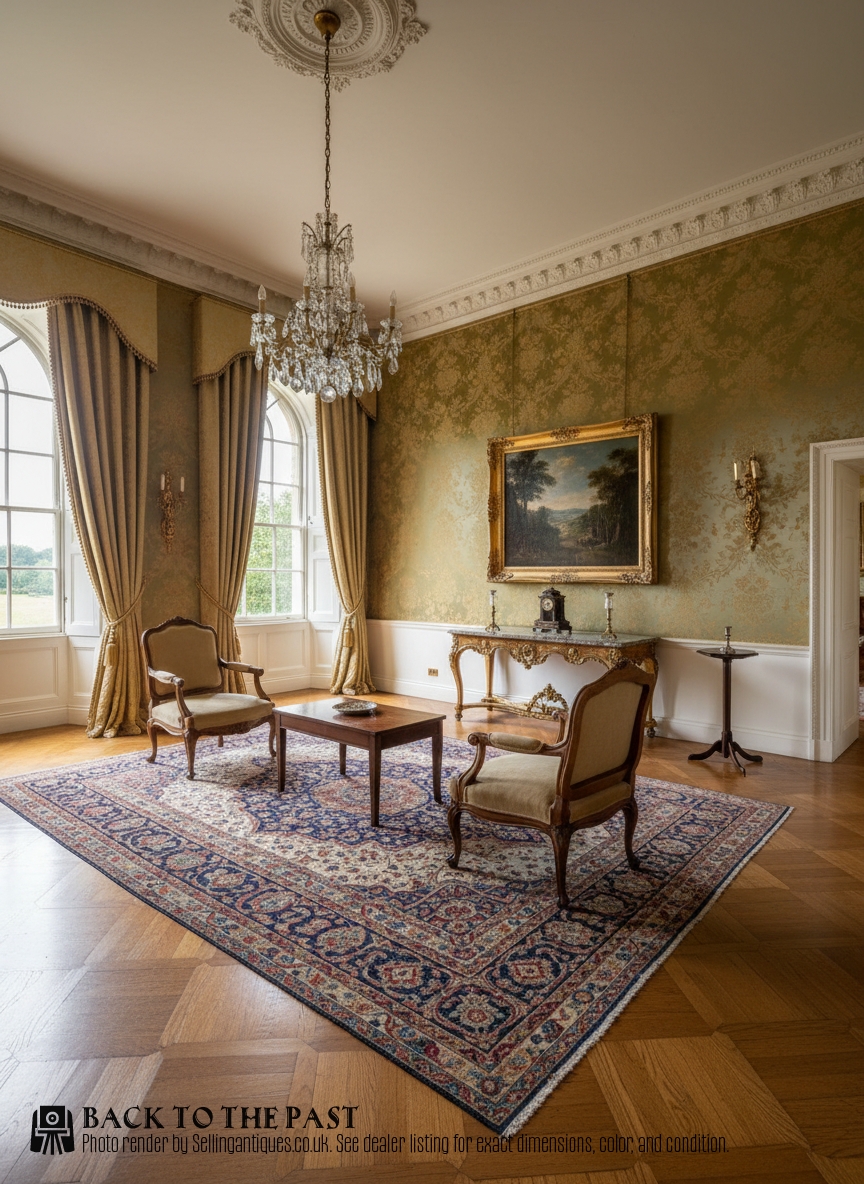
George I Candle Stand
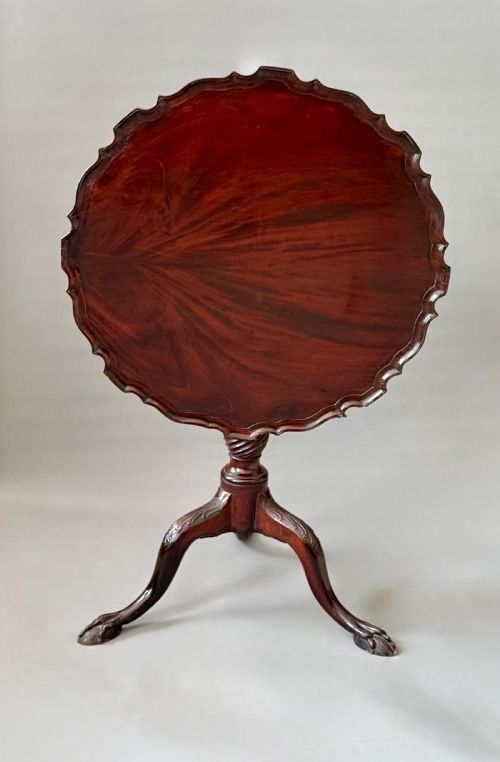
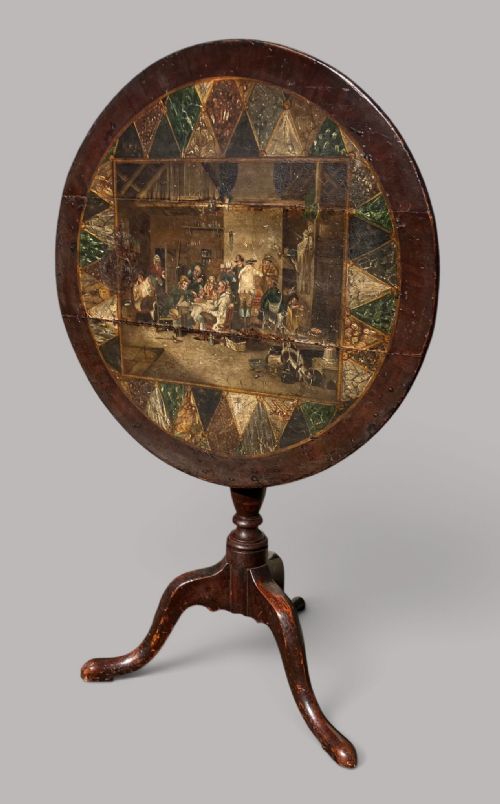
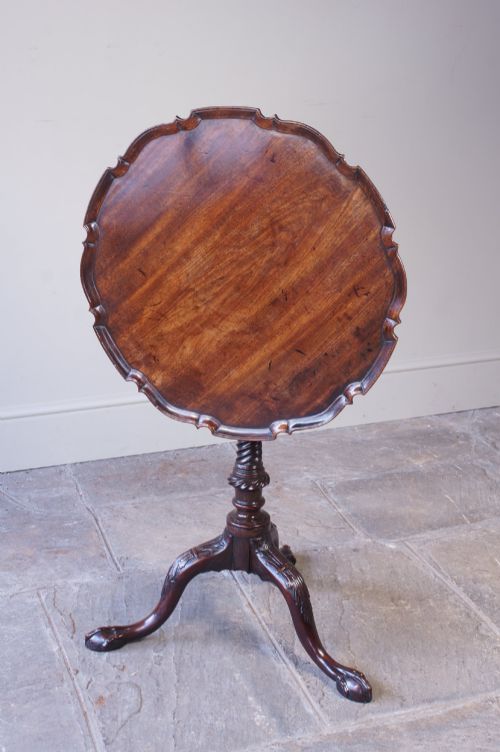
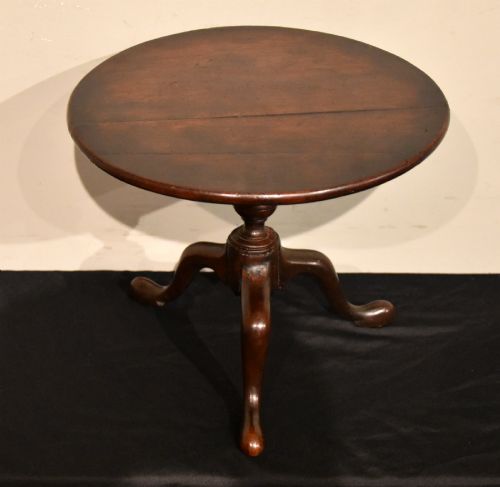
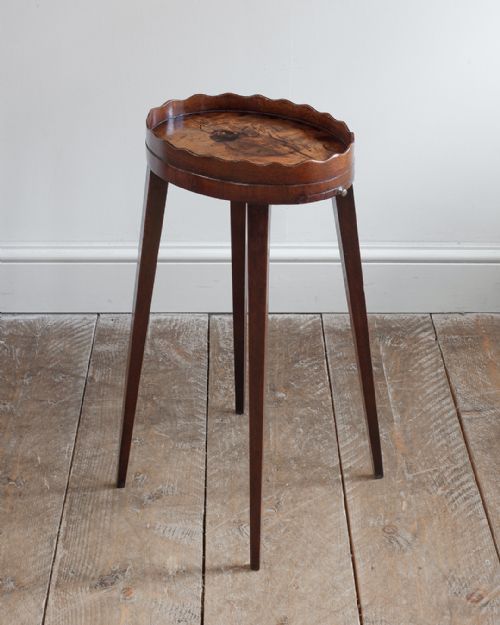
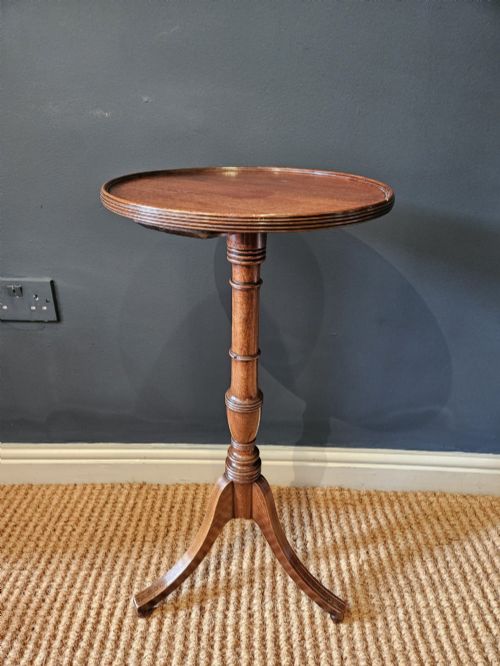
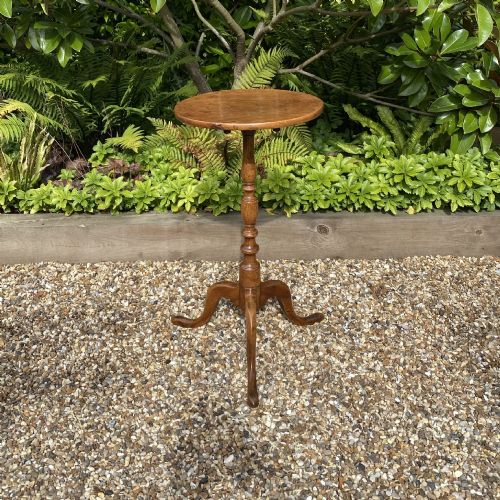
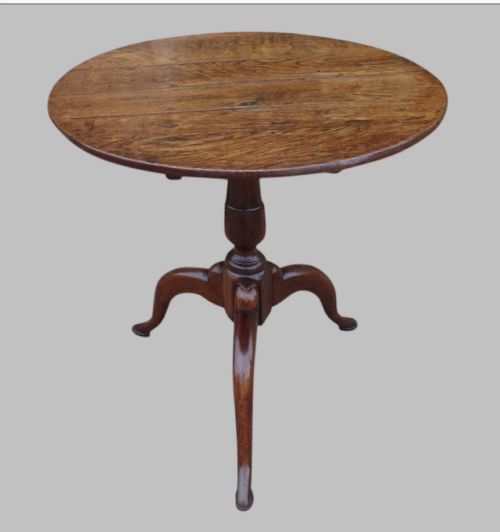
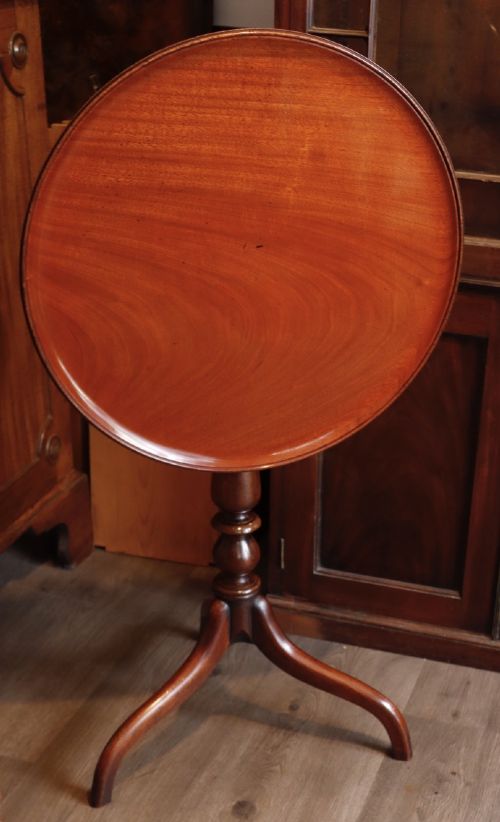
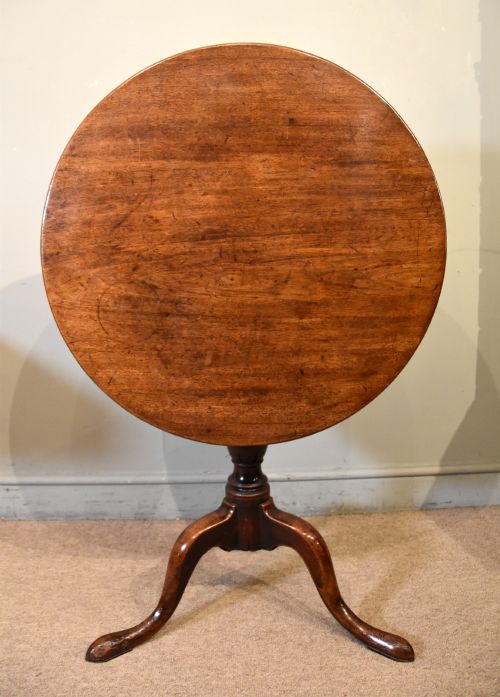
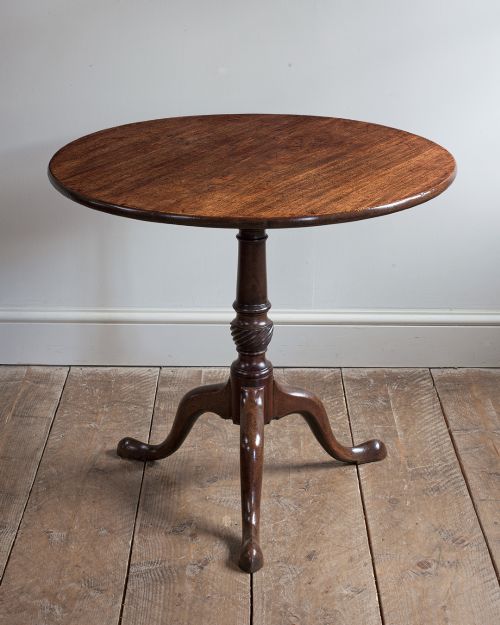
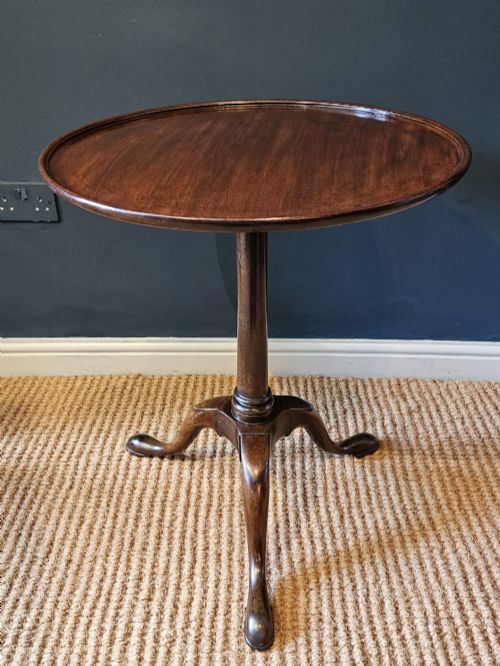
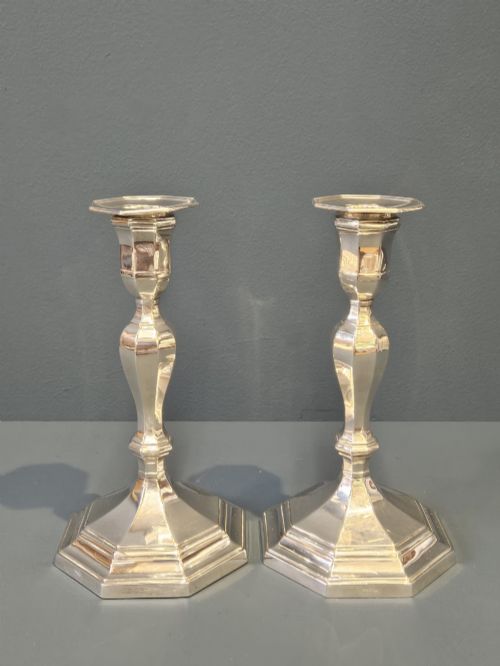
A george i candle stand is a compact table or pillar designed specifically to elevate a light source, though the selection spans related tripod tables, torcheres, and small occasional forms. Most pieces encountered on this page date from the subsequent George II and George III periods rather than the precise reign of George I, utilising timber pillars and three-legged bases.
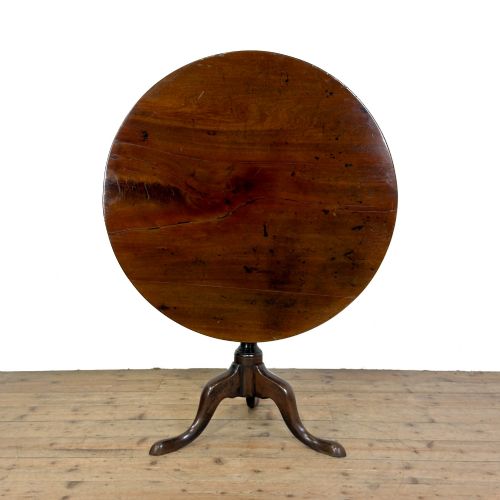
Makers produced these pieces in forms such as wine tables, lamp tables, and adjustable stands, often with circular tops that tilt or snap shut. Walnut, oak, and mahogany appear frequently across the eighteenth-century items, serving domestic lighting and social rituals of the period.
Buyers also meet nineteenth-century revivals and later interpretations modelled on earlier Georgian proportions. These later instances maintain the slender column and tripod foot configuration intended for portability around the historic interior.
Materials and construction methods
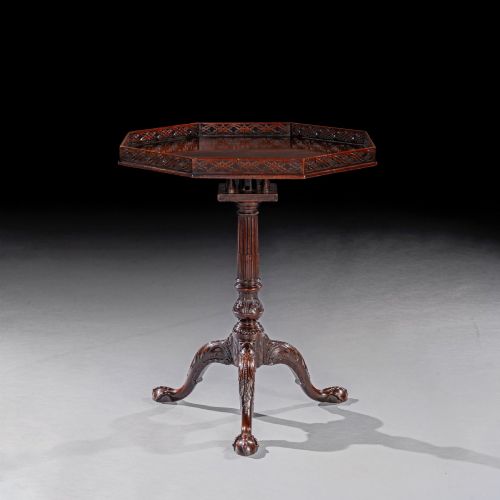
Craftsmen built these stands predominantly using dense hardwoods like mahogany, walnut, and oak, occasionally incorporating secondary timbers such as fruitwood or elm. Turned columns and carved tripod legs form the standard structural skeleton, joined securely to circular or octagonal table tops.
Mechanisms such as birdcage connections, tilt-top pivots, and adjustable screws allowed table tops to rotate or alter height. Brass fittings, bronze elements, and occasional marquetry inlay appear on selected examples, alongside simpler turned treen and solid timber construction.
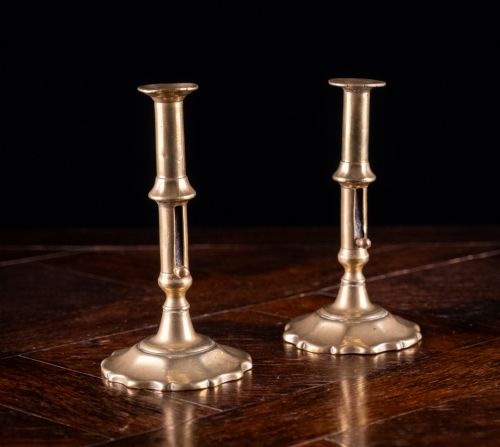
One historical stand arrived equipped with an original pair of candle brasses ready for the evening parlor.
Distinctions in quality
Quality rests in the crispness of the timber carving, the proportional balance between the slender column and the splayed tripod feet, and the preservation of original surfaces. Pieces with rich natural patination, tight joints, and sophisticated top designs like pie crust edges or floral marquetry stand apart from plainer utility items.
The sophistication of the mechanical elements also defines the upper tier, such as smoothly operating birdcage actions and adjustable reading or lighting brackets. Finer examples display meticulous attention to secondary timbers and stable, unwarped table tops.
Peter and Anne Bateman·George Smith·Thomas Hope
The George I Candle Stand Glossary
- Tripod base
- A three-legged support system providing stability for slender occasional tables and stands.
- Tilt-top
- A hinged table top mechanism that allows the surface to fold vertical when not in use.
- Birdcage
- A wooden rotating box structure beneath a table top enabling it to turn and tilt.
- Torchere
- A tall stand designed to carry a candle or lamp, often highly carved or decorative.
- Patina
- The surface sheen and colour developed by aged timber through decades of handling and wax polishing.
- Snap top
- A table top secured by a spring catch that locks the surface flat or releases it to tilt.
George I Candle Stand: Frequently Asked Questions
What is a george i candle stand used for?
These pieces were originally designed to hold wax candles or oil lamps close to seating areas for reading or needlework. Their portable nature allowed servants to move them around panelled rooms as daylight faded.
Today, buyers use them as small lamp tables, bedside surfaces, or display stands for decorative objects. Their compact footprints suit corners and tight spaces where larger furniture fails to fit.
How do I date a tripod table?
Dating relies on examining timber species, leg profiles, and structural joinery beneath the top. Eighteenth-century examples typically feature hand-turned columns and authentic peg construction, while later nineteenth-century revivals often show machine work or different secondary woods.
Turned pad feet, snake feet, and claw-and-ball terminals also provide clues to the decade of manufacture. Comparing the patination of the top with the underside helps confirm the age of the components.
Are tilt-top tables stable?
Tilt-top tables rely on a central pivot and a catch mechanism to remain flat and steady during normal use. Over generations of turning and tilting, these pivot areas can develop minor play or wear.
When placed on an even floor, a well-balanced tripod base distributes weight evenly across all three feet. Owners should avoid placing excessive heavy weight on the outer edges of older tilting surfaces.
What timber was used most often?
Mahogany dominates the surviving eighteenth-century inventory, prized for its strength and deep colour. Walnut and oak appear frequently in earlier pieces, while regional workshops also utilised local fruitwoods and elm.
Later Victorian revivals continued the tradition by using mahogany and rosewood, sometimes enhanced with decorative brass mounts or bronze patination. Each timber type responds differently to cleaning and historical wax application.