


Geometric Wood Inlay Box
A geometric wood inlay box brings intricate tessellated patterns and rich timber tones straight to a desk or tabletop.
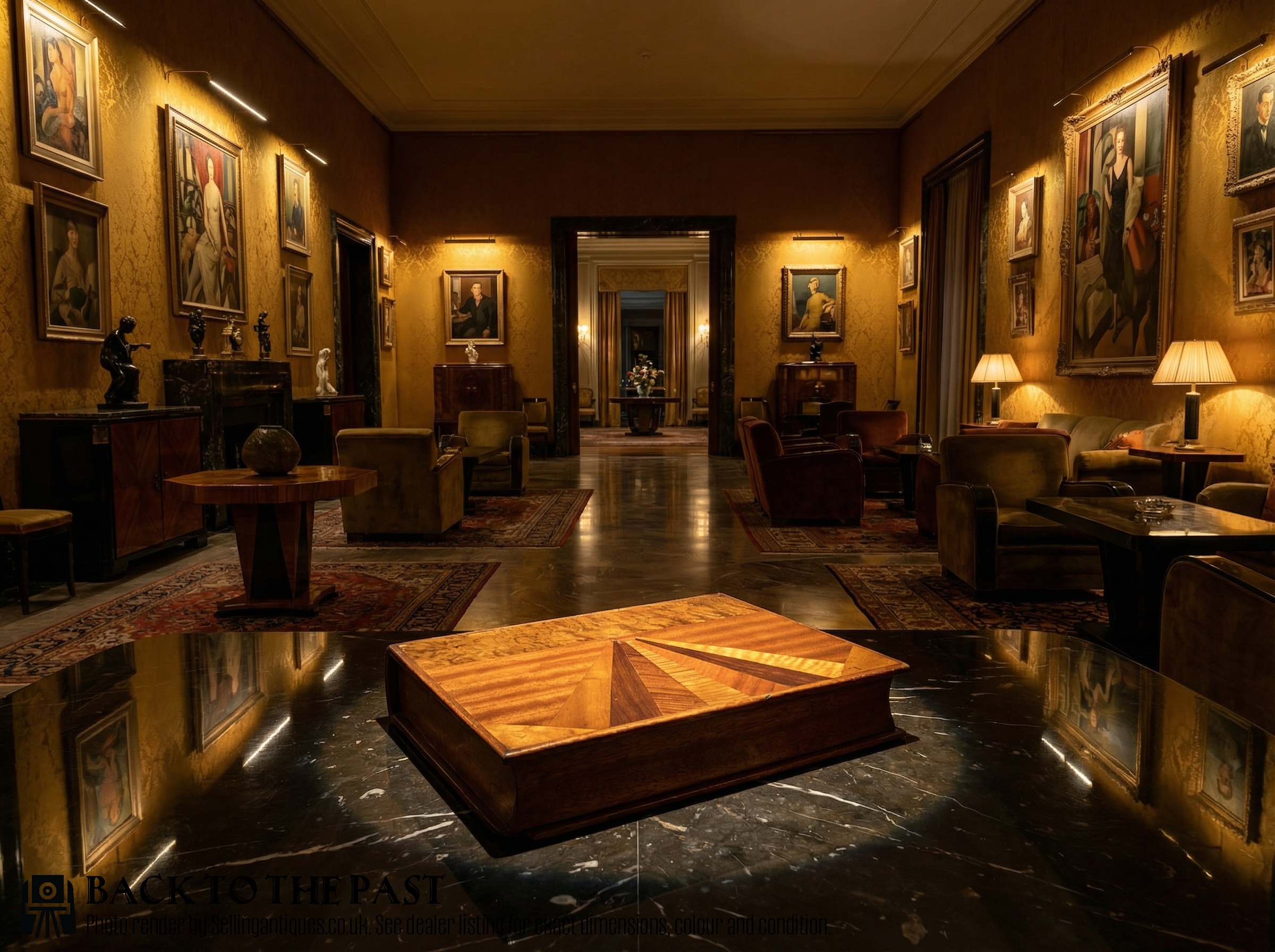
Geometric Wood Inlay Box
A geometric wood inlay box combines meticulous parquetry and mosaic work to form precise patterns across the lid and sides. These pieces span from the Georgian era through the Victorian period and into the early twentieth century, showing remarkable variety in form.
Stationery boxes, tea caddies, writing slopes, and small snuff boxes appear frequently among the listings. Most examples rely on contrasting timbers to build up elaborate visual depth.
Makers utilised specific regional traditions, ranging from English Tunbridge Ware to Persian Khatamkari and Welsh folk art techniques. The resulting objects served both practical storage roles and decorative display functions.
Materials and construction
Craftsmen built these vessels using dense hardwoods like rosewood, walnut, kingwood, and fruitwood as a stable foundation. Boxwood and bone often provided the bright contrasting elements necessary for crisp geometric lines.
Workers assembled intricate mosaics by gluing tiny coloured wood prisms together in bundles and slicing cross-sections to apply as veneer. Brass hinges, escutcheons, and occasional mixed wood inlays completed the structural assembly.
Geometric Wood Inlay Box Retail Price Guide 2026
Typical asking prices for geometric wood inlay box among the pieces listed under this phrase on Sellingantiques today, from the lower quarter to the upper quarter. They describe what is for sale here now, not the wider market.
Current listings feature pieces spanning the Georgian, Victorian, and Art Deco eras, constructed from rosewood, walnut, boxwood, and bone.
Assessing quality and execution
The precision of the micro-mosaic tessellation determines the visual success of the piece, where finer slices create sharper geometric fidelity. Superior examples maintain exact alignment across every corner and lid margin without visible gaps in the timber.
The selection of base woods and contrasting elements separates standard containers from masterworks. Richly figured rosewood and well-preserved bone accents elevate the overall presence of the object.
Edmund Nye
The Geometric Wood Inlay Box Glossary
- Khatamkari
- An Persian craft of marquetrying where delicate stars and geometric shapes are constructed from bone, metal, and diverse woods. Artisans press these intricate patterns onto the surfaces of boxes and frames.
- Marquetry
- The art of applying thin pieces of wood veneer to a structure to form decorative patterns or pictures. Craftsmen carefully cut and fit each piece together before gluing it down.
- Writing slope
- A portable desk featuring a slanted hinged lid designed to provide a comfortable writing surface. Inside compartments typically store inkwells, pens, and correspondence paper.
- Tea caddy
- A container specifically built to store dry tea leaves securely away from moisture and air. Victorian examples frequently incorporate lockable lids and internal compartments.
Geometric Wood Inlay Box: Frequently Asked Questions
What were these boxes used for originally?
These containers served practical domestic purposes such as storing correspondence stationery, loose leaf tea, snuff, or writing implements. Many doubled as decorative ornaments placed prominently on parlour tables or desks.
Wealthy households utilised specialised caddies and slopes to keep valuable commodities and personal papers secure. Their intricate exteriors reflected the status and refined tastes of the owner.
How should I care for an antique wood box?
Keep the piece away from direct sunlight and strong heat sources to prevent the timber and intricate veneers from drying out or warping. Maintain a stable indoor humidity level to protect the delicate glue joints.
Dust gently with a soft, dry cloth rather than applying modern polishes or cleaning sprays. Natural wax can be applied sparingly if the wood appears particularly dry.
How do I date a geometric inlay box?
Examine the construction methods, interior fittings, and hardware such as hinges and locks to establish an age range. Georgian and Victorian pieces often show hand-cut dovetails and specific timber preferences like rosewood or boxwood.
Stylistic shifts also provide clear clues, moving from traditional British parquetry towards Art Deco or Persian motifs in later decades. Comparing the complexity of the mosaic work helps narrow down the manufacturing period.
Are all geometric boxes made in England?
While Tunbridge Ware represents a prominent British tradition of geometric woodwork, these pieces originate from various international workshops. Persian artisans produced distinct inlaid items utilising different material combinations.
Welsh folk art examples introduce regional chip carving techniques and heart motifs into the mix. Each geographical origin brings distinct construction characteristics to the surface.