



Geometric Standing Lamp
A geometric standing lamp brings distinct linear form and architectural presence to a room, offering both striking vertical illumination and period character.
Geometric Standing Lamp
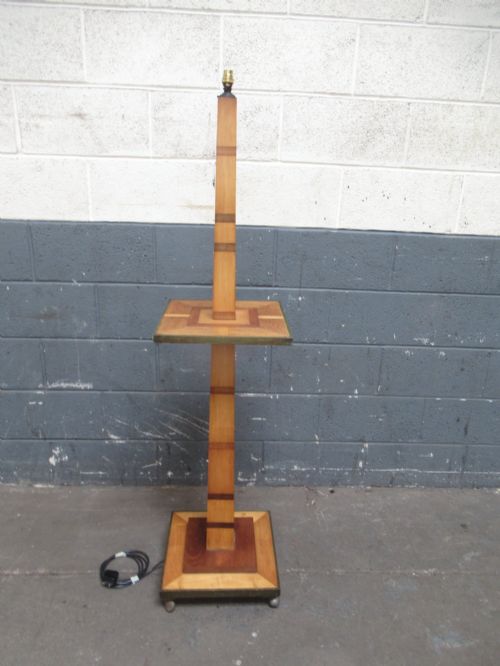
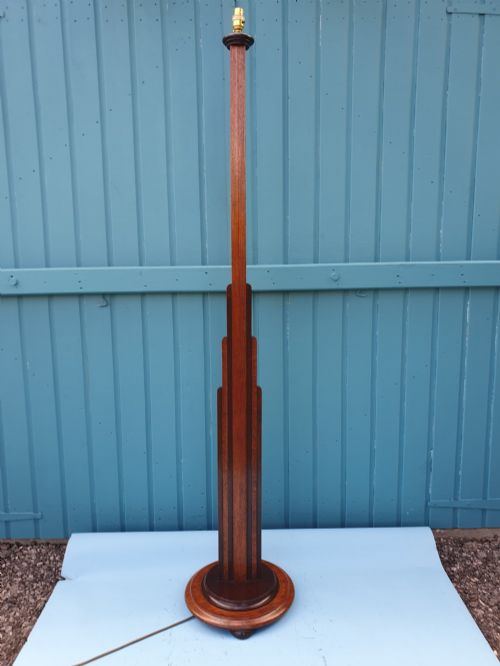
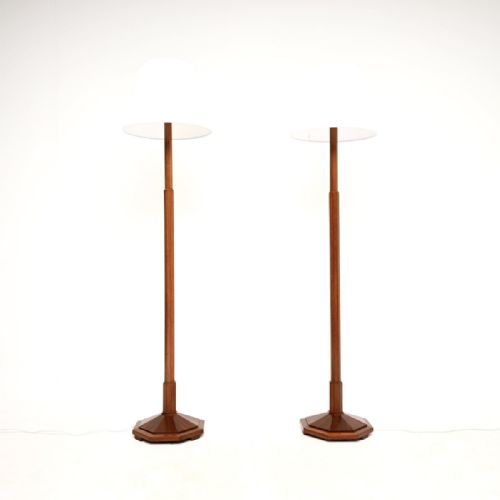
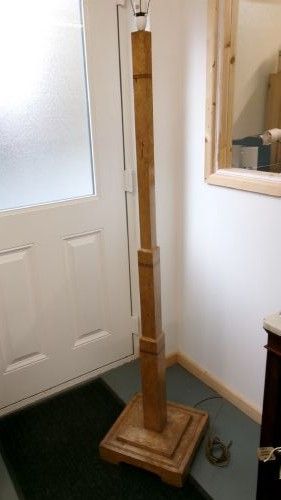
A geometric standing lamp is defined by clean lines and angular forms, drawing heavily on the vocabulary of the Art Deco period and the Arts and Crafts movement. These vertical pieces are frequently encountered in floor lamp and standard lamp formats, providing focused light while anchoring a space.
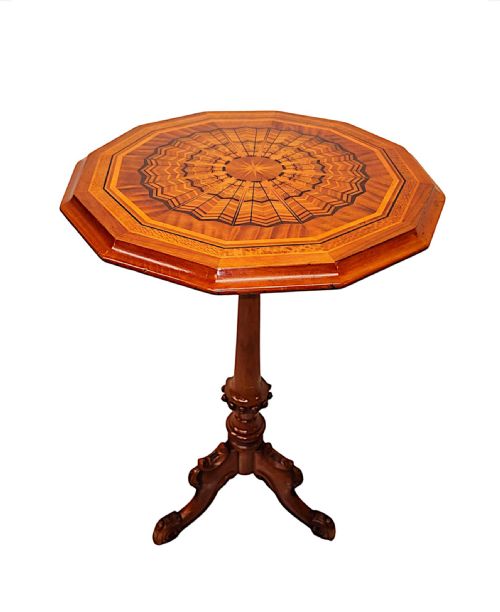
The pieces on this page span from the nineteenth century into the nineteen-thirties, reflecting stylistic shifts from ornate Victorian and Regency influences toward streamlined modernity. Oak and walnut predominate among the surviving examples, often paired with brass elements or contrasting timber inlays.
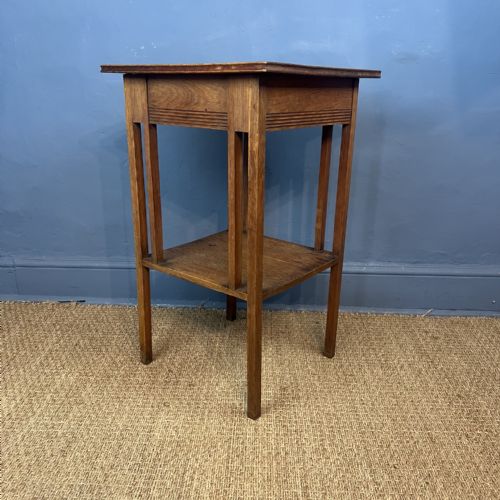
Alongside dedicated lighting, the selection includes related occasional tables, side tables, and coffee tables that share the same architectural geometry. Buyers seeking a cohesive interior scheme will find that standard lamps and occasional tables from these decades complement one another naturally.
Materials and construction methods
Construction relies upon traditional cabinet-making timbers such as oak, walnut, and satinwood, frequently shaped into upright standards or sturdy table supports. Artisans utilised solid woods and select veneers to achieve smooth surfaces and crisp, angular profiles.
Decorative detailing is achieved through careful inlay work, contrasting ebony highlights, and polished brass fixtures. These material combinations emphasise the structural geometry of each piece without resorting to excessive ornamentation.
Listings feature oak, walnut, satinwood, ebony, and brass across periods ranging from the nineteenth century to nineteen-thirty.
Measures of quality and distinction
Quality rests in the precision of the joinery and the integrity of the timber selection, particularly in how well the grain runs along vertical standards and table legs. Superior examples display crisp architectural lines and balanced proportions that hold the eye from every angle.
The refinement of secondary materials, such as finely cast brass mounts or meticulous satinwood and ebony inlays, separates standard production from exceptional work. Original surfaces and honest patination further elevate a piece above later restorations.
Gillows·Anton Seuffer
The Geometric Standing Lamp Glossary
- Standard lamp
- A tall floor-standing lamp designed to support a shade and direct light downwards or upwards. These vertical pieces form the core of the lighting selection.
- Art Deco
- A design style emerging in the early twentieth century characterised by sleek geometric shapes, streamlined forms, and modern industrial materials. It heavily influences the nineteen-twenties and nineteen-thirty pieces here.
- Arts and Crafts
- A movement prioritising traditional craftsmanship, visible construction, and simple forms inspired by medieval and vernacular design. Oak tables from this tradition show straightforward joinery.
- Inlay
- A technique where pieces of contrasting material, such as satinwood or ebony, are inserted into a solid wood surface to create decorative patterns. This work defines many nineteenth-century occasional tables.
- Occasional table
- A small, movable table designed for specific, intermittent use within a room, often placed beside seating. These items share the architectural forms of the standing lamps.
Geometric Standing Lamp: Frequently Asked Questions
What is a geometric standing lamp?
A geometric standing lamp is a tall lighting fixture featuring clean lines, angular structures, and architectural silhouettes typically associated with the Art Deco and Arts and Crafts eras. These pieces serve as both functional illumination and strong visual anchors within a room.
They bring distinct period character and vertical presence to interior spaces, functioning well beside seating areas or in corners that require targeted light.
How do I date a geometric standing lamp?
Dating relies on examining the timber, construction methods, and stylistic cues present in the standard or base. Pieces from the nineteenth century often feature heavy timber and intricate inlays, whereas nineteen-thirties examples lean towards streamlined, skyscraper-inspired geometries.
Comparing the primary materials, such as golden oak or blond walnut, against known stylistic periods helps establish a reliable timeframe for each piece.
Where should I place a standard lamp?
A standard lamp sits comfortably in living rooms, studies, or libraries, usually positioned beside armchairs or sofas to provide reading light. Their vertical height helps balance lower furniture and fills empty vertical space in a room.
Because these lamps have strong architectural profiles, they work effectively when placed where their linear forms can be appreciated against a plain wall.
What is the difference between oak and walnut pieces?
Oak pieces, particularly those from the Arts and Crafts tradition or early twentieth-century production, display prominent grain patterns and a robust, honest structure. Walnut examples often present smoother surfaces, sometimes in blond or darker tones, lending themselves to sleeker Art Deco designs.
Both timbers offer durability, but they project different visual weights depending on whether the design is rustic and sturdy or polished and modern.