


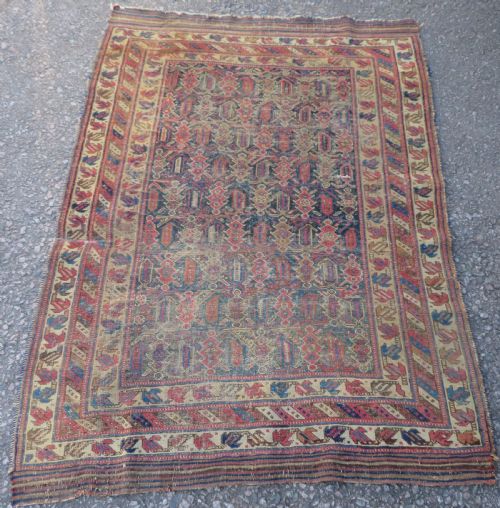
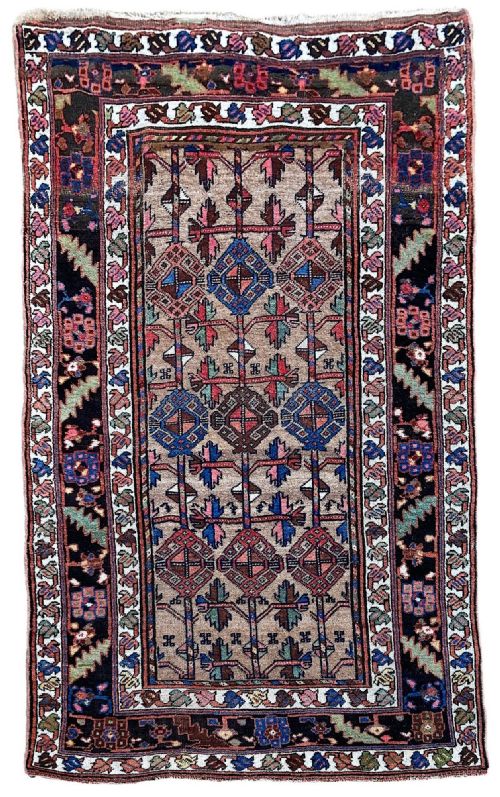
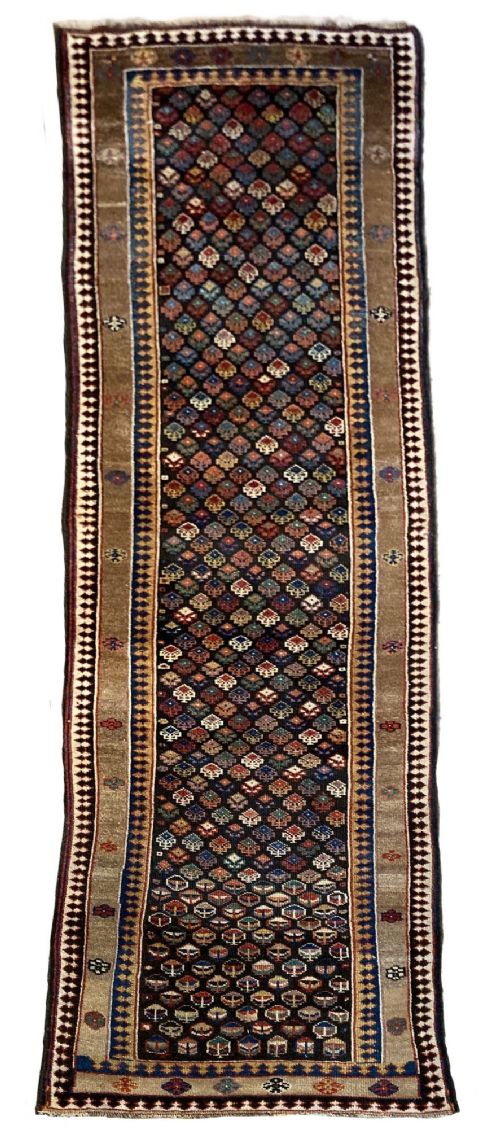
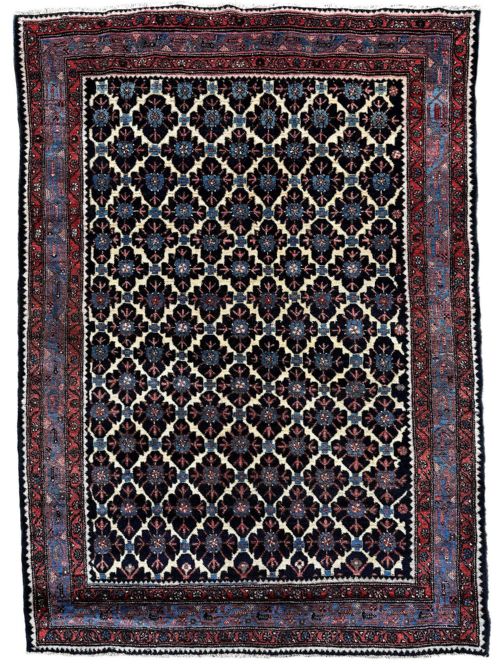

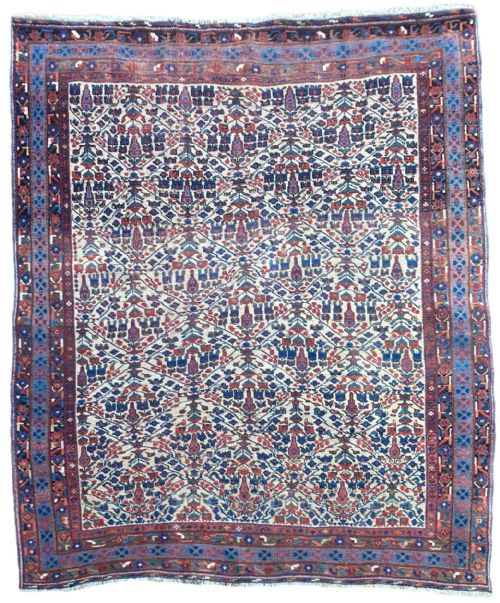


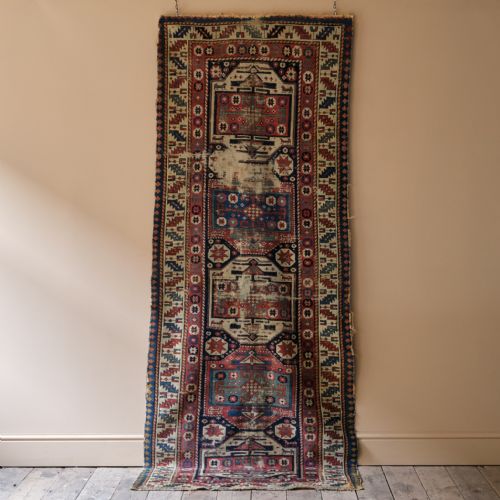
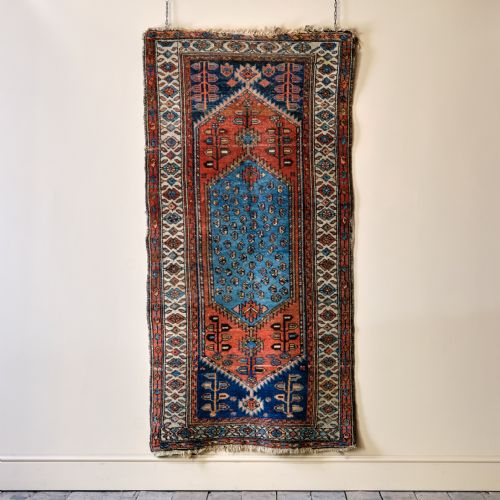
Geometric Pattern Runner
When you search for a geometric pattern runner, you are looking at floor coverings woven by tribal and village makers across Central Asia, Persia, and the Caucasus.
Geometric Pattern Runner
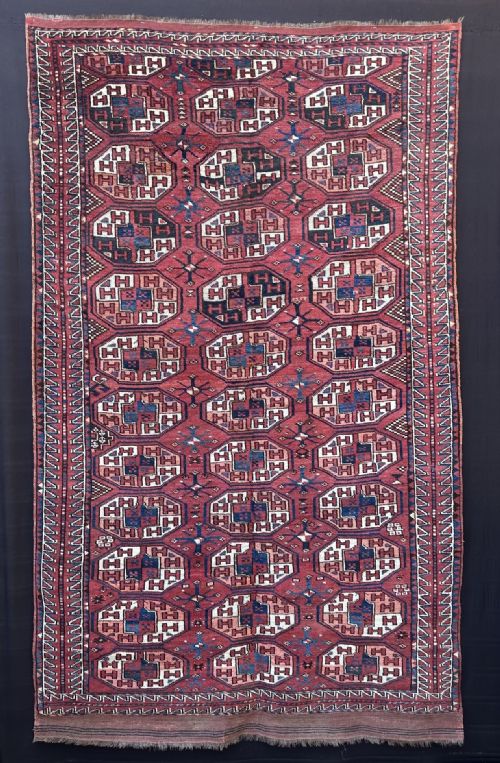
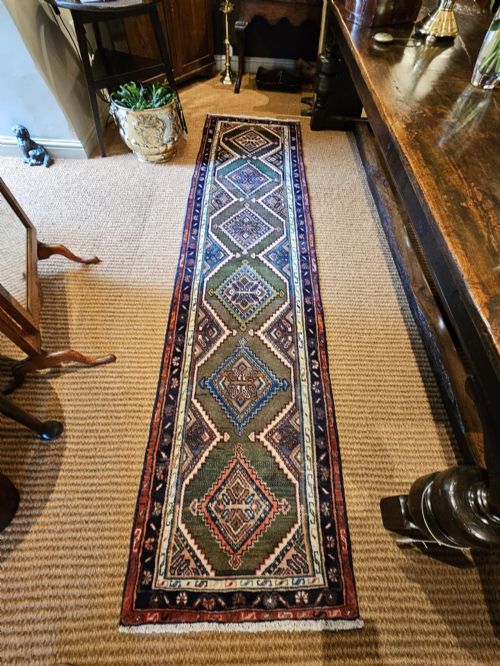
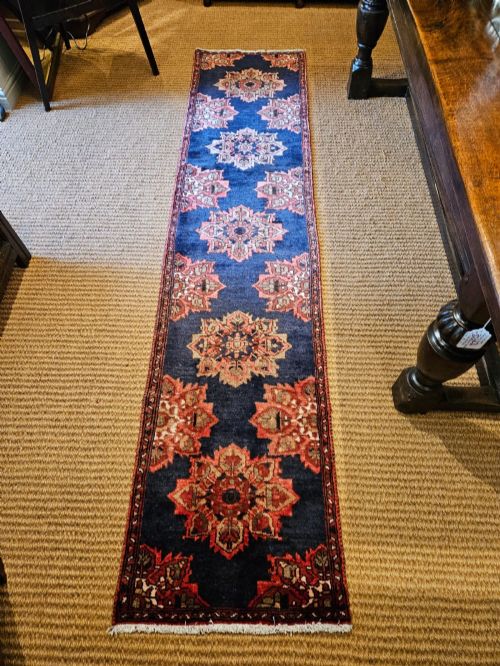
A geometric pattern runner brings linear precision and tribal motifs into long, narrow spaces such as hallways and corridors. You will frequently encounter nineteenth-century and early twentieth-century examples originating from Persian, Caucasian, and Central Asian weaving traditions.
These pieces encompass both piled wool carpets and flat-woven kilims, structured around repeating medallions, lattice networks, and angular borders. The format serves a practical purpose in traditional domestic architecture, designed to guide movement through a home while insulating timber or stone floors.
Materials and construction
Weavers relied principally on sheep wool for both the foundation warps and the dense surface pile, sometimes utilising hand-spun yarns that accept natural dyes with subtle variations in tone. Individual knots are tied by hand onto the vertical loom, creating a durable structure that withstands heavy foot traffic over generations.
Flat-woven counterparts omit the pile entirely, employing interlocking weft techniques to produce a crisp, lightweight textile without a raised surface. Natural dyestuffs derived from plants and minerals yield the characteristic palette of indigo, madder red, and earthy yellows recorded in these rugs.
Several runners embrace charming irregularities, reminding us that human hands tied every single knot without digital precision.
Factors of quality and execution
The density of the weave and the precision of the angular motifs dictate the refinement of a runner, reflecting the skill of the individual weaver working from memory or tribal tradition. Finer knotting allows for sharper delineation of geometric borders and medallions, separating village work from more finely resolved workshop productions.
The integrity of the wool foundation, the stability of the selvedges, and the preservation of the original end finishes govern the structural longevity of the textile. Consistency in the natural dye palette and minimal restoration maintain the visual harmony intended by the original maker.
The Geometric Pattern Runner Glossary
- Kilim
- A flat-woven carpet produced without a pile by tightly interweaving warp and weft threads. This technique results in a reversible textile with a flat, durable surface.
- Warp
- The vertical threads stretched upon a loom that form the structural skeleton of a woven rug. The exposed ends of these threads frequently form the fringe.
- Weft
- The horizontal threads passed across and through the warp to bind the structure together and secure the knots or flat-weave pattern. These threads are typically beaten down firmly with a comb during manufacture.
- Selvedge
- The reinforced side edges of a rug formed by wrapping or enclosing the outer warp threads. This finishing prevents the edges from fraying and maintains the linear shape.
- Medallion
- A central ornamental motif, often symmetrical and geometric, positioned as the focal point of the field. These designs trace tribal lineages and regional weaving habits.
Geometric Pattern Runner: Frequently Asked Questions
Where should I place a runner?
These narrow formats suit hallways, corridors, and staircases where linear proportions guide movement. They also function effectively in galley kitchens and narrow entryways.
Ensure you measure the available floor space carefully, allowing a border of exposed timber or stone around the edges of the rug for balance.
How do I clean an antique rug?
Gentle surface brushing and regular light vacuuming without a rotating beater bar remove embedded grit from the wool pile. Professional specialist cleaning remains necessary for deeper washing.
Avoid chemical immersion or harsh detergents that strip natural lanolin from the wool and alter the original dye saturation.
Are these runners durable?
Hand-knotted wool construction yields inherent resilience against daily wear, making historical runners suitable for contemporary domestic use. The natural oils in hand-spun wool resist staining and repelling dirt effectively.
Utilising a quality underlay prevents slipping and cushions the textile against hard subfloors, reducing internal friction between the foundation threads.
How do I identify regional styles?
Regional attribution relies on specific structural characteristics, colour palettes, and recurring geometric motifs within the field and borders. Caucasian pieces often display crisp, polychrome lattice designs, whereas Persian tribal examples lean towards richer indigo and madder tones.
Examining the handling of the wool and the construction of the selvedges provides further clues to the specific tribal or village origin.