


Geometric Medallion Floor Rug
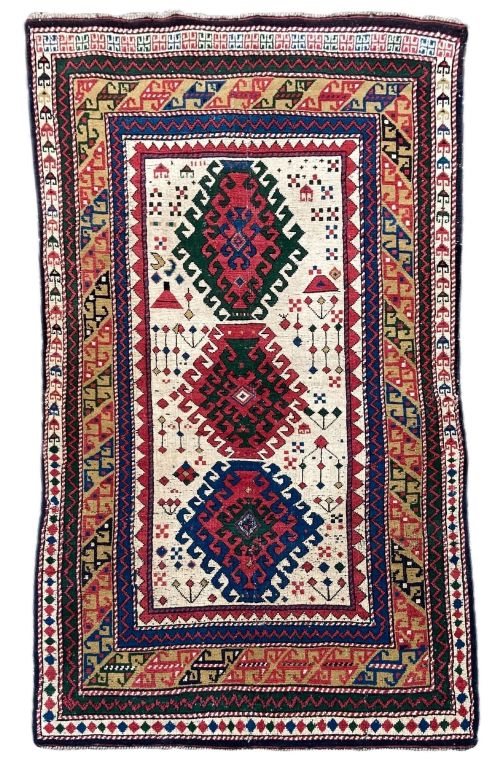
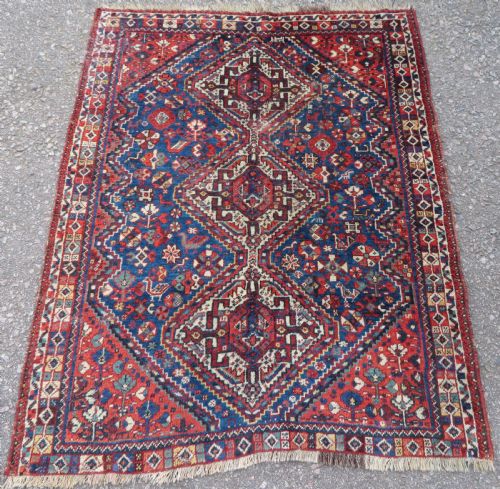
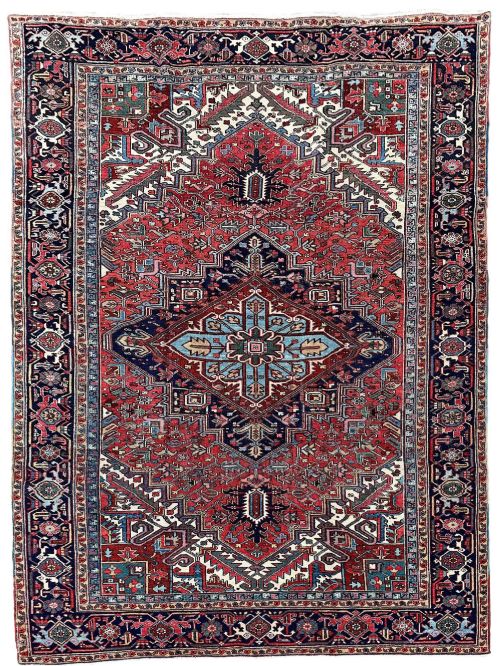
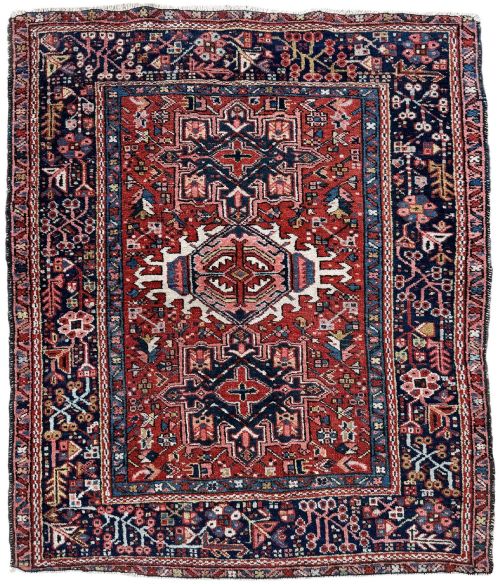
A geometric medallion floor rug brings centuries of tribal and regional weaving traditions into a modern room through bold central motifs.
Geometric Medallion Floor Rug
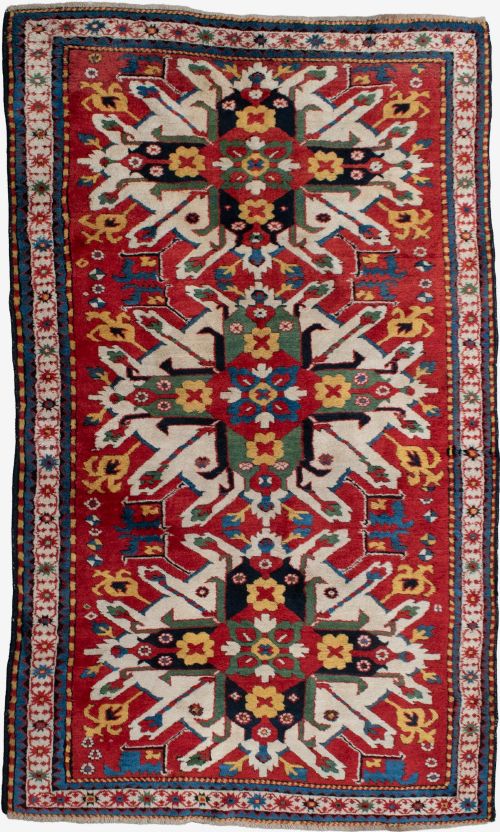
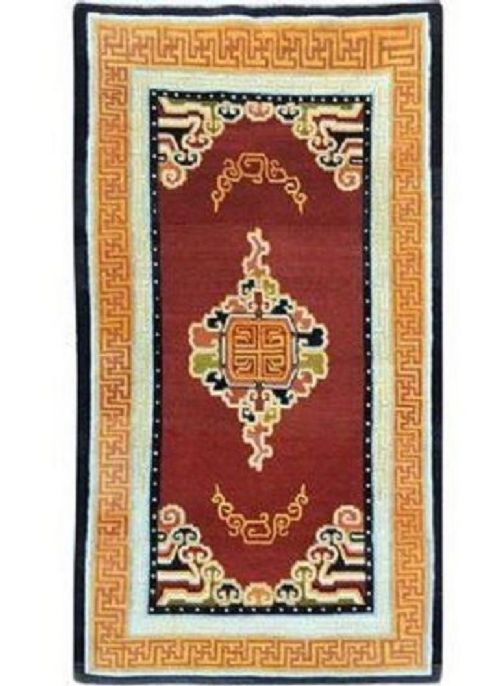
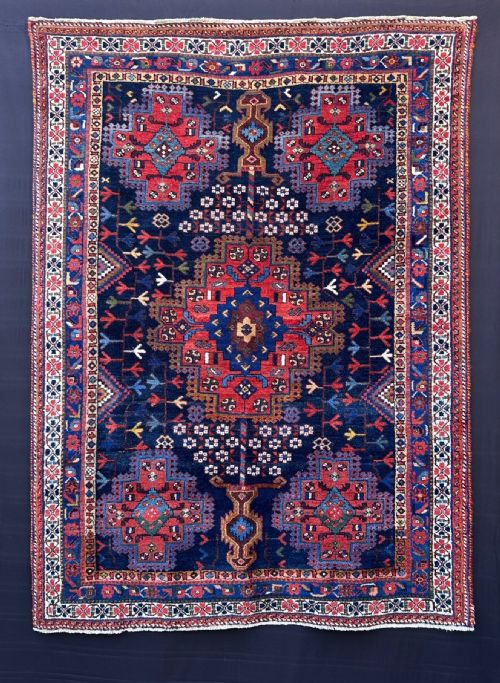
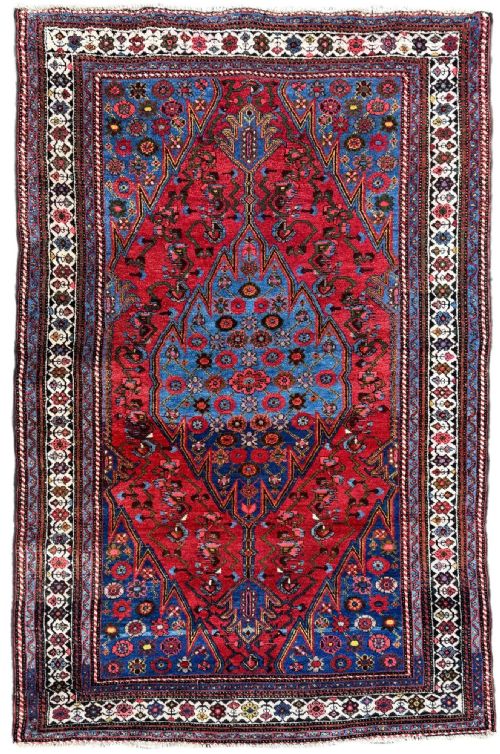
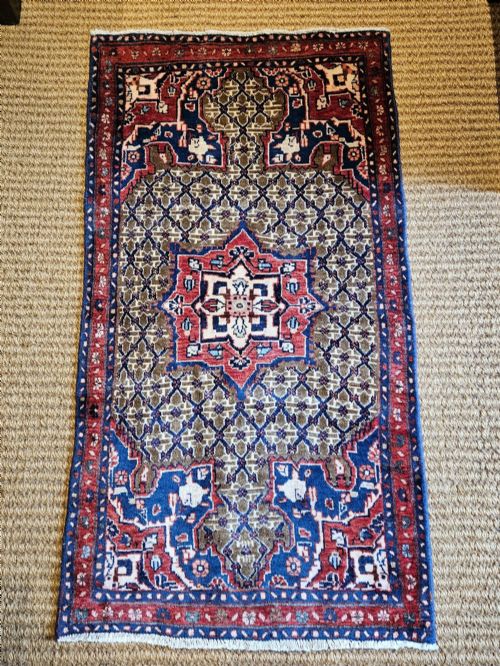
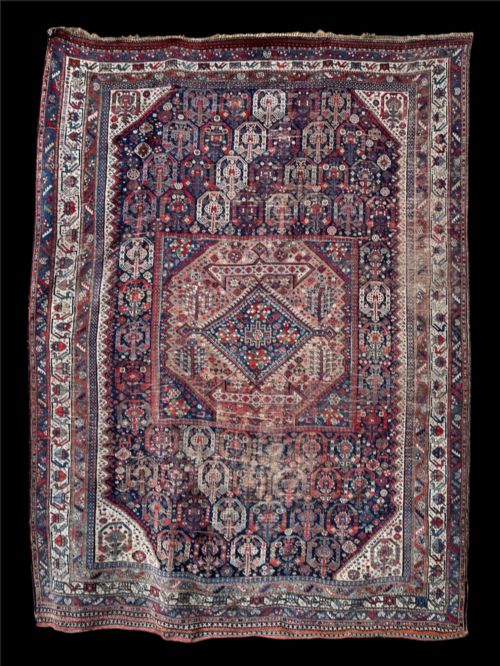
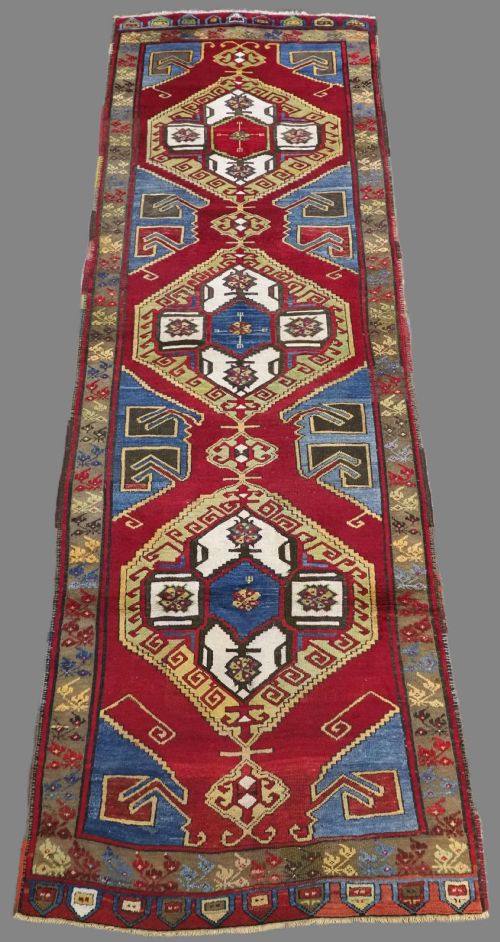
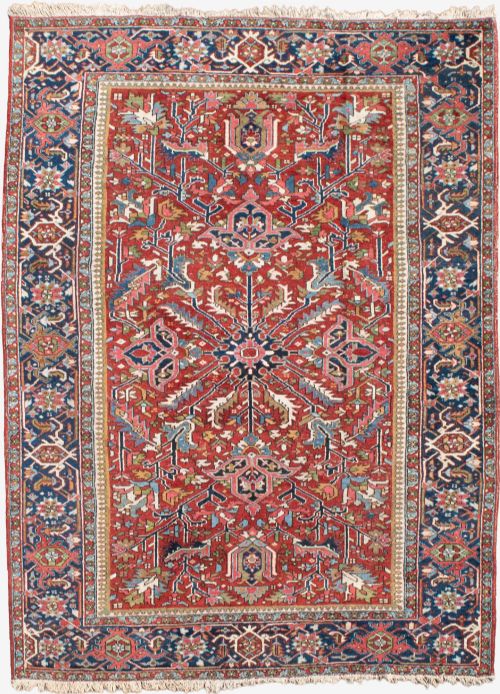
A geometric medallion floor rug gathers regional styles from Persian, Caucasian, Anatolian, and Tibetan traditions into floor coverings dating from the nineteenth and early twentieth centuries. These pieces appear as large carpets, area rugs, hearth sizes, and long runners woven by nomadic or village communities.
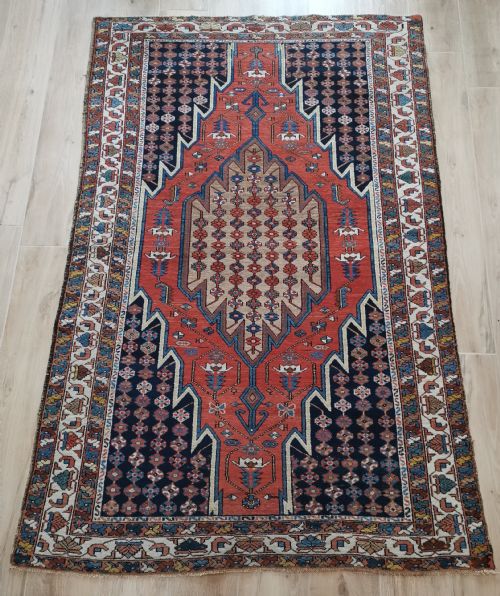
The most common examples encountered are Persian Heriz carpets and village rugs from centres such as Hamadan, Afshar, and Kazak. They showcase central geometric motifs flanked by traditional borders and secondary field patterns.
How they were made
The construction relies fundamentally on wool piles tied onto sturdy cotton foundations, utilising hand-knotted techniques passed down through generations. Natural dyes provide the enduring palette seen across these nineteenth and early twentieth century pieces.
Village and tribal workshops executed these floor coverings on upright looms, building dense structures designed to withstand heavy daily use while retaining suppleness.
Many nineteenth-century weavers worked from memory alone, translating ancient tribal symbols onto the loom without any drawn template.
What varies in quality
Quality rests in the precision of the knotting, the depth and saturation of the dyework, and the crispness of the central medallion design. Tighter knot counts allow for sharper geometric lines and greater longevity underfoot.
The balance of the composition and the integrity of the wool fibres dictate the visual weight and textural richness of the rug, distinguishing village work from finer city output.
The Geometric Medallion Floor Rug Glossary
- Medallion
- The central ornamental motif dominating the field of the rug. It typically anchors the entire geometric composition.
- Field
- The main central background area of the rug enclosed by the borders. This space contains the primary geometric medallion.
- Runner
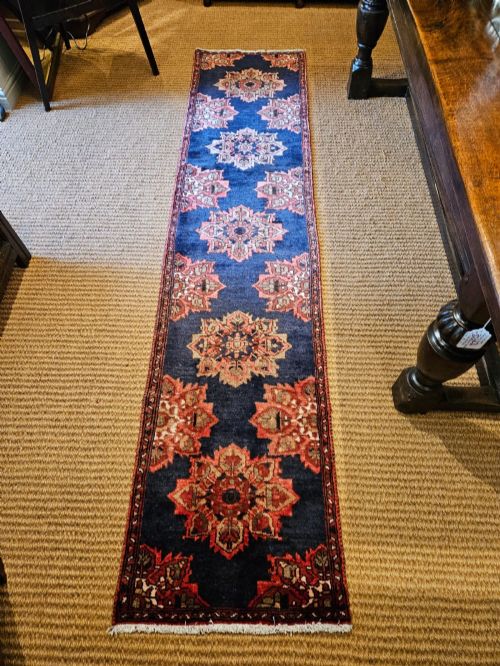
- A long, narrow format of rug traditionally used in hallways or corridors. These pieces often feature repeating geometric patterns.
- Warp
- The vertical foundation threads running the entire length of the rug. The pile knots are tied directly onto these structural elements.
- Weft
- The horizontal threads passed between rows of knots to secure the pile. They maintain the structural width of the textile.
Geometric Medallion Floor Rug: Frequently Asked Questions
Where should I place a geometric medallion floor rug?
These floor coverings suit high-traffic areas such as living rooms, dining spaces, or long hallways where their robust wool construction performs well. Their strong central motifs anchor room layouts effectively.
Larger carpets work beneath dining tables or in open reception spaces, while runner formats fit narrow corridors and entrance halls.
How do I clean an antique wool rug?
Routine maintenance involves gentle vacuuming without a beater bar to protect the wool pile and structural foundation. Professional cleaning remains necessary for deep restoration.
Avoid harsh chemical treatments or excessive water saturation, which can damage natural dyes and cotton warp threads.
What is the difference between a village rug and a tribal rug?
Village rugs typically emerge from settled communities with established local weaving traditions and consistent geometric formats. Tribal pieces reflect nomadic or confederacy heritages with spontaneous designs.
Both categories utilise wool pile and traditional hand-knotted techniques dating from the nineteenth and early twentieth centuries.
How can I tell the origin of these rugs?
Origins appear through specific structural traits, palette choices, and regional motifs particular to areas like Heriz, Kazak, or Afshar. Border designs and wool characteristics often provide key indicators.
Comparing knot density and foundational materials helps distinguish between Caucasian, Persian, and Anatolian provenance.