






Geometric Glass Display
Geometric glass display pieces combine clean angles with transparent panels, bringing structured elegance to interiors.
Geometric Glass Display
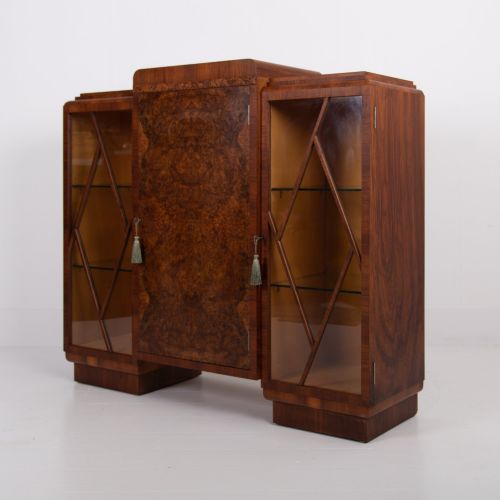
Geometric glass display items range from architectural display cabinets and bookcases to leaded glass doors and wall mirrors. These pieces typically showcase strong linear forms and structured framing suited to interiors with clean architectural lines.
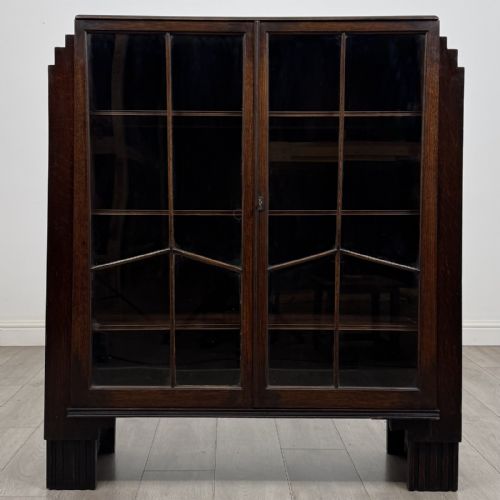
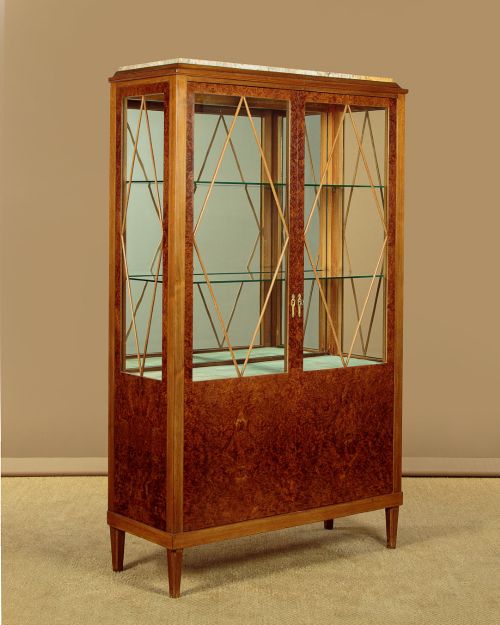
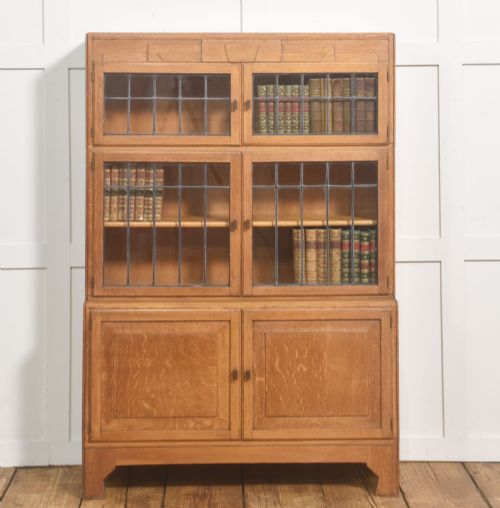
The selections available here lean heavily into the Art Deco period, alongside Victorian and Edwardian examples. Cabinets and shelving units dominate the offerings, built to showcase ceramics, books, or glassware.
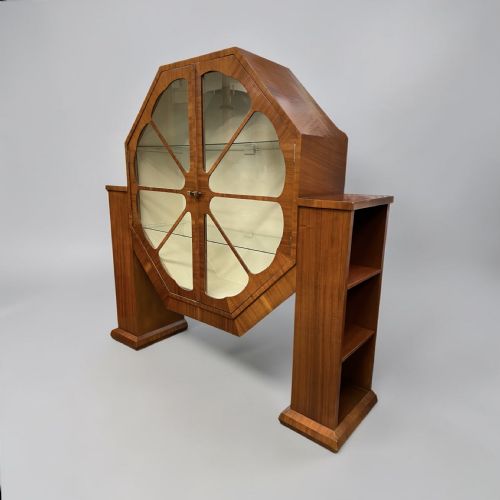
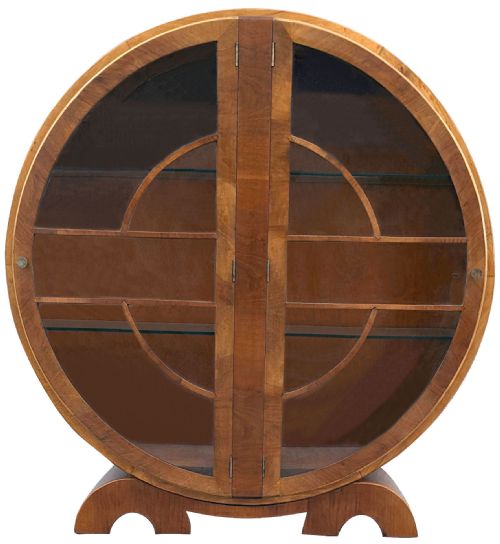
Buyers encounter a variety of forms including circular cabinets, square display stands, and tall bookcases. Each object utilises transparent or leaded glazing to frame its contents cleanly.
Materials and construction
Makers utilised timber frames of oak, walnut, burr walnut, and satinwood to house transparent panels. These woods provide structural strength while offering distinct grain patterns suited to cabinetwork.
Glazing techniques involve leaded glass and etched enamel work, often incorporating geometric motifs. Brass hardware and fittings frequently complement the timber and glass structures.
Geometric Glass Display Retail Price Guide 2026
Typical asking prices for geometric glass display among the pieces listed under this phrase on Sellingantiques today, from the lower quarter to the upper quarter. They describe what is for sale here now, not the wider market.
Assessing quality
Quality rests in the precision of the joinery and the clarity of the glass panels. Finer examples display meticulous framing where timber and lead work align harmoniously.
The choice of secondary timbers and the crispness of etched enamel detailing distinguish standard production from superior craftsmanship. Balance and proportion in circular or octagonal frames indicate thoughtful design.
Rurka·Charles Graffart for VSL·Karl Palda
The Geometric Glass Display Glossary
- Art Deco
- A design style characterised by sleek lines, geometric shapes, and modern materials popular during the interwar years.
- Leaded glass
- Glass panes joined together with strips of lead to form decorative patterns or geometric windows.
- Burr walnut
- Timber taken from walnut tree growths, prized for its swirling, decorative grain patterns on cabinet doors.
- Secessionist
- An artistic movement focused on geometric simplification and rejection of traditional historicism.
Geometric Glass Display: Frequently Asked Questions
What defines geometric glass display?
These pieces are characterised by straight lines, angular framing, and transparent glass panels designed to showcase objects.
They span functional furniture like bookcases and cabinets alongside decorative vessels and mirrors.
Which periods do these items come from?
The pieces primarily date from the early twentieth century, with a strong representation of Art Deco design alongside nineteenth-century examples.
Craftsmen of these eras favoured clean structural layouts and geometric ornament.
How were these cabinets used originally?
Cabinets and bookcases housed prized collections of books, ceramics, and glassware behind protective glass doors.
Mirrors and small display stands served to bounce light around rooms while highlighting decorative objects.
How do I care for wooden display furniture?
Keep wooden surfaces clean using dry cloths and avoid placing furniture in direct sunlight to protect timber tones.
Glass panels benefit from standard glass cleaner applied sparingly to avoid damaging surrounding wood or lead frames.