

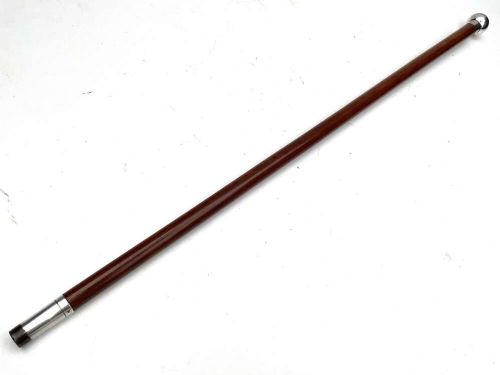
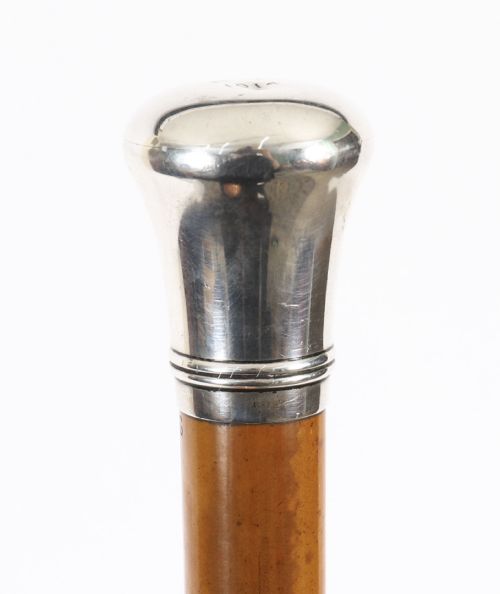



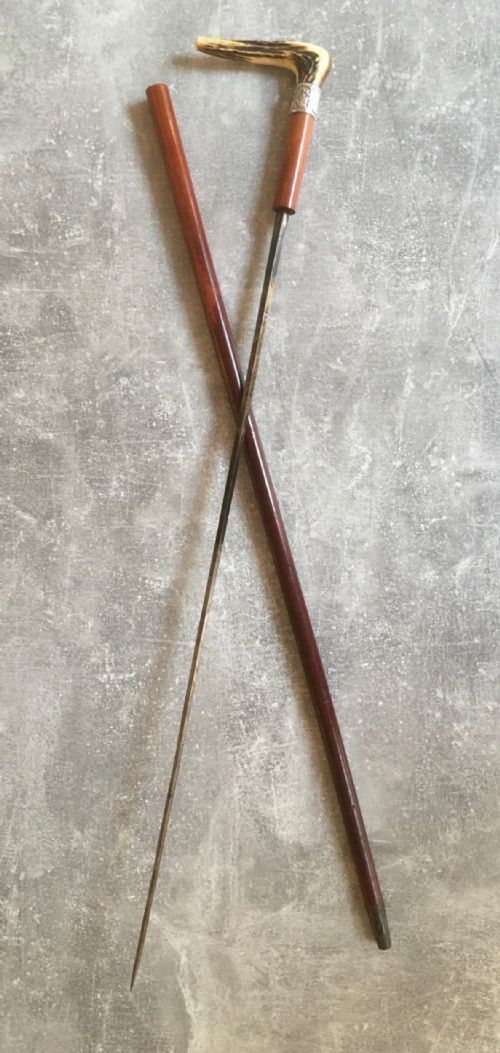


Gentlemans Silver Top Cane
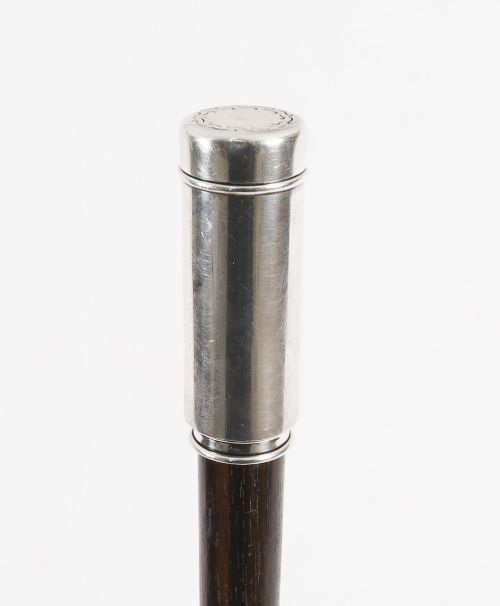
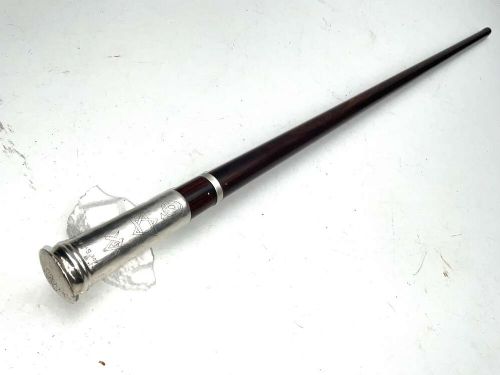
A gentlemans silver top cane is a functional accessory of status, combining precious metal work with sturdy timber shafts for the discerning user.
Gentlemans Silver Top Cane
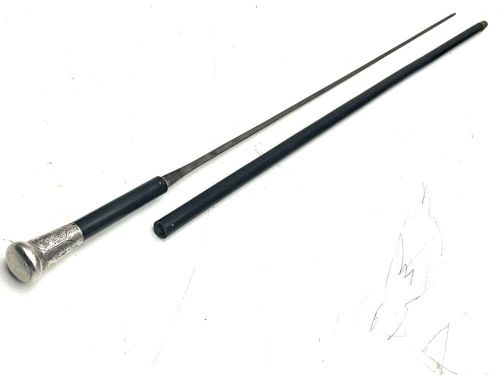
A gentlemans silver top cane serves as a traditional prop of daily wear, appearing frequently across the Victorian and Edwardian eras alongside later twentieth-century examples. These pieces combine precious metal mounts with durable shafts, taking the form of standard walking sticks or concealed sword sticks.
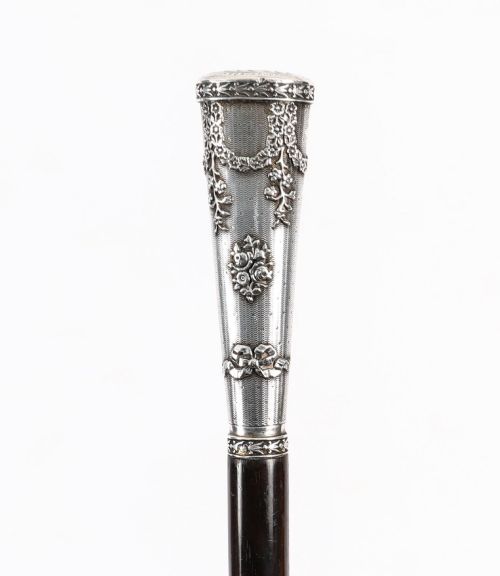
The varieties on this page span English, French, and Continental workshops, with London assay marks appearing alongside foreign silver and silver-plated options. Buyers encounter handles fashioned into plain spheres, repousse work, animal motifs such as boar heads, and specialised mechanisms like watch compartments.
Materials and Construction
Makers fashioned shafts from dense timbers including ebonised wood, hardwood, palm wood, rosewood, oak, and malacca, often pairing them with tips of horn or steel. Handles utilise sterling silver, silver plate, and metal, shaped through techniques like repousse or cast into specific figural designs.
Silversmiths attached metal tops securely to timber blanks, sometimes incorporating internal steel blades to create functional sword sticks. Assay offices in London stamped hallmarks on precious metal components to verify standard purity and year of origin.
Gentlemans Silver Top Cane Retail Price Guide 2026
Typical asking prices for gentlemans silver top cane among the pieces listed under this phrase on Sellingantiques today, from the lower quarter to the upper quarter. They describe what is for sale here now, not the wider market.
Listings feature sterling silver, silver plate, and ebonised wood across Victorian, Edwardian, and nineteenth-century periods.
Evaluating Quality
The distinction between tiers rests upon the weight of the silver, the crispness of any repousse detail or hallmarks, and the selection of the shaft material. Solid sterling silver and named maker mounts command greater attention than plated alternatives.
Shaft integrity dictates durability, with dense exotic timbers like malacca or rosewood maintaining better structural balance than common woods. The precision of any concealed mechanism, such as a sword blade or integrated watch, further defines the standard of the piece.
Tiffany & Co·Brigg of London·Wang Hing & Company
The Gentlemans Silver Top Cane Glossary
- Hallmark
- An official stamp applied to precious metals indicating the assay office, standard of purity, and year of manufacture. London hallmarks provide exact dates for English silver.
- Repousse
- A metalworking technique where the silversmith hammers the design from the reverse side to form raised relief patterns on the handle. This decoration appears on nineteenth-century continental and English mounts.
- Malacca
- A type of rattan cane featuring distinctive scale patterns, prized for its strength and flexibility as a walking stick shaft. It forms the core for numerous silver-topped specimens.
- Sword stick
- A walking cane containing a concealed steel blade within the wooden shaft, accessed by unscrewing or releasing the handle. These pieces combine personal defence with formal appearance.
- Knop
- A rounded knob or ornamental handle fitted to the top of a walking stick. Silver knops serve as the primary grip for the user.
Gentlemans Silver Top Cane: Frequently Asked Questions
How do I date a silver top cane?
Dating relies primarily on metal hallmarks stamped onto the silver handle, which record the assay office and specific year of testing. Stylistic details like Victorian repousse work or Edwardian proportions also help place the piece within a broad decade.
Changes in timber selection and mount construction offer secondary clues when official marks are absent or rubbed down through years of handling.
Are all silver top canes also sword sticks?
Many silver top canes function purely as standard walking aids with solid wooden shafts and decorative handles. A distinct subset contains concealed steel blades inside the timber housing, classified specifically as sword sticks.
Buyers should examine the join beneath the silver handle to determine if the shaft conceals a blade or remains a solid wooden rod.
What woods were used for the shafts?
Makers utilised a range of dense timbers depending on availability and desired weight, including malacca, ebonised wood, rosewood, oak, and palm wood. Exotic varieties like malacca provided natural flexibility and strength.
Softer woods were frequently ebonised or stained to achieve a uniform black finish suitable for formal attire.
How should I care for the silver handle?
Silver handles benefit from gentle dusting with a soft cloth to preserve the metal surface and any engraved or repousse details. Avoid aggressive chemical polishes that might wear away thin silver plating or obscure partial hallmarks.
Keep the timber shaft conditioned with appropriate wax or oil to prevent the wood from drying out over time.