




Gentlemans Press Cupboard
When you search for a gentlemans press cupboard, you find substantial timber storage designed for formal attire, combining hanging space and deep linen drawers.
Gentlemans Press Cupboard
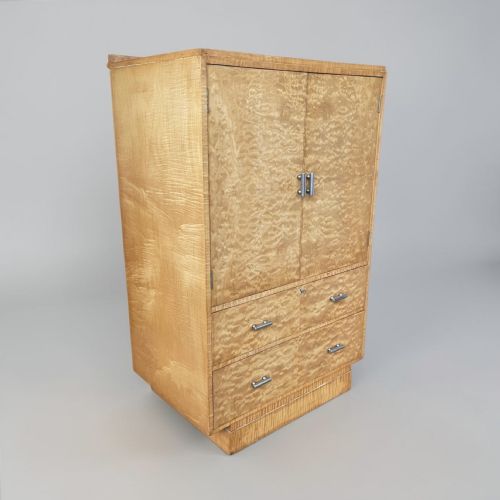
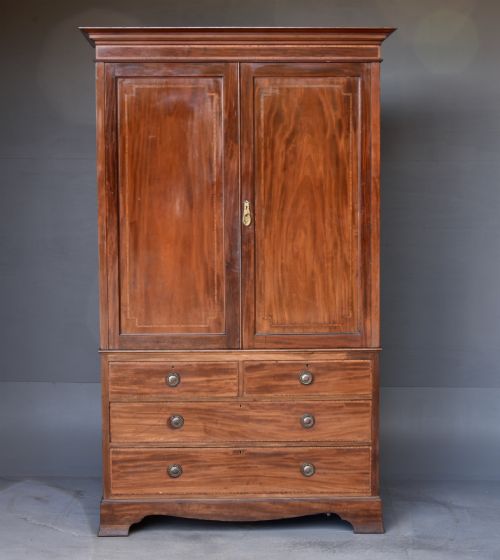
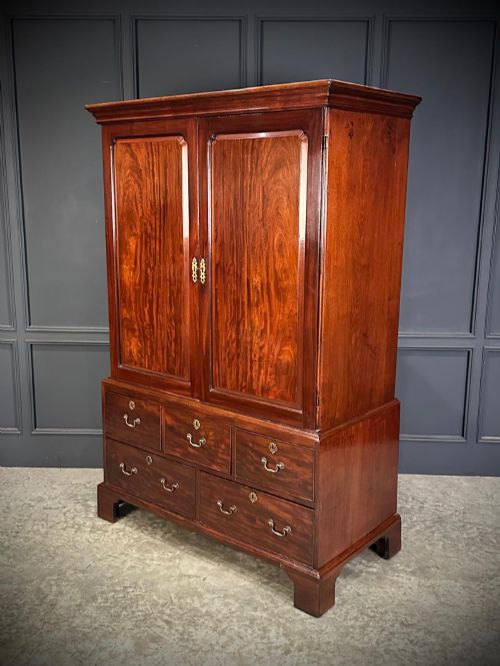
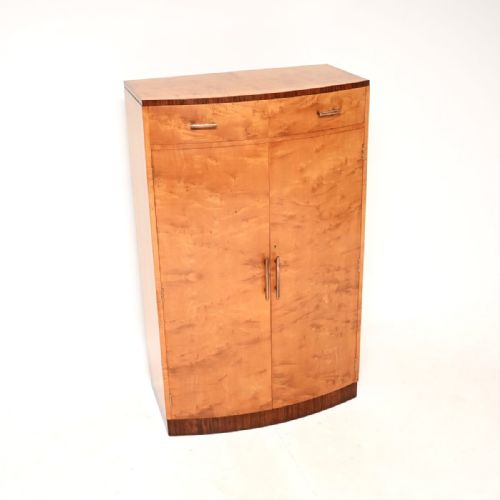
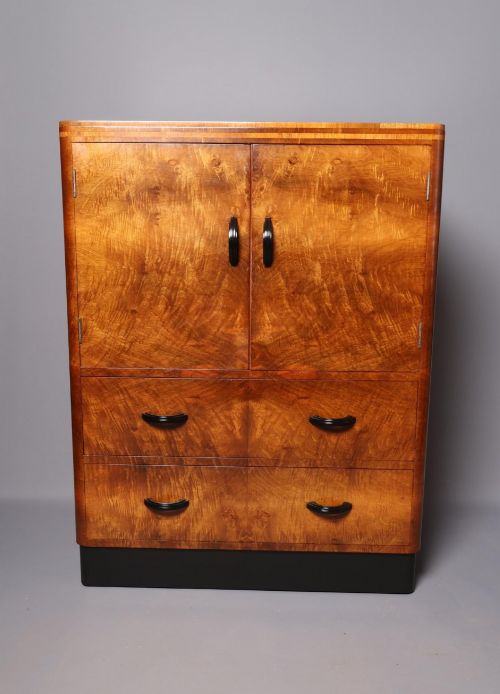
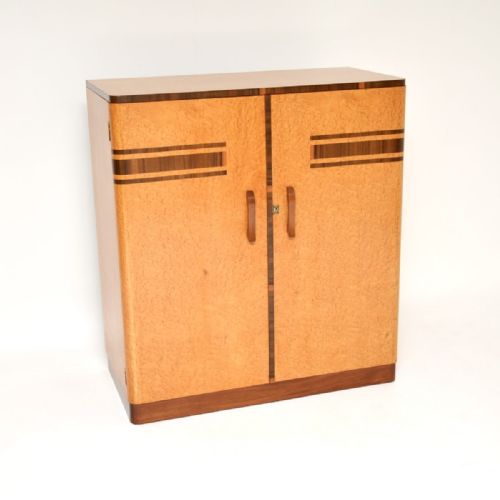
A gentlemans press cupboard is a traditional furniture form that bridges the gap between a wardrobe and a chest of drawers. Pieces matching this description appear across multiple eras, including the Georgian, Victorian, and Art Deco periods.
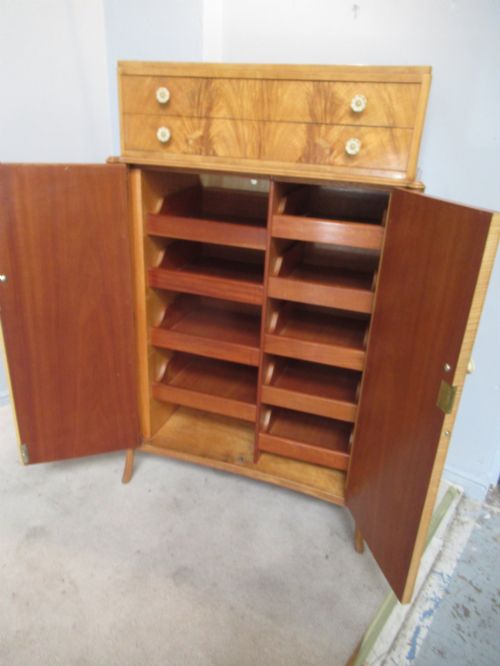
The layout typically pairs upper cabinet doors enclosing sliding shelves or hanging space with a lower chest of graduating drawers. Buyers encounter varying configurations, from compact Art Deco compactums to substantial eighteenth-century mahogany cabinets.
Originating as practical bedroom furniture for storing folded garments and coats, these pieces reflect the changing domestic requirements of past centuries. The form adapts through successive design movements while retaining its core utilitarian purpose.
Materials and Construction
Construction relies heavily on dense hardwoods such as mahogany and oak, often selected for structural stability and durability. Cabinetmakers applied decorative veneers including satinwood, burr walnut, and birds eye maple to prominent surfaces.
Joinery techniques involve solid framing with panelled doors and dovetailed drawer construction to withstand daily use. Brass hardware, including drop handles and escutcheons, secures doors and drawers while providing functional detail.
Listings feature woods such as mahogany, walnut, oak, satinwood, and bakelite across periods ranging from the eighteenth century to the twentieth century.
Assessing Quality and Execution
Quality separates pieces through the selection of timber figures and the precision of the cabinetwork. Superior examples display carefully matched veneer grains across door panels and drawer fronts.
Internal elements reveal standards of manufacture, from solid oak drawer linings to smoothly operating linen slides. The integration of decorative banding and inlay work indicates the level of craftsmanship invested in the piece.
maples & co·Heal's·Whytock & Reid of Edinburgh
The Gentlemans Press Cupboard Glossary
- Compactum
- A fitted wardrobe or cabinet designed to hold a wide variety of clothing within a relatively modest footprint. It frequently incorporates internal drawers, shelves, and hanging sections.
- Linen Press
- A tall piece of furniture featuring upper doors enclosing sliding shelves originally intended for flat linens. Lower drawer sections provide additional storage for smaller garments.
- Tallboy
- A tall chest of drawers, or a chest placed upon a lower chest or cabinet base. This form maximises vertical storage capacity in bedrooms.
- Banding
- A narrow strip of contrasting timber inlaid around the edges of drawer fronts or tabletops. This technique frames the primary wood grain for decorative effect.
- Escutcheon
- A protective plate surrounding a keyhole. It prevents the wood from wearing around the lock mechanism and often serves a decorative purpose.
Gentlemans Press Cupboard: Frequently Asked Questions
What is inside a press cupboard?
These pieces generally contain sliding wooden shelves or hanging space behind the upper doors. The lower section provides a chest of drawers for folded garments.
Interior layouts vary by period, with later twentieth-century examples offering more integrated hanging capacity.
How do I date a cupboard?
Dating relies on timber choices, construction methods, and stylistic details such as bracket feet or cornice mouldings. Georgian pieces show solid mahogany and hand-dovetailed drawers, whereas Art Deco models use contrasting veneers and simpler lines.
Secondary woods inside the drawers also offer clues to the manufacturing era and region.
Will these fit modern rooms?
Many compactums and smaller wardrobes offer substantial storage within modest footprints. Measuring ceiling height and clearance for opening doors is essential before placement.
Most pieces dismantle into upper and lower sections for easier transport and installation.
How should I care for the wood?
Maintain timber surfaces by dusting with a dry cloth and avoiding direct sunlight or excessive heat sources. Wax polishes applied sparingly help preserve the finish of period veneers.
Keeping room humidity stable prevents the timber and glue joints from drying out over time.