
Gemstone Pendant Necklace
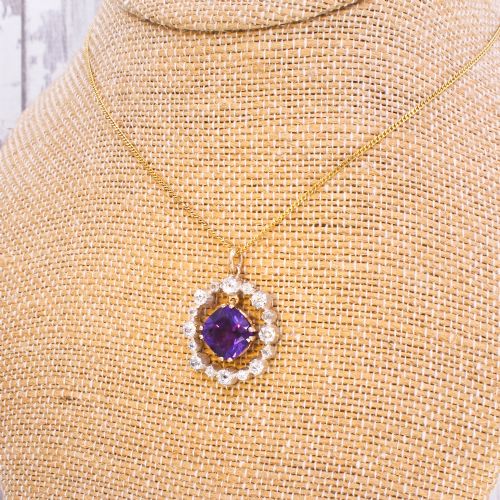
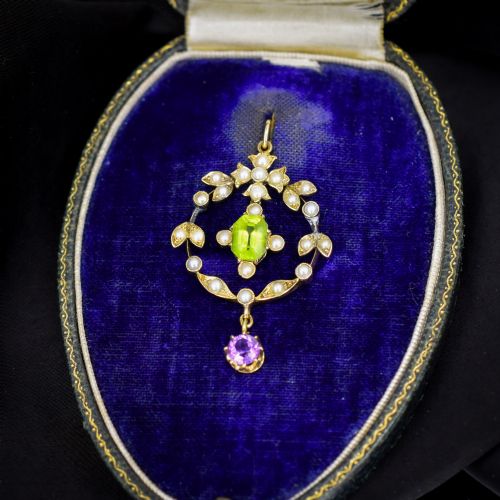
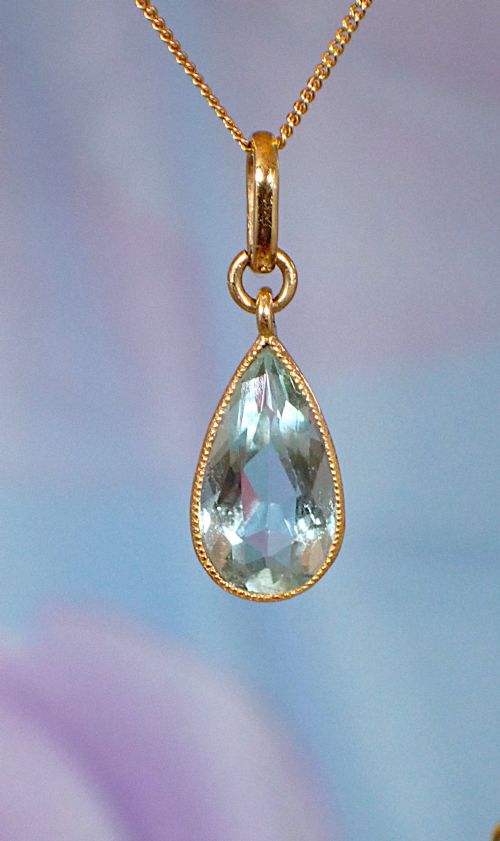
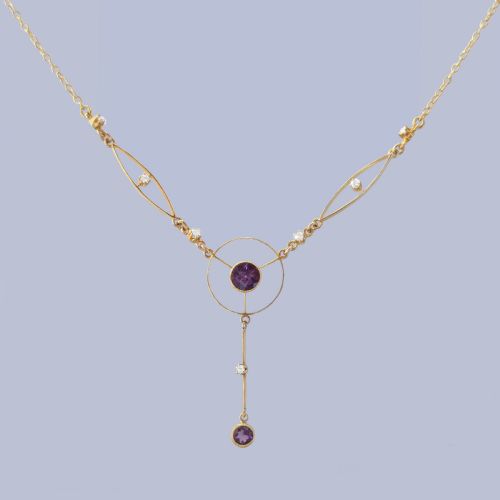
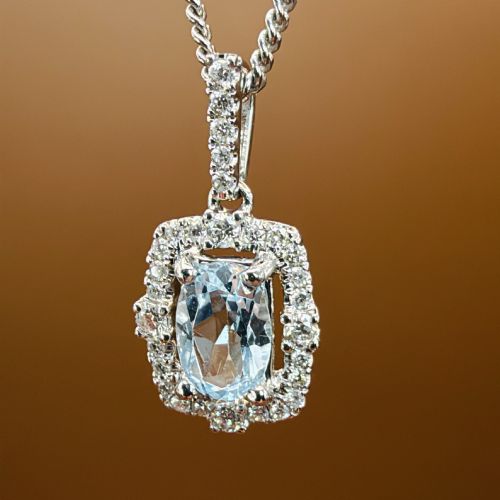
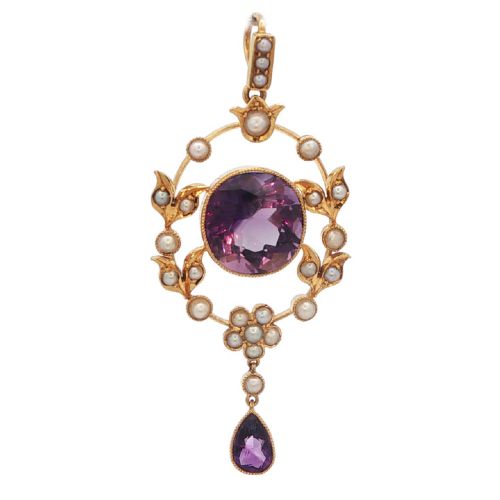
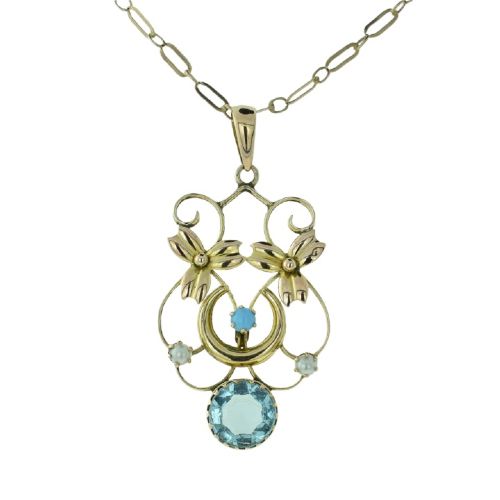
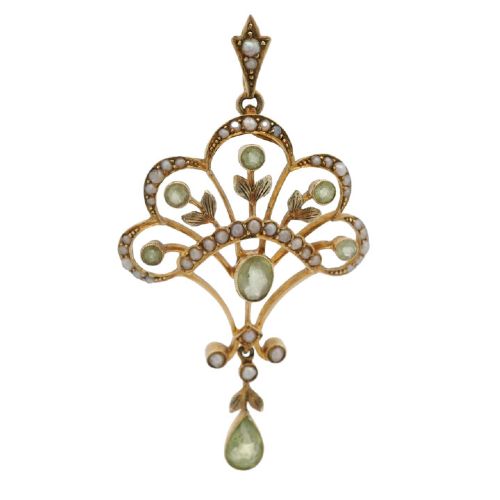
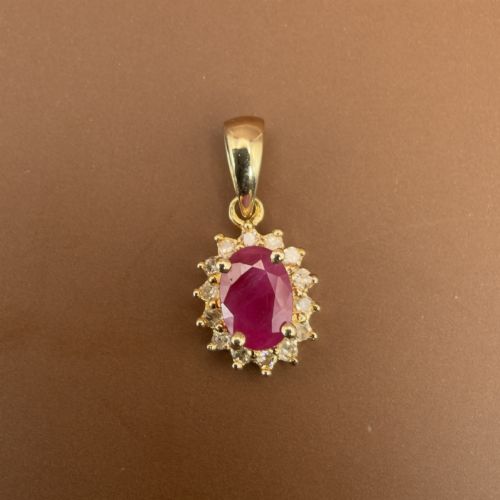
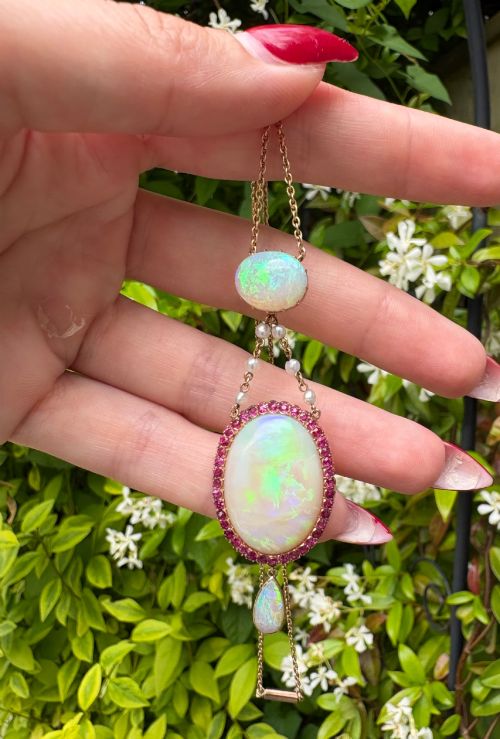
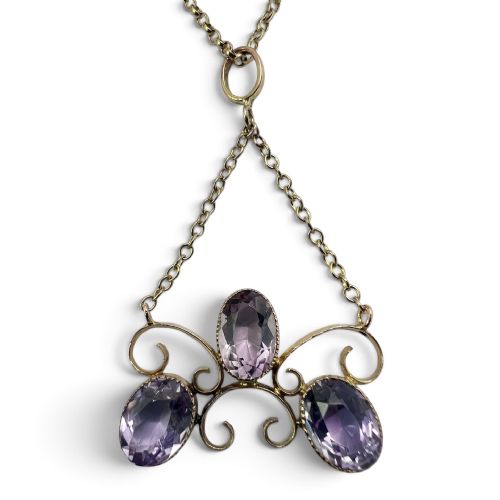
A gemstone pendant necklace brings together coloured stones and precious metals in a suspended form that catches the light against the collarbone.
How they were made
Goldsmiths worked primarily in yellow and rose gold, ranging from standard 9ct to higher 15ct and 18ct purities, alongside silver in Arts and Crafts and platinum in later Art Deco pieces.
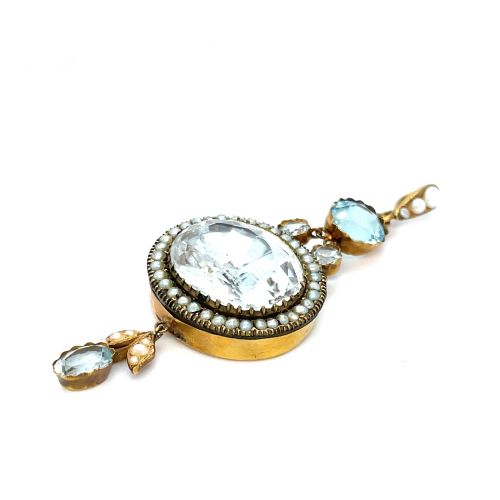
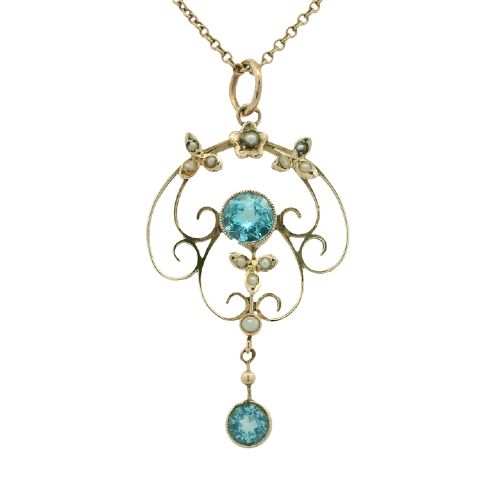
Stones such as amethyst, aquamarine, opal, and garnet are set using claw, bezel, or foil-backing techniques, paired with delicate seed pearls secured on pins or threaded wire.
What varies in quality
The refinement of the metalwork defines the upper tier, visible in hand-finished filigree, pierced gallery work, and secure stone settings rather than heavy casting.
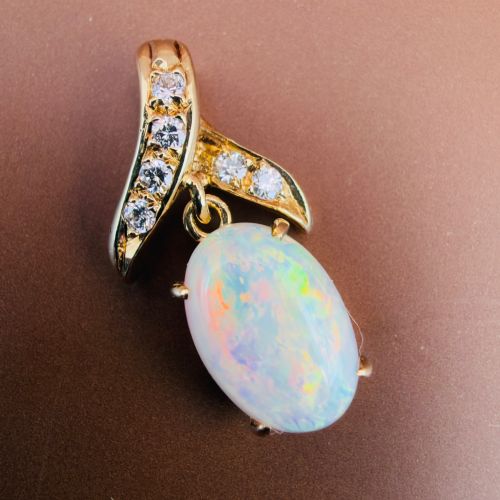
Stone selection creates further distinction, where depth of colour, natural inclusions, and precise cabochon or faceted cutting separate modest specimens from exceptional gems.
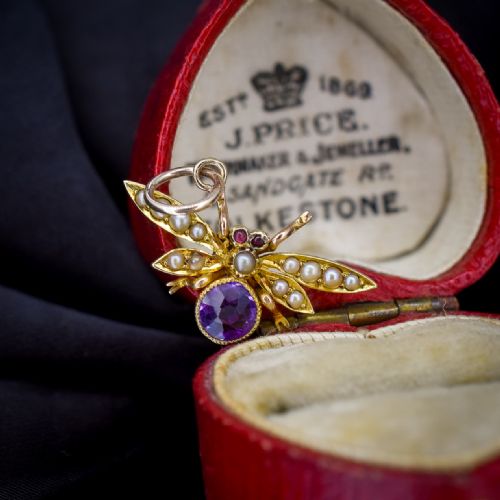
An insect fly charm pendant waits among the collection, proving Victorians loved wearing tiny winged creatures in precious metal.
Amy Sandheim·Mary Thew
The Gemstone Pendant Necklace Glossary
- Lavalier
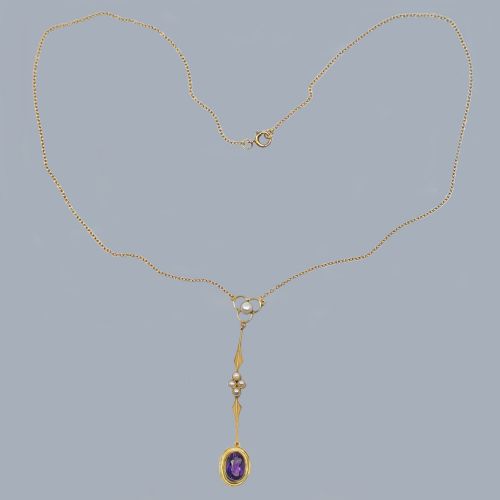
- A pendant featuring a primary gemstone with one or more smaller stones dropping loosely below it on short chains. This style reached great popularity during the Edwardian period.
- Cabochon
- A gemstone cut with a smooth, rounded, convex upper surface rather than faceted planes. This shape is frequently utilised for opals, moonstones, and star garnets to display their internal light.
- Seed pearl
- A very small, naturally occurring or early cultured pearl, often drilled and threaded closely together. They provide delicate white accents in Victorian and Edwardian clusters.
- Foil back
- A historical technique where a thin sheet of coloured metallic foil is placed behind a transparent gemstone within a closed setting to enhance its brilliance and hue.
- Festoon necklace
- A decorative necklace design featuring suspended swags of chain, beads, or gemstone drops that drape across the upper chest.
Gemstone Pendant Necklace: Frequently Asked Questions
What is a lavalier pendant?
A lavalier is a specific drop design where stones hang freely from articulated links beneath the main neckline. Popularised in the Edwardian era, these pieces move with the wearer.
They frequently incorporate amethysts or aquamarines paired with seed pearls in yellow gold settings.
How do I date an antique pendant?
Dating relies on combining material evidence, such as 15ct gold standards or platinum use, with stylistic markers like Edwardian garland motifs or Art Deco geometric lines. Hallmarks and box types also offer clues.
Victorian pieces often favour heavier closed-back settings, while Edwardian examples tend towards lighter, lace-like wirework.
Are opals fragile to wear?
Opals contain internal water content and possess a softer surface mineral structure than diamonds or sapphires, requiring mindful daily care. Avoid sudden temperature changes and harsh chemicals.
Bezel settings offer better protection for antique opals than exposed claw mounts.
What is an Arts and Crafts necklace?
Arts and Crafts pendants emphasise hand-wrought silver, hammered textures, and cabochon stones like moonstone, rose quartz, or chalcedony over machine-stamped uniformity. Maker attribution is occasionally possible.
These pieces celebrate the honest visibility of the artisan's hand in the metal.