


White Gold Pendant Necklace
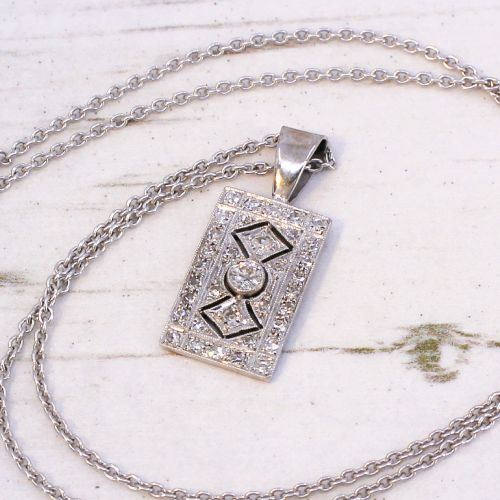
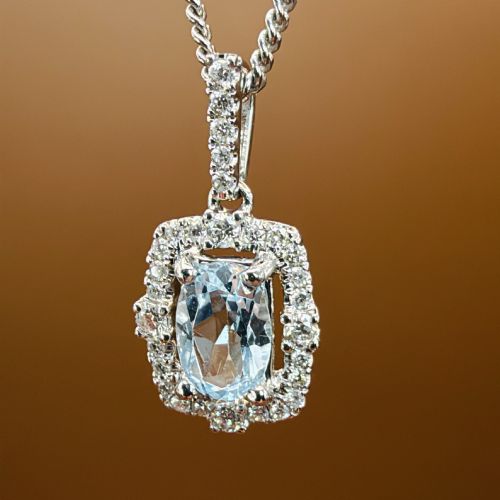
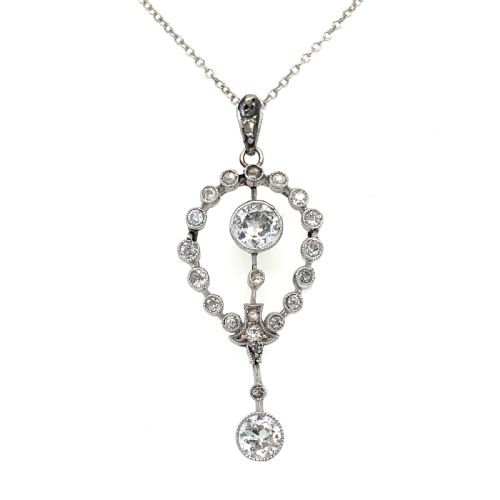
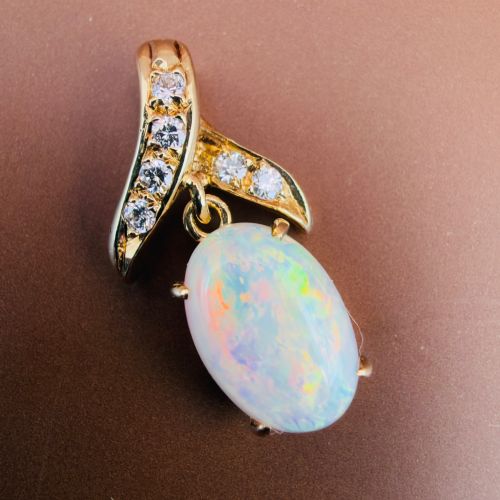
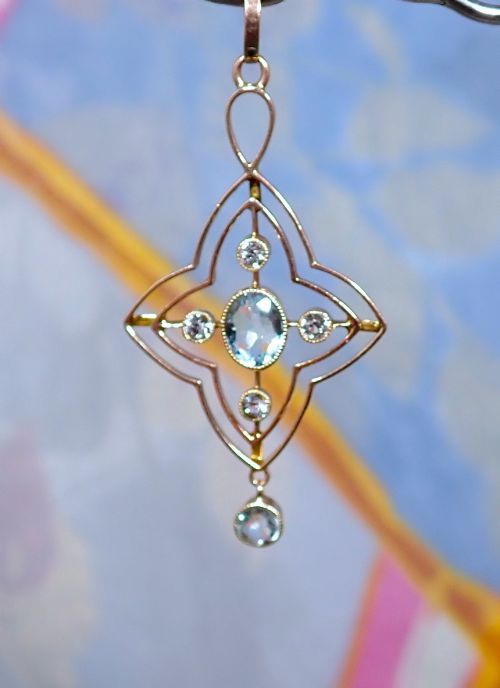
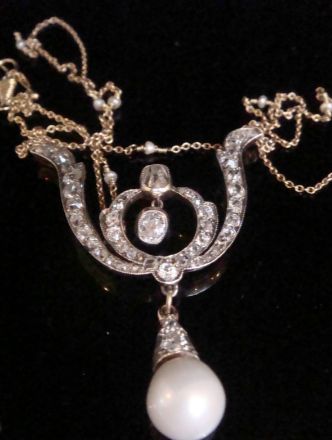
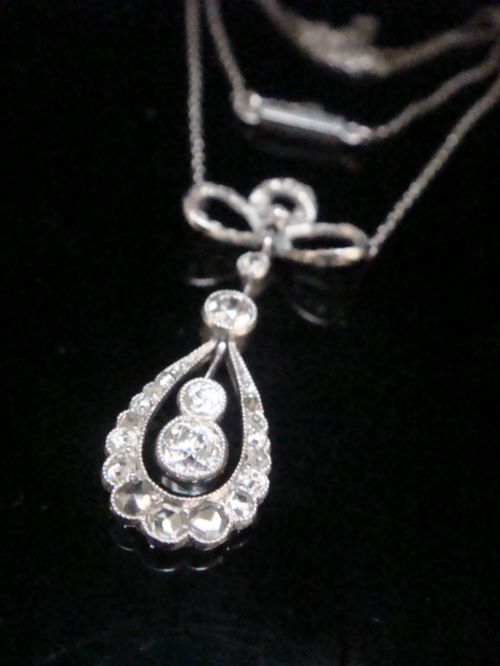
When shopping for a white gold pendant necklace, collectors find Edwardian filigree, Art Deco geometric settings, and mid-century clusters set with diamonds, opals, and aquamarines.
White Gold Pendant Necklace
A white gold pendant necklace brings together precious metals and gemstones in a suspended drop format designed to be worn at the collarbone. Pieces meeting this description span several decades, ranging from early twentieth-century Edwardian and Art Deco designs to mid-century examples from the nineteen-fifties and sixties.
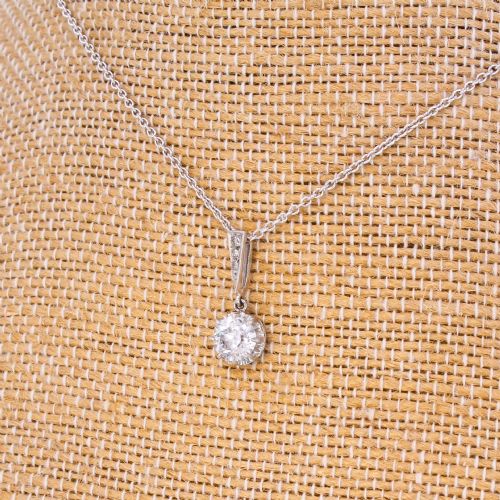
The selection encompasses delicate solitaire diamonds, colourful gemstone clusters featuring opals and aquamarines, and intricate religious motifs such as crosses and crucifixes. These items reflect the shifting stylistic preferences of their eras, moving from ornate, lace-like platinum-topped gold work to clean, modernist geometric lines.
Materials and construction methods
Craftsmanship relies on the combination of white gold alloys - typically marked at nine, fourteen, or eighteen carats - alongside platinum and silver settings. Metalsmiths shaped these materials into intricate pierced galleries, bezel mounts, and prong configurations designed to secure central stones.
Gemstones including old-cut and transitional diamonds, cabochon and fire opals, and faceted aquamarines were hand-set into these frames. Many earlier pieces utilise millegrain edges, where tiny raised beads of metal finish the borders of the setting.
Several pieces double as multi-functional items, serving as both a pendant for the neckline and a brooch for the lapel.
Assessing quality and execution
Quality in these necklaces rests upon the precision of the metalwork and the selection of the primary stones. Finer examples display crisp pierced filigree without distortion, secure stone settings that hold gems firmly without excessive claw bulk, and well-matched diamond or gemstone colour and clarity.
The integrity of the chain relative to the pendant also marks a superior piece. Original or period-matched chains that complement the weight and style of the drop indicate a well-preserved object.
The White Gold Pendant Necklace Glossary
- Millegrain
- A decorative technique featuring a line of small, raised metal beads along the edges of a setting. This method adds a refined, textural finish typical of Edwardian and Art Deco jewellery.
- Solitaire
- A jewellery setting featuring a single gemstone, most commonly a diamond. It focuses attention entirely on the central stone.
- Cluster
- An arrangement of smaller gemstones clustered closely around a larger central stone. This layout maximises visual impact and sparkle.
- Bezel
- A collar of metal that encircles the sides of a gemstone and holds it in place. It offers a smooth, secure profile distinct from traditional prong settings.
- Filigree
- Ornamental work consisting of fine, twisted wire soldered together in open patterns. It creates a lace-like effect in precious metals.
White Gold Pendant Necklace: Frequently Asked Questions
How do I date a white gold necklace?
Dating relies on stylistic clues, hallmark stamps, and the cut of any set stones. Edwardian pieces often feature platinum-topped yellow gold with delicate pierced work, whilst nineteen-fifties items frequently use white gold for robust cluster arrangements.
Examining the construction of the pendant loop and the style of the accompanying chain also provides clues to the manufacturing decade.
Are these necklaces supplied with original chains?
Many items retain their original or period-appropriate chains, though some pendants circulate independently. Matching a vintage pendant to a contemporary white gold chain is common practice among wearers.
Inspect the jump rings and metal colour to determine whether the chain and pendant share the same period.
How should I care for vintage opals?
Opals contain natural water content and require gentle handling to prevent drying out or cracking. Avoid exposing them to harsh chemical cleaners, ultrasonic baths, or sudden temperature changes.
Store them separately from harder gemstones like diamonds to prevent scratching the polished stone surface.
What is the difference between white gold and platinum?
Platinum is a naturally white, dense metal that maintains its colour without plating. White gold is an alloy of yellow gold mixed with white metals such as palladium or silver, often finished with a rhodium plating for a bright sheen.
Over decades of wear, white gold may occasionally require replating to maintain its bright appearance, whereas platinum develops a soft patina.