


Full Length Cheval Glass
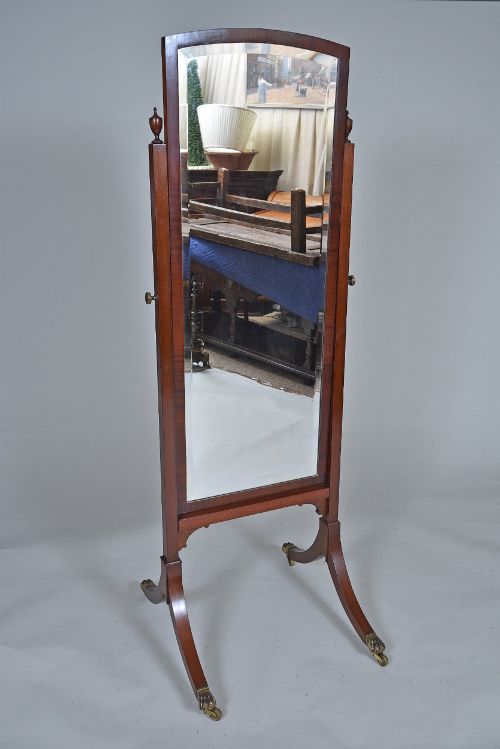
A full length cheval glass offers an elegant, freestanding reflection, bringing period craftsmanship and practicality into a room.
Full Length Cheval Glass
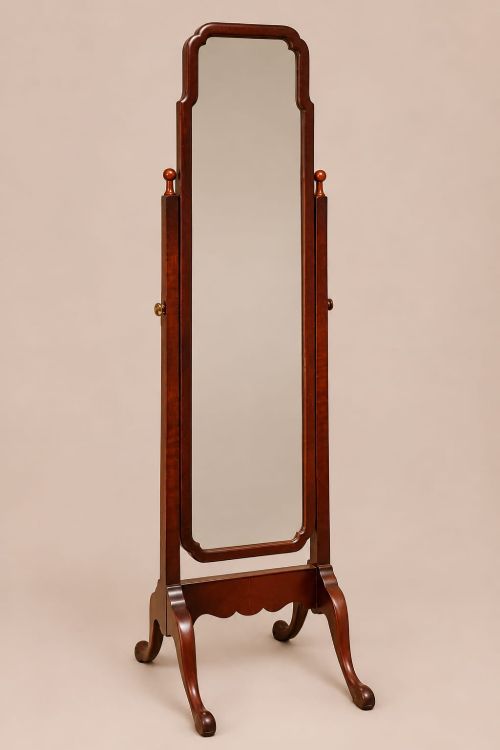
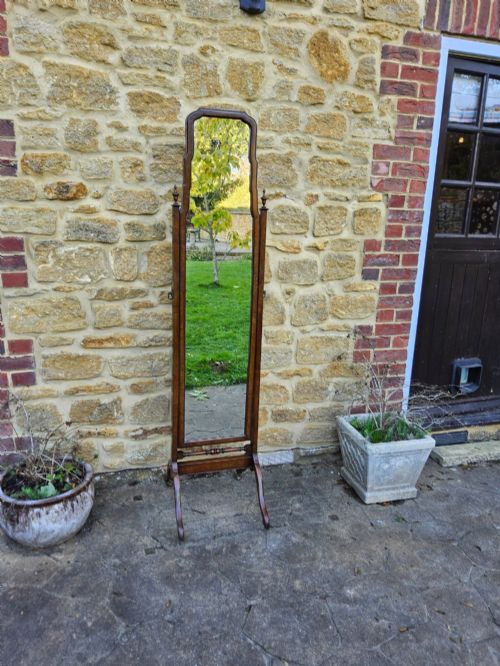
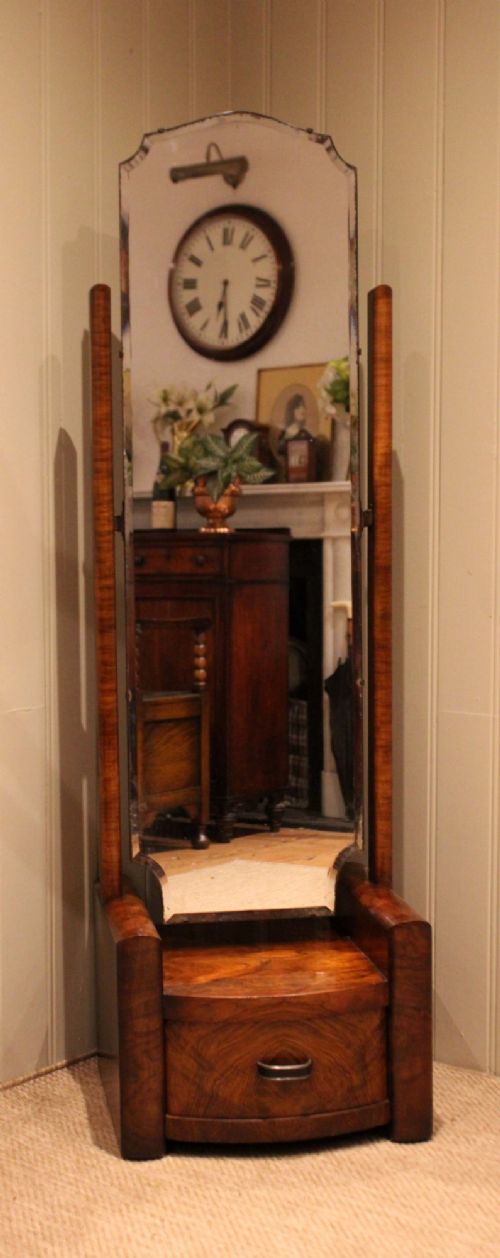
When searching for a full length cheval glass, buyers encounter freestanding dressing mirrors designed to tilt within a stable frame. These tall glasses originated to provide a complete view of attire, becoming an indispensable addition to bedrooms and dressing rooms.
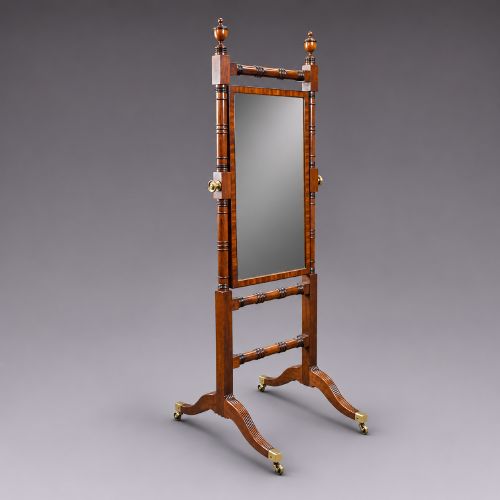
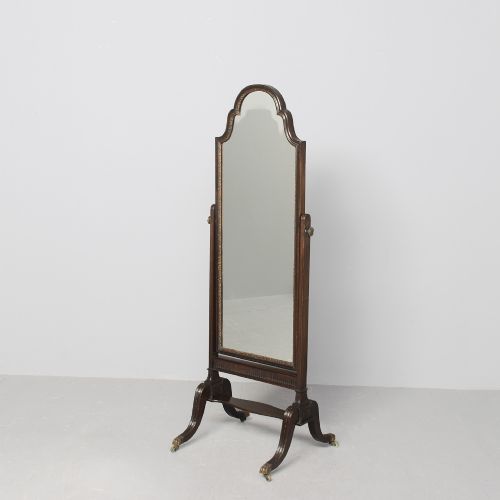
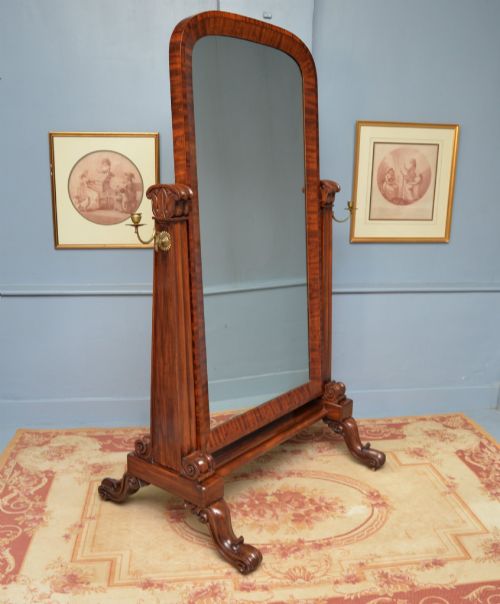
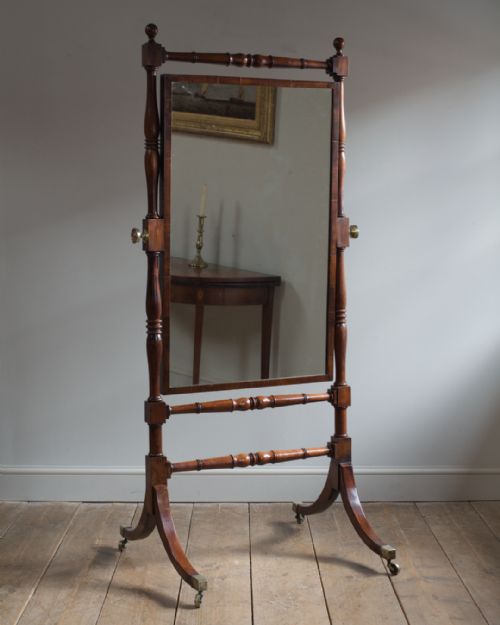
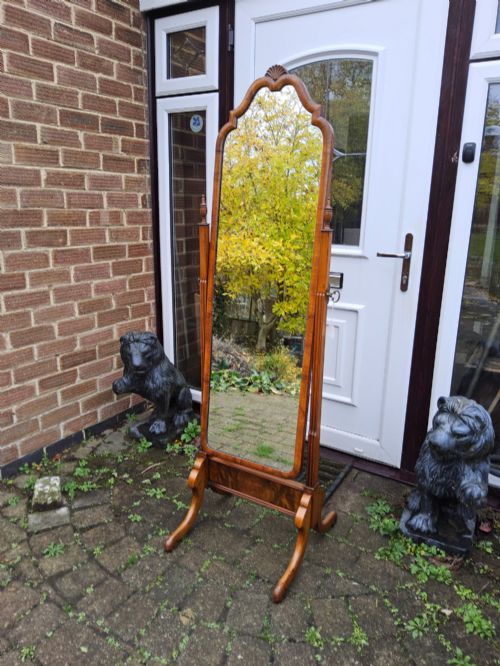
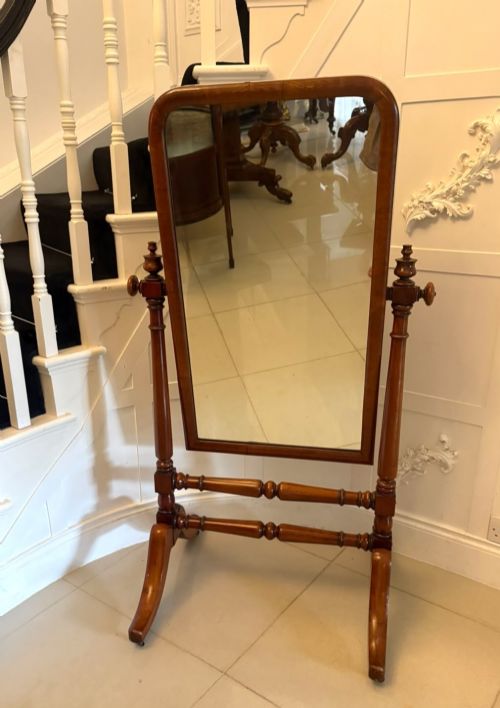
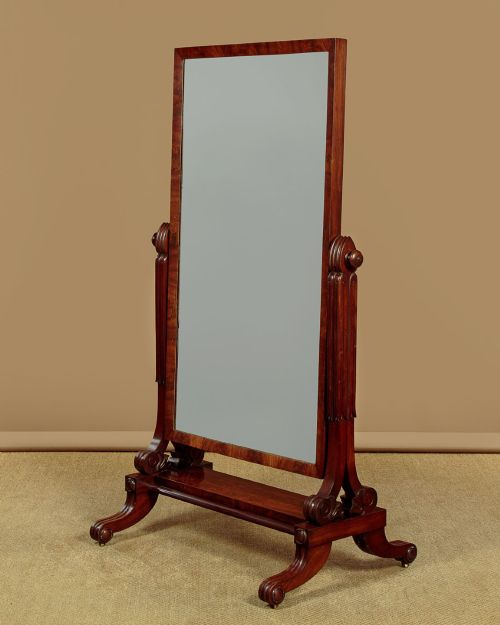
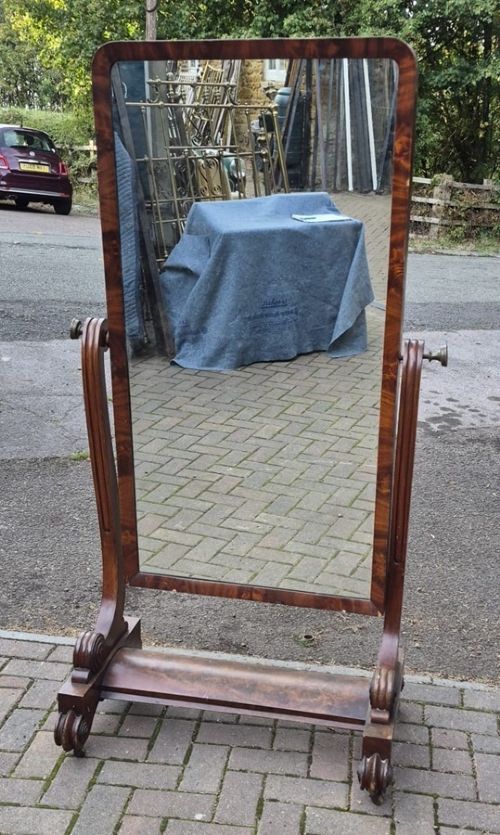
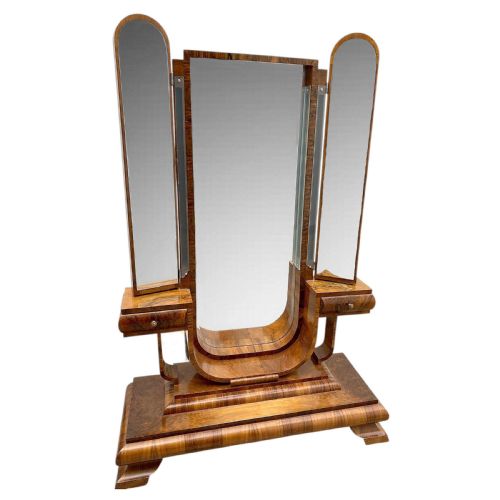
The pieces seen on this page span several distinct periods, including Regency, Victorian, and Edwardian eras. Mahogany predominates as the primary timber, alongside walnut, satinwood, and giltwood.
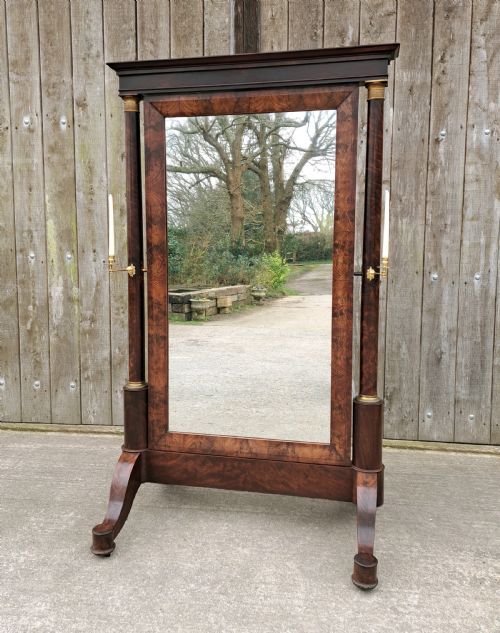
Makers produced these mirrors in various styles ranging from French Empire design and William IV execution to Art Deco and Queen Anne revival forms. Most examples utilise a pivoting swing glass mounted between sturdy upright supports and brass castors.
Distinctions in quality and execution
Superior examples demonstrate refined proportions and cabinet work, utilising dense flame mahogany or burr walnut veneers with crisp, hand-carved details. The weight and stability of the frame ensure the swinging glass holds its position firmly without slipping.
Finer pieces often incorporate high-quality brass hardware, including original castors and decorative mountings, alongside sophisticated turning or inlay work that reflects the stylistic aspirations of its period.
Full Length Cheval Glass Retail Price Guide 2026
Typical asking prices for full length cheval glass among the pieces listed under this phrase on Sellingantiques today, from the lower quarter to the upper quarter. They describe what is for sale here now, not the wider market.
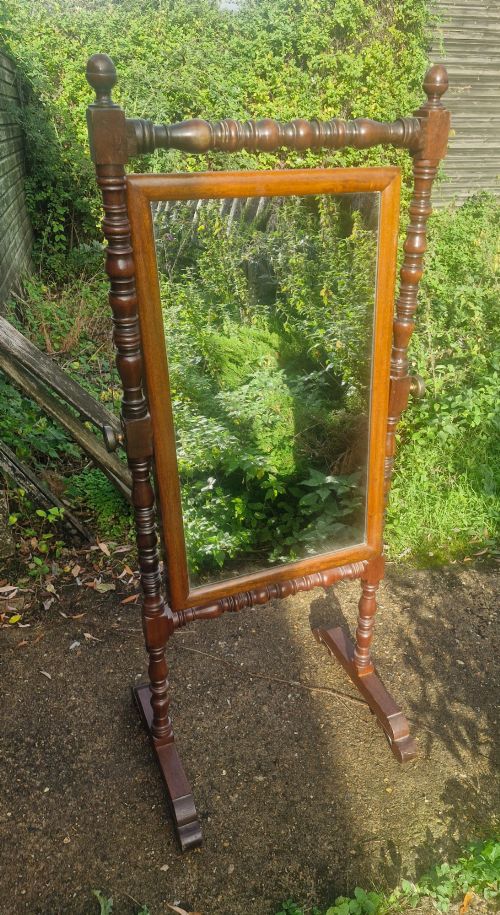
Support styles range from simple column uprights to elaborate barley twist pillars and French Empire designs.
Gillows
The Full Length Cheval Glass Glossary
- Cheval glass
- A large, freestanding mirror designed to display the full figure, supported by a frame with four legs.
- Tilt dressing glass
- A mirror plate mounted on pivots allowing the angle of the glass to be adjusted by the user.
- Flame mahogany
- A timber figure produced by slicing through the fork of a mahogany branch, creating dramatic, flame-like patterns.
- Trunnion
- A pin or pivot on which the mirror frame swings within its vertical supports.
- Giltwood
- Timber that has been coated with gold leaf or a gold-coloured finish.
Full Length Cheval Glass: Frequently Asked Questions
How do I place a cheval mirror in a room?
Position the freestanding glass near natural light sources to maximise brightness and reflection across the space.
Ensure the floor beneath the castors is even so the heavy frame remains stable when tilted.
What period is my cheval glass from?
Examine the timber, turning details, and hardware to determine the likely era of manufacture. Regency and William IV pieces often display heavier mahogany frames with bold scroll supports, whilst Edwardian versions tend to be lighter in scale.
Check for hand-cut joinery methods and original brass castors which provide further clues to age.
Can the mirror angle be adjusted?
Most examples utilise side screws or trunnions that allow the glass frame to tilt forward or backward. Tightening these pivots secures the glass at the desired viewing angle.
Care should be taken when adjusting older frames to avoid straining the original wooden mounts.
Are these mirrors heavy to move?
Solid timber frames combined with glass plate create a substantial weight, though many period examples feature brass castors to assist movement.
It is advisable to lift or guide the frame carefully rather than pulling it solely by the upper portions.