

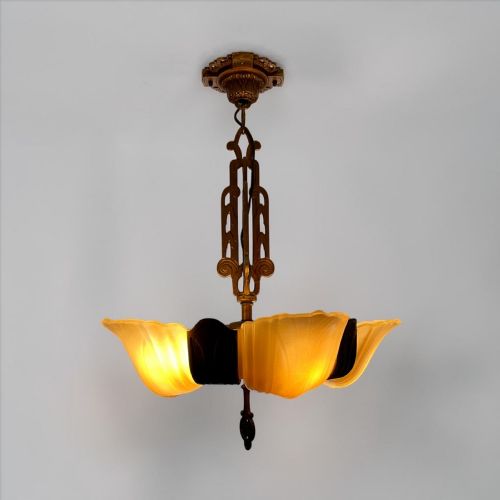
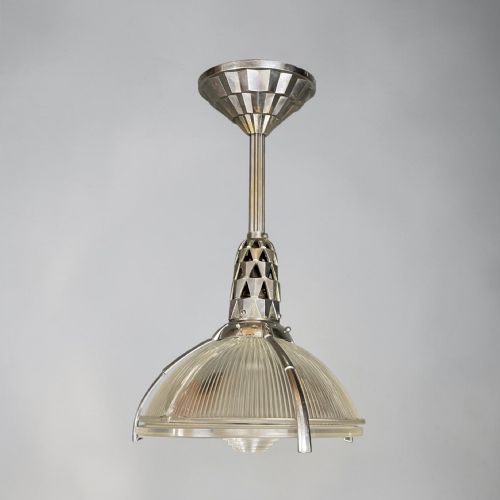
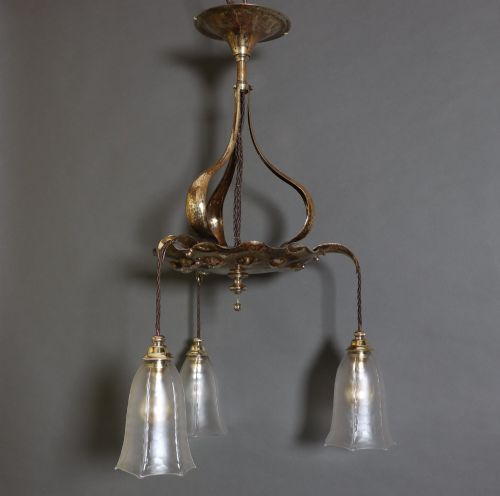

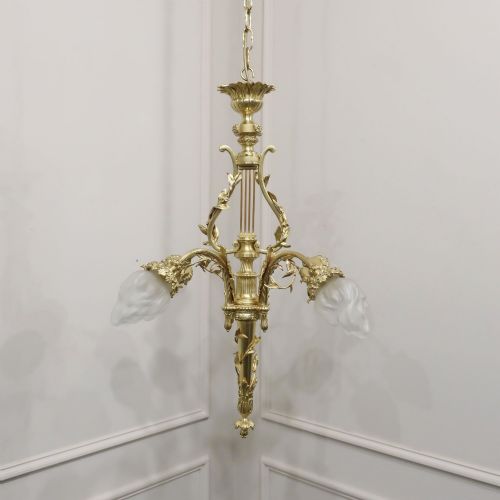

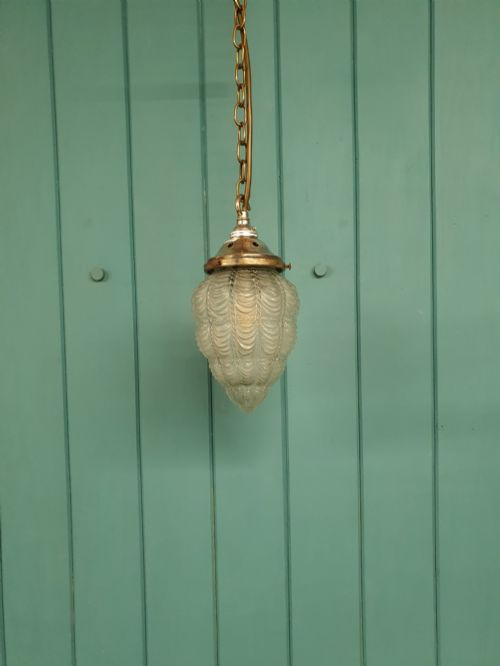
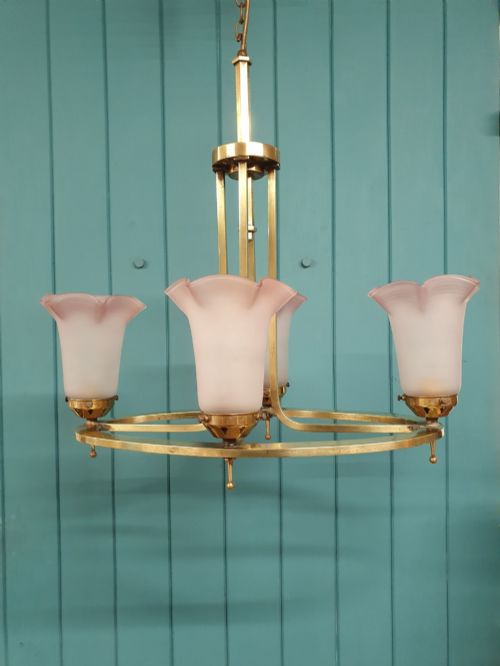


Frosted Glass Light Fixture
A frosted glass light fixture diffuses illumination softly, offering both historical character and functional elegance for period interiors.
Frosted Glass Light Fixture
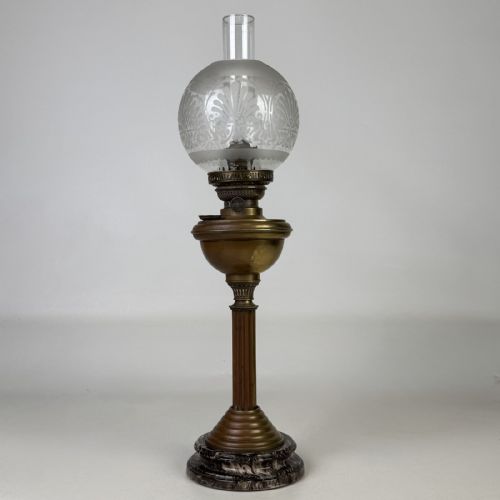
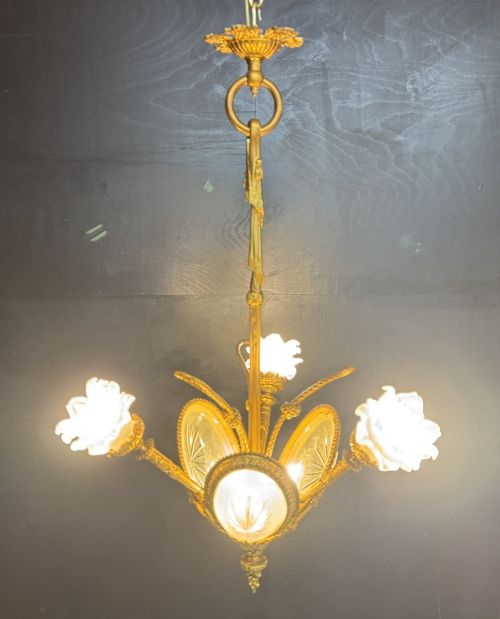
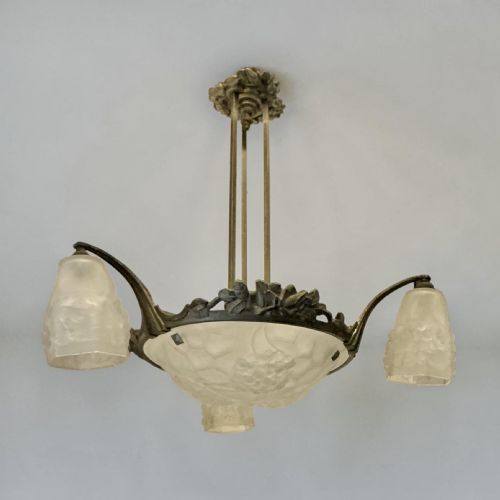
A frosted glass light fixture encompasses a range of overhead and wall-mounted lighting designed to soften harsh glare through treated glass surfaces. These items appear in various configurations, from single pendants and wall sconces to multi-armed chandeliers.
The selection draws heavily from the early twentieth century, particularly the Art Deco and Arts and Crafts movements, alongside Victorian and Edwardian examples. Common forms include slip shade ceiling lights, hall lanterns, and matching wall sconces originating from British and French workshops.
How they were made
Metalwork frames utilise cast brass, beaten copper, chrome, wrought iron, and gilt bronze to support the glass components. These structural elements are shaped through casting, hammering, and plating techniques appropriate to their respective periods.
The glass elements themselves involve moulding, pressing, and etching processes to achieve opaque, opalescent, or satin finishes that diffuse light evenly. Makers combined these glass shades with metal suspension chains, brackets, and tubular arms.
Frosted Glass Light Fixture Retail Price Guide 2026
Typical asking prices for frosted glass light fixture among the pieces listed under this phrase on Sellingantiques today, from the lower quarter to the upper quarter. They describe what is for sale here now, not the wider market.
Some heavy iron wall lights were built like miniature castles to withstand centuries of flickering candle and oil flames.
What varies in quality
Quality reveals itself in the weight and purity of the metal frame, whether solid cast bronze and heavy brass or plated base metals. Heavier, more substantial mountings indicate careful workshop production and durability.
The depth and consistency of the glass treatment also separate standard pieces from finer examples. Uniform frosting, crisp moulding in slip shades, and detailed metal finishing indicate superior craftsmanship.
Émile-Jacques Ruhlmann·F&C Osler·Lalique
The Frosted Glass Light Fixture Glossary
- Slip shade
- A moulded glass shade designed to fit snugly into a metal frame or multi-light chandelier structure. These are commonly found on Art Deco fixtures.
- Hall lantern
- An enclosed hanging light fixture traditionally placed in entrance halls or corridors. They often feature glazed panels held within brass, copper, or iron frames.
- Opalescent glass
- Glass that exhibits a milky, translucent appearance with subtle shifts in colour when illuminated. It scatters light gently across a room.
- Satin glass
- Glass treated with an acid etch or sandblasting to create a smooth, velvety matte finish. This texture reduces glare without blocking the light output.
- Torch wall light
- A sconce styled to resemble a classical torch, directing light upwards or outwards. These frequently incorporate bronze or chrome mounts.
Frosted Glass Light Fixture: Frequently Asked Questions
How do I clean frosted glass?
Wash the glass gently using warm water and mild soap, avoiding harsh abrasives that might scratch the treated surface. Dry thoroughly with a soft cloth before rehanging.
Ensure the fixture is disconnected from the electrical supply before removing any glass shades for cleaning.
Are these lights wired for modern use?
Many period fixtures retain older wiring or have been partially updated, so a qualified electrician should inspect and adapt them to current safety standards. Rewiring ensures compatibility with modern household circuits.
Most standard lamp holders can accommodate contemporary LED bulbs that match the original voltage requirements.
How do I date a fixture?
Examine the stylistic cues, such as geometric Art Deco slip shades or heavy beaten copper typical of the Arts and Crafts movement. Material choices like chrome or gilt bronze also point to specific design eras.
Maker signatures, stamps on the metalwork, or attribution to known glasshouses provide further chronological clues.
Where should I hang a wall sconce?
Wall lights suit hallways, flanking mirrors, or framing architectural doorways where directional ambient illumination is required. Height placement depends on ceiling clearance and eye level.
Matching pairs work well to balance symmetry in formal rooms or stairwells.