




Retro Glass Ceiling Chandelier
A retro glass ceiling chandelier brings distinctive period illumination into a room, combining brass, chrome, and textured glass in striking vintage forms.
Retro Glass Ceiling Chandelier
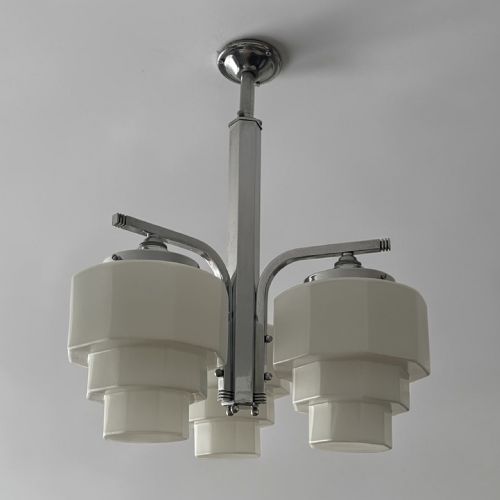
A retro glass ceiling chandelier encompasses overhead lighting fixtures spanning the nineteenth century through the nineteen-thirties, including the Edwardian era and the Art Deco period. Buyers searching for a retro glass ceiling chandelier encounter various forms such as pendant lights, hanging globes, and multi-light chandeliers.
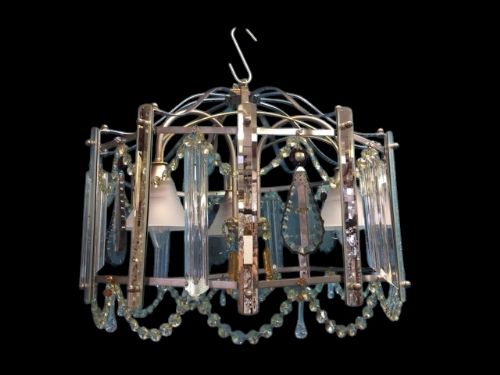
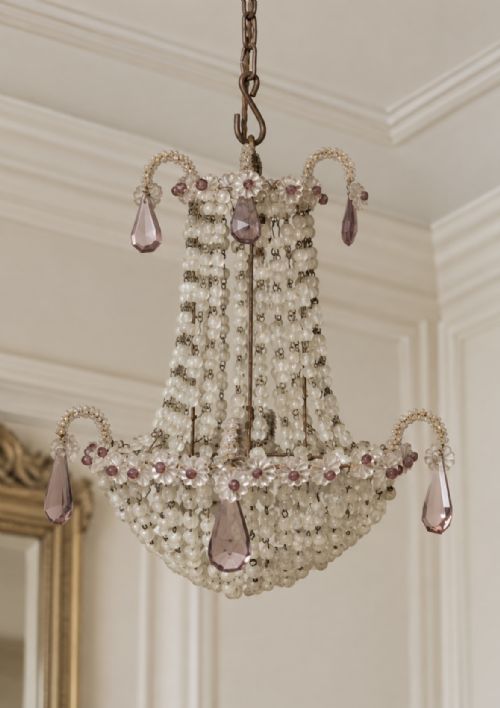
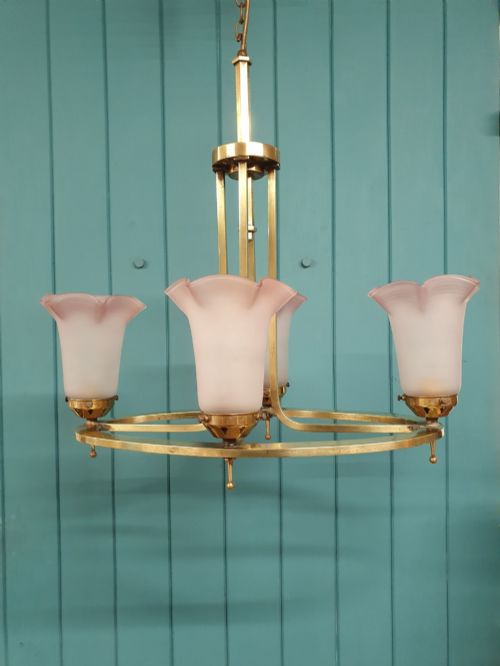
Lighting formats vary from simple single-bulb pendant lights and lampshades to substantial four-light chandeliers decorated with crystals and glass drops. Earlier nineteenth-century examples introduce pink crimped glass shades and antique brass structures to the selection.
How they were made
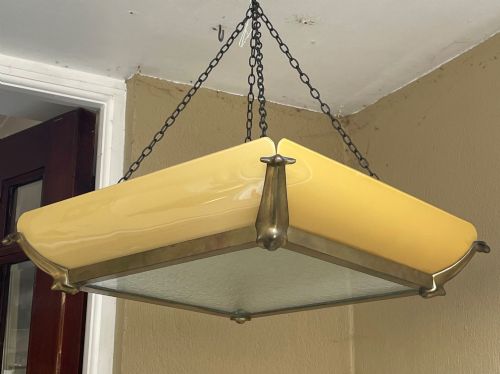
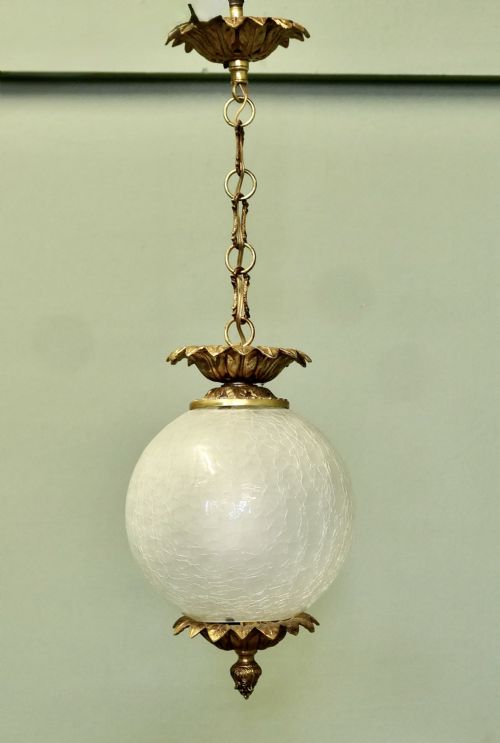
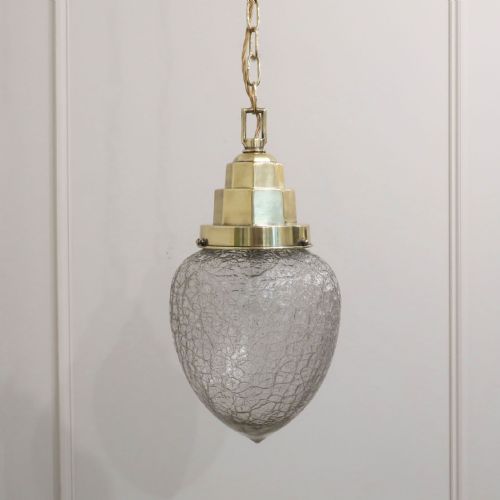
Makers constructed these fixtures using robust metal frameworks of brass, chrome, gilt metal, wrought iron, and copper to support heavier glass elements. Glass components include frosted glass, crackle glass, pink glass, amber beads, and moulded clam shell shades.
Artisans combined metalwork with specialised glass techniques, suspending glass drops, crystals, and prisms from metallic frames to refract and diffuse light effectively. French and Italian workshops utilised distinct moulding and bead-stringing methods to achieve characteristic textured surfaces.
Retro Glass Ceiling Chandelier Retail Price Guide 2026
Typical asking prices for retro glass ceiling chandelier among the pieces listed under this phrase on Sellingantiques today, from the lower quarter to the upper quarter. They describe what is for sale here now, not the wider market.
Listings feature brass, chrome, and wrought iron supporting frosted, crackle, and pink glass across nineteen-hundred to nineteen-thirty periods.
What varies in quality
Quality rests in the fidelity of the period design and the character of the glass components, from simple pressed shades to intricate mouldings by known makers. The weight and finish of the supporting metalwork, whether polished brass, heavy copper, or sturdy chrome, dictate the structural integrity of the fixture.
The optical properties of the glass, including the depth of crackle finishes, the warmth of pink or amber tones, and the clarity of crystal prisms, separate standard production from exceptional examples.
Jean Gauthier
The Retro Glass Ceiling Chandelier Glossary
- Art Deco
- A design style spanning the nineteen-twenties and nineteen-thirties characterised by geometric shapes, stylised motifs, and streamlined industrial forms. It heavily influences the profile of many twentieth-century ceiling lights.
- Crackle glass
- Glass treated during manufacture to create a network of fine internal fractures across the surface. This technique diffuses light while adding tactile texture to pendant shades.
- Prism
- A cut glass pendant designed to refract light into spectral colours. These elements frequently hang from early twentieth-century chandeliers to enhance illumination.
- Clam shell
- A moulded glass shade shaped to resemble a natural shell form. This motif appears regularly on nineteen-twenties French hanging light fixtures.
Retro Glass Ceiling Chandelier: Frequently Asked Questions
How do I hang a vintage chandelier?
Vintage ceiling lights require secure attachment to ceiling joists using appropriate hooks or mounting brackets that can support the combined weight of metal and glass. Professional installation ensures proper electrical connection and safe suspension.
Heavier fixtures involving brass frames and thick glass shades need dedicated ceiling boxes rated for substantial loads rather than standard plaster fixings.
What rooms suit a glass ceiling chandelier?
These fixtures suit hallways, dining spaces, and living rooms where overhead illumination acts as a central decorative feature. Compact pendant lights fit smaller rooms, while multi-light chandeliers provide balanced illumination in larger spaces.
Matching the scale of the room to the drop and diameter of the chandelier preserves the proportion of the interior.
How do I clean antique glass shades?
Cleaning requires removing detachable glass components, such as globes or drops, and washing them in warm soapy water using a soft cloth. Harsh abrasives must be avoided to protect delicate finishes like frosting or crackle patterns.
Metal frames benefit from gentle dusting with a dry cloth to preserve the original patina of brass, copper, or chrome surfaces.