

French Wooden Drawers
These French wooden drawers span centuries of provincial and formal cabinet-making, offering practical storage grounded in solid timber.
French Wooden Drawers
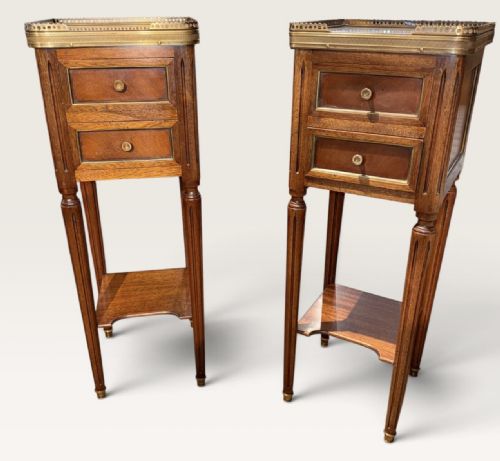
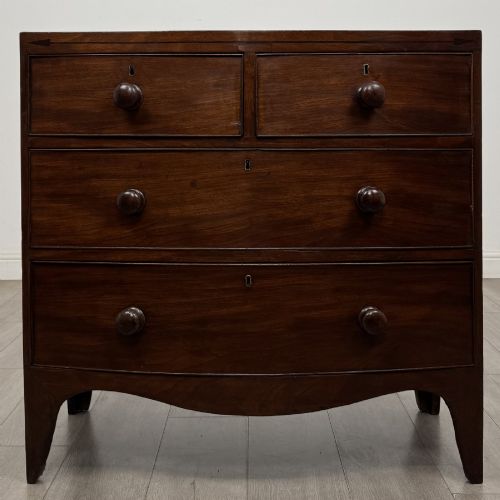
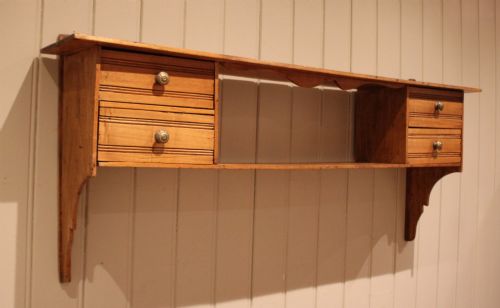
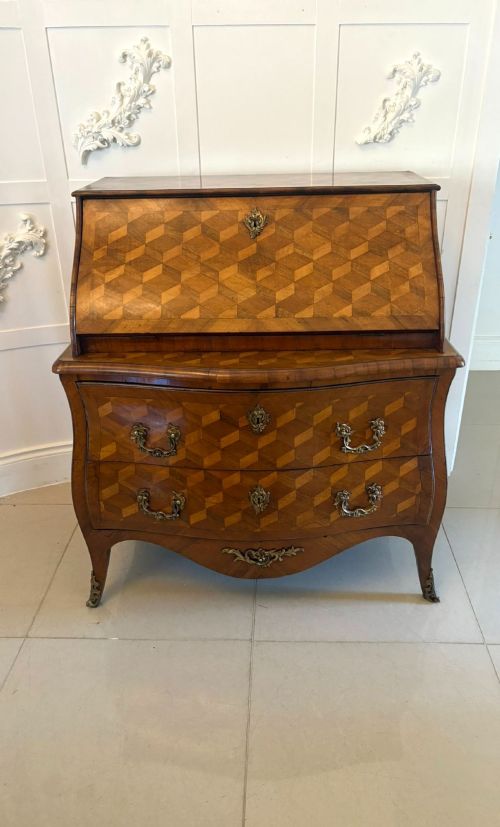
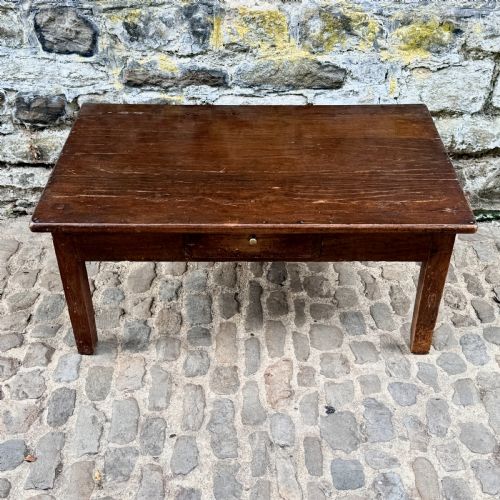
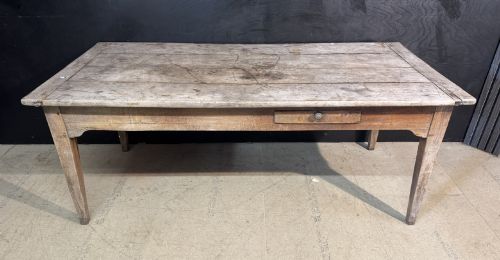
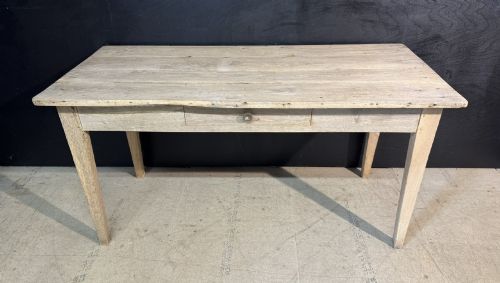
When searching for French wooden drawers, buyers encounter pieces ranging from simple fruitwood and pine bedside units to elaborate walnut and mahogany commodes. The selection includes chests of drawers, bureaus, semainiers, and console tables fitted with storage, originating from various periods between the eighteenth and twentieth centuries.
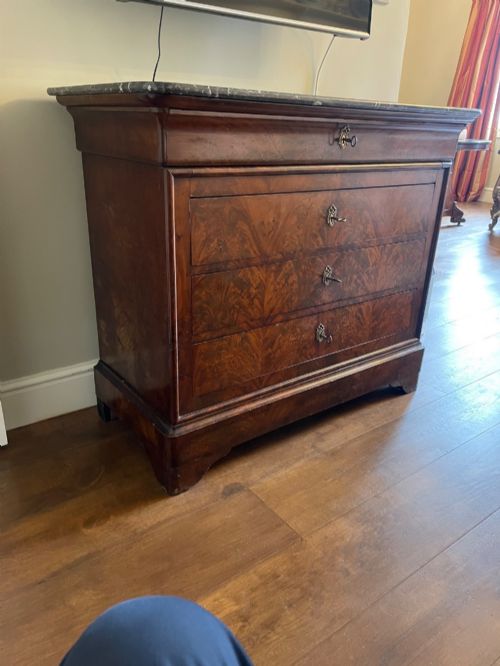
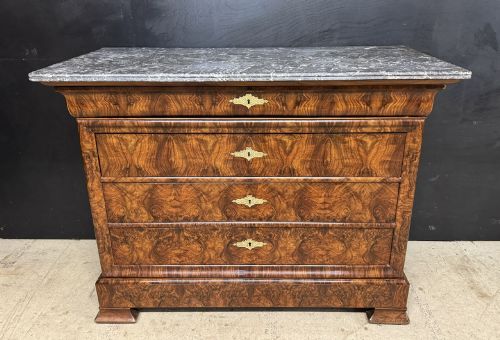
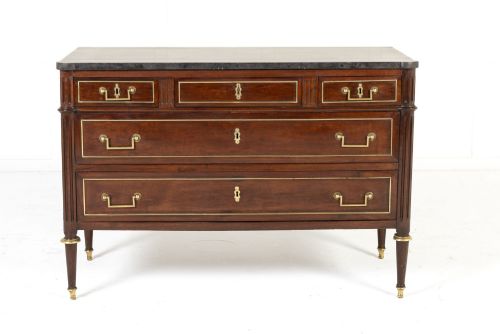
The most common forms on this page are commodes and chests of drawers executed in oak, walnut, or fruitwood. These items reflect provincial and regional workshops alongside more formal urban designs.
Pieces span multiple design movements, including Louis Philippe, Louis XV Revival, Louis XVI style, and rustic farmhouse traditions. Each object demonstrates the practical utility and aesthetic of its respective era.
Materials and Construction
Cabinet-makers relied on native timbers such as oak, walnut, fruitwood, chestnut, and pine, frequently pairing them with secondary woods for internal framing and drawer linings. More ornate examples incorporate veneers of rosewood, kingwood, or burr walnut.
Hardware typically consists of cast brass handles and escutcheons, while certain surfaces feature marble tops or intricate parquetry and marquetry inlays. Joinery methods include traditional dovetailing for drawer construction and panel-in-frame assembly for carcases.
French Wooden Drawers Retail Price Guide 2026
Typical asking prices for french wooden drawers among the pieces listed under this phrase on Sellingantiques today, from the lower quarter to the upper quarter. They describe what is for sale here now, not the wider market.
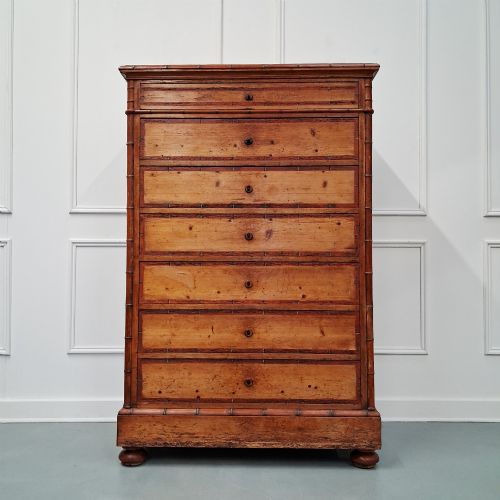
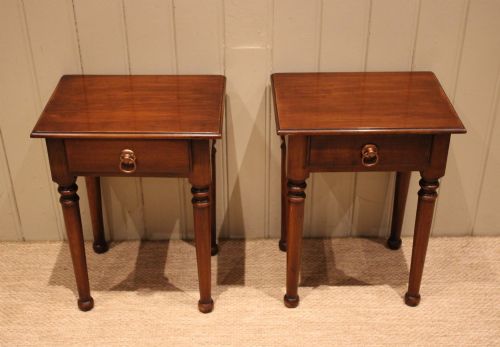
Some bedside cabinets come disguised as faux bamboo, proving that nineteenth-century makers enjoyed a touch of botanical mimicry.
Assessing Quality
Quality rests upon the selection of timber, the precision of the joinery, and the integrity of the original surfaces. Dense, well-figured woods like burr walnut or figured mahogany indicate higher ambition in the original workshop.
The sophistication of the carving, the crispness of parquetry inlay, and the retention of original brass mounts distinguish fine commodes and bureaus from standard utility furniture. Untouched patination and sound structural framing elevate the standing of any piece.
The French Wooden Drawers Glossary
- Commode
- A low chest of drawers or cabinet originating in France, often featuring two or more drawers and decorative mounts.
- Semainier
- A tall, narrow chest of drawers traditionally featuring seven drawers, designed to hold a week's worth of linens or clothing.
- Parquetry
- Geometric patterns of wood veneer laid down on a structure to create a decorative surface.
- Bombe
- A swelling, convex contour on the front and sides of a piece of furniture, characteristic of mid-eighteenth-century design.
- Fruitwood
- Timber sourced from fruit-bearing trees such as cherry, pear, or apple, widely used in French provincial cabinet-making for its fine grain.
French Wooden Drawers: Frequently Asked Questions
How do I date a French wooden chest?
Dating relies on examining construction methods, timber choice, hardware styles, and overall design characteristics. Hand-cut dovetails and regional wood usage often point towards earlier provincial origins.
Later pieces from the nineteenth and twentieth centuries frequently adopt revival styles such as Louis Philippe or Louis XV, utilising machine-assisted elements alongside traditional joinery.
What is a commode?
A commode is a low chest of drawers or cabinet developed in France during the seventeenth century. These pieces were primarily designed for bedroom or reception room storage.
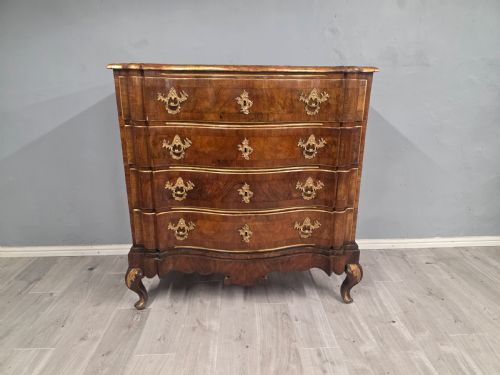
They range from restrained provincial oak versions to highly decorated serpentine and bombe forms with marble tops.
How do I care for antique wood furniture?
Maintain stable environmental conditions away from direct heat sources and strong sunlight to prevent timber movement and splitting. Regular dusting with a soft, dry cloth preserves the finish.
Occasional application of appropriate wax feeds the grain and protects the historic patination without sealing the wood.
Are these drawers suitable for daily use?
Most pieces were built for practical domestic storage and remain robust enough for contemporary use. Proper care ensures drawer runners and joints continue to function smoothly.
Gentle handling of older hardware and internal linings preserves the structural integrity of antique timber.