


French Wood Furniture
French wood furniture brings together centuries of cabinet-making skill, offering walnut, mahogany and cherry pieces designed for both daily use and formal display.
French Wood Furniture
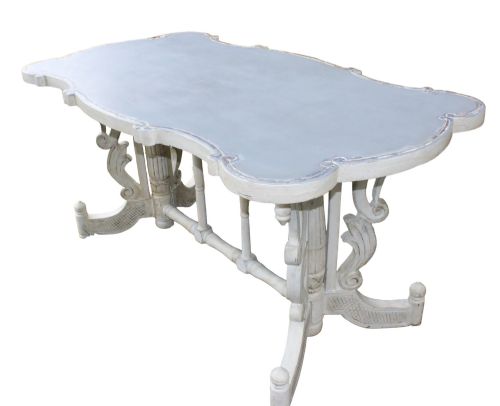
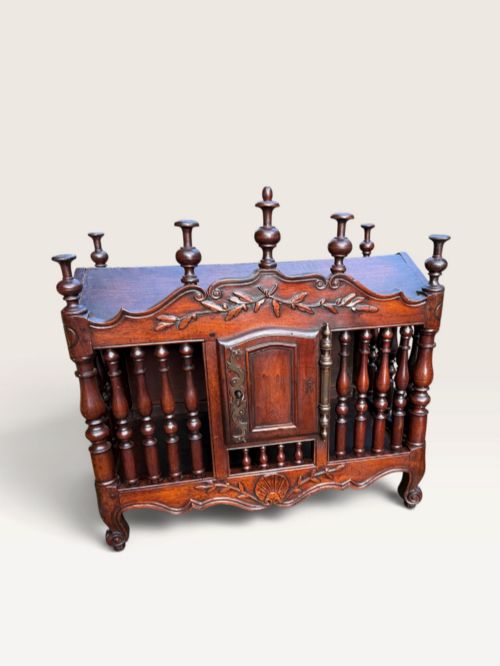
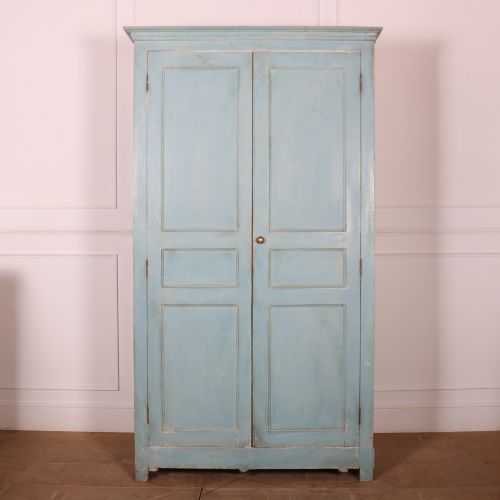
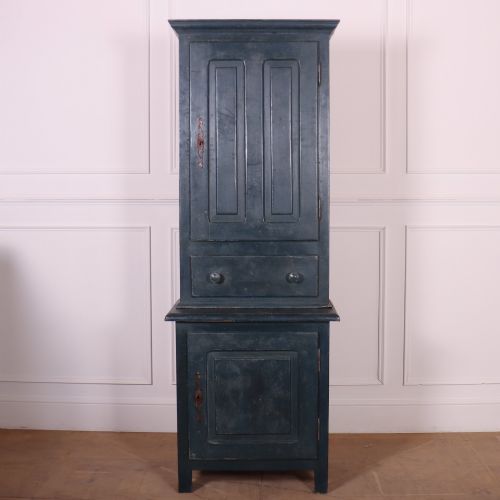
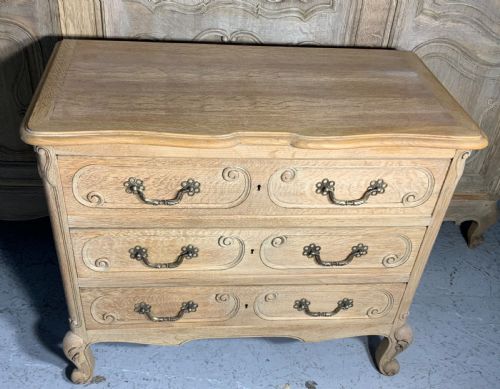
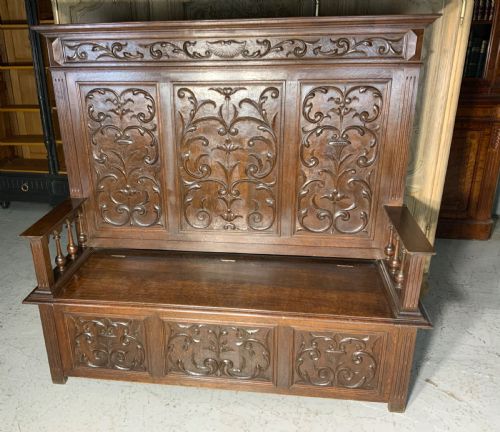
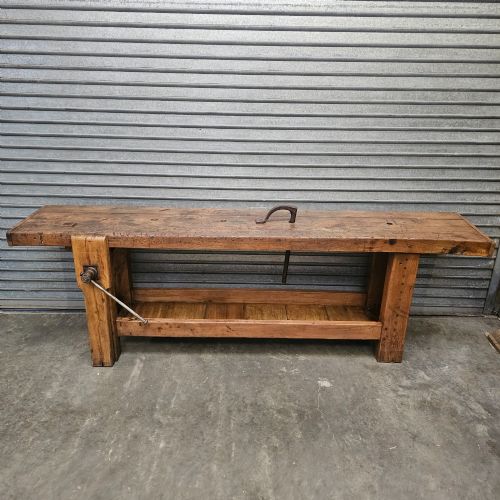
French wood furniture encompasses a broad spectrum of domestic and decorative items, ranging from practical laundry tables and armoires to elaborate commodes and salon suites. Buyers seeking these items encounter numerous pieces originating from the eighteenth and nineteenth centuries, alongside twentieth-century Art Deco examples.
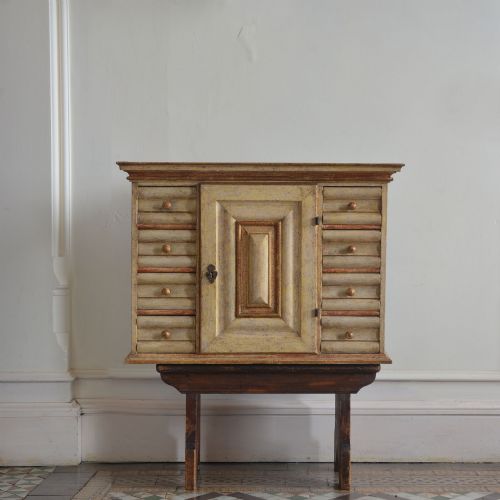
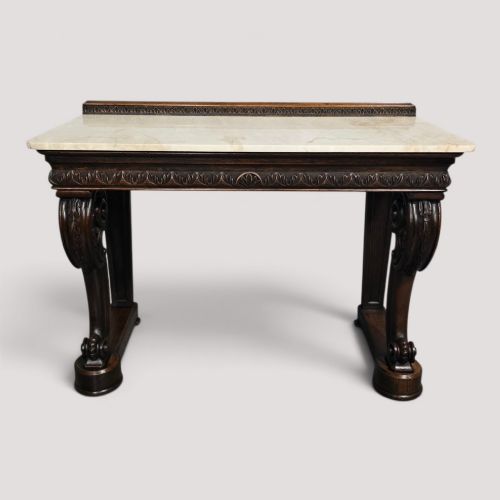
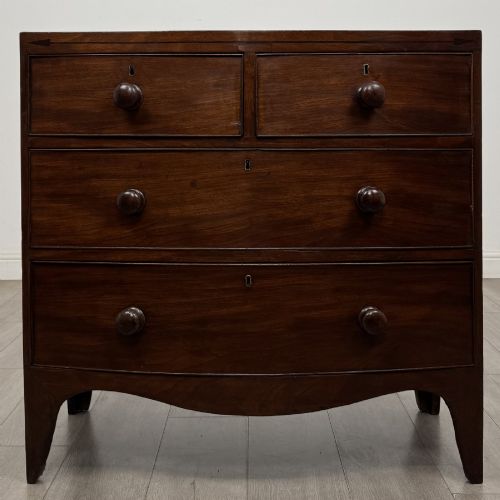
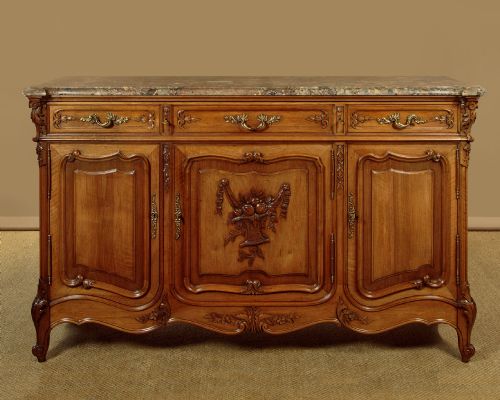
The selection frequently highlights storage and surface pieces, including chests of drawers, sideboards, writing desks and console tables. Regional provincial pieces sit alongside formal court-inspired designs, showing the diversity of domestic production across different French regions and eras.
Materials and construction
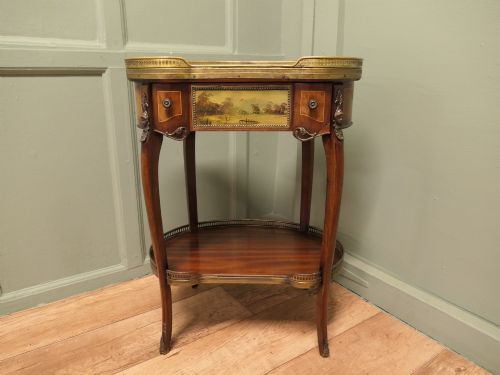
Makers utilised solid timbers and choice veneers such as walnut, mahogany, kingwood, rosewood and burr maple, often pairing wooden structures with marble tops, brass mounts, or ormolu details. Carved ornamentation, marquetry inlay and parquetry patterns demonstrate the technical proficiency applied to surfaces.
French Wood Furniture Retail Price Guide 2026
Typical asking prices for french wood furniture among the pieces listed under this phrase on Sellingantiques today, from the lower quarter to the upper quarter. They describe what is for sale here now, not the wider market.
Current listings feature furniture spanning the eighteenth, nineteenth and twentieth centuries, constructed from mahogany, walnut, kingwood and iron.
Judging execution and finish
Quality rests upon the selection of timber, the crispness of hand-carved elements, and the precision of marquetry inlay. Superior examples display careful grain matching and integration of secondary woods, whereas simpler items rely on straightforward construction without elaborate ornamentation.
The refinement of hardware, such as ormolu mounts and brass handles, distinguishes standard production from high-grade commissions. Attention to internal drawer construction and the stability of joints indicate the level of craftsmanship invested in each piece.
Gabriel Viardot·Thomas Hache·Jacob-Desmalter
The French Wood Furniture Glossary
- Commode
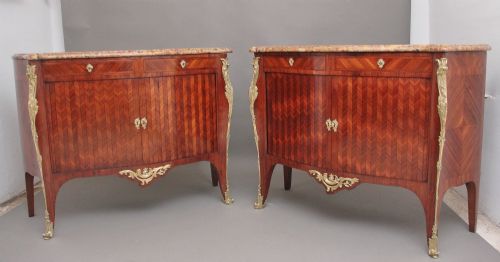
- A low chest of drawers or cabinet, typically dating from the eighteenth or nineteenth century. These pieces often feature serpentine fronts and marble tops.
- Marquetry
- Decorative veneer work arranged in geometric or pictorial patterns across wooden surfaces. Craftspeople cut contrasting timbers to form these intricate designs.
- Ormolu
- Gilt bronze mounts applied to furniture for decorative effect. This technique was widely utilised during the eighteenth and nineteenth centuries.
- Semainier
- A tall, slender chest of drawers traditionally featuring seven drawers, one for each day of the week. These pieces maximise vertical storage space.
- Bureau plat
- A flat-topped writing desk fitted with drawers, often standing on cabriole or tapered legs. Such desks frequently incorporate leather writing surfaces and bronze mounts.
French Wood Furniture: Frequently Asked Questions
How do I identify a commode?
A commode is essentially a low chest of drawers, often distinguished by curved serpentine fronts and decorative veneer work. Many examples also incorporate fitted marble tops.
These pieces were historically placed in bedchambers or principal rooms to provide both surface space and accessible storage for personal belongings.
Where were these pieces used?
Such items served various domestic functions across French homes, from formal salons to functional spaces like laundries and kitchens. Console tables and mirrors graced entrance halls, whilst writing desks occupied private studies.
Living with these pieces involves placing them in rooms where their timber tones and surface details complement contemporary or traditional interiors.
How do I tell periods apart?
Differentiating periods relies on observing stylistic markers, such as the ornate curves of Rococo Revival versus the clean geometric lines of Art Deco. Eighteenth-century pieces often display hand-carved details and specific regional timber choices.
Nineteenth-century revivals frequently reinterpret earlier court styles, incorporating machine-assisted elements alongside traditional hand joinery.
How do I care for wooden surfaces?
Wooden furniture requires stable indoor humidity levels and protection from direct sunlight to prevent timber movement or fading. Regular dusting with a soft cloth helps maintain the finish without building up residues.
Avoid placing items near direct heat sources, and treat marble or glass inserts with appropriate non-abrasive cleaners.