

French Wood Commode
A french wood commode brings architectural depth and practical storage to an interior through centuries of cabinet-making skill.
French Wood Commode
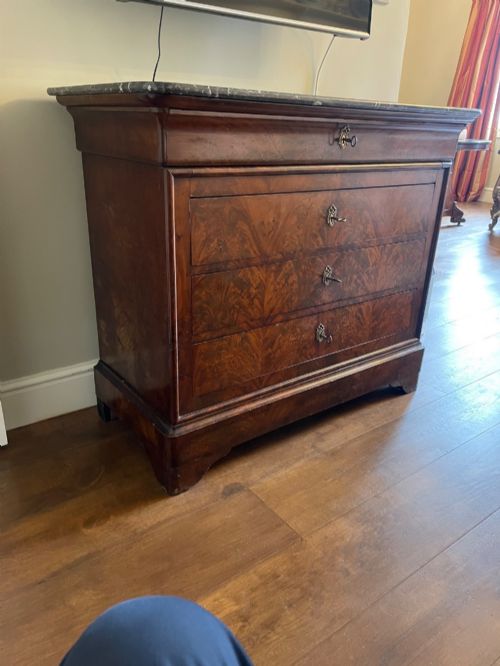
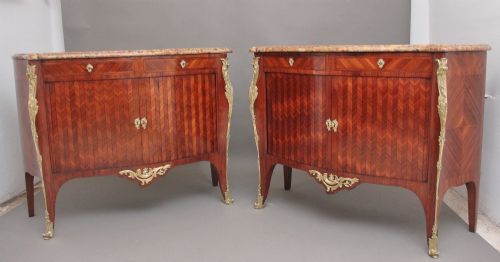
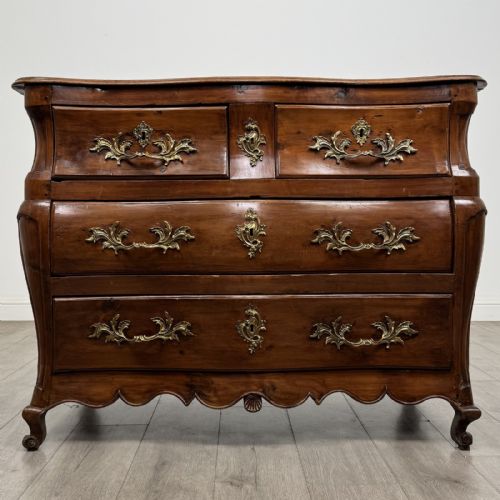
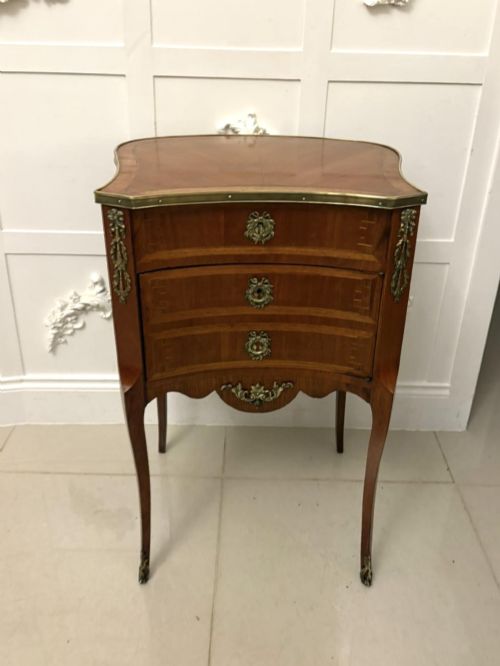
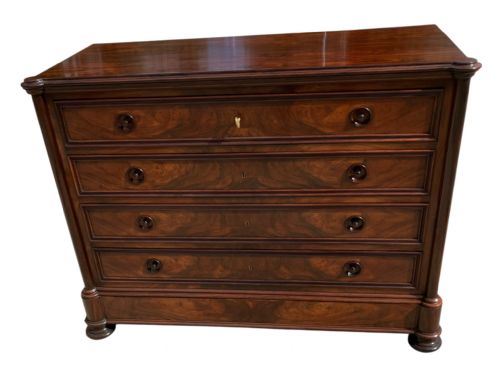
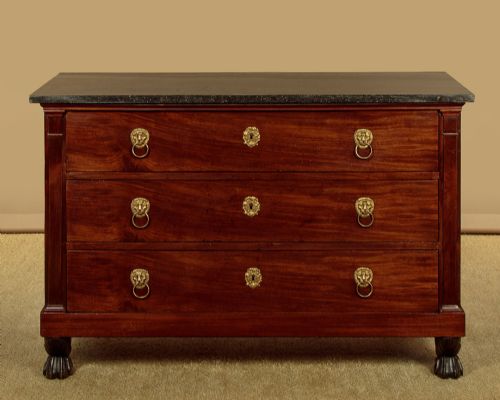
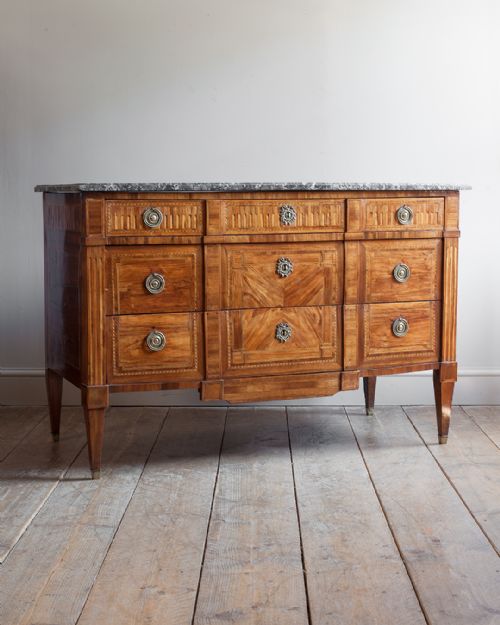
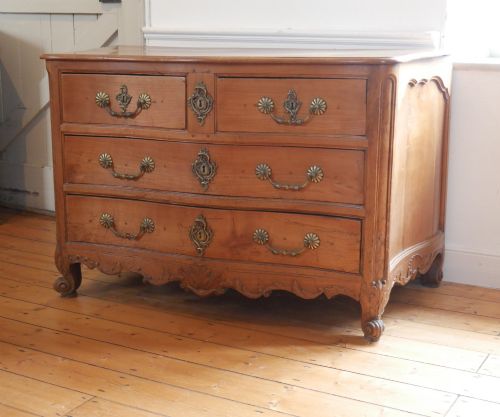
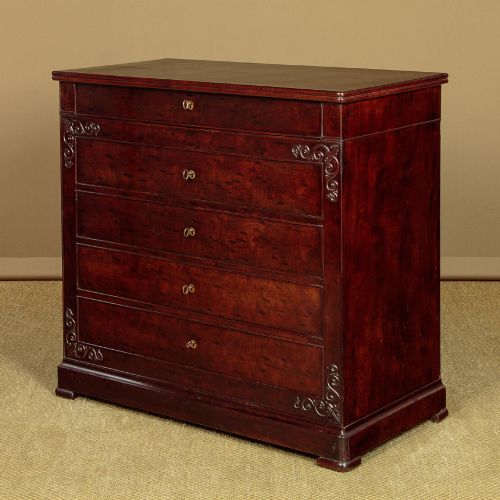
When you search for a french wood commode, you encounter low chests of drawers and cabinets produced across the eighteenth and nineteenth centuries. The versions most commonly met on this page span provincial cherrywood designs, mahogany Empire models, and later revival styles influenced by Louis XV and Louis XVI aesthetics.
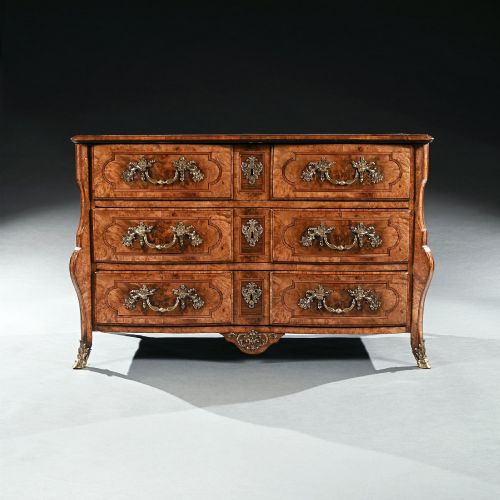
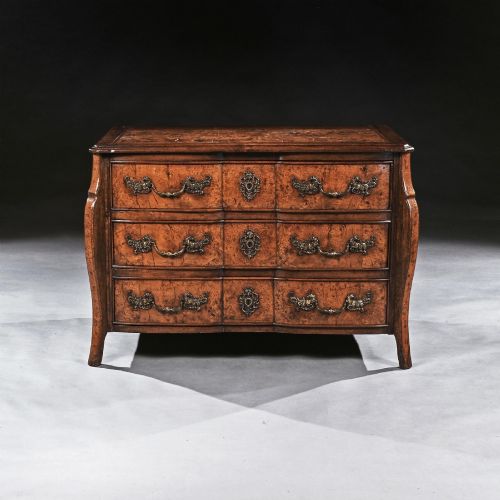
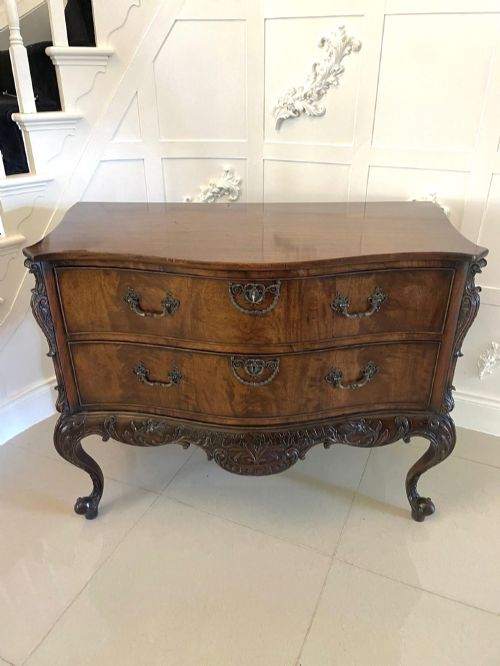
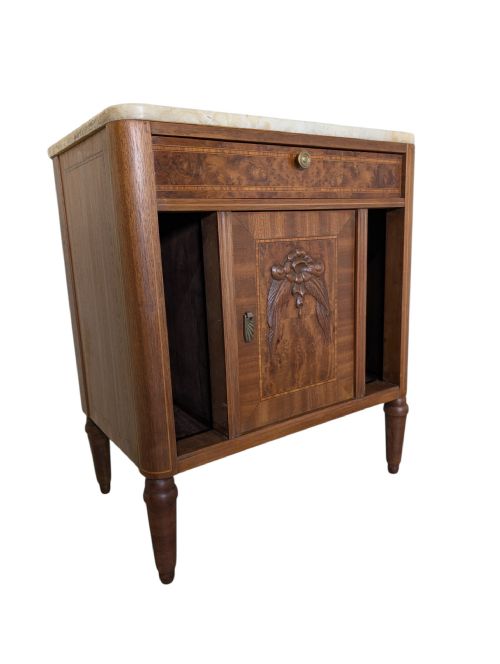
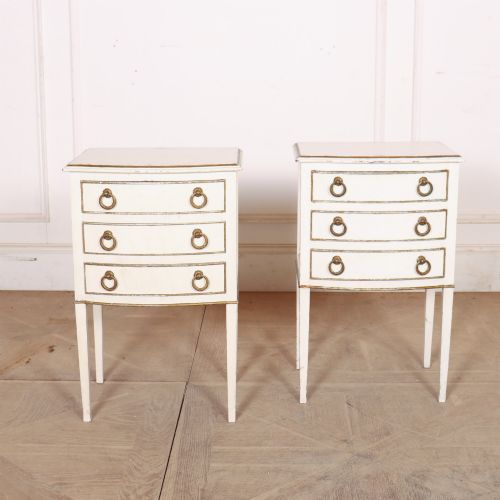
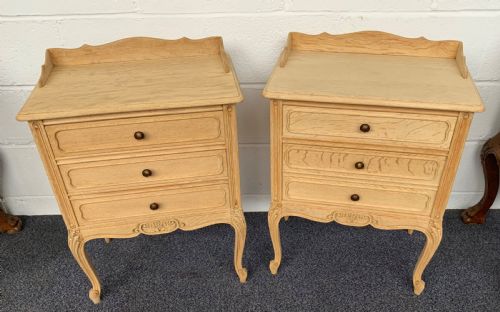
The selection ranges from large serpentine and bombe bodies to compact bedside tables and miniature apprentice pieces. Regional variations emerge clearly, from the sturdy lines of French Provincial workshops to the refined marquetry of urban cabinet-makers working in walnut, kingwood, and tulipwood.
Materials and Construction
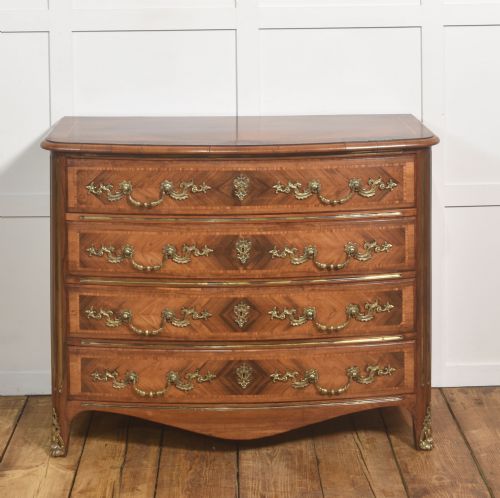
Cabinet-makers relied on native timbers such as oak, walnut, cherrywood, and elm for structural integrity, often applying figured veneers like kingwood, tulipwood, and mahogany to the exterior surfaces. Marquetry and parquetry patterns utilised contrasting wood tones arranged in geometric or floral motifs.
Many surfaces incorporated shaped marble tops in shades of white or grey, fitted precisely to the contours of serpentine and breakfront carcasses. Mounts, handles, and sabots cast in brass and ormolu provided functional accents along corners, drawer pulls, and feet.
French Wood Commode Retail Price Guide 2026
Typical asking prices for french wood commode among the pieces listed under this phrase on Sellingantiques today, from the lower quarter to the upper quarter. They describe what is for sale here now, not the wider market.
Listings feature walnut, kingwood, mahogany, and cherrywood across eighteenth and nineteenth-century periods.
Craftsmanship and Proportion
The distinction between tiers of quality rests upon the precision of the joinery and the selection of timber veneers. Superior examples display seamless integration of curved drawer fronts, tight dovetailing, and grain matching that respects the natural movement of the wood.
Proportion and execution of decorative details determine desirability. Finer pieces maintain balanced symmetry in their marquetry layouts and feature crisply cast ormolu mounts rather than mass-produced replacements.
Thomas Hache of Grenoble·Bruneau
The French Wood Commode Glossary
- Bombe
- A convex or bulging shape swelling outward on the front and sides of a cabinet. This curved profile requires specialised shaping of both the wooden carcass and the fitted marble top.
- Marquetry
- The art of applying small pieces of veneer to a structure to form decorative patterns or pictures. Craftsmen selected different wood species to achieve natural colour variations without the use of paint.
- Serpentine
- A curved line resembling a snake, featuring a convex centre flanked by concave ends. This contour appears frequently across the drawer fronts and aprons of eighteenth and nineteenth-century chests.
- Ormolu
- Gilded bronze used for decorative mounts and hardware on furniture. The technique involves applying a mercury and gold amalgam to cast bronze before heating.
- Parquetry
- Geometric wood inlay forming repeating patterns such as cubes or chequers. This technique differs from marquetry by relying on angular, repeating shapes rather than pictorial designs.
French Wood Commode: Frequently Asked Questions
How do I date a wooden commode?
Dating relies on examining the construction methods used inside the drawers and along the backboards. Hand-cut dovetails and tool marks indicate earlier eighteenth or early nineteenth-century work.
Changes in timber choice and secondary woods like oak or pine also help establish the period. Regional French furniture often retained traditional joinery long after urban centres adopted new styles.
Are marble tops original?
Original marble tops fit the exact contours of the wooden carcasses beneath them, often showing matching bevelling and edge profiles. Replacements usually lack the precise alignment found on period pieces.
Examination of the upper frame reveals whether weight distribution and support blocks match the heavy stone slab above.
How do I care for antique wood?
Maintain stable humidity levels in the room to prevent timber from splitting or warping over time. Direct sunlight can fade delicate veneers and dry out historic finishes.
Apply microcrystalline wax sparingly to clean and protect the surface without building up excessive residues.
What is the difference between a commode and a chest of drawers?
While both provide storage through stacked drawers, the term commode specifically denotes decorative French low chests produced from the eighteenth century onward. These often feature cabriole legs, shaped aprons, or marble surfaces.
Standard chests of drawers generally follow simpler rectilinear forms without the distinct regional stylistic markers of French cabinet-making.