


French Walnut Vitrine
A french walnut vitrine brings warmth and elegance to a room while keeping prized collections visible behind glass.
French Walnut Vitrine
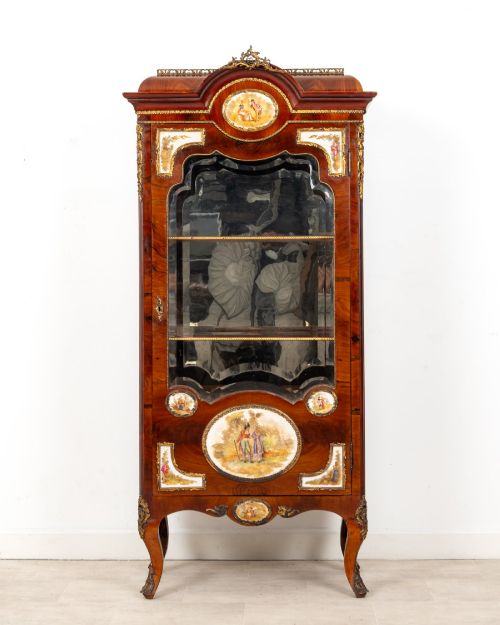
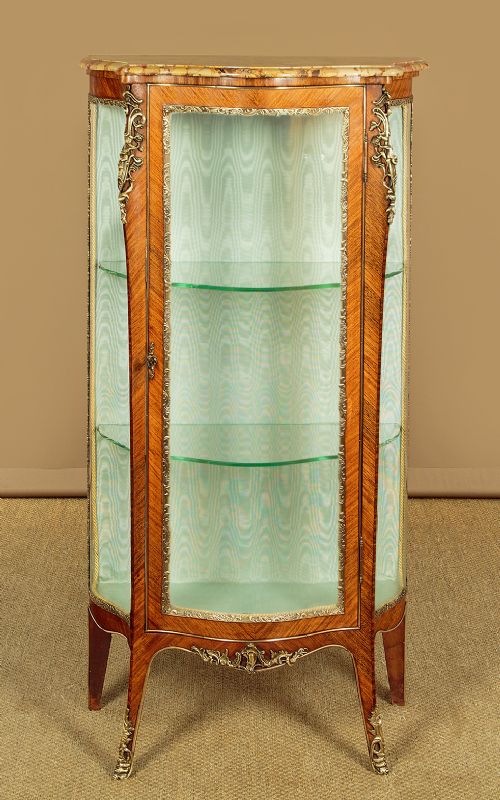
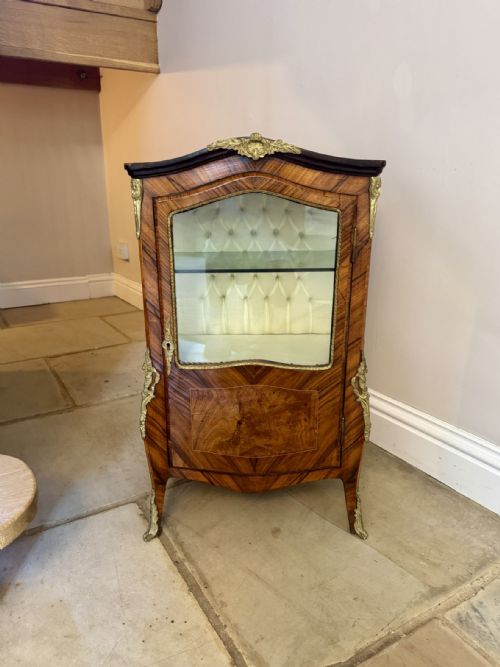
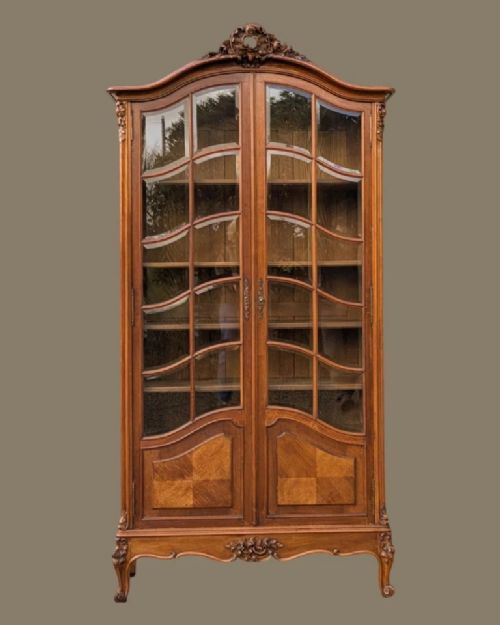
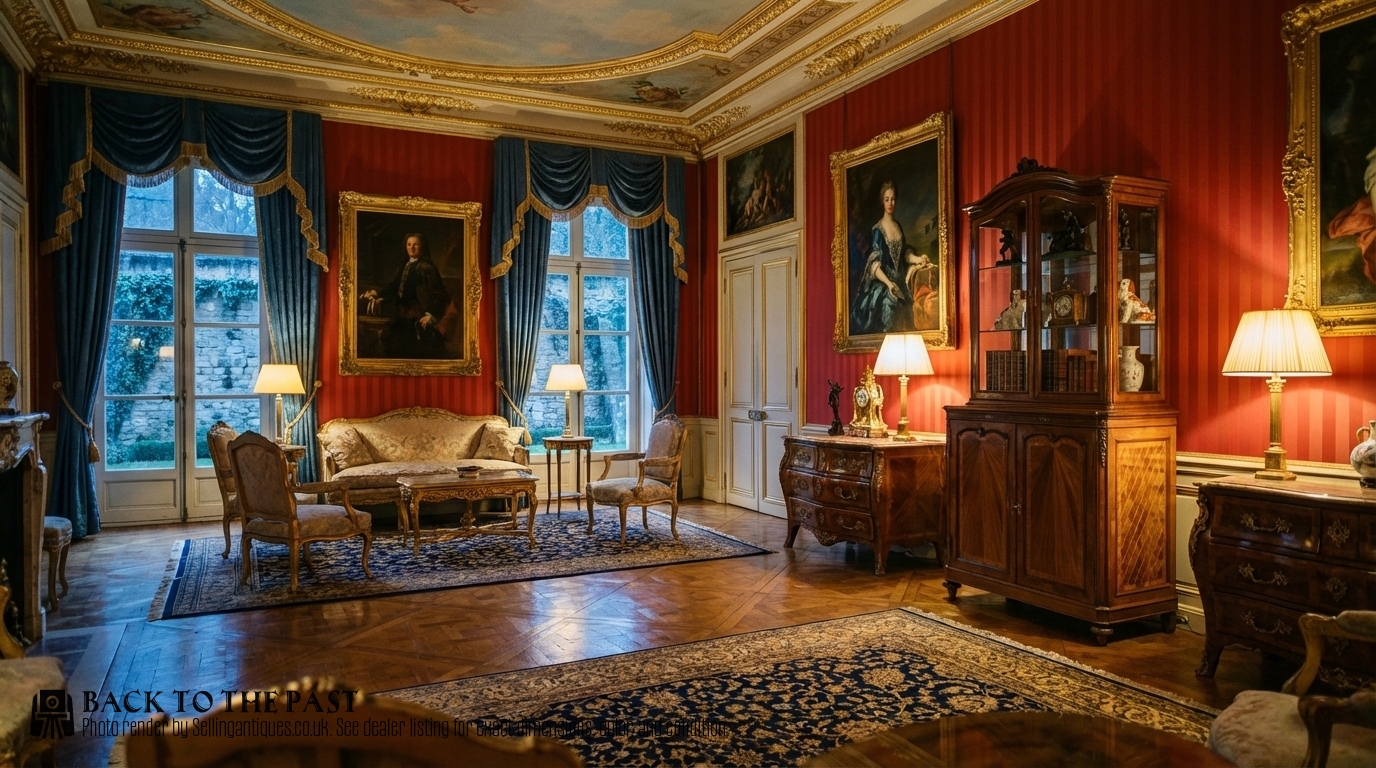
A french walnut vitrine is a glazed display cabinet designed to showcase ceramics, glassware, and small ornaments. You will frequently encounter nineteenth-century examples influenced by Louis XV and Louis XVI revivals, alongside smaller twentieth-century pieces.
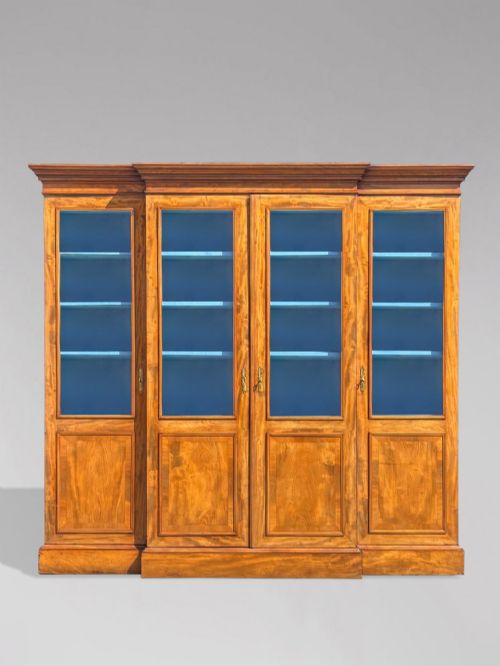
The selection ranges from compact table-top models and pier cabinets to tall two-door bookcases and serpentine fronted display cases. These cabinets share a primary focus on framing and protecting interior items through glazed doors or glass panels.
Origins trace back to French workshops and provincial cabinet makers working in walnut, often integrating specialised display surfaces like velvet-lined shelves or mirror backs. Buyers choose them to combine functional storage with decorative display in drawing rooms and reception spaces.
How they were made
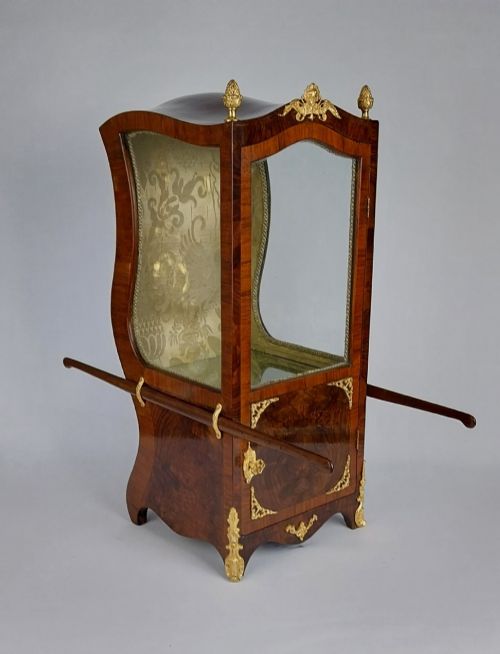
Cabinet makers utilised solid walnut and figured veneers such as burr walnut and kingwood over carcase timbers, applying marquetry inlay for surface pattern. Ormolu mounts in cast gilt bronze provide decorative enrichment to corners, borders, and feet.
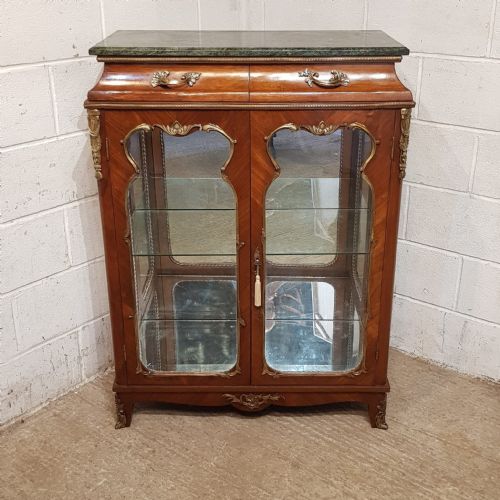
Glazing relies on individual glass panes held within slim timber frames, whilst marble tops appear frequently on nineteenth-century pier cabinets and commodes to provide a durable and luxurious upper surface.
One unexpected cabinet carries hand-signwritten evidence from the Rhone valley vineyards of Chateauneuf-du-Pape.
What varies in quality
Quality rests on the depth of figure in the walnut veneer and the crispness of the cast ormolu mounts. Finer pieces demonstrate precise marquetry work and hand-chased bronze detailing rather than mass-produced metal stampings.
Structural integrity shows in the alignment of glazed doors, the thickness of the marble slab, and the subtlety of the serpentine shaping. Superior examples balance architectural proportion with refined decorative restraint.
The French Walnut Vitrine Glossary
- Vitrine
- A glass-sided cabinet or display case designed specifically for showing porcelain and objets d'art. These pieces typically feature glazed doors and sides to maximise light penetration.
- Ormolu
- Gilt bronze mounts applied to furniture for decorative accent. The technique involves coating bronze with a gold amalgam and firing it to achieve a rich metallic lustre.
- Marquetry
- Inlaid wood veneers arranged in geometric or floral patterns across a carcase. Craftsmen cut contrasting timbers together to create seamless pictorial designs.
- Pier Cabinet
- A low display cabinet designed to stand against the wall space between windows. These often incorporate marble tops and single glazed doors.
- Vernis Martin
- A type of simulated Japanese lacquer developed in France during the eighteenth century. Skilled finishers applied multiple translucent layers of varnish to create luminous painted panels.
French Walnut Vitrine: Frequently Asked Questions
What is a french walnut vitrine used for?
These cabinets serve to display porcelain, silver, and small collections while protecting them from dust. The glass panels allow items to be viewed from multiple angles in a reception room.
They function equally well as standalone decorative furniture pieces that introduce warmth and historical character to modern interiors.
How do I date a walnut vitrine?
Dating relies on combining stylistic clues with construction methods, such as screw types, backboard construction, and timber preparation. Nineteenth-century pieces often display revival styles like Louis XV or Victorian marquetry.
Twentieth-century iterations tend towards simplified lines or later interpretations of classic French forms. Comparing the secondary timbers inside the cabinet provides further chronological clarity.
Are marble tops original on these cabinets?
Marble tops are common on nineteenth-century pier cabinets and commode-style vitrines. They provide a heavy, durable surface that complements the polished walnut carcase.
Original marble slabs fit flush within the timber mouldings and show matching ageing and wear to the rest of the piece.
How do I care for antique walnut furniture?
Maintain walnut furniture by placing it away from direct sunlight and heat sources to prevent the wood from drying out and veneers from lifting. Regular dusting with a soft, dry cloth preserves the polished finish.
Apply high-quality beeswax sparingly when the wood appears dry, buffing gently to maintain a natural lustre.