

French Walnut Console
A french walnut console brings warmth and refined carving to a hall or drawing room, prized for rich burr grains and marble tops.
French Walnut Console
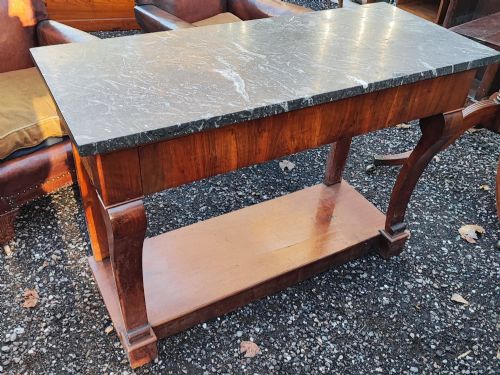
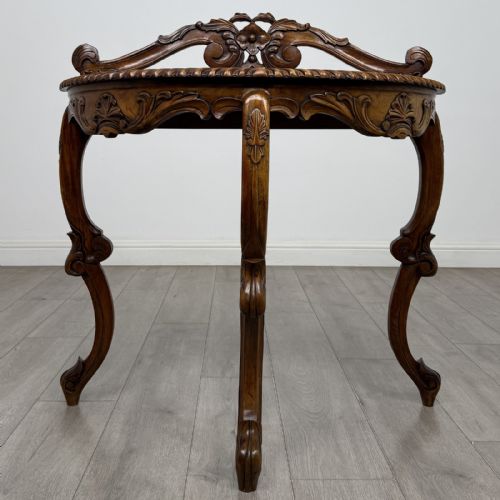
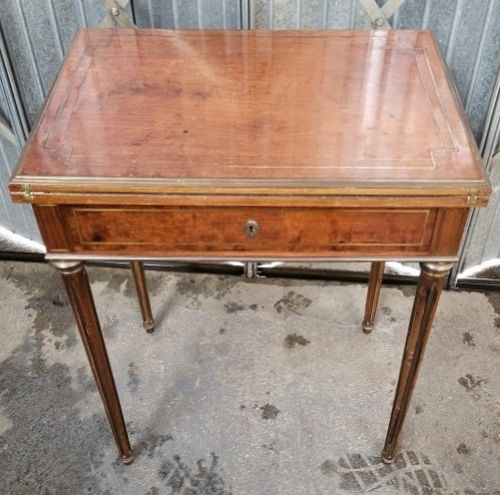
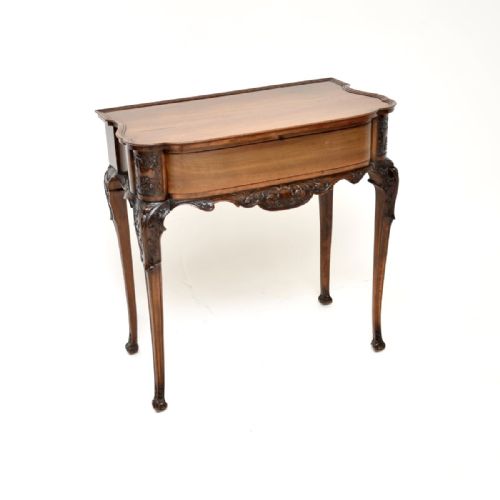
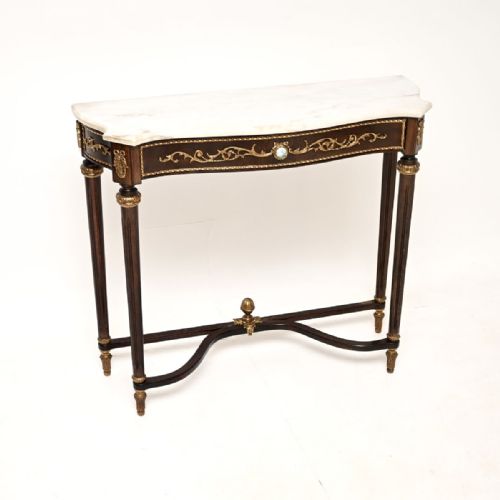
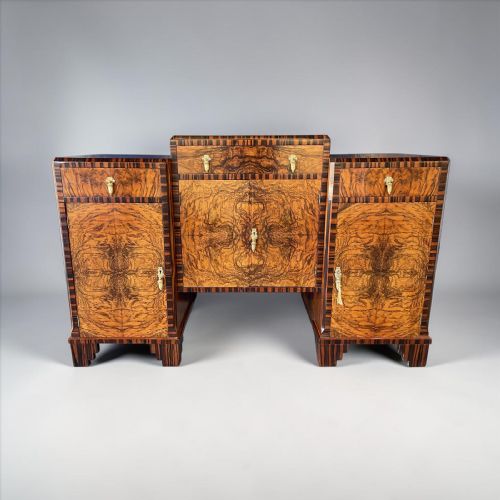
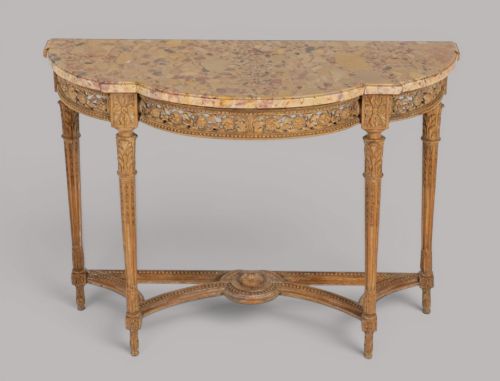
When searching for a french walnut console, buyers encounter tables designed to stand against a wall, frequently topped with marble and finished with intricate marquetry. These pieces originate from various periods including the eighteenth century, the Victorian era, and the Art Deco epoch.
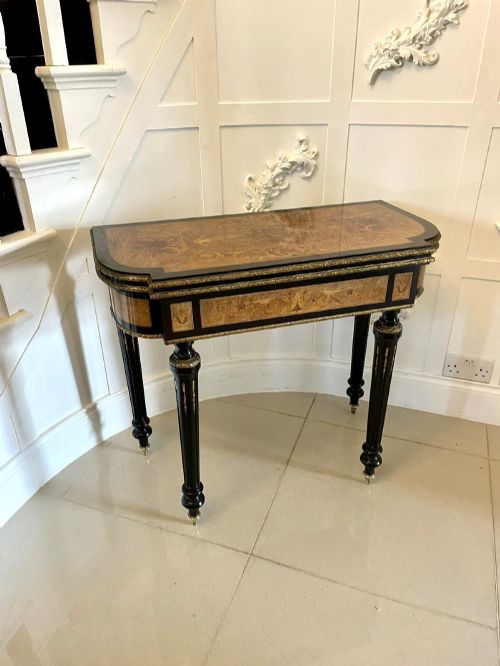
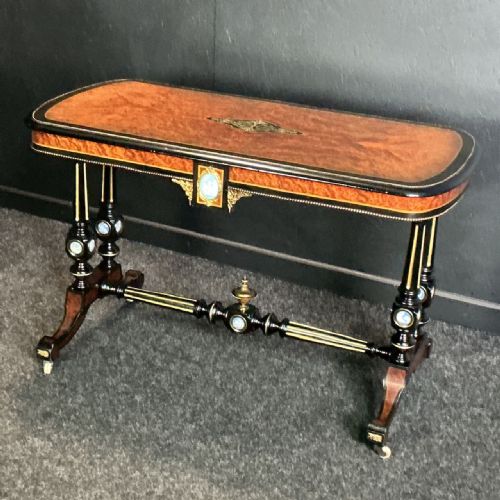
The most common examples on this page date from the nineteenth century, reflecting revival styles such as Louis XV, Rococo, and Empire. Alongside traditional console tables, the selection includes related forms like card tables, side tables, and centre tables utilising the same timber and decorative vocabulary.
Craftsmanship spans provincial workshops and high-end metropolitan makers, resulting in diverse expressions of walnut furniture. Buyers select these items to anchor a room with architectural presence and historical texture.
Materials and Construction
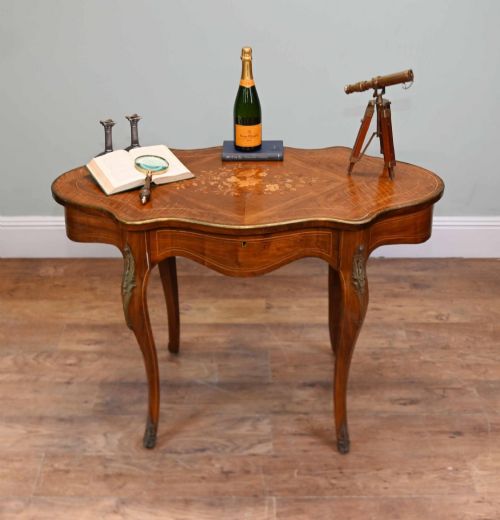
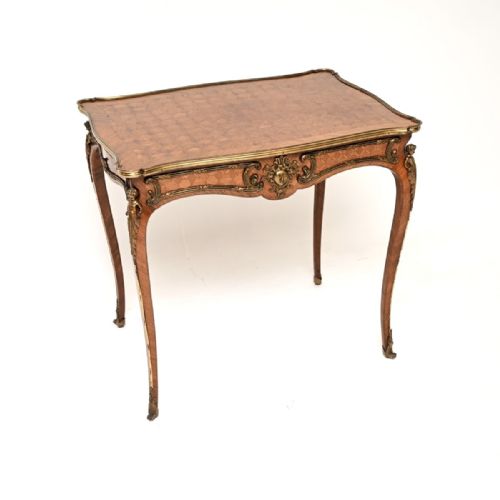
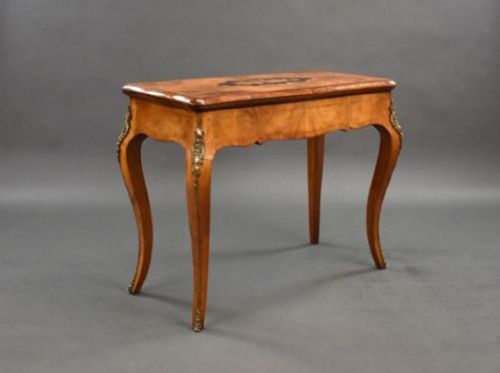
Cabinet makers utilised solid walnut and decorative burr walnut veneers, frequently enhancing surfaces with complex marquetry and parquetry inlay using exotic woods. The timber provides a deep, warm ground that highlights the precision of geometric and floral patterns.
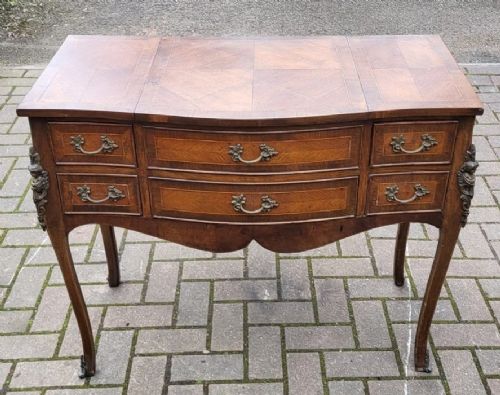
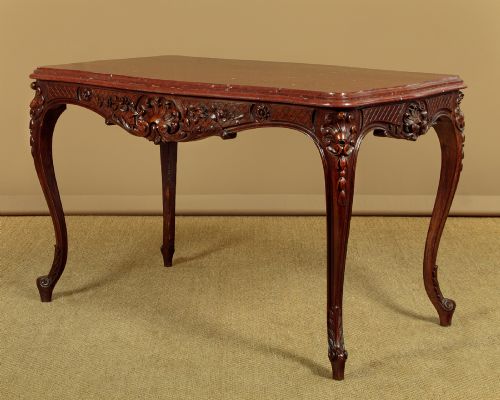
Heavy marble slabs, particularly rouge varieties, top many of the tables, requiring robust carcases and careful joinery to support the stone. Ormolu mounts, gilt bronze details, and brass accents are fitted to corners and legs, adding metallic contrast to the dark wood.
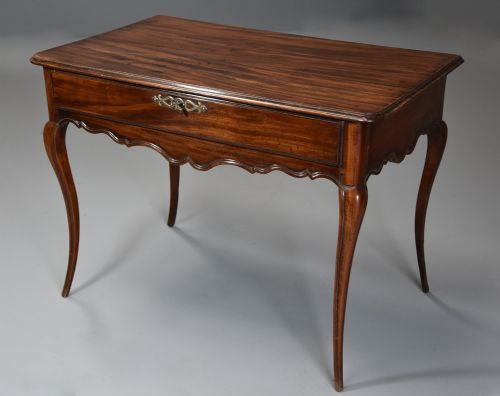
Structural framing relies on traditional joinery methods suited to console and centre tables, accommodating fold-over mechanisms for games surfaces and drawers integrated into the frieze. Surface finishes preserve the natural grain while achieving a durable sheen.
French Walnut Console Retail Price Guide 2026
Typical asking prices for french walnut console among the pieces listed under this phrase on Sellingantiques today, from the lower quarter to the upper quarter. They describe what is for sale here now, not the wider market.
Materials documented across the inventory include walnut, burr walnut, marble, ormolu, brass, porcelain, and kingwood.
Assessing Quality and Execution
The distinction between standard production and top-tier execution lies in the ambition of the design and the precision of the cabinet work. Superior pieces display finely hand-carved walnut foliage, crisp ormolu casting, and seamless marquetry inlay that aligns perfectly across joints and folding leaves.
Materials dictate the upper tier of the range, where selected burr walnut veneers show exceptional figure and depth. Original marble tops fitted securely to the walnut frame without modern replacements indicate higher preservation and original factory standard.
Edward and Roberts·Holland and Son
The French Walnut Console Glossary
- Console table
- A table designed to stand flat against a wall, frequently secured with brackets and topped with marble. They served a decorative and formal function in grand interiors.
- Marquetry
- The art of applying decorative veneer pieces in wood, shell, or metal to form intricate pictorial or geometric designs. This technique defines the surface ornamentation of many finer tables.
- Ormolu
- Gilt bronze mounts applied to furniture edges and legs for decorative accent. The quality of the chasing separates standard hardware from superior cast ornamentation.
- Burr walnut
- A prized timber harvested from the abnormal growth of a walnut tree, yielding swirling, highly decorative grain patterns. It is used extensively as a surface veneer.
- Parquetry
- A geometric mosaic of wood pieces used for surface decoration, commonly seen on tabletops and desk surfaces. It creates structured patterns that contrast with plain walnut.
French Walnut Console: Frequently Asked Questions
What is a french walnut console used for?
These tables functioned primarily as decorative architectural furniture in hallways, drawing rooms, and formal reception spaces. They provided a surface for lamps, mirrors, and ornaments while anchoring the wall space.
In domestic settings today, they serve similar display purposes in narrower rooms where deeper furniture would obstruct movement.
How do I distinguish eighteenth century from nineteenth century pieces?
Eighteenth century examples, such as those from the Louis XVI period, exhibit restrained classical proportions and naturalistic carving that reflect the period's specific structural demands. Nineteenth century pieces often revive these earlier aesthetics with heavier proportions and machine-assisted veneer work.
Examining the construction methods underneath, the type of secondary woods used, and the wear patterns helps establish the chronological origin.
How do I care for a marble top walnut table?
Marble requires gentle cleaning with mild, pH-neutral soap and water to avoid etching the polished stone surface. Walnut timber benefits from occasional waxing and protection from direct sunlight and excessive humidity changes.
Lifting rather than dragging the table preserves the stability of the joints, especially when heavy stone tops are fitted.
What is the difference between a console and a centre table?
Console tables are built to stand against a wall, meaning their rear edges may be unfinished or shaped specifically for wall mounting. Centre tables are finished on all sides for placement in the middle of a room.
Many listings include fold-over tops that allow centre and console tables to convert into games surfaces when opened.