
French Wall Consoles
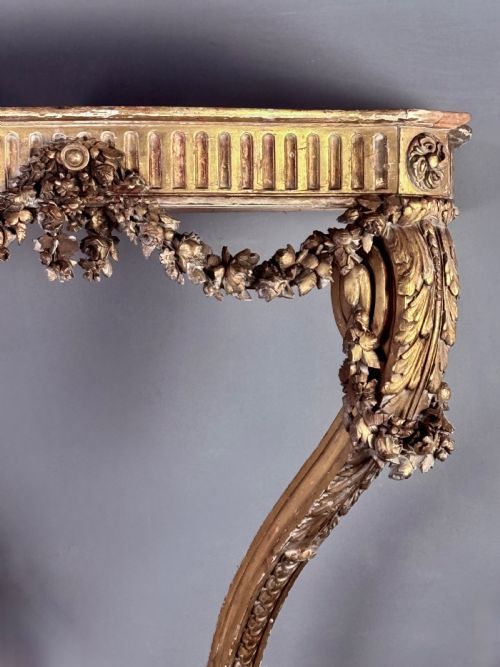
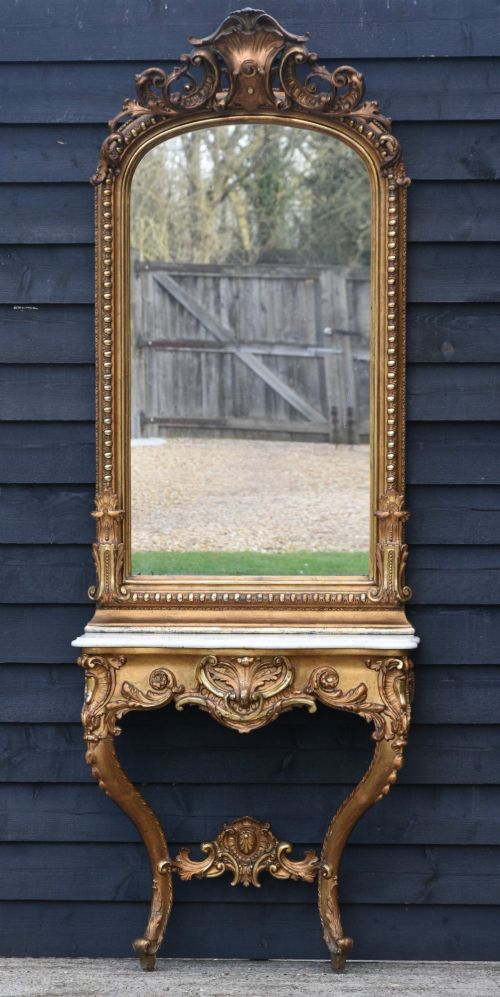
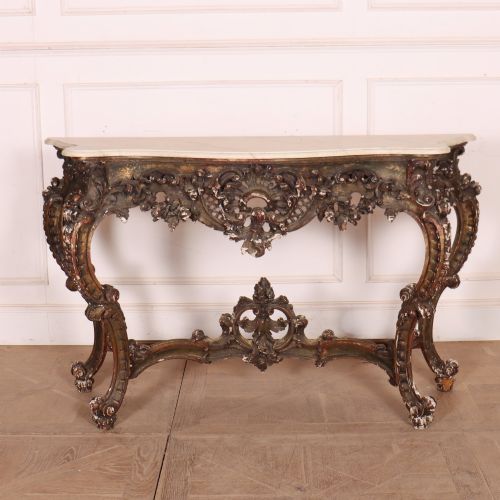
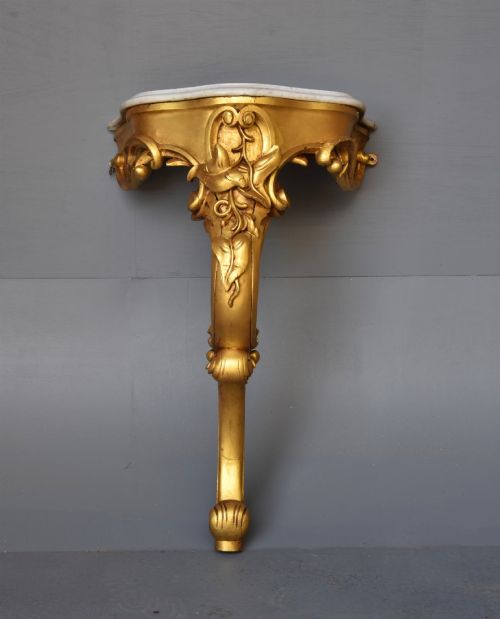
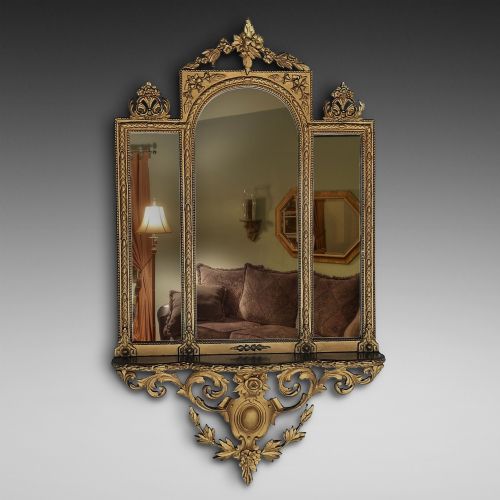
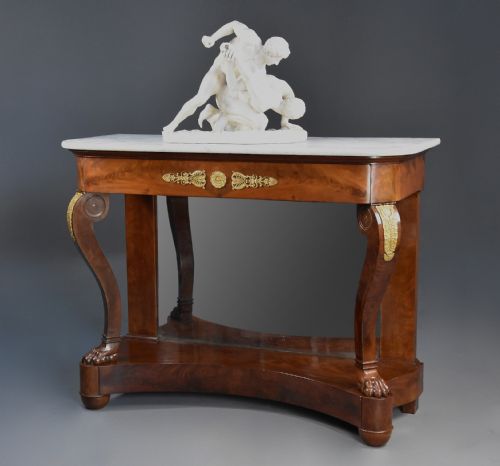
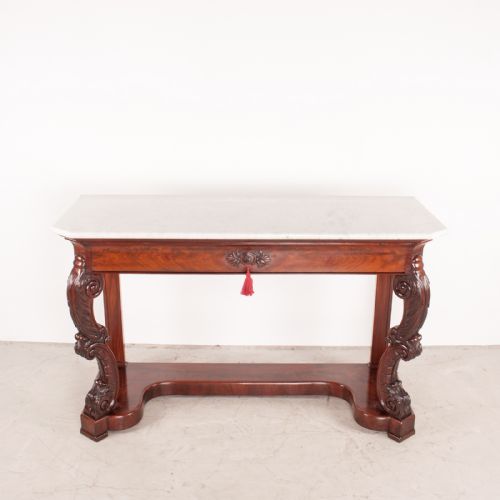
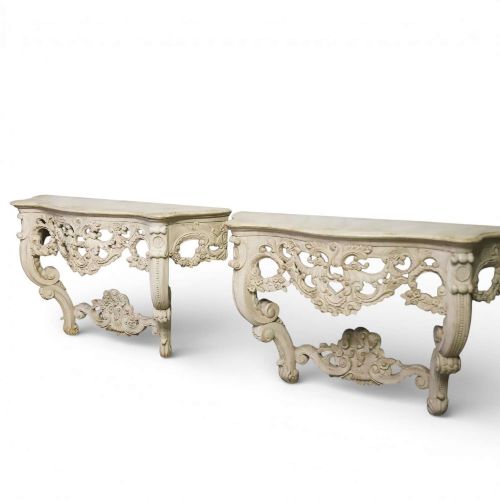
French wall consoles bring architectural elegance to a room, offering marble tops and carved giltwood frames designed to anchor a hallway or reception space.
French Wall Consoles
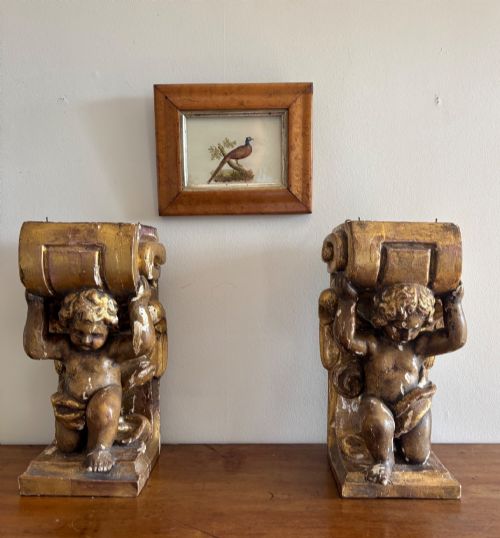
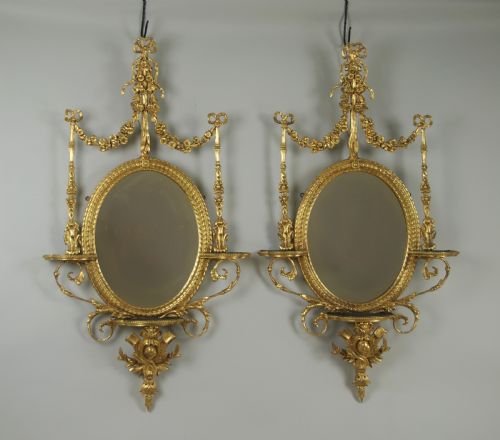
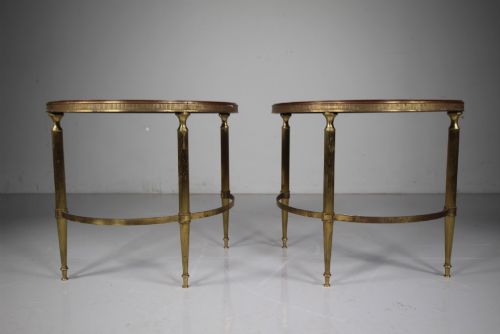
French wall consoles encompass decorative tables and brackets designed to mount directly against a wall or rest on slender legs beneath a mirror. These pieces serve functional and ornamental roles in traditional interiors, often appearing in forms such as demi-lune tables and paired wall brackets.
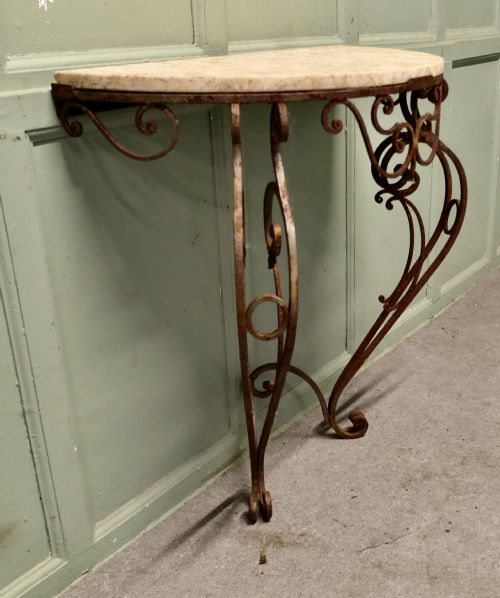
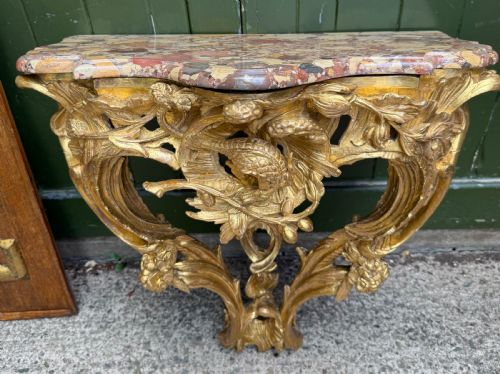
The selections available range widely across periods, spanning the eighteenth century through to the nineteen thirties. Pieces frequently incorporate marble tops, ranging from shaped white stone to figured varieties like breche d'alep, paired with supporting structures of carved wood or iron.
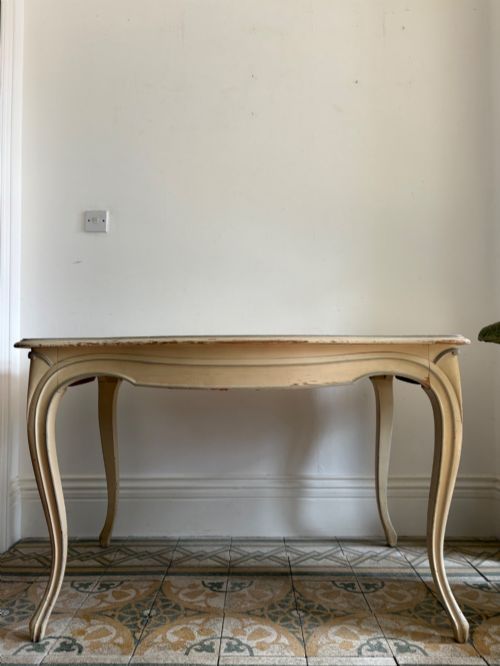
Stylistic influences heavily reflect classical European design traditions, including French Rococo, Neoclassical, and Empire periods. Buyers commonly encounter giltwood finishes alongside cream or antique white painted surfaces, reflecting the decorative tastes of various eras.
How they were made
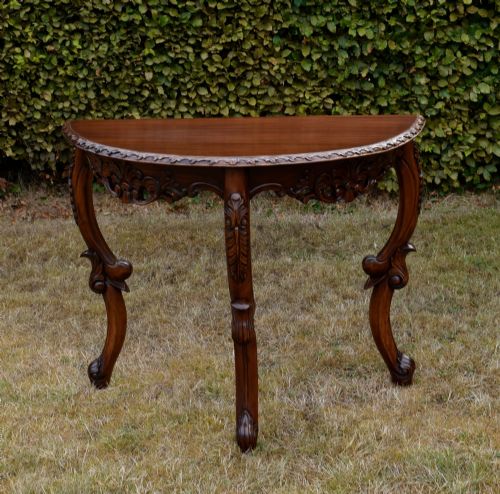
Construction relies heavily on solid timber frameworks, with walnut, mahogany, and oak serving as foundational woods for many examples. Carving is executed by hand, creating intricate foliage, scrolls, and structural supports designed to bear the weight of heavy stone tops.
Surface decoration frequently employs gesso applied over wood before receiving layers of gold leaf or paint finishes. Gilding techniques provide the bright or burnished metallic sheen seen on many period frames and console bases.
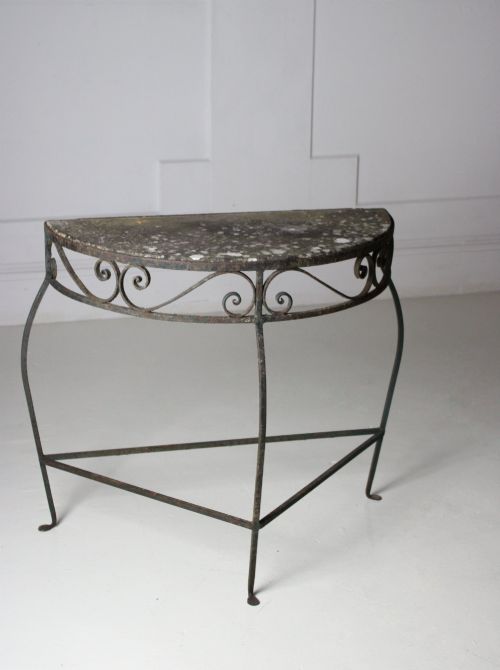
Stone tabletops are precision-cut and polished to fit the serpentine, demi-lune, or rectangular profiles of the wooden bases. Wrought iron and brass also appear in specific examples, demonstrating alternative metalwork techniques used for twentieth-century variations.
Some demi-lune tables require a heavy slab of stone just to stay grounded, proving that even furniture appreciates a good anchor.
What varies in quality
The depth and crispness of the hand-carved ornamentation dictate the artistic merit of a console. Finer examples display undercut foliage and sharply defined motifs, whereas simpler items rely on moulded composition applied to basic timber frames.
The choice of materials significantly influences the overall character of the piece, particularly the quality and figuring of the inset marble top. Heavy, well-polished natural stone paired with solid giltwood demonstrates superior craftsmanship compared to lesser secondary woods and thin finishes.
Felix Alfred Ternisien
The French Wall Consoles Glossary
- Demi-lune
- A half-moon shape used for the tabletops and frames of console tables designed to sit flat against a wall. This profile saves floor space while maintaining a formal appearance.
- Giltwood
- Timber that has been coated with thin sheets of gold leaf or gold powder over a prepared gesso ground. This technique creates a luminous, reflective surface characteristic of formal antique furniture.
- Console table
- A table supported by wall brackets or console legs, traditionally fixed securely to a wall. These pieces often carry heavy marble slabs and pair with matching wall mirrors.
- Breche d'alep
- A specific type of multi-coloured figured marble featuring brecciated patterns of various geological tones. It is prized for its decorative presence on historical tabletop surfaces.
- Rococo
- An ornate artistic style originating in France characterised by asymmetrical scrolls, shell motifs, and flowing natural curves. It heavily influences the decorative carving found on many antique console tables.
French Wall Consoles: Frequently Asked Questions
How do I secure a wall console?
Many console tables and wall brackets require proper anchoring to a structural wall for stability, especially when supporting heavy marble tops. Professional installation ensures the weight is safely distributed without damaging plaster.
Using appropriate brackets or wall fixings prevents tipping, as many historical designs were originally built to rely on wall attachment for balance.
What is a pier mirror?
A pier mirror is a tall looking glass traditionally hung on the wall space between two windows, frequently positioned directly above a matching console table. This combination creates a unified decorative scheme.
In many historical settings, the table and mirror were commissioned as a single ensemble to reflect light and enhance the proportions of a room.
Are marble tops removable?
Marble inserts on antique consoles are generally heavy slabs that rest unsecured within a wooden rebate, held in place purely by gravity and their own substantial weight. This allows the stone to be lifted out separately during transport.
Buyers should verify whether the marble is fixed with historical mortar or simply resting loose when moving or placing the furniture.
How do I clean giltwood?
Giltwood surfaces require gentle dusting with a soft, dry brush to avoid disturbing fragile gold leaf layers or delicate gesso decoration. Moisture and chemical cleaners can strip historical finishes entirely.
Preserving the original metallic surface involves minimal intervention and careful handling away from direct sunlight and excessive humidity.